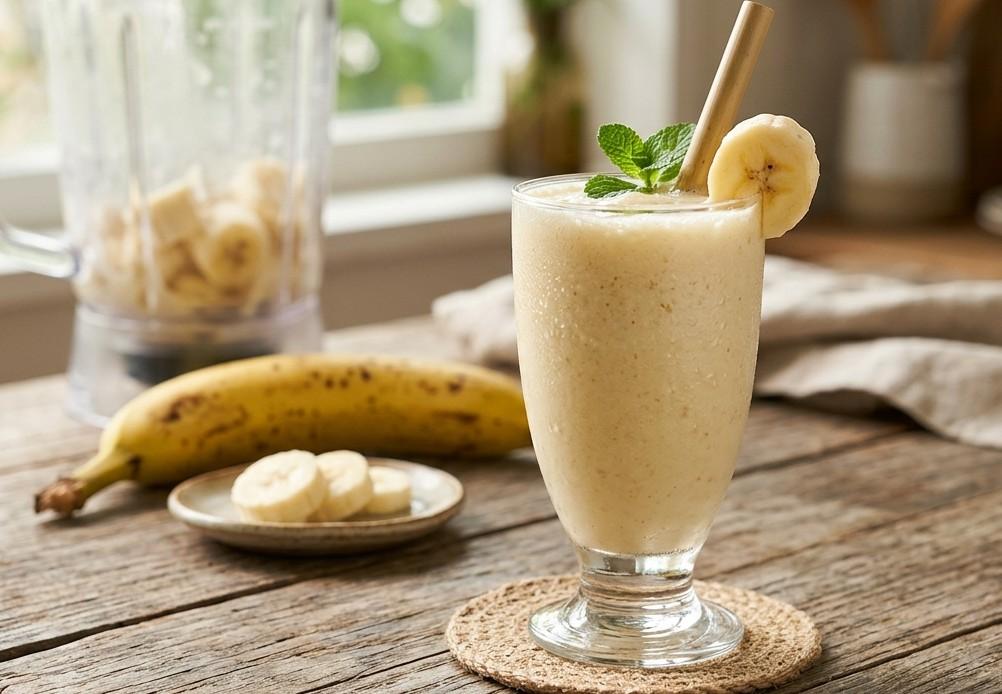
Banana juice is a naturally sweet and creamy beverage made by blending ripe bananas with water, milk, or plant-based milk. Although bananas contain less water than many fruits, they create a thick, smoothie-like juice that is rich in essential vitamins, minerals, antioxidants, and dietary fiber. Banana juice is popular as a quick breakfast drink, post-workout beverage, or healthy snack because it provides lasting energy and important nutrients that support overall health.
When consumed as part of a balanced diet, banana juice may contribute to heart health, digestion, muscle function, and immune support. However, like any food, moderation is important to avoid consuming excess calories or natural sugars.
What is Banana Juice?
Banana juice is a nutrient-rich drink prepared by blending ripe bananas with liquid such as water, milk, almond milk, oat milk, or coconut water. Some recipes include honey, cinnamon, vanilla, yogurt, or ice to improve flavor and texture.
Unlike many fruit juices that are extracted and strained, banana juice is typically blended, allowing it to retain much of the fruit’s natural fiber. This makes it more filling than traditional fruit juices and provides a slower release of energy.
Bananas are naturally rich in potassium, vitamin B6, vitamin C, magnesium, and carbohydrates, making banana juice a convenient option for active individuals, growing children, and anyone looking for a satisfying and nutritious beverage.
Nutrition Facts of Banana Juice
Approximate nutrition per 1 cup (240 ml) homemade banana juice prepared with one medium banana and water.
| Nutrient | Amount |
|---|---|
| Calories | 105 kcal |
| Carbohydrates | 27 g |
| Natural Sugars | 14 g |
| Dietary Fiber | 3 g |
| Protein | 1.3 g |
| Fat | 0.4 g |
| Potassium | 422 mg |
| Vitamin C | 10 mg |
| Vitamin B6 | 0.4 mg |
| Magnesium | 32 mg |
| Manganese | 0.3 mg |
| Folate | 24 mcg |
| Calcium | 6 mg |
| Sodium | 1 mg |
Nutrition values vary depending on ingredients, serving size, and whether milk or sweeteners are added.
20 Science-Backed Health Benefits of Banana Juice
- Provides Natural Energy: Banana juice supplies easily digestible carbohydrates that provide quick and sustained energy throughout the day.
- Supports Heart Health: Its high potassium content helps maintain healthy blood pressure and supports normal heart function.
- Promotes Healthy Digestion: When blended without straining, banana juice retains fiber that supports regular bowel movements and digestive health.
- Helps Maintain Electrolyte Balance: Potassium and magnesium help replace electrolytes lost through sweating during exercise.
- Supports Muscle Function: Potassium contributes to normal muscle contractions and may help reduce exercise-related muscle cramps.
- Boosts Immune Health: Vitamin C and natural antioxidants help strengthen the body’s immune defenses against infections.
- Promotes Brain Function: Vitamin B6 supports neurotransmitter production, contributing to healthy brain function and cognitive performance.
- Supports Healthy Nerve Function: Banana juice contains nutrients that help maintain proper communication between nerves and muscles.
- Aids Post-Workout Recovery: Natural carbohydrates replenish glycogen stores while potassium supports muscle recovery after physical activity.
- Supports Healthy Blood Pressure: Diets rich in potassium may help counteract sodium’s effects and promote healthy blood pressure levels.
- Provides Natural Antioxidants: Bananas contain antioxidant compounds such as dopamine and catechins that help protect cells from oxidative stress.
- Supports Red Blood Cell Formation: Vitamin B6 plays an important role in producing healthy red blood cells.
- May Improve Mood: Bananas contain vitamin B6, which helps produce serotonin, a neurotransmitter involved in mood regulation.
- Promotes Healthy Skin: Vitamin C supports collagen production, helping maintain healthy skin structure and appearance.
- Supports Kidney Health: Adequate potassium intake may contribute to normal kidney function in healthy individuals.
- Helps Increase Satiety: Fiber and natural carbohydrates help keep you feeling full, which may reduce unnecessary snacking.
- Supports Healthy Metabolism: B vitamins help convert food into usable energy for the body’s daily activities.
- May Improve Exercise Performance: Easily digestible carbohydrates provide fuel before workouts and endurance activities.
- Supports Bone Health: Magnesium and potassium contribute to maintaining healthy bones alongside a balanced diet.
- Contributes to Overall Wellness: The combination of vitamins, minerals, antioxidants, and fiber makes banana juice a nutritious addition to a healthy eating pattern.
10 Side Effects of Banana Juice
- High Natural Sugar Content: Drinking large amounts may increase overall sugar intake, especially for people with diabetes.
- May Raise Blood Sugar Quickly: Banana juice without added fiber sources may cause a faster rise in blood glucose than whole bananas.
- Can Contribute to Weight Gain: Frequent consumption of large servings adds extra calories that may lead to weight gain.
- May Cause Digestive Discomfort: Excess intake can result in bloating or stomach discomfort in some individuals.
- Risk of Excess Potassium: People with kidney disease should avoid excessive potassium intake unless advised by their healthcare provider.
- Possible Allergic Reactions: Although uncommon, some people may experience banana allergies or oral allergy syndrome.
- May Affect Certain Medical Conditions: Individuals following potassium-restricted diets should consume banana juice cautiously.
- Added Sugar Increases Health Risks: Store-bought versions with added sugar provide extra calories and reduce overall nutritional quality.
- Can Promote Tooth Decay: Frequent sipping exposes teeth to natural sugars that may contribute to cavities if oral hygiene is poor.
- May Not Be Suitable for Everyone: Individuals with digestive disorders or specific dietary restrictions may need personalized advice before regular consumption.
How to Make Banana Juice at Home?
Making fresh banana juice at home is quick, simple, and allows you to control the ingredients. Homemade banana juice is generally healthier than many commercial versions because it contains no artificial flavors or excessive added sugar.
Ingredients:
- 1 ripe banana
- 1 cup cold water, milk, or plant-based milk
- 4–5 ice cubes (optional)
- 1 teaspoon honey or maple syrup (optional)
- ½ teaspoon vanilla extract (optional)
- A pinch of cinnamon or cardamom (optional)
Instructions:
- Peel the ripe banana and slice it into small pieces.
- Add the banana to a blender.
- Pour in the water, milk, or your preferred plant-based milk.
- Add honey if additional sweetness is desired.
- Blend for 30–60 seconds until smooth and creamy.
- Add ice cubes and blend again if you prefer a chilled drink.
- Serve immediately to enjoy the best flavor and nutrient quality.
Healthy Variations:
- Add Greek yogurt for extra protein.
- Blend with oats for a more filling breakfast drink.
- Mix with peanut butter or almond butter for healthy fats.
- Add spinach for additional vitamins and minerals without greatly changing the flavor.
- Blend with cocoa powder for a naturally chocolate-flavored banana drink.
- Include chia seeds or flaxseeds to increase fiber and omega-3 fatty acids.
- Use coconut water instead of regular water for additional electrolytes after exercise.
- Add berries for more antioxidants and vitamin C.
Fresh homemade banana juice is best enjoyed immediately after preparation to preserve its natural flavor, creamy texture, and nutritional value.
Tips for Consuming Banana Juice
- Choose fully ripe bananas with yellow peels and a few brown spots for the best flavor and natural sweetness.
- Drink freshly prepared banana juice to preserve its nutrients and creamy texture.
- Avoid adding refined sugar, as ripe bananas are naturally sweet.
- Include a protein source such as Greek yogurt or unsweetened protein powder to make it a balanced meal.
- Add healthy fats like chia seeds, flaxseeds, or almond butter for improved satiety.
- Pair banana juice with a balanced breakfast rather than relying on it alone.
- Limit portion sizes if you are monitoring your calorie or carbohydrate intake.
- Use unsweetened plant-based milk if you prefer a dairy-free option.
- Consume banana juice in moderation as part of a varied and balanced diet.
- Consult a healthcare professional if you have kidney disease or require a potassium-restricted diet.
Other Uses of Banana Juice
Besides being a nutritious beverage, banana juice has several practical uses.
- Blend it into smoothies with berries, spinach, or mango.
- Use it as a base for homemade protein shakes.
- Pour it over oats or breakfast cereals for extra flavor.
- Freeze it into healthy popsicles.
- Mix it into pancake or waffle batter for natural sweetness.
- Add it to smoothie bowls as a creamy base.
- Use it in homemade desserts like puddings and banana ice cream.
- Blend it with yogurt to prepare fruit parfaits.
- Add it to baked goods such as muffins or banana bread.
- Serve it as a refreshing snack after workouts or outdoor activities.
How Much Banana Juice Can You Drink in a Day?
For most healthy adults, 1 glass (200–250 ml) of homemade banana juice per day is generally enough to enjoy its nutritional benefits without consuming excessive calories or natural sugars.
Children should drink smaller portions based on their age and nutritional needs. Athletes or individuals with higher energy requirements may consume slightly more as part of a balanced diet.
People with diabetes, chronic kidney disease, or those following potassium-restricted diets should speak with a healthcare provider or registered dietitian before drinking banana juice regularly.
Best Time to Drink Banana Juice
- Morning: Provides natural carbohydrates for energy to start the day.
- Before Exercise: Supplies quick fuel for workouts and physical activity.
- After Exercise: Helps replenish glycogen stores and replace potassium lost through sweating.
- As a Healthy Snack: Keeps you feeling full between meals.
- With Breakfast: Pairs well with protein-rich foods for a balanced meal.
Avoid drinking large servings late at night if you are trying to reduce calorie intake before bedtime.
Who Should Drink Banana Juice?
- Active Individuals: It provides natural carbohydrates and potassium to support physical performance.
- Athletes: It helps replenish energy stores after intense exercise.
- Growing Children: It supplies vitamins and minerals needed for healthy growth and development.
- Older Adults: It offers easily digestible nutrients that support overall health.
- Busy Professionals: It serves as a quick and convenient breakfast or snack.
- Students: It provides steady energy that may help support concentration.
- People Recovering from Illness: It can be an easy-to-digest source of calories and nutrients when tolerated.
- Individuals with Increased Energy Needs: It offers a nutritious option for meeting daily calorie requirements.
- Vegetarians: It contributes important vitamins and minerals to plant-based diets.
- Health-Conscious Individuals: It is a wholesome alternative to many sugar-sweetened beverages.
Who Should Avoid Banana Juice?
- People with Advanced Kidney Disease: High potassium intake may not be appropriate without medical supervision.
- Individuals on Potassium-Restricted Diets: Banana juice may exceed recommended potassium limits.
- People with Banana Allergy: Consumption may trigger allergic reactions.
- Individuals with Poorly Controlled Diabetes: Large servings may contribute to elevated blood sugar levels.
- Those Following Low-Carbohydrate Diets: Banana juice contains a relatively high amount of natural carbohydrates.
- People Sensitive to High-Fiber Foods: Homemade blended banana juice may cause digestive discomfort in some individuals.
- Individuals Limiting Calorie Intake: Frequent large servings can contribute to excess calorie consumption.
- People with Oral Allergy Syndrome: Some individuals may experience itching or irritation after eating bananas.
- Infants Without Medical Guidance: Introduce bananas according to age-appropriate feeding recommendations.
- Anyone Advised by Their Healthcare Provider: Follow personalized dietary recommendations for existing medical conditions.
How to Store Banana Juice?
- Refrigerate Immediately: Store freshly prepared banana juice in an airtight container as soon as possible.
- Consume Within 24 Hours: Fresh banana juice tastes best and retains more nutrients when consumed within one day.
- Use an Airtight Glass Bottle: This helps reduce oxidation and preserves freshness.
- Add Lemon Juice: A small amount of lemon juice may help slow browning caused by oxidation.
- Shake Before Drinking: Natural separation is normal; stir or shake well before serving.
- Keep Refrigerated: Do not leave banana juice at room temperature for extended periods.
- Freeze for Longer Storage: Freeze in small portions for up to one month if needed.
- Thaw Safely: Defrost frozen banana juice overnight in the refrigerator.
- Discard if Spoiled: Do not consume juice with an unpleasant smell, sour taste, or signs of spoilage.
- Avoid Repeated Freezing: Freeze only once to maintain the best texture and quality.
Precautions and Interactions
Although banana juice is considered safe for most healthy people, a few precautions should be kept in mind.
- Drink it in moderation to avoid excessive calorie and natural sugar intake.
- Choose homemade banana juice over commercially sweetened varieties whenever possible.
- Individuals with diabetes should monitor portion sizes and blood glucose response.
- People with kidney disease should consult a healthcare professional before increasing potassium-rich foods.
- If taking medications that affect potassium levels, such as certain blood pressure medicines (ACE inhibitors or potassium-sparing diuretics), seek medical advice before consuming large amounts of banana juice regularly.
- Maintain good oral hygiene after drinking fruit-based beverages to help protect dental health.
- Juice should complement a balanced diet rather than replace whole fruits, vegetables, and other nutrient-rich foods.
FAQ’s
Is banana juice healthy?
Yes, banana juice is a nutritious drink that provides potassium, vitamin B6, vitamin C, antioxidants, and natural carbohydrates. When consumed in moderation, it can support energy, heart health, and digestion.
Can I drink banana juice every day?
Yes, most healthy adults can enjoy one glass (200–250 ml) of homemade banana juice daily as part of a balanced diet.
Is banana juice good for weight loss?
Juice can fit into a weight-loss diet when consumed in moderation, but portion control is important because it contains natural sugars and calories.
Does banana juice increase weight?
Drinking large amounts or adding sugar, ice cream, or full-fat dairy can contribute to weight gain if it leads to excess calorie intake.
Is banana juice good for diabetes?
People with diabetes can drink banana juice in moderation, but they should monitor portion sizes and choose homemade versions without added sugar. Consult a healthcare provider for personalized advice.
Can children drink banana juice?
Yes, homemade banana juice can be a healthy drink for children when served in age-appropriate portions without added sugar.
Is banana juice good after a workout?
Yes, juice provides natural carbohydrates to replenish energy and potassium to support muscle recovery after exercise.
Can I drink banana juice on an empty stomach?
Yes, juice can be consumed on an empty stomach, especially as part of a balanced breakfast. Pairing it with a protein source may help keep you full longer.
Is banana juice better than eating a whole banana?
Whole bananas generally provide more fiber and promote greater fullness, while banana juice is convenient and easy to consume. Homemade blended banana juice retains more fiber than strained versions.
Can pregnant women drink banana juice?
Yes, juice is generally safe during pregnancy when prepared hygienically and consumed as part of a balanced diet. Consult your healthcare provider for individualized dietary advice.
Is banana juice safe for older adults?
Yes, juice is easy to digest and provides essential nutrients that may benefit older adults, unless they have medical conditions requiring potassium restriction.
How long does homemade banana juice last?
Homemade banana juice is best consumed immediately but can be stored in an airtight container in the refrigerator for up to 24 hours.
What does Banana Juice taste like?
Juice has a naturally sweet, creamy, and smooth taste with a rich banana flavor. Depending on the recipe, it may also have hints of vanilla, cinnamon, or milk if those ingredients are added.
How long does it take for Banana Juice to work?
Juice provides natural carbohydrates that can begin supplying energy within 30–60 minutes after consumption. Its potassium and nutrients support hydration and muscle function as they are absorbed during digestion.
What does Banana Juice smell like?
Fresh banana juice has a pleasant, fruity aroma with a sweet, ripe banana scent. If prepared with spices like cinnamon or vanilla, it will have a warmer and more fragrant smell.
What is Banana Juice good for?
Juice is good for boosting energy, supporting heart health, aiding digestion, promoting muscle recovery, maintaining electrolyte balance, strengthening immunity, and providing essential nutrients like potassium, vitamin B6, and vitamin C. It also makes a healthy breakfast or post-workout drink when consumed in moderation.
Sources / References:
- U.S. Department of Agriculture (USDA) FoodData Central
- Harvard T.H. Chan School of Public Health – The Nutrition Source
- Academy of Nutrition and Dietetics
- American Heart Association
- National Institutes of Health (NIH) – Office of Dietary Supplements
- World Health Organization (WHO) – Healthy Diet
- Mayo Clinic – Healthy Lifestyle and Nutrition
About the Author:
Written by: Kirti Solanki (Health Content Researcher)
Kirti Solanki is a health content researcher who creates evidence-based, reader-friendly articles on nutrition, wellness, and healthy living. Every article is carefully researched using reputable medical and scientific sources to provide accurate, practical, and up-to-date information that helps readers make informed health decisions.
Disclaimer:
This guide is intended for educational and informational purposes only and should not be considered medical advice. It is not a substitute for professional diagnosis, treatment, or personalized guidance from a qualified healthcare provider. Always consult your doctor or a registered dietitian before making significant dietary changes.
Also Read: