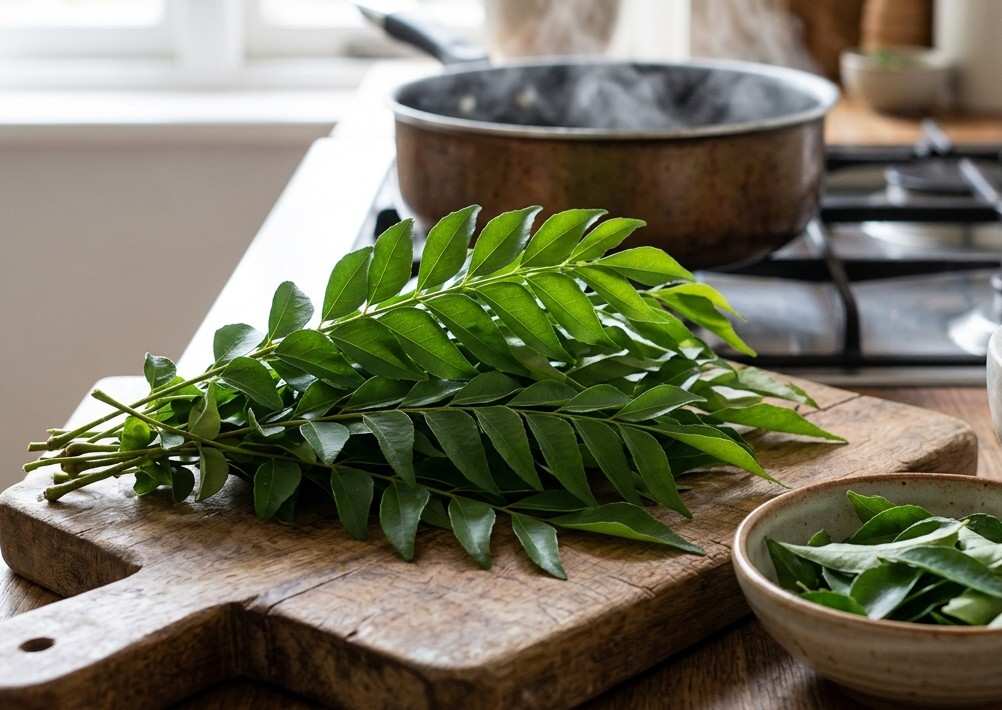
Curry leaves (Murraya koenigii) are aromatic green leaves widely used in Indian, Sri Lankan, and Southeast Asian cooking. While many people know them for their distinct flavor, curry leaves are also valued in traditional Ayurvedic medicine for their impressive nutritional profile and potential health benefits.
Rich in antioxidants, vitamins, minerals, and plant compounds such as alkaloids, flavonoids, and carbazole compounds, curry leaves may support digestion, heart health, blood sugar management, healthy skin, and hair growth. Although they should not replace medical treatment, adding fresh curry leaves to a balanced diet can contribute to overall wellness.
This guide explores the nutrition, science-backed benefits, side effects, medicinal uses, dosage, precautions, and practical ways to include curry leaves in your daily routine.
What are Curry Leaves?
Curry leaves are the fresh leaves of the Murraya koenigii tree, a tropical plant belonging to the citrus family (Rutaceae). Native to India and Sri Lanka, the tree is now cultivated across Asia, Australia, and other tropical regions.
Unlike curry powder, curry leaves are a natural herb with a fresh citrus-like aroma and slightly bitter, earthy flavor. They are commonly added to curries, soups, dals, chutneys, rice dishes, and stir-fries.
In Ayurveda, curry leaves have traditionally been used to support digestion, regulate blood sugar, improve hair health, and promote overall vitality.
Nutrition Facts of Curry Leaves
| Nutrient | Amount (Per 100 g Fresh Leaves) |
|---|---|
| Calories | 108 kcal |
| Carbohydrates | 18.7 g |
| Protein | 6.1 g |
| Fat | 1.0 g |
| Dietary Fiber | 6.4 g |
| Calcium | 830 mg |
| Phosphorus | 57 mg |
| Iron | 0.9 mg |
| Magnesium | 44 mg |
| Potassium | 530 mg |
| Vitamin A | High |
| Vitamin C | Moderate |
| Vitamin E | Small Amount |
| Antioxidants | Rich Source |
Values are approximate and may vary depending on growing conditions.
20 Proven Health Benefits of Curry Leaves
- Rich in Antioxidants: Curry leaves contain powerful antioxidants that help protect cells from oxidative stress and free radical damage.
- Supports Healthy Digestion: They may stimulate digestive enzymes and help reduce bloating, indigestion, and constipation.
- May Help Control Blood Sugar: Research suggests curry leaves may improve insulin function and support healthy blood glucose levels.
- Promotes Heart Health: Their antioxidant and fiber content may contribute to healthier cholesterol and cardiovascular function.
- Supports Weight Management: Curry leaves are low in calories and may help improve fat metabolism when combined with a healthy lifestyle.
- Improves Liver Health: Traditional studies indicate they may help protect liver cells from oxidative damage.
- Supports Healthy Cholesterol Levels: Some studies suggest curry leaves may help lower LDL cholesterol while supporting HDL cholesterol.
- Strengthens Immunity: Vitamins A, C, and beneficial plant compounds contribute to normal immune function.
- Supports Eye Health: Vitamin A and antioxidants help maintain healthy vision.
- May Reduce Inflammation: Natural anti-inflammatory compounds may help reduce chronic inflammation in the body.
- Supports Hair Growth: Curry leaves have long been used to nourish hair follicles and promote stronger hair.
- Improves Skin Health: Their antioxidants may help protect skin from environmental damage and premature aging.
- May Help Prevent Anemia: Iron and folate contribute to healthy red blood cell production.
- Supports Bone Health: High calcium content helps maintain strong bones and teeth.
- May Possess Antibacterial Properties: Certain plant compounds may inhibit the growth of harmful bacteria.
- Supports Brain Function: Antioxidants may help protect brain cells and support cognitive health.
- May Help Reduce Nausea: Traditionally, curry leaves have been used to ease mild nausea and stomach discomfort.
- Supports Kidney Health: Their antioxidant activity may contribute to normal kidney function as part of a healthy diet.
- May Help Reduce Oxidative Stress: Bioactive compounds help neutralize harmful free radicals throughout the body.
- Supports Overall Wellness: Regular consumption as part of a balanced diet provides multiple nutrients that contribute to long-term health.
10 Side Effects of Curry Leaves
- Allergic Reactions: Some individuals may develop itching, rash, or swelling after consuming curry leaves.
- Digestive Discomfort: Large amounts may occasionally cause stomach upset or loose stools.
- May Lower Blood Sugar Too Much: People taking diabetes medications should monitor blood sugar levels.
- Possible Drug Interactions: Curry leaves may interact with medications that affect blood sugar.
- Excess Fiber Intake: Consuming excessive quantities may lead to bloating or gas.
- Not a Medical Treatment: Curry leaves should not replace prescribed medications.
- Quality Concerns: Contaminated or pesticide-treated leaves may pose health risks.
- Individual Sensitivity: Some people may experience digestive intolerance.
- Pregnancy Safety Data is Limited: Culinary amounts are generally considered safe, but medicinal doses should be discussed with a healthcare provider.
- Excess Consumption: Eating unusually large amounts offers no proven additional benefits and may increase digestive discomfort.
How to Eat Curry Leaves?
There are many simple ways to enjoy curry leaves:
- Chew 8–10 fresh leaves on an empty stomach.
- Add them to vegetable curries.
- Mix into lentils (dal).
- Blend into chutneys.
- Add to soups.
- Include in rice dishes.
- Use in herbal tea.
- Mix into smoothies.
- Add to buttermilk.
- Sprinkle over salads after finely chopping.
Tips for Consuming Curry Leaves
- Choose fresh, dark green leaves.
- Wash thoroughly before use.
- Consume fresh whenever possible.
- Pair with a balanced diet.
- Avoid excessive intake.
- Store properly to preserve nutrients.
- Use organic leaves whenever available.
- Include them regularly rather than occasionally.
How to Use Curry Leaves?
Curry leaves are versatile and can be used in several ways:
- Fresh in cooking
- Dried and powdered
- Herbal tea
- Homemade chutneys
- Spice seasoning
- Hair oil infusion
- Hair masks
- Face masks
- Herbal decoctions
- Ayurvedic preparations
Other Uses of Curry Leaves
- Natural Hair Conditioner: Curry leafs are commonly infused into oils to nourish hair.
- Homemade Face Packs: Ground curry leafs may be mixed with yogurt or aloe vera for skincare.
- Herbal Tea Ingredient: Fresh or dried leaves can be brewed into herbal tea.
- Natural Flavoring Agent: They enhance the aroma of many savory dishes.
- Traditional Ayurvedic Remedies: Curry leaves are used in several herbal formulations.
- Homemade Spice Powder: Dried leaves can be blended with spices for seasoning.
- Food Garnishing: Fresh leaves add color and aroma to meals.
- Natural Insect Repellent: The aromatic leaves may help repel certain insects.
Curry Leaves Medicinal Uses
Traditionally, curry leafs have been used to support:
- Digestive health
- Blood sugar management
- Cholesterol balance
- Liver protection
- Hair nourishment
- Skin health
- Wound healing
- Immune support
- Inflammation management
- General wellness
Although traditional use is extensive, more high-quality human studies are needed to confirm many of these medicinal effects.
How Much Curry Leaves Can You Eat in a Day?
Most healthy adults can safely consume:
- Fresh leaves: 8–15 leaves daily
- Dried powder: 1–2 teaspoons daily
- Herbal tea: 1–2 cups daily
Moderation is recommended, especially for people taking medications for diabetes or other chronic conditions.
| Form | Suggested Daily Amount |
|---|---|
| Fresh Leaves | 8–15 leaves |
| Dried Powder | 1–2 teaspoons |
| Tea | 1–2 cups |
| Juice | 20–30 ml |
Always follow your healthcare provider’s advice if using curry leafs therapeutically.
Best Time to Eat Curry Leaves
The best time depends on your purpose:
- Morning on an empty stomach for traditional wellness practices.
- With breakfast to support digestion.
- During lunch or dinner in cooked meals.
- Before meals if consumed as herbal tea.
- Consistently each day for long-term benefits.
Who Should Eat Curry Leaves?
- Adults Seeking Better Nutrition: Curry leafs provide vitamins, minerals, and antioxidants.
- People Looking to Support Digestion: They may help improve digestive comfort.
- Individuals Managing Blood Sugar: They may complement a healthy diabetes-friendly diet under medical supervision.
- People Interested in Heart Health: Curry leafs contain nutrients that support cardiovascular wellness.
- Those Wanting Healthy Hair: Traditional use suggests benefits for hair nourishment.
- Individuals Seeking Antioxidants: They are rich in protective plant compounds.
- People Following Plant-Based Diets: Curry leafs add nutrients to vegetarian and vegan meals.
- Health-Conscious Individuals: They are a flavorful way to increase intake of beneficial herbs.
Who Should Avoid Curry Leaves?
- People Allergic to Curry Leaves: Avoid consumption if allergic reactions occur.
- Individuals with Severe Plant Allergies: Use cautiously and consult a healthcare provider.
- People with Frequent Low Blood Sugar: Monitor blood sugar carefully.
- Those Taking Diabetes Medications: Medical advice is recommended before consuming large amounts regularly.
- Individuals Preparing for Surgery: Discuss herbal use with your healthcare provider.
- People Using Herbal Supplements: Avoid excessive intake without professional guidance.
How to Store Curry Leaves?
- Refrigerate Fresh Leaves: Store in an airtight container for up to two weeks.
- Freeze for Long Storage: Frozen leaves retain much of their flavor.
- Dry Naturally: Air-dry leaves before storing.
- Use Airtight Containers: Protect dried leaves from moisture.
- Keep Away from Sunlight: Store in a cool, dark place.
- Avoid Moisture: Moisture encourages mold growth.
- Check Before Use: Discard leaves with mold or unpleasant odor.
Precautions and Interactions
- Consult Your Healthcare Provider: Seek medical advice before using medicinal amounts.
- Monitor Blood Sugar: Diabetic individuals should check glucose levels regularly.
- Avoid Excessive Intake: More is not always better.
- Use Fresh, Clean Leaves: Wash thoroughly before eating.
- Do Not Replace Prescribed Medication: Curry leafs are a supportive food, not a treatment.
- Watch for Allergic Symptoms: Stop use if itching, rash, or swelling develops.
- Pregnancy and Breastfeeding: Culinary use is generally acceptable, but medicinal doses should be discussed with a healthcare professional.
- Purchase from Reliable Sources: Choose high-quality, pesticide-free leaves whenever possible.
FAQ’s
What do Curry Leaves taste like?
Curry leaf have a unique citrusy, slightly bitter, nutty, and aromatic flavor that becomes more pronounced when cooked.
What are curry leaves called in India?
Curry leaves are known by different names across India, including Kadi Patta (Hindi), Karivepaku (Telugu), Karuveppilai (Tamil), Karibevu (Kannada), Kariveppila (Malayalam), and Kadipatta (Marathi).
Can I eat 20 curry leaves daily?
For most healthy adults, eating 20 fresh curry leaf occasionally is generally considered safe. However, a daily intake of 8–15 leaves is usually sufficient for general wellness. If you have diabetes or take medications, consult your healthcare provider before consuming large amounts regularly.
Can diabetic patients eat curry leaves?
Yes. Curry leaf may help support healthy blood sugar levels and can be included as part of a balanced diabetes-friendly diet. However, they should not replace prescribed diabetes medications, and blood sugar should be monitored regularly.
What are curry leaves good for?
Curry leaf are rich in antioxidants, vitamins, and minerals that may support digestion, heart health, blood sugar management, healthy skin, and hair.
Can I eat curry leaves every day?
Yes. Most healthy adults can safely eat 8–15 fresh curry leaf daily as part of a balanced diet.
Is it better to eat curry leaves raw or cooked?
Both are beneficial. Raw leaves retain more heat-sensitive nutrients, while cooked leaves still provide antioxidants and flavor.
Can curry leaves help lower blood sugar?
Some studies suggest curry leaf may help support healthy blood sugar levels, but they should not replace diabetes medication.
Are curry leaves good for weight loss?
They may support weight management when combined with a healthy diet and regular exercise, but they are not a weight-loss miracle food.
Can curry leaves improve hair growth?
Traditionally, curry leaf have been used to nourish hair follicles and support stronger, healthier hair.
Are curry leaves good for the liver?
Research suggests curry leaf contain antioxidants that may help protect liver cells from oxidative stress.
Can pregnant women eat curry leaves?
Yes, curry leaf are generally safe in normal food amounts during pregnancy. Consult your healthcare provider before taking medicinal doses or supplements.
Are curry leaves safe for children?
Yes. Curry leaf are safe for children when used in regular cooking and age-appropriate portions.
Can curry leaves reduce cholesterol?
Some studies suggest curry leaf may help support healthy cholesterol levels when combined with a healthy lifestyle.
Sources / References:
- National Center for Biotechnology Information (NCBI)
- USDA FoodData Central
- World Health Organization (WHO)
- National Institutes of Health (NIH)
- Harvard T.H. Chan School of Public Health
- Indian Council of Medical Research (ICMR)
About the Author:
Written by: Kirti Solanki (Health Content Researcher)
Kirti Solanki is a Health Content Researcher who creates evidence-based, reader-friendly articles on nutrition, wellness, herbal remedies, and healthy living. Every article is thoroughly researched using trusted medical and scientific sources to provide accurate, practical, and up-to-date health information.
Disclaimer:
This guide is for educational purposes only and should not be considered medical advice. Curry leaves are not intended to diagnose, treat, cure, or prevent any disease. Always consult a qualified healthcare professional before making significant dietary changes or using herbs for medicinal purposes, especially if you are pregnant, breastfeeding, have a medical condition, or take prescription medications.
Also Read: