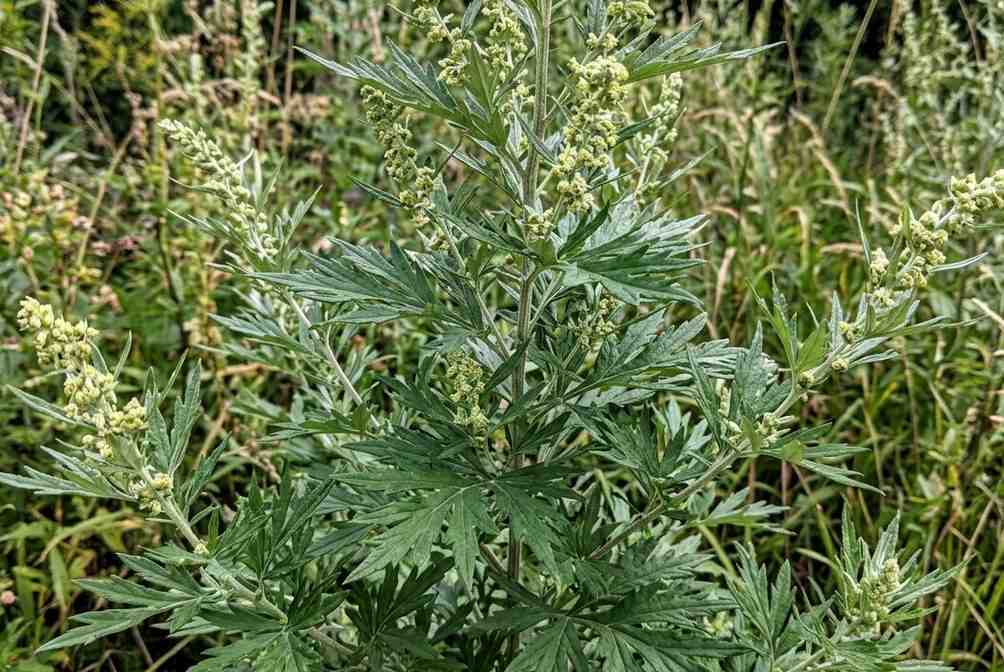
Mugwort (Artemisia vulgaris) is a traditional medicinal herb that has been used for centuries across Asia, Europe, and North America. It belongs to the same plant family as wormwood, sunflower, and daisies. Historically, mugwort has been valued in traditional Chinese medicine, Ayurveda, and European herbal practices for supporting digestion, women’s health, relaxation, and overall wellness.
Today, mugwort is commonly consumed as an herbal tea, dietary supplement, tincture, or dried herb. It is also used in practices such as moxibustion, an ancient therapy in Traditional Chinese Medicine (TCM). While scientific research is still developing, mugwort contains several beneficial plant compounds, including flavonoids, essential oils, phenolic acids, and antioxidants that may contribute to its health-promoting properties. Like any herbal remedy, mugwort (also known as Wild Wormwood, Felon Herb, or Cronewort) should be used responsibly.
What is Mugwort?
Mugwort is a perennial herb scientifically known as Artemisia vulgaris. It grows naturally across Europe, Asia, and North America and can reach heights of up to 6 feet. The plant has dark green leaves with a silvery underside and produces small reddish or yellowish flowers.
Traditionally, mugwort has been used to:
- Make herbal tea
- Prepare tinctures and extracts
- Flavor certain foods
- Support digestive health
- Promote relaxation
- Assist traditional women’s health practices
- Perform moxibustion therapy in Traditional Chinese Medicine
The herb contains naturally occurring compounds such as quercetin, rutin, camphor, cineole, and volatile oils that contribute to its medicinal properties.
Components of Mugwort
| Nutrient | Amount (Per 100 g Fresh Leaves) |
|---|---|
| Calories | 44 kcal |
| Protein | 3 g |
| Carbohydrates | 8 g |
| Fiber | 4 g |
| Fat | 0.6 g |
| Vitamin A | High |
| Vitamin C | Moderate |
| Vitamin K | High |
| Calcium | Moderate |
| Iron | Moderate |
| Potassium | Moderate |
| Magnesium | Small amounts |
| Manganese | Small amounts |
| Antioxidants | Rich source |
| Flavonoids | Present |
| Essential Oils | Present |
Values are approximate and vary depending on growing conditions and preparation.
20 Proven Health Benefits of Mugwort
- Supports Healthy Digestion: Mugwort has traditionally been used to stimulate digestion and relieve occasional bloating.
- Rich in Antioxidants: Its natural antioxidants help protect cells from oxidative stress.
- May Promote Better Sleep: Mugwort tea has long been used as a calming nighttime beverage in traditional herbal medicine.
- Supports Relaxation: Certain plant compounds may help promote a feeling of calm and relaxation.
- May Help Reduce Mild Menstrual Discomfort: Traditional herbal practices have used mugwort to support menstrual comfort.
- Supports Appetite: Bitter compounds may naturally stimulate appetite and digestive secretions.
- May Ease Occasional Gas: Mugwort has traditionally been used to reduce intestinal gas and digestive discomfort.
- Contains Anti-Inflammatory Compounds: Flavonoids and phenolic compounds may help support a healthy inflammatory response.
- Supports Liver Function: Traditional medicine has used mugwort to promote normal liver health.
- May Help Maintain Healthy Circulation: Some herbal traditions associate mugwort with improved blood circulation.
- Supports Gut Health: Its natural plant compounds may contribute to overall digestive wellness.
- Provides Vitamin K: Vitamin K supports normal blood clotting and bone health.
- Contains Vitamin A: Vitamin A contributes to healthy vision, skin, and immune function.
- May Support Immune Health: Antioxidants and phytonutrients may help support normal immune function.
- May Help Reduce Occasional Stress: Drinking warm mugwort tea may encourage relaxation after a busy day.
- Supports Traditional Moxibustion Therapy: Dried Wild wormwood is widely used in Traditional Chinese Medicine during moxibustion.
- May Help Reduce Mild Muscle Tension: Herbal preparations have traditionally been applied for temporary muscle comfort.
- Supports Healthy Skin: Antioxidant compounds may contribute to healthier-looking skin.
- May Help Combat Free Radical Damage: Polyphenols help neutralize harmful free radicals.
- Used in Traditional Herbal Medicine for Centuries: Its long history of traditional use continues to make it one of the world’s most recognized medicinal herbs.
10 Side Effects of Mugwort
- Allergic Reactions: People allergic to ragweed, daisies, chrysanthemums, or related plants may develop allergic reactions.
- Pregnancy Concerns: Mugwort may stimulate uterine contractions and should not be used during pregnancy.
- Breastfeeding Safety Unknown: There is insufficient evidence regarding its safety while breastfeeding.
- Digestive Upset: Excessive intake may cause nausea, stomach discomfort, or diarrhea.
- Possible Skin Irritation: Fresh mugwort may irritate sensitive skin in some individuals.
- Drug Interactions: Wild wormwood may interact with certain medications, particularly blood-thinning drugs.
- Headache: Large amounts may occasionally trigger headaches in sensitive individuals.
- Dizziness: Excessive consumption may cause mild dizziness in rare cases.
- Potential Toxicity from Essential Oil: Concentrated mugwort essential oil should never be consumed unless directed by a qualified professional.
- May Worsen Existing Allergies: Individuals with seasonal pollen allergies may experience stronger allergic symptoms.
How to Use Mugwort?
Mugwort is available in several forms:
- Herbal tea
- Dried herb
- Capsules
- Liquid extracts
- Tinctures
- Powder
- Fresh leaves (limited culinary use)
- Essential oil (external use only)
- Moxibustion sticks
Always follow the dosage instructions provided with commercial supplements.
Tips for Consuming Mugwort
- Start with a small amount to assess tolerance.
- Drink mugwort tea in moderation.
- Purchase products from reputable brands.
- Avoid prolonged daily use unless advised by a healthcare professional.
- Do not consume mugwort essential oil internally.
- Stop use immediately if allergic symptoms occur.
- Consult your healthcare provider before combining Wild wormwood with medications.
Other Uses of Mugwort
- Traditional Moxibustion: Dried Wild wormwood is burned near acupuncture points during moxibustion therapy.
- Herbal Tea: The leaves are brewed into a mildly bitter herbal tea.
- Cooking Herb: Young leaves are occasionally used to flavor soups, rice dishes, and meats.
- Natural Insect Repellent: Dried Wild wormwood has traditionally been used to repel insects.
- Aromatherapy: The herb is sometimes included in herbal sachets for its earthy aroma.
- Garden Companion Plant: Wild wormwood is occasionally grown to help deter certain garden pests.
- Decorative Herb: Its attractive foliage makes it suitable for ornamental gardens.
- Traditional Herbal Baths: Mugwort leaves have been used in herbal bath preparations.
- Incense Making: Dried Wild wormwood is used in natural incense blends.
- Craft Projects: The dried stems and leaves are sometimes used in floral arrangements and wreaths.
How Much Mugwort Can You Take in a Day?
There is currently no official Recommended Daily Allowance (RDA) for mugwort.
General herbal guidance includes:
- Tea: 1–2 cups daily
- Dried herb: 1–3 grams per day
- Capsules: Follow the manufacturer’s label
- Tincture: Use according to product instructions or healthcare advice
Avoid excessive or long-term use without professional guidance.
Dosage depends on the preparation:
| Form | Typical Dosage |
| Tea | 1–2 cups daily |
| Dried Herb | 1–3 g daily |
| Capsules | Follow label |
| Tincture | As directed |
| Powder | Follow label |
Consult a qualified healthcare professional for individualized dosing.
Best Time to Take Mugwort
The best time depends on your reason for using it.
- Morning: To support digestion before meals.
- Afternoon: For digestive comfort after eating.
- Evening: As a relaxing herbal tea before bedtime.
Avoid taking large amounts on an empty stomach if you experience digestive sensitivity.
Who Should Take Mugwort?
- Adults Seeking Digestive Support: It may help support healthy digestion.
- Individuals Looking for Herbal Relaxation: Mugwort tea may encourage relaxation.
- People Interested in Traditional Herbal Medicine: It has a long history of traditional use.
- Those Seeking Antioxidants: Wild wormwood provides beneficial antioxidant compounds.
- Healthy Adults Using Herbal Supplements Responsibly: Occasional use may complement a balanced lifestyle.
Who Should Avoid Mugwort?
- Pregnant Women: Wild wormwood should be avoided because of potential uterine stimulation.
- Breastfeeding Mothers: Safety has not been well established.
- People with Ragweed Allergies: Cross-reactivity may trigger allergic reactions.
- Children: Use only under medical supervision.
- Individuals Taking Blood Thinners: Consult your healthcare provider before use.
- People with Severe Seasonal Allergies: Wild wormwood pollen may worsen symptoms.
- Those with Known Herb Allergies: Avoid if previously allergic to Artemisia species.
How to Store Mugwort?
- Keep in an Airtight Container: Protects freshness and aroma.
- Store in a Cool Place: Avoid excessive heat.
- Keep Away from Moisture: Prevents mold growth.
- Protect from Sunlight: Light may reduce potency.
- Seal Properly After Opening: Helps maintain quality.
- Check Expiration Date: Discard expired herbal products.
Precautions and Interactions
- Consult Your Doctor First: Especially if you have chronic medical conditions.
- Avoid During Pregnancy: Wild wormwood is not considered safe during pregnancy.
- Monitor for Allergic Reactions: Stop use if itching, swelling, or rash occurs.
- Use Supplements Carefully: Purchase products from trusted manufacturers.
- Avoid Excessive Consumption: More is not always better.
- Discuss Medication Use: Ask your healthcare provider about possible interactions.
- Do Not Replace Medical Treatment: Mugwort should complement—not replace—professional healthcare.
- Use Essential Oil Externally Only: Internal use may be unsafe.
- Avoid Long-Term Self-Medication: Extended use should be supervised by a qualified professional.
- Follow Product Instructions: Always use herbal products according to label directions.
FAQ’s
What is mugwort used for?
Wild wormwood is traditionally used to support digestion, relaxation, menstrual health, and overall wellness. It is also commonly used in herbal teas and Traditional Chinese Medicine.
What does mugwort taste like?
Wild wormwood has a slightly bitter, earthy, and herbal flavor with mild aromatic notes.
Can mugwort help you sleep?
Some people drink Wild wormwood tea before bedtime because it has traditionally been used to promote relaxation, although more scientific research is needed.
Is mugwort good for digestion?
Yes. Wild wormwood has long been used in traditional herbal medicine to help stimulate digestion and relieve occasional bloating and gas.
Can pregnant women take mugwort?
No. Wild wormwood is generally not recommended during pregnancy because it may stimulate uterine contractions.
Is mugwort safe while breastfeeding?
There is not enough reliable research to confirm its safety during breastfeeding, so it is best to avoid it unless advised by a healthcare provider.
Is mugwort good for skin?
Wild wormwood contains antioxidant and anti-inflammatory compounds that may support healthy skin, and it is commonly included in some skincare products.
Can I eat fresh mugwort?
Yes. Young Wild wormwood leaves can be eaten in small amounts and are sometimes added to soups, rice dishes, and traditional recipes.
What is mugwort called in India?
Mugwort is not widely cultivated in India and has no single common Indian name. It is generally known by its botanical name, Artemisia vulgaris, or simply as mugwort.
Can I consume mugwort every day?
Wild wormwood can be consumed occasionally in moderate amounts, such as 1–2 cups of tea daily, but long-term daily use is not recommended without medical advice.
Is mugwort safe for children?
Wild wormwood is generally not recommended for children unless prescribed or supervised by a qualified healthcare professional.
Is mugwort hallucinogenic?
No. Wild wormwood is not considered hallucinogenic. Although some people claim it enhances dreams, there is no strong scientific evidence that it causes hallucinations.
What do Koreans use mugwort for?
In Korea, mugwort (ssuk) is commonly used in teas, soups, rice cakes, and traditional medicine to support digestion, women’s health, and overall wellness.
Does mugwort make your period come?
Traditionally, Wild wormwood has been used to support menstrual flow, but there is limited scientific evidence. It should not be used to induce menstruation.
Does mugwort make you sleepy?
Wild wormwood may promote relaxation in some people, but there is limited evidence that it directly causes sleepiness.
What does mugwort do to your hormones?
There is no strong scientific evidence that Wild wormwood directly changes hormone levels in humans.
Does mugwort increase blood flow?
Traditional herbal medicine suggests Wild wormwood may support healthy circulation, but more human studies are needed.
Does mugwort affect fertility?
There is no reliable evidence that Wild wormwood improves fertility. Because of its potential effects on the uterus, it should be avoided during pregnancy.
What is the best way to consume mugwort?
The most common way is as herbal tea, though it is also available as capsules, tinctures, and dried herbs.
What are the healing properties of mugwort?
Wild wormwood contains antioxidants and plant compounds that may support digestion, relaxation, and a healthy inflammatory response.
Can you eat raw mugwort?
Yes. Young Wild wormwood leaves can be eaten in small amounts, but they have a bitter taste and are more commonly cooked or brewed as tea.
Can mugwort be taken internally?
Yes. Wild wormwood can be taken internally as tea, capsules, powders, or tinctures when used according to product directions.
Does mugwort raise blood pressure?
There is no strong evidence that Wild wormwood raises blood pressure in healthy adults.
What happens if you take too much mugwort?
Excessive intake may cause stomach upset, nausea, dizziness, allergic reactions, or other unwanted side effects.
Is mugwort good for insomnia?
Wild wormwood has traditionally been used to promote relaxation before bedtime, but scientific evidence for treating insomnia is limited.
Does mugwort affect serotonin?
There is currently no strong scientific evidence that Wild wormwood directly affects serotonin levels.
Does mugwort reduce anxiety?
Some people find Wild wormwood calming, but more research is needed to confirm its effectiveness for anxiety.
Is mugwort a sedative?
Wild wormwood is not classified as a sedative, although it may have mild relaxing effects in some individuals.
Can mugwort cause seizures?
There have been rare reports that concentrated Wild wormwood essential oil may be toxic. People with seizure disorders should consult a healthcare provider before using Wild wormwood.
What are the medicinal benefits of mugwort?
Wild wormwood has traditionally been used to support digestion, relaxation, menstrual comfort, circulation, and overall wellness.
What is the ancient use of mugwort?
Ancient cultures used mugwort in herbal medicine, cooking, rituals, and Traditional Chinese Medicine, especially in moxibustion therapy.
Why is mugwort called the dream herb?
Wild wormwood earned the nickname “dream herb” because some people believe it promotes vivid dreams, although scientific evidence is limited.
What is the spiritual power of mugwort?
In various traditions, wild wormwood has been used in spiritual rituals for cleansing and protection. These are cultural beliefs and are not supported by scientific evidence.
Are wormwood and mugwort the same?
No. Mugwort (Artemisia vulgaris) and wormwood (Artemisia absinthium) are different species, although both belong to the Artemisia genus.
What does mugwort heal?
Wild wormwood is traditionally used to support digestive health, relaxation, menstrual wellness, and general well-being. It is not proven to cure diseases.
Is mugwort available in India?
Yes. Wild wormwood is available in India through herbal stores, Ayurvedic retailers, health food shops, and online marketplaces, usually as dried leaves, tea, capsules, or herbal supplements.
Sources / References:
- National Center for Complementary and Integrative Health (NCCIH)
- National Institutes of Health (NIH)
- MedlinePlus
- PubMed
- World Health Organization (WHO)
- European Medicines Agency (EMA) Herbal Monographs
- Memorial Sloan Kettering Cancer Center – Herbs Database
About the Author
Written by: Kirti Solanki (Health Content Researcher)
Kirti Solanki is a Health Content Researcher who creates evidence-based, reader-friendly wellness articles using information from reputable medical organizations and peer-reviewed scientific literature. Every article is carefully researched to provide accurate, practical, and trustworthy health information.
Disclaimer
This guide is for educational purposes only and is not intended to diagnose, treat, cure, or prevent any disease. Herbal supplements may not be suitable for everyone. Always consult a qualified healthcare professional before starting any new herbal product, especially if you are pregnant, breastfeeding, have a medical condition, or take prescription medications.
Also Read: