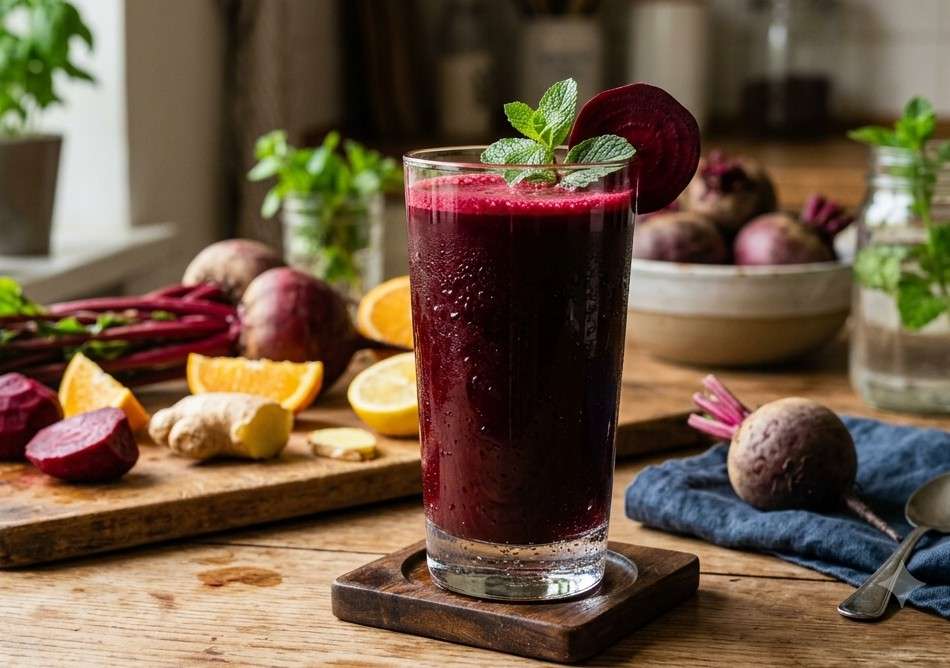
Beet juice has become one of the most popular natural health drinks due to its impressive nutrient profile and research-backed health benefits. Made by extracting the juice from fresh beets, this vibrant red beverage is packed with dietary nitrates, antioxidants, vitamins, and minerals that may support heart health, improve exercise performance, and promote overall wellness.
Whether you’re an athlete looking for a natural performance boost or simply trying to add more nutrient-rich foods to your diet, beet juice can be a healthy addition when consumed in moderation. In this guide, you’ll learn what beet juice is, its nutritional value, and the science-backed benefits it may offer.
What is Beet Juice?
Beet juice is a nutritious beverage made by juicing fresh beetroot (Beta vulgaris). It has an earthy, slightly sweet flavor and a naturally deep red or purple color due to pigments called betalains.
Beet juice is especially rich in natural nitrates, which the body converts into nitric oxide. Nitric oxide helps relax and widen blood vessels, improving blood flow and oxygen delivery throughout the body. Along with nitrates, beet juice provides antioxidants, folate, potassium, vitamin C, manganese, and other plant compounds that contribute to its many health benefits. Many people drink beet juice before workouts to enhance endurance, while others enjoy it daily as part of a heart-healthy diet.
Nutrition Facts of Beet Juice
| Nutrient | Amount (Per 1 240 ml of unsweetened beet juice) |
|---|---|
| Calories | 100 kcal |
| Carbohydrates | 23 g |
| Natural Sugars | 20 g |
| Protein | 2 g |
| Fat | 0.2 g |
| Dietary Fiber | 0–1 g |
| Folate (Vitamin B9) | 20–25% DV |
| Potassium | 400–500 mg |
| Vitamin C | 6–10% DV |
| Iron | 4–6% DV |
| Magnesium | 6–8% DV |
| Manganese | 15–20% DV |
| Phosphorus | 5–7% DV |
| Calcium | 2% DV |
| Sodium | 100–120 mg |
| Natural Nitrates | High |
Note: Nutritional values vary depending on the beet variety, preparation method, and whether the juice is freshly made or commercially packaged.
20 Proven Health Benefits of Beet Juice
1. Supports Healthy Blood Pressure
The natural nitrates in beet juice increase nitric oxide production, helping relax blood vessels and support healthy blood pressure levels in many adults.
2. Improves Exercise Performance
Research suggests beet juice may increase stamina, allowing muscles to use oxygen more efficiently during endurance activities such as running, cycling, and swimming.
3. Enhances Athletic Endurance
Athletes often consume beet juice before training because dietary nitrates may help delay fatigue and improve overall physical performance.
4. Promotes Better Blood Circulation
Nitric oxide widens blood vessels, improving circulation and helping oxygen and nutrients reach tissues throughout the body more effectively.
5. Supports Heart Health
The combination of nitrates, potassium, antioxidants, and folate may help maintain cardiovascular health and support healthy blood vessel function.
6. Rich in Powerful Antioxidants
Beet juice contains betalains, polyphenols, and vitamin C that help protect cells from oxidative stress caused by free radicals.
7. May Help Reduce Inflammation
The betalain pigments found in beets have anti-inflammatory properties that may help lower markers of inflammation in the body.
8. Supports Healthy Brain Function
Improved blood flow from increased nitric oxide production may enhance circulation to the brain, potentially supporting memory and cognitive function, especially in older adults.
9. Helps Increase Oxygen Delivery
Better blood flow allows oxygen to reach muscles and organs more efficiently, supporting physical performance and recovery.
10. Provides Essential Vitamins and Minerals
Beet juice is a good source of folate, potassium, manganese, magnesium, and other nutrients that contribute to normal metabolism, nerve function, and overall health.
11. May Support Liver Health
Beet juice contains betalains and other antioxidants that may help protect liver cells from oxidative stress and support the liver’s natural detoxification processes.
12. Supports Healthy Digestion
Although juicing removes much of the fiber, beet juice still contains natural compounds that may encourage healthy digestion and support normal bowel function when paired with a balanced diet.
13. May Help Improve Recovery After Exercise
The nitrates and antioxidants in beet juice may reduce muscle soreness and promote faster recovery following intense physical activity.
14. Helps Maintain Healthy Potassium Levels
Beet juice provides potassium, an essential mineral that supports muscle contractions, nerve signaling, and fluid balance in the body.
15. Supports Red Blood Cell Formation
Its folate content contributes to the production of healthy red blood cells, making beet juice a nutritious addition to a balanced diet.
16. May Support Healthy Immune Function
Vitamin C and naturally occurring antioxidants help protect immune cells from oxidative damage and support normal immune function.
17. Helps Protect Cells from Oxidative Stress
Betalains and polyphenols help neutralize free radicals, reducing cellular damage that contributes to aging and chronic disease.
18. May Support Healthy Skin
The vitamins, minerals, and antioxidants in beet juice help support collagen production and protect skin cells from environmental stressors.
19. May Help Maintain Healthy Cholesterol Levels
When combined with a heart-healthy diet and active lifestyle, beet juice may contribute to maintaining healthy cholesterol levels already within the normal range.
20. Supports Overall Wellness
Regular, moderate consumption of beet juice can provide valuable nutrients that support cardiovascular health, physical performance, and general well-being.
10 Side Effects of Beet Juice
1. May Cause Pink or Red Urine
Drinking beet juice can temporarily turn urine or stools pink or red, a harmless condition known as beeturia.
2. May Increase Kidney Stone Risk
Because beet juice is high in oxalates, excessive intake may increase the risk of kidney stones in susceptible individuals.
3. May Lower Blood Pressure Too Much
People with naturally low blood pressure or those taking blood pressure medications should consume beet juice carefully, as it may further reduce blood pressure.
4. May Cause Digestive Discomfort
Some individuals may experience bloating, gas, stomach cramps, or mild diarrhea after consuming large amounts.
5. May Increase Blood Sugar Intake
Although it contains natural sugars, drinking excessive amounts may contribute to a higher carbohydrate intake, particularly for people managing diabetes.
6. May Trigger Allergic Reactions
Rarely, some individuals may experience itching, rash, swelling, or other allergic symptoms after consuming beet juice.
7. May Interact with Certain Medications
Beet juice may enhance the effects of medications that lower blood pressure or improve blood flow.
8. May Cause Mild Nausea
Drinking a large serving on an empty stomach may cause nausea or stomach discomfort in sensitive individuals.
9. May Affect Kidney Health in Sensitive Individuals
People with chronic kidney disease should consult their healthcare provider before drinking beet juice regularly because of its potassium content.
10. May Cause Temporary Stomach Upset
Introducing large amounts too quickly may result in temporary digestive changes until the body adjusts.
How to Make Beet Juice?
Ingredients:
- 2 medium fresh beets
- 1 apple (optional, for natural sweetness)
- 1 carrot (optional)
- ½ lemon
- ½ inch fresh ginger (optional)
- ½ cup water (if using a blender)
Instructions:
- Wash the beets thoroughly and peel if desired.
- Chop the beets into small pieces.
- Add the beet pieces, apple, carrot, ginger, and water to a blender.
- Blend until smooth.
- Strain through a fine mesh sieve or cheesecloth if you prefer a smoother juice.
- Stir in fresh lemon juice.
- Serve immediately over ice or chill before drinking.
Tips for Consuming Beet Juice
- Start with a small serving to see how your body responds.
- Choose fresh, unsweetened beet juice whenever possible.
- Drink it 2–3 hours before exercise for potential performance benefits.
- Pair beet juice with a balanced diet rich in fruits and vegetables.
- Refrigerate fresh juice and consume it within 24–48 hours.
- Avoid adding refined sugar.
- Mix with carrot, apple, celery, or ginger for a milder flavor.
- Shake well before drinking if the juice has separated.
- Drink in moderation rather than consuming large amounts at once.
- Consult your healthcare provider if you have kidney disease or take medications that affect blood pressure.
Other Uses of Beet Juice
- Added to smoothies for extra nutrients.
- Used as a natural food coloring in baking and desserts.
- Mixed into salad dressings and vinaigrettes.
- Frozen into popsicles for a refreshing snack.
- Added to soups for color and flavor.
- Used in marinades for vegetables.
- Blended into sports recovery drinks.
- Combined with citrus juices for a nutrient-rich beverage.
- Used in homemade wellness shots.
- Incorporated into healthy mocktails.
How Much Beet Juice Can You Drink in a Day?
Most healthy adults can safely drink 120–250 ml (½–1 cup) of beet juice per day as part of a balanced diet.
Athletes often consume 250–500 ml approximately 2–3 hours before exercise to maximize the potential performance benefits associated with dietary nitrates. However, higher amounts are not always necessary and may increase the risk of digestive discomfort.
If you’re new to beet juice, begin with about 120 ml (½ cup) and gradually increase your intake if tolerated.
Best Time to Drink Beet Juice
- Before Exercise: About 2–3 hours before a workout to support endurance and oxygen utilization.
- In the Morning: A nutritious way to start the day with vitamins, minerals, and antioxidants.
- With Breakfast: Pairing it with a balanced meal may help reduce stomach discomfort.
- Before Endurance Activities: Ideal before running, cycling, swimming, or other aerobic exercise.
- Consistently: Drinking moderate amounts regularly is generally more beneficial than consuming large amounts occasionally.
Who Should Drink Beet Juice?
- People with High Blood Pressure: Beet juice may help support healthy blood pressure levels due to its natural nitrate content.
- Athletes and Active Individuals: It may improve endurance, exercise efficiency, and recovery when consumed before physical activity.
- Older Adults: Improved blood flow may support healthy brain and cardiovascular function as part of a balanced lifestyle.
- People Looking to Support Heart Health: Beet juice provides nitrates, potassium, folate, and antioxidants that contribute to cardiovascular wellness.
- Individuals Seeking More Antioxidants: Its betalains and vitamin C help protect cells from oxidative stress.
- Vegetarians and Vegans: Beet juice can contribute valuable vitamins and minerals to plant-based diets.
- People with Physically Demanding Jobs: Improved oxygen delivery may help support energy and stamina throughout the day.
- Fitness Enthusiasts: It is a natural pre-workout beverage that may enhance exercise performance.
- People Following a Healthy Lifestyle: Beet juice can be part of a balanced diet rich in fruits and vegetables.
- Adults Looking for a Nutrient-Rich Drink: It offers a convenient way to increase intake of essential vitamins and minerals.
Who Should Avoid Beet Juice?
- People with Kidney Stones: Beet juice is high in oxalates, which may increase the risk of calcium oxalate kidney stones in susceptible individuals.
- Individuals with Chronic Kidney Disease: The potassium content may not be suitable for people with impaired kidney function unless advised by a healthcare provider.
- People with Low Blood Pressure: Beet juice may further lower blood pressure and cause dizziness or lightheadedness.
- Those Taking Blood Pressure Medications: Combining juice with antihypertensive medications may enhance blood pressure-lowering effects.
- People Allergic to Beets: Anyone with a known beet allergy should avoid beet juice.
- Individuals with Sensitive Digestion: Large servings may cause bloating, stomach discomfort, or diarrhea in some people.
- People on a Low-Oxalate Diet: Those advised to limit oxalate intake should avoid drinking beet juice regularly.
- Individuals with Diabetes: Because beet juice contains natural sugars, portion control is important, especially if blood sugar management is a concern.
- People Preparing for Certain Medical Procedures: Consult your healthcare provider if dietary nitrate intake needs to be limited before a medical test or procedure.
- Anyone Advised by Their Healthcare Provider to Limit Potassium: Follow individualized medical advice regarding juice consumption.
How to Store Beet Juice?
- Refrigerate Immediately: Store freshly prepared juice in the refrigerator as soon as possible.
- Use an Airtight Glass Bottle: Glass containers help preserve freshness and reduce exposure to air.
- Consume Within 24–48 Hours: Fresh juice is best enjoyed within two days for optimal flavor and nutrient retention.
- Keep Away from Direct Sunlight: Store the juice in a cool, dark place until refrigerated.
- Do Not Leave at Room Temperature: Avoid leaving fresh juice out for more than two hours.
- Freeze for Longer Storage: Freeze beet juice in freezer-safe containers or ice cube trays for up to three months.
- Leave Space When Freezing: Liquids expand during freezing, so avoid filling containers to the top.
- Shake Before Drinking: Natural separation is normal; shake well before serving.
- Discard if It Smells Sour: Do not consume juice with an unpleasant odor, unusual taste, or signs of spoilage.
- Label the Storage Date: Mark the preparation date to help ensure freshness.
Precautions and Interactions
While beet juice is generally safe for most healthy adults, moderation is important. Its naturally high nitrate content may interact with medications used to lower blood pressure, potentially increasing their effects. Individuals taking antihypertensive drugs, nitrate medications, or medications that affect blood flow should consult a healthcare professional before drinking beet juice regularly.
Because beet juice is rich in oxalates, people with a history of kidney stones should discuss appropriate intake with their healthcare provider. Those with chronic kidney disease or individuals on potassium-restricted diets should also seek medical advice before consuming juice frequently.
If you are pregnant, breastfeeding, have a chronic medical condition, or are preparing for surgery or specialized medical testing, consult your physician before making significant changes to your diet. If you experience dizziness, severe digestive symptoms, or an allergic reaction after drinking juice, discontinue use and seek medical attention promptly.
FAQ’s
What does Beet Juice taste like?
Juice has an earthy, slightly sweet flavor. Mixing it with apple, carrot, lemon, or ginger can make it taste milder.
How long does it take for Beet Juice to work?
For exercise performance, drink juice 2–3 hours before activity. Heart health and blood pressure benefits may require regular consumption over time.
What does Beet Juice smell like?
Juice has a fresh, earthy aroma similar to raw beets.
Is Beet Juice safe for children?
Yes, in moderation. It can be part of a balanced diet, but parents should consult a pediatrician before giving it regularly to young children.
How to make beetroot juice to increase blood?
Blend 2 fresh beets with 1 carrot, 1 apple, and a little water. Add lemon juice and serve fresh. Beetroot provides folate and vitamin C, which support healthy red blood cell production.
What will happen if I drink beetroot juice daily for 30 days?
Drinking ½–1 cup (120–250 ml) daily may support heart health, circulation, and exercise performance. Excessive intake may cause red urine, digestive upset, or increase kidney stone risk in some people.
What is beet juice good for?
Juice is rich in dietary nitrates, antioxidants, vitamins, and minerals that may support heart health, healthy blood pressure, exercise performance, and overall wellness.
Can I drink beetroot juice daily?
Yes, most healthy adults can drink ½–1 cup (120–250 ml) of juice daily as part of a balanced diet.
Does beet juice lower blood pressure?
Research suggests that the natural nitrates in juice may help support healthy blood pressure by improving blood vessel function.
Can beet juice help with exercise performance?
Yes. Studies indicate that juice may improve endurance, oxygen efficiency, and stamina during prolonged physical activity.
Can people with diabetes drink beet juice?
Yes, but in moderation. Juice contains natural sugars, so people with diabetes should monitor portion sizes and consult their healthcare provider if needed.
Why does beet juice turn urine or stools red?
Juice may cause beeturia, a harmless condition that temporarily turns urine or stools pink or red due to the natural pigments in beets.
Can beet juice cause kidney stones?
Juice is high in oxalates, so excessive consumption may increase the risk of kidney stones in people who are prone to them.
Is homemade beet juice healthier than store-bought?
Fresh homemade juice is often preferred because it contains no added sugars or preservatives and retains more natural nutrients.
Can you drink beet juice on an empty stomach?
Yes, many people can. However, if it causes stomach discomfort or nausea, drink it with a meal instead.
How long does fresh beet juice last?
Fresh juice should be stored in an airtight container in the refrigerator and consumed within 24–48 hours.
Can pregnant women drink beet juice?
Juice can be part of a healthy pregnancy diet due to its folate content, but pregnant women should consult their healthcare provider before drinking it regularly.
Sources / References:
- National Institutes of Health (NIH) – Office of Dietary Supplements
- MedlinePlus (U.S. National Library of Medicine)
- Harvard T.H. Chan School of Public Health – The Nutrition Source
- American Heart Association
- Academy of Nutrition and Dietetics
- National Health Service (NHS)
- Cleveland Clinic
About the Author:
Written by: Kirti Solanki (Health Content Researcher)
Kirti Solanki is a Health Content Researcher who creates evidence-based, reader-friendly articles on nutrition, wellness, and healthy living using trusted medical sources and scientific research.
Disclaimer:
This guide is for informational purposes only and is not a substitute for professional medical advice, diagnosis, or treatment. Always consult your healthcare provider before making changes to your diet or health routine.
Also Read: