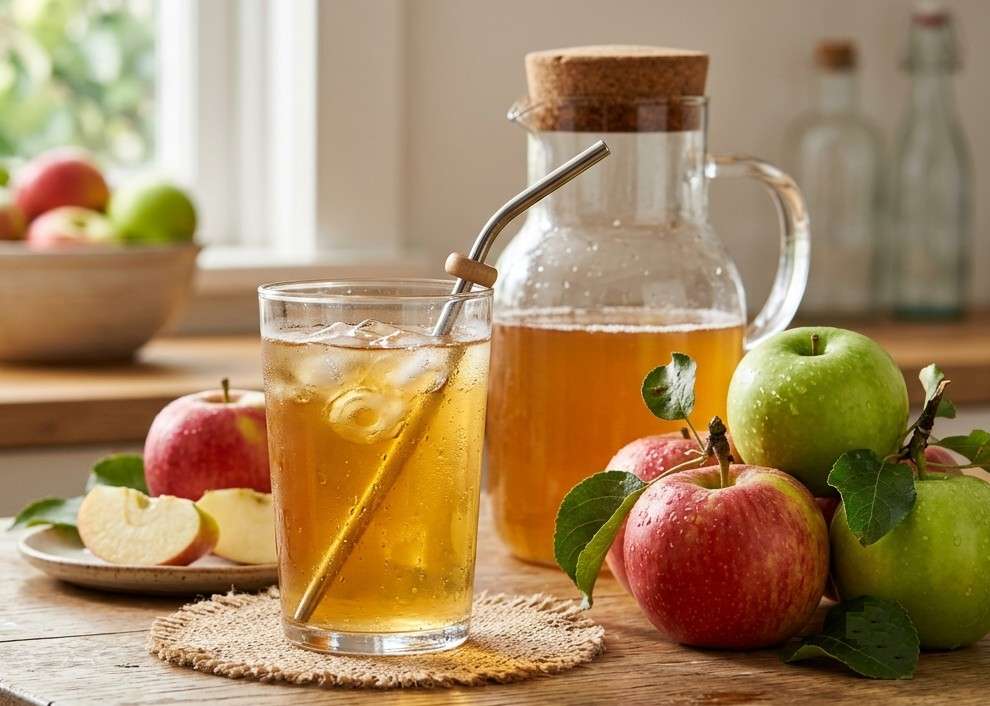
Apple juice is one of the world’s most popular fruit beverages, enjoyed for its naturally sweet taste, refreshing flavor, and nutritional value. Made by extracting juice from fresh apples, it contains essential vitamins, minerals, antioxidants, and plant compounds that may support overall health when consumed in moderation. While whole apples remain the healthier option because of their fiber content, 100% pure apple juice can still be a nutritious addition to a balanced diet.
This guide explores the nutrition, proven health benefits, potential side effects, preparation methods, storage tips, and safe consumption guidelines for apple juice.
What is Apple Juice?
Apple juice is a beverage prepared by pressing or blending fresh apples and separating the liquid from the pulp. It may be available as:
- Fresh homemade apple juice
- Cloudy (unfiltered) apple juice
- Clear filtered apple juice
- Pasteurized bottled apple juice
- Cold-pressed apple juice
Unlike whole apples, apple juice contains little or no dietary fiber because most of the pulp is removed during processing. However, it still provides natural fruit sugars, vitamin C (when fortified), potassium, and beneficial polyphenol antioxidants.
Nutrition Facts of Apple Juice (Per 100 ml)
| Nutrient | Amount |
|---|---|
| Calories | 46 kcal |
| Water | 88% |
| Carbohydrates | 11.3 g |
| Natural Sugars | 10 g |
| Protein | 0.1 g |
| Fat | 0.1 g |
| Fiber | 0.1 g |
| Potassium | 101 mg |
| Vitamin C | 1–10 mg (varies by product) |
| Calcium | 8 mg |
| Magnesium | 5 mg |
| Phosphorus | 7 mg |
| Sodium | 4 mg |
Values may vary depending on apple variety and processing method.
20 Science-Backed Health Benefits of Apple Juice
- Rich in Antioxidants: Apple juice contains polyphenols and flavonoids that help protect cells from oxidative stress.
- Supports Heart Health: Regular consumption of 100% apple juice may help improve blood vessel function and support cardiovascular wellness.
- May Reduce Inflammation: Natural plant compounds may help lower inflammation associated with chronic diseases.
- Provides Quick Energy: Natural fruit sugars offer a fast source of energy before or after physical activity.
- Helps Maintain Hydration: Its high water content contributes to daily fluid intake.
- Supports Immune Function: Vitamin C helps strengthen the body’s immune defenses.
- May Improve Brain Health: Apple polyphenols may protect brain cells from oxidative damage.
- Supports Healthy Blood Circulation: Potassium helps regulate blood pressure and circulation.
- May Promote Healthy Skin: Vitamin C supports collagen production and healthy-looking skin.
- Supports Kidney Function: Adequate hydration from apple juice may contribute to normal kidney function.
- Provides Essential Minerals: It supplies potassium and small amounts of magnesium and calcium.
- May Support Digestive Health: Cloudy apple juice contains small amounts of natural compounds that may support digestion.
- Contains Beneficial Plant Compounds: Flavonoids and phenolic acids contribute to overall wellness.
- May Help Reduce Oxidative Stress: Antioxidants help neutralize harmful free radicals.
- Supports Exercise Recovery: Natural carbohydrates replenish energy stores after workouts.
- May Improve Blood Vessel Function: Research suggests apple polyphenols may support healthy endothelial function.
- Can Increase Fruit Intake: Drinking 100% apple juice may help people who struggle to eat enough fruit.
- Supports Healthy Aging: Antioxidants may help protect cells from age-related damage.
- Naturally Fat-Free: Juice contains virtually no fat, making it suitable for low-fat diets.
- Refreshing and Convenient: It provides an easy way to stay hydrated while enjoying natural fruit flavor.
10 Side Effects of Apple Juice
- High Natural Sugar Content: Drinking excessive amounts may increase daily sugar intake.
- Low in Fiber: Apple juice lacks the fiber found in whole apples, making it less filling.
- May Raise Blood Sugar Quickly: Large servings can cause rapid increases in blood glucose.
- Can Cause Weight Gain: Excess calorie intake from juice may contribute to unwanted weight gain.
- May Lead to Tooth Decay: Frequent exposure to natural fruit sugars can damage tooth enamel.
- Digestive Discomfort: Drinking too much may cause bloating or diarrhea in sensitive individuals.
- Not Ideal for Diabetes Without Guidance: Portion control is important for people with diabetes.
- May Trigger Allergies: Rarely, individuals allergic to apples may experience reactions.
- Can Interact with Certain Diet Plans: High-sugar beverages may not fit low-carb eating plans.
- Risk from Unpasteurized Juice: Raw juice may contain harmful bacteria if not prepared hygienically.
How to Make Apple Juice at Home?
Ingredients:
- 4–5 fresh apples
- ½ cup cold water (optional)
- Lemon juice (optional)
Instructions:
- Wash the apples thoroughly.
- Remove the seeds and core.
- Cut into small pieces.
- Blend with a little water if needed.
- Strain through a fine mesh sieve or cheesecloth if desired.
- Add a few drops of lemon juice to reduce browning.
- Serve immediately or chill before drinking.
Tips for Consuming Apple Juice
- Choose 100% pure apple juice without added sugar.
- Prefer cloudy or unfiltered juice for higher polyphenol content.
- Drink in moderation.
- Pair it with meals to reduce blood sugar spikes.
- Avoid replacing whole fruits with juice regularly.
- Drink chilled for better taste.
- Rinse your mouth with water afterward to protect teeth.
- Avoid excessive daily intake.
Other Uses of Apple Juice
- Smoothie ingredient
- Homemade popsicles
- Fruit jelly preparation
- Marinades for meat
- Salad dressings
- Baking cakes and muffins
- Homemade fruit syrups
- Apple-based sauces
- Natural beverage mixes
- Healthy mocktails
How Much Apple Juice Can You Drink in a Day?
Moderation is important because juice contains concentrated natural sugars.
General recommendations:
- Children (1–3 years): Up to 120 ml (4 oz)
- Children (4–6 years): Up to 180 ml (6 oz)
- Older children: Up to 240 ml (8 oz)
- Healthy adults: Around 150–250 ml (5–8 oz) of 100% apple juice daily as part of a balanced diet
Whole apples are generally a better everyday choice because they provide significantly more fiber and promote better satiety.
Best Time to Drink Apple Juice
- Morning with breakfast
- Before exercise for quick energy
- After workouts for carbohydrate replenishment
- Mid-morning snack
- Afternoon refreshment
Avoid drinking large amounts immediately before bedtime.
Who Should Drink Apple Juice?
- Healthy Adults: Can enjoy moderate amounts as part of a balanced diet.
- Athletes: Natural carbohydrates help replenish energy after exercise.
- Children: Small portions provide vitamins and hydration.
- Older Adults: Easy to consume when chewing whole fruits is difficult.
- People Recovering from Illness: May help maintain hydration and calorie intake.
- Busy Individuals: Offers a convenient fruit-based beverage option.
- Vegetarians: Can contribute to daily fruit consumption.
- People with Poor Appetite: Provides energy in an easy-to-drink form.
Who Should Avoid Apple Juice?
- People with Poorly Controlled Diabetes: High natural sugar may affect blood glucose levels.
- Individuals Following Low-Carbohydrate Diets: Juice contains concentrated carbohydrates.
- People Trying to Lose Weight: Frequent consumption may add excess calories.
- Infants Under One Year: Juice is generally not recommended unless advised by a healthcare provider.
- Individuals with Apple Allergy: Should avoid apple juice completely.
- People with Frequent Tooth Decay: Sugary drinks may worsen dental problems.
- People with Chronic Digestive Disorders: Large servings may aggravate gastrointestinal symptoms.
- Individuals Sensitive to Fructose: May experience bloating or digestive discomfort.
How to Store Apple Juice?
- Refrigerate Immediately: Fresh juice should be refrigerated within two hours.
- Use Airtight Containers: Prevents oxidation and contamination.
- Consume Homemade Juice Quickly: Drink within 24–48 hours for best quality.
- Freeze for Longer Storage: Freeze in suitable containers for several months.
- Keep Away from Heat: High temperatures reduce freshness.
- Avoid Direct Sunlight: Light may degrade certain nutrients.
- Do Not Leave at Room Temperature: Fresh juice spoils rapidly.
- Check Before Drinking: Discard juice with unusual smell, taste, or appearance.
Precautions and Interactions
Although juice is generally safe, several precautions should be considered:
- Drink in moderation because of its natural sugar content.
- People with diabetes should monitor portion sizes.
- Prefer 100% juice without added sugars.
- Avoid unpasteurized juice during pregnancy, in older adults, young children, and immunocompromised individuals due to the risk of foodborne illness.
- Individuals with kidney disease should consult their healthcare provider regarding potassium intake if advised to limit it.
- Apple juice may contribute to blood sugar fluctuations when consumed on an empty stomach in large amounts.
- If you take medications or follow a therapeutic diet, consult your physician or registered dietitian before making significant dietary changes.
FAQ’s
What does apple juice taste like?
Juice has a naturally sweet, fruity flavor with a mild tartness, depending on the apple variety.
Can I drink apple juice every day?
Yes, 100% real juice can be enjoyed daily in moderation. About 150–250 ml (5–8 oz) per day is suitable for most healthy adults.
How long does it take for apple juice to work?
Juice is quickly absorbed and may provide an energy boost within 15–30 minutes.
What does apple juice smell like?
Juice has a fresh, sweet, and fruity aroma, especially when freshly made.
What is apple juice good for?
Juice helps with hydration, provides quick energy, and supplies antioxidants and essential nutrients.
Which is better, water or apple juice?
Water is the best choice for daily hydration, while juice is best enjoyed occasionally as a nutritious beverage.
Is apple juice good for your kidneys?
In moderation, juice can support hydration for healthy individuals. People with kidney disease should consult their healthcare provider.
Why do hospitals give apple juice?
Hospitals may serve juice to provide quick energy, hydration, or as part of a clear liquid diet.
What organ is apple juice good for?
Juice is most beneficial for heart health due to its antioxidant content and may also support brain health.
Is apple juice good for seniors?
Yes, in moderation, juice can help seniors stay hydrated and provide natural energy.
Should I drink apple juice on an empty stomach?
Yes, but drinking it with a meal may help reduce rapid blood sugar spikes.
Is apple juice good for a fatty liver?
People with fatty liver should limit juice because of its natural sugar content. Whole apples are generally a better choice.
Is apple juice healthy?
Yes, 100% pure juice can be a healthy beverage when consumed in moderation. It provides antioxidants, potassium, and vitamin C (if fortified), but whole apples are generally healthier because they contain more fiber.
Is apple juice good for weight loss?
Juice is not a weight-loss drink. While it can fit into a healthy diet, whole apples are a better choice because their fiber helps keep you full longer.
Can people with diabetes drink apple juice?
People with diabetes can drink small portions of 100% pure juice, but they should monitor blood sugar levels and consult their healthcare provider or dietitian for personalized advice.
Is homemade apple juice better than store-bought?
Homemade juice is often fresher and free from added sugars or preservatives. However, pasteurized store-bought 100% pure juice is a safe and convenient option.
Can children drink apple juice?
Yes, children can drink juice in age-appropriate portions. It is best to choose 100% juice without added sugar and avoid giving excessive amounts.
Does apple juice help with digestion?
Juice may support hydration and mild digestion, but whole apples are more effective because they contain significantly more dietary fiber.
Is apple juice good for the skin?
Juice contains antioxidants and vitamin C, which may help support healthy skin by protecting cells from oxidative stress and promoting collagen production.
How long does homemade apple juice last?
Fresh homemade juice typically lasts 24–48 hours when stored in an airtight container in the refrigerator.
Is cloudy apple juice healthier than clear apple juice?
Cloudy juice generally contains more beneficial plant compounds and antioxidants because it retains more of the apple’s natural pulp.
Can apple juice cause constipation?
Juice is more commonly associated with relieving mild constipation in some people due to its natural sorbitol content, but excessive amounts may cause diarrhea instead.
Is apple juice safe during pregnancy?
Pasteurized 100% pure juice is generally considered safe during pregnancy when consumed in moderation. Pregnant women should avoid unpasteurized juice due to the risk of harmful bacteria.
Sources / References:
- U.S. Department of Agriculture (USDA) FoodData Central
- Harvard T.H. Chan School of Public Health – The Nutrition Source
- American Heart Association
- Centers for Disease Control and Prevention (CDC)
- National Institutes of Health (NIH)
- Academy of Nutrition and Dietetics
- World Health Organization (WHO)
- American Academy of Pediatrics
About the Author:
Written by: Kirti Solanki (Health Content Researcher)
Kirti Solanki is a health content researcher who creates evidence-based wellness articles using information from reputable medical organizations, nutrition guidelines, and peer-reviewed scientific research. Every article is written to provide accurate, practical, and reader-friendly health information while encouraging consultation with qualified healthcare professionals for personalized advice.
Disclaimer:
This guide is intended for educational and informational purposes only and should not be considered medical advice, diagnosis, or treatment. Always consult a qualified healthcare professional before making significant dietary or lifestyle changes, especially if you have a medical condition, are pregnant, breastfeeding, or are taking prescription medications.
Also Read: