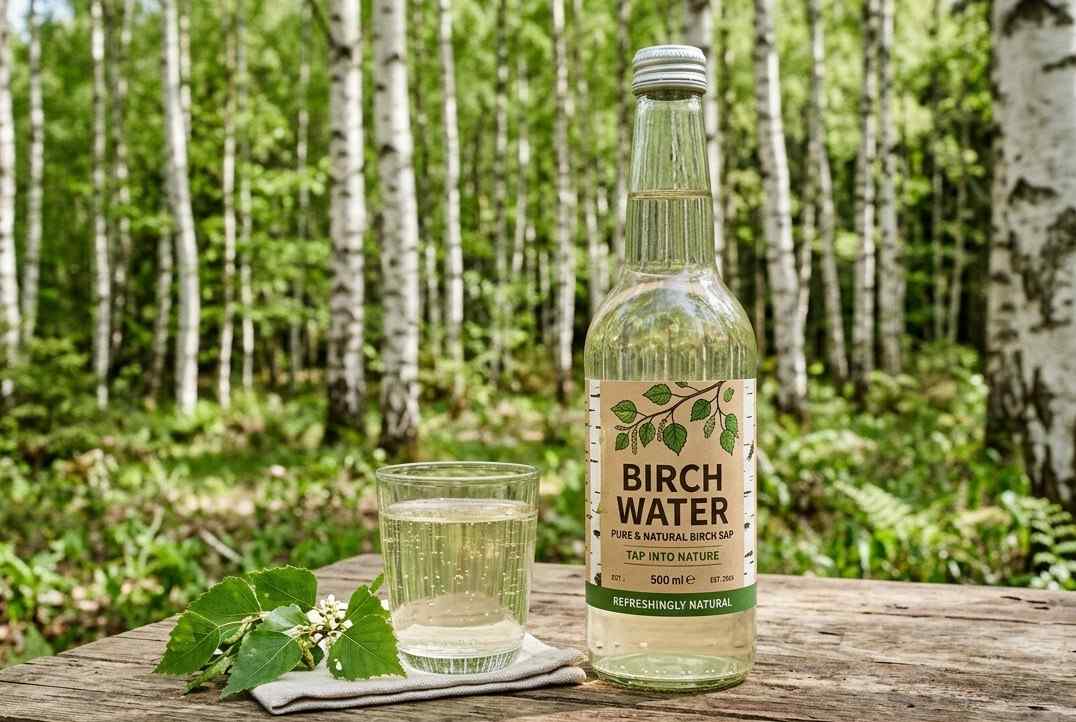
Birch water (commonly known as birch sap or birch juice) has gained popularity as a natural wellness beverage due to its refreshing taste and unique nutritional profile. Harvested directly from birch trees during early spring, this clear sap has been consumed for centuries in Northern and Eastern Europe. Traditionally valued as a seasonal tonic, birch water is now recognized worldwide as a natural hydration drink rich in minerals, antioxidants, and plant compounds.
Unlike sugary soft drinks and artificial beverages, birch water is naturally low in calories and contains beneficial nutrients that may support hydration, immunity, skin health, and overall well-being. As interest in plant-based and natural beverages continues to grow, birch water has emerged as an appealing alternative for health-conscious consumers.
What is Birch Water?
Birch water, also known as birch sap, is a clear liquid collected from birch trees, primarily during early spring when the trees begin transporting nutrients from their roots to their branches and buds.
The sap is harvested by carefully tapping the trunk of the birch tree, allowing the liquid to flow naturally without harming the tree. Fresh birch water has a mildly sweet taste due to its natural sugars and contains a variety of vitamins, minerals, amino acids, antioxidants, and phytonutrients.
For centuries, birch water has been used in traditional medicine and wellness practices across countries such as Finland, Russia, Estonia, Latvia, and Poland.
Nutrition Facts of Birch Water
The nutritional content may vary depending on the species of birch tree, soil conditions, and harvesting season.
| Nutrient | Amount per 100 ml |
|---|---|
| Calories | 5–15 kcal |
| Carbohydrates | 1–3 g |
| Natural Sugars | 1–2.5 g |
| Protein | 0.1–0.3 g |
| Fat | 0 g |
| Potassium | 20–50 mg |
| Calcium | 5–20 mg |
| Magnesium | 1–5 mg |
| Manganese | Trace amounts |
| Zinc | Trace amounts |
| Iron | Trace amounts |
| Vitamin C | Small amounts |
| Amino Acids | Present |
| Antioxidants | Present |
| Water Content | Over 95% |
20 Proven Health Benefits of Birch Water
- Supports Hydration: Birch water contains over 95% water, helping maintain proper hydration levels throughout the day.
- Provides Natural Electrolytes: Its naturally occurring minerals may help replenish electrolytes lost through sweating.
- Low in Calories: Birch water offers hydration with significantly fewer calories than many commercial beverages.
- Rich in Antioxidants: Antioxidant compounds help combat oxidative stress and cellular damage.
- Supports Immune Function: Vitamins, minerals, and plant compounds may contribute to healthy immune responses.
- Promotes Healthy Skin: Antioxidants and hydration may improve skin appearance and elasticity.
- May Reduce Inflammation: Certain bioactive compounds in birch sap have shown anti-inflammatory properties in studies.
- Supports Detoxification Processes: Traditional use suggests birch sap may support the body’s natural cleansing mechanisms.
- May Support Kidney Health: Adequate hydration from birch water may assist normal kidney function.
- Promotes Healthy Digestion: The fluid content may aid digestive processes and regular bowel movements.
- Supports Heart Health: Potassium and antioxidants may contribute to cardiovascular wellness.
- May Help Control Blood Pressure: Potassium may assist in maintaining healthy blood pressure levels.
- Contains Beneficial Amino Acids: Naturally occurring amino acids support various metabolic functions.
- Supports Energy Production: Minerals and natural sugars may provide gentle energy support.
- May Enhance Recovery After Exercise: Electrolytes and hydration may aid post-workout recovery.
- Supports Bone Health: Trace amounts of calcium and magnesium contribute to bone maintenance.
- May Promote Healthy Liver Function: Traditional practices have long associated birch sap with liver support.
- Supports Healthy Metabolism: Nutrients found in birch sap may assist metabolic processes.
- May Improve Overall Wellness: Regular hydration and nutrient intake contribute to general health.
- Offers a Natural Beverage Alternative: Birch sap provides a healthier alternative to many sugary drinks.
10 Side Effects of Birch Water
- Allergic Reactions: Individuals allergic to birch pollen may experience allergic symptoms after consuming birch water.
- Digestive Discomfort: Excessive consumption may cause bloating or stomach upset in sensitive individuals.
- Blood Sugar Concerns: Although low in sugar, people with diabetes should monitor their intake.
- Cross-Reactivity Issues: Individuals with certain fruit allergies may experience oral allergy symptoms.
- Potential Medication Interactions: Some compounds may interact with specific medications.
- Risk of Contamination: Improperly collected or stored birch sap may contain harmful microorganisms.
- Excessive Mineral Intake: Very large quantities could contribute to excess mineral consumption.
- Possible Skin Reactions: Rare allergic reactions may include itching or skin irritation.
- May Affect Sensitive Individuals: Some people may experience mild headaches or digestive changes.
- Not Suitable for Everyone: Certain health conditions may require caution before consumption.
How to Make Birch Water?
Ingredients:
- Fresh birch sap collected from a healthy birch tree
- Clean collection container
- Fine strainer or cheesecloth
Instructions:
- Select a mature and healthy birch tree.
- Drill a small hole into the trunk during early spring.
- Insert a food-safe tap or spout.
- Collect the sap in a sterilized container.
- Strain the liquid to remove debris.
- Refrigerate immediately after collection.
- Consume within a few days for maximum freshness.
Tips for Consuming Birch Water
- Drink it chilled for a refreshing experience.
- Consume fresh birch sap whenever possible.
- Use it as a post-workout hydration beverage.
- Add lemon, mint, or berries for extra flavor.
- Include it in smoothies and health drinks.
- Start with small amounts if trying it for the first time.
- Choose unsweetened products when purchasing commercially.
- Check labels for added sugars and preservatives.
- Stay within moderate daily consumption limits.
- Pair it with a balanced diet for best results.
Other Uses of Birch Water
Birch water is versatile and can be used in many ways beyond drinking:
- Natural ingredient in smoothies.
- Base for herbal teas.
- Ingredient in soups and broths.
- Used in fermented beverages.
- Added to skincare products.
- Included in facial mists and toners.
- Used in homemade hair rinses.
- Mixed into wellness shots.
- Used in natural cosmetic formulations.
- Ingredient in functional beverages.
How Much Birch Water Can You Drink in a Day?
Most healthy adults can generally consume:
- 1–2 cups (250–500 ml) daily for regular hydration.
- Up to 1 liter daily may be suitable for some healthy individuals.
- First-time users should begin with smaller amounts to assess tolerance.
- Excessive intake is generally unnecessary and may increase the risk of digestive discomfort.
Individual needs vary based on age, activity level, health status, and dietary habits.
Best Time to Drink Birch Water
- Morning on an empty stomach for hydration.
- Before meals as a refreshing beverage.
- After exercise for fluid replenishment.
- During hot weather to support hydration.
- Mid-afternoon as a natural energy boost.
- Throughout the day as part of a healthy fluid intake routine.
Who Should Drink Birch Water?
- Active Individuals: Natural hydration and electrolytes may support physical activity and recovery.
- Athletes: Birch water may help replenish fluids lost during exercise.
- People Seeking Low-Calorie Drinks: It provides hydration with minimal calories.
- Health-Conscious Individuals: Its nutrient profile appeals to those pursuing wellness-focused lifestyles.
- Individuals Looking for Natural Beverages: Birch sap offers a plant-based alternative to processed drinks.
- People Interested in Functional Foods: It contains naturally occurring bioactive compounds.
- Those Seeking Skin Support: Hydration and antioxidants may benefit skin health.
- Adults Wanting Better Hydration: It can contribute to daily fluid requirements.
- Individuals Reducing Sugary Drink Intake: Birch sap can replace higher-sugar beverage options.
- People Exploring Traditional Wellness Practices: Birch sap has a long history of traditional use.
Who Should Avoid Birch Water?
- People with Birch Pollen Allergies: Cross-reactivity may trigger allergic responses.
- Individuals with Severe Tree Allergies: Allergic reactions may occur in sensitive individuals.
- People with Certain Fruit Allergies: Oral allergy syndrome may be possible.
- Individuals with Unexplained Allergic Conditions: Medical guidance should be sought before use.
- People Taking Specific Medications: Professional advice may be needed regarding interactions.
- Individuals with Chronic Kidney Disease: Mineral intake should be discussed with a healthcare provider.
- People with Serious Medical Conditions: Consultation with a healthcare professional is recommended.
- Those Experiencing Previous Reactions: Avoid further consumption if adverse reactions occurred.
- Individuals with Compromised Immunity: Fresh, unpasteurized sap may carry contamination risks.
- People Advised Against Herbal Products: Medical guidance should be followed.
How to Store Birch Water?
- Refrigerate Immediately: Fresh birch sap should be chilled soon after collection.
- Use Clean Containers: Store in sterilized, food-grade containers.
- Keep Airtight: Proper sealing helps maintain freshness.
- Avoid Direct Sunlight: Sun exposure can accelerate spoilage.
- Consume Quickly: Fresh sap is best consumed within a few days.
- Freeze for Long-Term Storage: Freezing can extend shelf life.
- Check for Odor Changes: Discard if an unusual smell develops.
- Monitor Appearance: Avoid consuming if cloudiness or mold appears.
- Prevent Temperature Fluctuations: Consistent refrigeration preserves quality.
- Label Storage Dates: Track freshness and expiration periods.
Precautions and Interactions
While birch water is generally considered safe for most healthy individuals, several precautions should be kept in mind:
- Individuals with birch pollen allergies should exercise caution.
- Consult a healthcare provider before regular consumption if pregnant or breastfeeding.
- People taking prescription medications should discuss potential interactions with a healthcare professional.
- Avoid consuming spoiled or improperly stored birch sap.
- Commercial products may contain added sugars, flavors, or preservatives, so read labels carefully.
- Those with chronic kidney disease should seek medical advice before increasing intake.
- Introduce birch sap gradually to assess individual tolerance.
- Discontinue use if allergic symptoms occur.
- Children should consume only moderate amounts under adult supervision.
- Use reputable sources when purchasing birch sap products.
Conclusion
Birch water is a naturally refreshing beverage harvested from birch trees and valued for its hydration, minerals, antioxidants, and traditional health benefits. Its low-calorie nature, pleasant taste, and nutrient content make it an attractive alternative to sugary drinks. While research continues to explore its full health potential, current evidence suggests that birch sap may support hydration, skin health, recovery, and overall wellness.
Like any natural product, it should be consumed responsibly and stored properly. Most healthy adults can enjoy birch sap as part of a balanced diet, while individuals with allergies or certain medical conditions should consult a healthcare professional before regular use.
FAQ’s
What does birch water taste like?
Birch sap has a light, slightly sweet, and refreshing taste with subtle woody and earthy notes.
Is birch water good for hydration?
Yes, birch sap is over 95% water and contains natural electrolytes that can help support hydration.
Can birch water help with weight loss?
Birch sap is low in calories and can be a healthier alternative to sugary beverages, which may support weight-management efforts when combined with a balanced diet.
Is birch water safe to drink every day?
Most healthy adults can safely enjoy birch sap daily in moderate amounts as part of a healthy lifestyle.
Does birch water contain caffeine?
No, birch sap is naturally caffeine-free.
Is birch water better than coconut water?
Both beverages offer hydration and minerals. Birch sap is generally lower in sugar and calories, while coconut water typically contains more potassium.
Can people with diabetes drink birch water?
People with diabetes can usually consume birch sap in moderation, but they should monitor blood sugar levels and choose unsweetened varieties.
Does birch water contain electrolytes?
Yes, birch sap naturally contains electrolytes such as potassium, calcium, and magnesium.
Is birch water good for the skin?
Its hydration properties and antioxidant content may help support healthy-looking skin.
Can birch water improve digestion?
Adequate hydration from birch sap may help support normal digestive function and regular bowel movements.
Is birch water suitable for children?
Yes, birch sap can be consumed by children in moderation, preferably without added sugars or artificial ingredients.
Can pregnant women drink birch water?
Pregnant women should consult their healthcare provider before regularly consuming birch sap, especially unpasteurized products.
How long does birch water last after opening?
Once opened, birch sap should usually be refrigerated and consumed within a few days, following the manufacturer’s instructions.
Does birch water contain sugar?
Yes, birch sap naturally contains small amounts of sugar, but it is generally lower in sugar than many fruit juices and soft drinks.
Can birch water cause allergies?
Yes, individuals with birch pollen allergies may experience allergic reactions and should use caution.
Is birch water vegan?
Yes, birch sap is a plant-based beverage and is suitable for vegans and vegetarians.
Can birch water be used in smoothies?
Yes, birch sap can be used as a nutritious liquid base for smoothies, shakes, and wellness drinks.
Is fresh birch water better than bottled birch water?
Fresh birch sap may contain more natural compounds, while bottled versions offer convenience and a longer shelf life.
Does birch water contain antioxidants?
Yes, birch sap contains natural antioxidants that may help protect cells from oxidative stress.
Can birch water support kidney health?
Proper hydration from birch sap may support normal kidney function, but individuals with kidney disease should consult a healthcare professional before use.
Is birch water worth drinking?
For those seeking a natural, low-calorie, plant-based hydration option, birch sap can be a refreshing and nutritious choice.
How long does it take for Birch Water to work?
Birch sap provides hydration immediately, while potential wellness benefits may become noticeable with regular consumption over time.
What does Birch Water smell like?
Birch sap has a very mild, fresh, slightly woody aroma with subtle earthy notes.
What is Birch Water good for?
Birch sap is commonly used for hydration, antioxidant support, electrolyte replenishment, and overall wellness.
Does Birch Water go bad?
Yes, Birch Water can spoil if not stored properly. Fresh Birch Water should be refrigerated and consumed within a few days, while packaged products should be used before their expiration date.
Also Read: