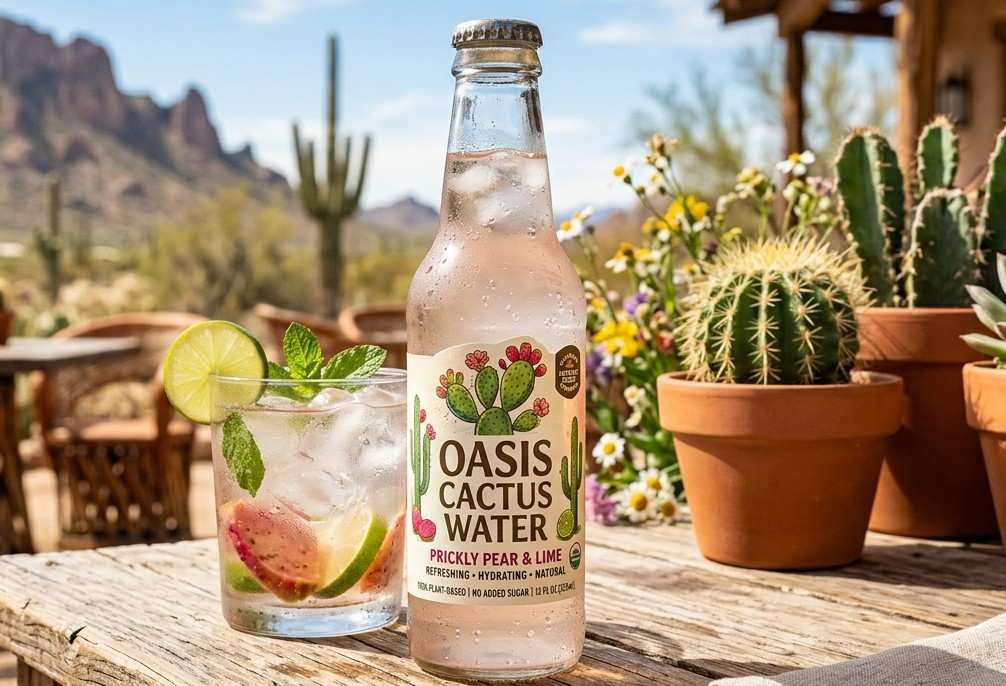
Cactus water has gained popularity as a natural hydration drink and a healthy alternative to sugary beverages. Derived primarily from the prickly pear cactus, cactus water contains naturally occurring electrolytes, antioxidants, vitamins, and plant compounds that may support hydration and overall wellness. Its mildly sweet flavor and refreshing taste have made it a favorite among health-conscious consumers looking for natural functional beverages.
For centuries, cactus plants have been valued in traditional cultures for both their nutritional and medicinal properties. Today, cactus water is marketed as a plant-based hydration solution that may help support digestion, energy levels, skin health, and recovery after physical activity.
This guide explores everything you need to know about cactus water, including its nutritional profile, science-backed health benefits, side effects, preparation methods, storage tips, and precautions.
What is Cactus Water?
Cactus water is a beverage extracted from the fruit or pads of the prickly pear cactus (Opuntia species). Unlike coconut water, which comes from young coconuts, cactus water is typically made from the brightly colored fruits of the cactus plant, often called prickly pears or cactus pears.
The drink contains natural sugars, antioxidants, minerals, amino acids, and electrolytes. Because cactus plants survive in harsh desert environments by storing water, the resulting beverage is naturally hydrating and rich in beneficial plant compounds.
Commercial cactus water is often filtered and packaged, while homemade versions can be prepared from fresh prickly pear fruit or cactus pads.
Nutrition Facts of Cactus Water
The exact nutritional content varies depending on the brand and preparation method. The following values represent approximate nutrition per 240 ml (8 oz) serving.
| Nutrient | Amount |
|---|---|
| Calories | 15–30 kcal |
| Carbohydrates | 4–7 g |
| Natural Sugars | 3–6 g |
| Protein | 0–1 g |
| Fat | 0 g |
| Fiber | 0–1 g |
| Potassium | 150–250 mg |
| Magnesium | 10–25 mg |
| Calcium | 15–40 mg |
| Vitamin C | 5–15 mg |
| Sodium | 0–20 mg |
| Antioxidants | Moderate |
| Electrolytes | Present |
| Water Content | Over 90% |
20 Proven Health Benefits of Cactus Water
- Supports Hydration: Cactus water contains electrolytes and a high water content that help maintain proper hydration levels.
- Rich in Antioxidants: Cactus water provides antioxidants such as betalains and polyphenols that help protect cells from oxidative stress.
- May Reduce Inflammation: Plant compounds found in cactus may help lower inflammatory responses in the body.
- Supports Heart Health: Potassium and antioxidants may contribute to healthy blood pressure and cardiovascular function.
- May Aid Post-Exercise Recovery: Electrolytes and antioxidants may help support recovery after physical activity.
- Promotes Healthy Digestion: Natural compounds in cactus can support digestive comfort and gastrointestinal health.
- May Support Blood Sugar Balance: Some studies suggest prickly pear compounds may help maintain healthy blood sugar levels.
- Supports Immune Function: Vitamin C and antioxidants contribute to normal immune system activity.
- May Help Protect the Liver: Research indicates prickly pear extracts may support liver health and function.
- Supports Skin Health: Antioxidants help combat free radical damage that contributes to skin aging.
- May Reduce Oxidative Stress: Bioactive compounds can help neutralize harmful free radicals.
- Supports Healthy Cholesterol Levels: Certain cactus compounds may assist in maintaining healthy cholesterol balance.
- May Help Manage Weight: Low calorie content makes cactus water a suitable beverage for weight-conscious individuals.
- Supports Cellular Health: Antioxidants help protect cells from environmental stressors.
- May Improve Energy Levels: Hydration and natural nutrients may help reduce feelings of fatigue.
- Supports Kidney Function: Adequate hydration from cactus water may support normal kidney processes.
- May Reduce Exercise-Induced Stress: Antioxidants can help minimize oxidative damage after intense exercise.
- Supports Healthy Aging: Regular antioxidant intake may contribute to healthy aging processes.
- May Promote Metabolic Health: Some studies suggest prickly pear compounds may support metabolic function.
- Provides Natural Hydration Alternative: Cactus water offers a refreshing option compared to sugary soft drinks.
10 Side Effects of Cactus Water
- Digestive Discomfort: Some individuals may experience bloating or stomach upset when consuming large amounts.
- Diarrhea Risk: Excessive intake may lead to loose stools in sensitive individuals.
- Allergic Reactions: People allergic to cactus plants may experience allergic symptoms.
- Blood Sugar Changes: Cactus compounds may affect blood sugar levels in certain individuals.
- Low Blood Pressure: The potassium content may contribute to lower blood pressure in sensitive people.
- Medication Interactions: Cactus water may interact with medications used for diabetes or blood pressure management.
- Nausea: Some individuals may experience mild nausea after consumption.
- Electrolyte Imbalance: Excessive intake of any electrolyte beverage may affect mineral balance.
- Headaches: Rarely, sensitive individuals may report headaches after consumption.
- Skin Reactions: Allergic individuals may develop itching or skin irritation.
How to Make Cactus Water?
Ingredients:
- 2–3 ripe prickly pear fruits
- 3 cups filtered water
- 1 tablespoon lemon juice (optional)
- Honey or natural sweetener (optional)
Instructions:
- Wear gloves to safely handle prickly pear fruits and remove all spines.
- Peel the outer skin carefully.
- Chop the fruit into small pieces.
- Add fruit pieces and water to a blender.
- Blend until smooth.
- Strain through a fine mesh strainer or cheesecloth.
- Add lemon juice if desired.
- Chill before serving.
- Serve cold for maximum refreshment.
Tips for Consuming Cactus Water
- Drink it chilled for the best taste.
- Consume it after exercise for hydration support.
- Use it as a healthier alternative to sugary beverages.
- Combine it with fruits in smoothies.
- Start with small amounts if trying it for the first time.
- Check ingredient labels when purchasing commercial products.
- Avoid products with excessive added sugars.
- Include it as part of a balanced diet.
- Drink it alongside adequate daily water intake.
- Consume fresh homemade cactus water within a few days.
Other Uses of Cactus Water
Besides drinking it directly, cactus water has several additional uses:
- Added to smoothies and shakes.
- Used in fruit punches and mocktails.
- Mixed into sports recovery beverages.
- Added to homemade popsicles.
- Used as a base for herbal drinks.
- Included in wellness shots.
- Added to beauty and skincare recipes.
- Used in fruit salads and desserts.
- Mixed with sparkling water.
- Incorporated into healthy beverage formulations.
How Much Cactus Water Can You Drink in a Day?
Most healthy adults can safely consume approximately 1–2 cups (240–480 ml) of cactus water daily as part of a balanced diet.
Individuals with medical conditions, especially diabetes, kidney disorders, or blood pressure concerns, should consult a healthcare professional before consuming larger amounts regularly.
Moderation is important because excessive intake may cause digestive discomfort or affect blood sugar levels in some people.
Best Time to Drink Cactus Water
Morning
Drinking cactus water in the morning can help support hydration after an overnight fast.
Before Exercise
Consuming it before workouts may help maintain fluid balance.
After Exercise
The electrolyte content makes it a useful post-workout hydration beverage.
Midday
A refreshing afternoon serving can help maintain hydration throughout the day.
During Hot Weather
Cactus water can be especially beneficial during warm conditions when fluid needs increase.
Who Should Drink Cactus Water?
- Athletes: The electrolytes may support hydration and recovery after exercise.
- Active Individuals: People with physically demanding lifestyles may benefit from additional hydration.
- People Living in Hot Climates: Water may help support fluid replacement in warm environments.
- Weight-Conscious Individuals: Its low calorie content makes it a suitable beverage choice.
- Busy Professionals: It offers a convenient hydration option throughout the day.
- Outdoor Workers: Those exposed to heat may benefit from its water and mineral content.
- Health-Conscious Consumers: Individuals seeking natural beverages may enjoy cactus water.
- Older Adults: Proper hydration support may be beneficial for healthy aging.
- Fitness Enthusiasts: It can complement an active lifestyle and exercise routine.
- People Seeking Beverage Variety: Cactus water provides an alternative to traditional drinks.
Who Should Avoid Cactus Water?
- People with Cactus Allergies: Allergic individuals should avoid consumption.
- Individuals Taking Diabetes Medications: Blood sugar effects may require monitoring.
- People Taking Blood Pressure Medications: The beverage may influence blood pressure responses.
- Individuals with Digestive Sensitivity: Some people may experience gastrointestinal discomfort.
- People with Certain Kidney Conditions: Medical guidance may be necessary before regular use.
- Those with Severe Food Allergies: Caution is advised when trying new foods or beverages.
- Individuals Experiencing Adverse Reactions: Consumption should stop if symptoms develop.
- People on Multiple Medications: Potential interactions should be discussed with a healthcare provider.
How to Store Cactus Water
- Refrigerate Immediately: Keep cactus water chilled after opening.
- Use Airtight Containers: Proper sealing helps maintain freshness.
- Consume Quickly: Homemade cactus water is best consumed within 2–3 days.
- Avoid Direct Sunlight: Heat and sunlight may reduce quality.
- Keep Away from Contaminants: Always use clean utensils when serving.
- Check for Odor Changes: Discard if an unusual smell develops.
- Monitor Appearance: Dispose of the product if discoloration occurs.
- Store at Consistent Temperature: Fluctuating temperatures may affect freshness.
- Freeze for Longer Storage: Freezing can extend shelf life.
- Follow Package Instructions: Commercial products should be stored according to label directions.
Precautions and Interactions
Although cactus water is generally considered safe for most healthy individuals, several precautions should be considered.
People taking diabetes medications should monitor blood glucose levels because prickly pear compounds may influence blood sugar control. Individuals using blood pressure medications should also exercise caution, as cactus water contains potassium and may contribute to blood pressure changes.
Anyone with a known allergy to cactus plants should avoid water entirely. Pregnant and breastfeeding women should consult a healthcare professional before consuming large amounts regularly due to limited research regarding long-term safety.
When trying water for the first time, begin with a small serving to assess individual tolerance. Always choose high-quality products from reputable sources and avoid varieties with excessive added sugars or artificial ingredients.
Conclusion
Cactus water is a refreshing, plant-based beverage that offers hydration along with antioxidants, vitamins, minerals, and beneficial plant compounds. Research suggests it may support hydration, recovery, heart health, digestion, and overall wellness. While it is generally safe for most people, moderation is recommended, and individuals with medical conditions should consult a healthcare professional before making it a regular part of their routine.
FAQ’s
What does cactus water taste like?
Water has a mildly sweet, refreshing taste with subtle notes similar to watermelon, berry, and cucumber.
Is cactus water healthy?
Yes, water is generally considered healthy because it is low in calories and contains antioxidants, electrolytes, and beneficial plant compounds.
What is cactus water good for?
Water may help support hydration, exercise recovery, digestion, heart health, skin health, and antioxidant protection.
Does cactus water contain electrolytes?
Yes, Water naturally contains electrolytes such as potassium, magnesium, and calcium that help maintain fluid balance.
Is cactus water better than coconut water?
Both beverages offer hydration benefits. Cactus water is often lower in sugar and calories, while coconut water typically contains more potassium.
Can cactus water help with weight loss?
Water may support weight management because it is low in calories and can help keep you hydrated, but it is not a weight-loss miracle drink.
Does cactus water contain caffeine?
No, Water is naturally caffeine-free.
Is cactus water good for athletes?
Yes, athletes may benefit from water because its electrolytes and antioxidants can support hydration and post-exercise recovery.
Can people with diabetes drink cactus water?
People with diabetes may be able to drink water in moderation, but they should monitor blood sugar levels and consult their healthcare provider.
Is cactus water safe during pregnancy?
Moderate consumption is generally considered safe, but pregnant women should consult a healthcare professional before regularly consuming water.
Can children drink cactus water?
Yes, children can usually drink water in moderation, especially varieties without added sugar.
How long does it take for cactus water to work?
Hydration benefits may be noticed within minutes to a few hours, while other potential benefits may require regular consumption over time.
Does cactus water help with dehydration?
Yes, its high water content and natural electrolytes can help support hydration and fluid replacement.
What does cactus water smell like?
Water has a light, fresh, slightly fruity aroma that is usually mild and pleasant.
Can cactus water lower blood sugar?
Some studies suggest prickly pear compounds may help support healthy blood sugar levels, but more research is needed.
Does cactus water need refrigeration?
Yes, opened commercial cactus water and homemade cactus water should be refrigerated to maintain freshness.
How long does cactus water last?
Homemade water typically lasts 2–3 days in the refrigerator, while unopened commercial products last according to their expiration date.
Can cactus water be used in smoothies?
Yes, water works well as a liquid base for smoothies, protein shakes, and fruit beverages.
Is cactus water vegan?
Yes, pure water is naturally vegan and plant-based.
Can cactus water improve skin health?
Its antioxidants and hydration properties may help support healthy skin and protect against oxidative stress.
What is another name for cactus water?
Cactus water is also known as prickly pear water, prickly pear cactus water, nopal water, or Opuntia water, depending on the source and region.
Is cactus water safe for kidneys?
For most healthy individuals, water is generally safe when consumed in moderation. People with kidney disease or those on potassium-restricted diets should consult a healthcare professional before drinking it regularly.
Can I drink Cactus Water every day?
Yes, most healthy adults can drink 1–2 cups of water daily in moderation as part of a balanced diet.
Is cactus water good for arthritis?
Water contains anti-inflammatory antioxidants that may support joint health, but it is not a treatment or cure for arthritis.
Also Read: