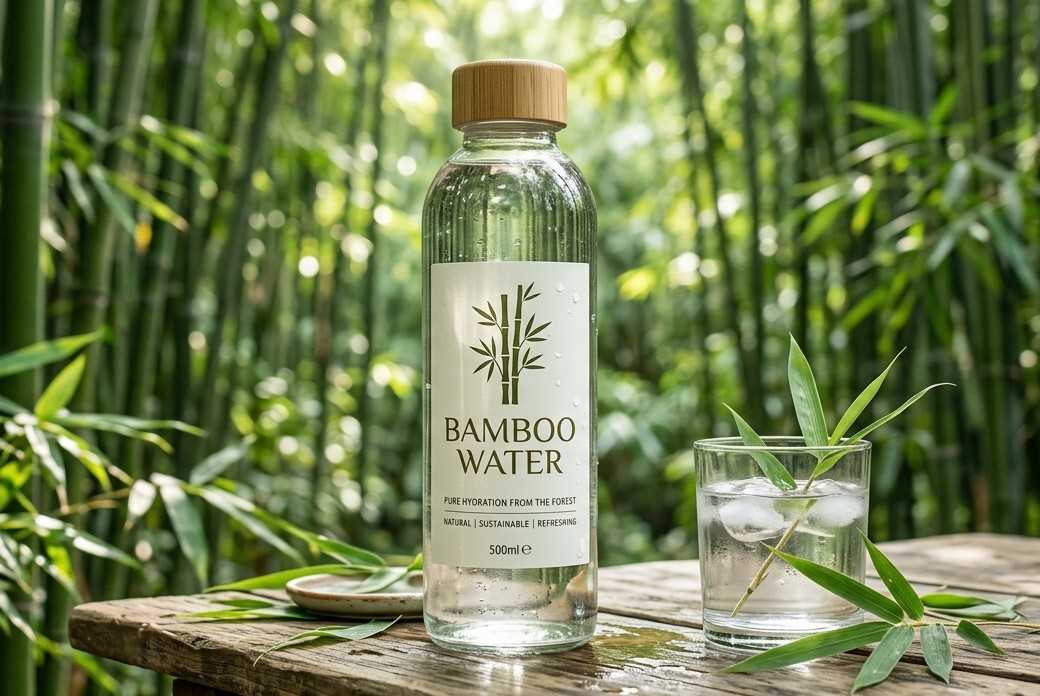
Bamboo water is a natural beverage obtained from young bamboo shoots or bamboo stems. For centuries, bamboo has been valued in traditional Asian cultures not only as a building material and food source but also for its potential medicinal properties. Bamboo water is becoming increasingly popular among health-conscious individuals because it contains minerals, antioxidants, and plant compounds that may support hydration, digestion, skin health, and overall wellness.
Its refreshing taste and low-calorie profile make it an appealing alternative to sugary drinks. While scientific research on bamboo water itself is still developing, studies on bamboo extracts and bamboo-derived compounds suggest several promising health benefits.
What is Bamboo Water?
Bamboo water is a liquid extracted from fresh bamboo shoots, bamboo stems, or bamboo leaves. In some regions, it is prepared by soaking or boiling bamboo parts in water to release beneficial nutrients and plant compounds.
Bamboo contains silica, flavonoids, phenolic compounds, amino acids, and essential minerals. These naturally occurring substances contribute to bamboo water’s reputation as a healthy beverage. Traditionally, bamboo-based drinks have been consumed to promote hydration, support digestion, and improve overall vitality.
The flavor of bamboo water is usually mild, earthy, and slightly sweet, making it easy to drink on its own or combine with herbs, fruits, or natural sweeteners.
Nutrition Facts of Bamboo Water
The nutritional composition of bamboo water can vary depending on preparation methods and bamboo species.
| Nutrient | Approximate Amount per 100 ml |
|---|---|
| Calories | 2–8 kcal |
| Water | 95–99 g |
| Carbohydrates | 0.5–1.5 g |
| Protein | 0.1–0.5 g |
| Fat | 0 g |
| Fiber | Trace |
| Potassium | 10–30 mg |
| Calcium | 2–10 mg |
| Magnesium | 1–5 mg |
| Silica | Small amounts |
| Antioxidants | Present |
| Flavonoids | Present |
| Phenolic Compounds | Present |
20 Proven Health Benefits of Bamboo Water
- Supports Hydration: Bamboo water contains a high percentage of water that helps maintain proper hydration levels throughout the day.
- Rich in Antioxidants: Natural antioxidants in bamboo may help protect cells from oxidative stress caused by free radicals.
- Promotes Healthy Skin: The silica content in bamboo may support collagen production and improve skin elasticity.
- Supports Hair Growth: Silica and minerals found in bamboo may contribute to stronger and healthier hair.
- Strengthens Nails: Regular intake may provide nutrients that help improve nail strength and reduce brittleness.
- Aids Digestion: Bamboo-derived compounds may support digestive function and encourage smoother bowel movements.
- Supports Gut Health: The natural plant compounds may help maintain a healthier intestinal environment.
- May Reduce Inflammation: Bamboo contains flavonoids that possess anti-inflammatory properties.
- Supports Bone Health: Minerals such as calcium, magnesium, and silica contribute to stronger bones.
- May Support Joint Function: Silica may help maintain connective tissues and support healthy joints.
- Promotes Heart Health: Potassium and antioxidant compounds may contribute to cardiovascular wellness.
- Helps Manage Weight: Low calorie content makes bamboo water a suitable beverage for weight-conscious individuals.
- Supports Immune Function: Antioxidants may help strengthen the body’s natural defense system.
- May Improve Energy Levels: Proper hydration and mineral content can contribute to better energy and reduced fatigue.
- Supports Healthy Aging: Antioxidants may help combat cellular damage associated with aging.
- May Support Liver Function: Certain bamboo compounds have shown protective effects in preliminary studies.
- Promotes Detoxification: Adequate hydration assists the body’s natural detoxification processes.
- Supports Respiratory Health: Traditional medicine has used bamboo preparations to help soothe respiratory discomfort.
- May Help Regulate Blood Sugar: Some bamboo-derived compounds have shown potential benefits for glucose metabolism.
- Supports Overall Wellness: The combination of hydration, minerals, and antioxidants may contribute to better overall health.
10 Side Effects of Bamboo Water
- Digestive Upset: Excessive consumption may cause bloating, gas, or mild stomach discomfort.
- Allergic Reactions: Individuals sensitive to bamboo may experience allergic symptoms.
- Diarrhea Risk: Drinking large quantities may have a mild laxative effect in some people.
- Blood Sugar Changes: Certain bamboo compounds could influence blood sugar levels.
- Medication Interactions: Bamboo extracts may interact with specific medications.
- Low Blood Pressure: High intake may potentially contribute to slight reductions in blood pressure.
- Mineral Imbalance: Excessive consumption may alter the balance of certain minerals.
- Nausea: Some individuals may experience nausea when consuming concentrated bamboo preparations.
- Contamination Risk: Improperly prepared bamboo water may contain unwanted contaminants.
- Unknown Long-Term Effects: Scientific research on long-term bamboo water consumption remains limited.
How to Make Bamboo Water?
Ingredients:
- 1 cup fresh bamboo shoots or tender bamboo stems
- 4 cups filtered water
- Optional: honey, lemon, mint, or ginger
Instructions:
- Wash the bamboo shoots thoroughly.
- Peel away any tough outer layers.
- Cut the bamboo into small pieces.
- Bring water to a boil in a pot.
- Add the bamboo pieces to the boiling water.
- Reduce heat and simmer for 20–30 minutes.
- Allow the mixture to cool.
- Strain the liquid into a clean container.
- Add lemon, honey, or herbs if desired.
- Serve chilled or at room temperature.
Tips for Consuming Bamboo Water
- Start with small amounts to assess tolerance.
- Consume freshly prepared bamboo water whenever possible.
- Drink it as part of a balanced diet.
- Pair it with healthy meals for better nutrient intake.
- Avoid adding excessive sugar.
- Use clean and properly prepared bamboo sources.
- Stay within recommended daily intake levels.
- Refrigerate leftovers promptly.
- Consult a healthcare professional if you have medical conditions.
- Choose young bamboo shoots for a milder flavor.
Other Uses of Bamboo Water
Bamboo water has applications beyond drinking.
- Can be used as a base for herbal beverages.
- May be added to smoothies and juices.
- Can be incorporated into soups and broths.
- Used in traditional wellness preparations.
- May be applied in homemade skin-care recipes.
- Sometimes used in hair rinses.
- Can serve as a refreshing ingredient in detox drinks.
- Used in certain traditional culinary recipes.
- May be mixed with tea preparations.
- Can be included in health-focused beverage blends.
How Much Bamboo Water Can You Drink in a Day?
There is no universally established daily recommendation for bamboo water. For most healthy adults, consuming approximately 1–2 cups (250–500 ml) per day is generally considered a moderate amount.
Those trying bamboo water for the first time should begin with smaller servings to observe how their body responds. Excessive intake is not recommended because scientific evidence regarding optimal consumption levels remains limited.
Best Time to Drink Bamboo Water
Morning
Drinking bamboo water in the morning may help promote hydration after an overnight fast.
Before Meals
Consuming it before meals may support hydration and appetite management.
After Exercise
The water and minerals present may help replenish fluids lost through physical activity.
Midday Refreshment
Bamboo water can serve as a healthy alternative to sugary beverages during the day.
Between Meals
Drinking it between meals may help maintain hydration without adding significant calories.
Who Should Drink Bamboo Water?
- Active Individuals: The hydration benefits may support physically active people.
- People Seeking Low-Calorie Drinks: Bamboo extract water provides hydration with minimal calories.
- Individuals Focused on Skin Health: Silica content may support healthy skin appearance.
- Those Looking to Improve Hydration: High water content makes it a useful hydration beverage.
- Weight Management Enthusiasts: Its low-calorie nature may fit weight-conscious lifestyles.
- People Interested in Natural Beverages: Bamboo water offers a plant-based alternative to processed drinks.
- Adults Seeking Antioxidants: Natural antioxidants may contribute to overall wellness.
- Fitness Enthusiasts: It may complement a healthy exercise routine.
- Individuals Seeking Dietary Variety: Bamboo extract water can diversify beverage choices.
- Health-Conscious Consumers: Its nutrient profile may appeal to those pursuing healthy habits.
Who Should Avoid Bamboo Water?
- People With Bamboo Allergies: Allergic individuals should avoid bamboo-based products.
- Pregnant Women Without Medical Guidance: Consultation with a healthcare provider is recommended before regular use.
- Breastfeeding Mothers Without Professional Advice: Safety data remains limited.
- People Taking Multiple Medications: Potential interactions should be discussed with a healthcare professional.
- Individuals With Severe Digestive Disorders: Bamboo water may aggravate certain digestive symptoms.
- Those Sensitive to Plant Extracts: Plant compounds may trigger unwanted reactions.
- People With Unstable Blood Sugar Levels: Monitoring may be necessary.
- Individuals With Chronic Kidney Disease: Medical advice should be obtained before use.
- Young Children: Limited research exists regarding regular consumption in children.
- Anyone Experiencing Adverse Reactions: Discontinue use if symptoms occur.
How to Store Bamboo Water?
- Use Airtight Containers: Store bamboo extract water in a sealed glass or food-grade container.
- Refrigerate Immediately: Keep it refrigerated after preparation.
- Consume Within 2–3 Days: Fresh bamboo extract water is best consumed quickly.
- Avoid Direct Sunlight: Exposure to sunlight may reduce quality.
- Use Clean Utensils: Always pour with clean utensils to prevent contamination.
- Keep Away From Strong Odors: Bamboo water may absorb surrounding smells.
- Check for Spoilage: Discard if unusual odor, color, or taste develops.
- Label Storage Dates: Mark preparation dates for safety.
- Do Not Leave at Room Temperature for Long Periods: Extended exposure may encourage bacterial growth.
- Freeze if Necessary: Freezing can extend storage life for short periods.
Precautions and Interactions
Although bamboo extract water is generally considered safe when consumed in moderation, several precautions should be considered.
- Always use properly identified and food-safe bamboo species.
- Avoid consuming raw bamboo shoots unless adequately processed, as some varieties contain naturally occurring compounds that require proper preparation.
- Individuals with known allergies should exercise caution.
- People taking medications for diabetes, blood pressure, or chronic health conditions should consult a healthcare professional before regular consumption.
- Do not rely on bamboo extract water as a treatment for any medical condition.
- Use bamboo water as part of a balanced diet rather than as a replacement for water or prescribed therapies.
- Purchase bamboo products from reputable sources to minimize contamination risks.
- Discontinue use if any adverse reactions occur.
- Pregnant and breastfeeding women should seek professional guidance before regular use.
- More human clinical research is needed to fully understand the long-term effects and optimal dosage of bamboo water.
Conclusion
Bamboo water is a refreshing, low-calorie beverage that offers hydration along with beneficial plant compounds, minerals, and antioxidants. Its potential benefits range from supporting skin, hair, and bone health to promoting hydration and overall wellness. While emerging research on bamboo-derived compounds is promising, bamboo extract water should be viewed as a complementary health beverage rather than a cure-all.
When prepared safely and consumed in moderation, bamboo extract water can be a unique addition to a healthy lifestyle. As with any functional beverage, individuals with medical conditions, allergies, or special health concerns should consult a healthcare professional before making it a regular part of their routine.
FAQ’s
What does Bamboo Water taste like?
Bamboo extract water has a mild, earthy, and slightly sweet flavor with a refreshing and clean finish.
Is Bamboo Water good for health?
Bamboo extract water may support hydration, skin health, digestion, and overall wellness due to its antioxidants, minerals, and silica content.
Can Bamboo Water help with weight loss?
Bamboo extract water is low in calories and can be a healthy alternative to sugary beverages, which may support weight-management goals.
Is Bamboo Water rich in nutrients?
Yes, bamboo extract water contains small amounts of minerals such as potassium, calcium, magnesium, silica, and various antioxidant compounds.
Can Bamboo Water improve skin health?
The silica and antioxidant content in bamboo extract water may support collagen production and help maintain healthy-looking skin.
Is Bamboo Water good for hair growth?
Bamboo contains silica, which may contribute to stronger hair and support overall hair health.
Does Bamboo Water contain caffeine?
No, bamboo extract water is naturally caffeine-free.
Is Bamboo Water safe for pregnant women?
Pregnant women should consult a healthcare professional before regularly consuming bamboo extract water due to limited safety research.
Can children drink Bamboo Water?
Small amounts may be safe, but parents should consult a healthcare provider before giving bamboo extract water regularly to children.
How long does Bamboo Water take to work?
Hydration benefits may be noticed quickly, while potential effects on skin, hair, or overall wellness may take several weeks of regular consumption.
Can Bamboo Water help digestion?
Its hydration properties and plant compounds may help support healthy digestion and bowel regularity.
Is Bamboo Water suitable for diabetics?
People with diabetes should consult their healthcare provider before regular consumption, especially if using bamboo extracts or supplements.
Can Bamboo Water be consumed every day?
Yes, moderate daily consumption is generally considered safe for most healthy adults.
Is Bamboo Water better than regular water?
Bamboo extract water contains additional plant compounds and minerals, but regular water remains the most important source of daily hydration.
What does Bamboo Water smell like?
Bamboo extract water has a mild, fresh, earthy aroma with light grassy or woody notes.
What is Bamboo Water good for?
Bamboo extract water is good for hydration and may support skin, hair, digestion, bone health, and overall wellness due to its antioxidants, minerals, and silica content.
Also Read: