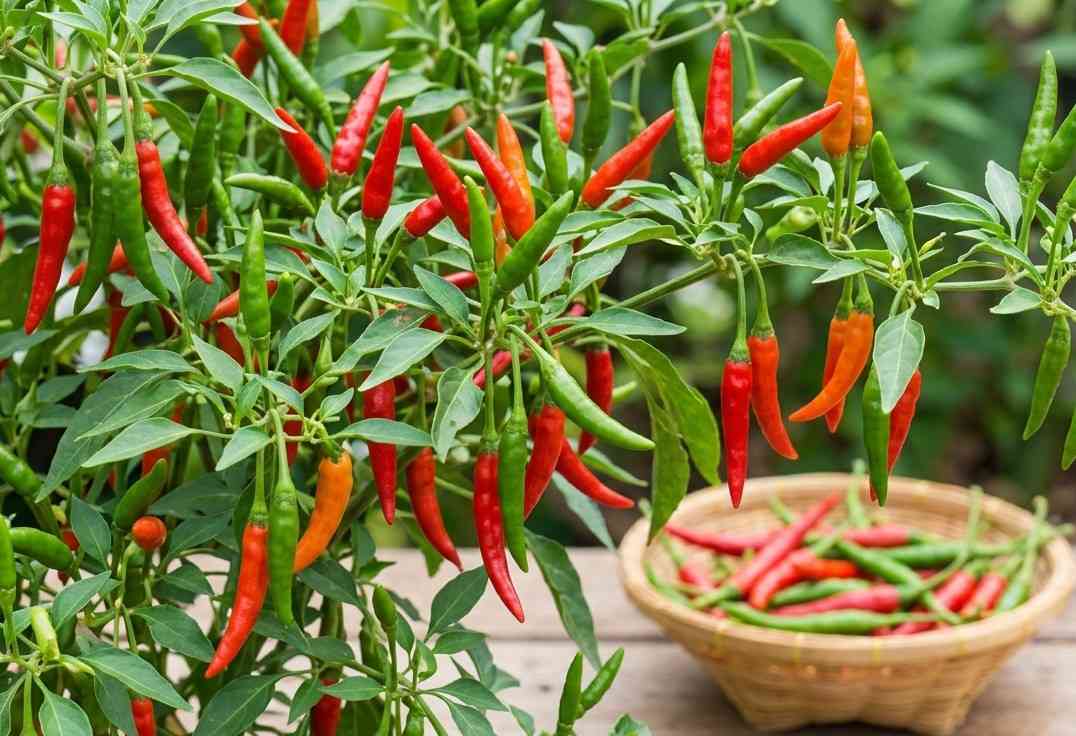
Bird’s Eye Chili may be small in size, but it is one of the hottest and most flavorful chili peppers in the world. Widely used in Southeast Asian, African, and Indian cuisines, this fiery pepper is prized for its intense heat, distinctive taste, and impressive nutritional profile. Whether added fresh to curries, blended into spicy sauces, or dried and ground into powder, Bird’s Eye Chili brings a powerful kick to countless dishes.
Beyond its culinary appeal, Bird’s Eye Chili contains valuable nutrients, including vitamin C, vitamin A, antioxidants, and capsaicin—the natural compound responsible for its heat. Research suggests that capsaicin may offer several health benefits, ranging from supporting metabolism and weight management to promoting heart health and immune function. However, like any spicy food, it should be consumed in moderation, as excessive intake can lead to digestive discomfort and other side effects.
In this guide, you’ll learn everything you need to know about Bird’s Eye Chili, including its nutritional value, proven health benefits, possible side effects, best ways to consume it, storage methods, precautions, and much more.
What is Bird’s Eye Chili?
Bird’s Eye Chili is a small but extremely hot chili pepper widely used in Asian, African, and Southeast Asian cuisines. Known for its fiery heat and intense flavor, this chili belongs to the Capsicum frutescens species and is often found in countries such as Thailand, Vietnam, Indonesia, Malaysia, and India.
Despite its small size, Bird’s Eye Chili packs a powerful punch, ranging from 50,000 to 100,000 Scoville Heat Units (SHU), making it significantly hotter than many common chili peppers. It is commonly used fresh, dried, powdered, or in sauces to add heat and flavor to dishes.
Bird’s Eye Chili is more than just a spicy ingredient. It contains vitamins, minerals, antioxidants, and capsaicin—the compound responsible for its heat—which may provide several health benefits when consumed in moderation.
Nutrition Facts of Bird’s Eye Chili
| Nutrient | Amount (Per 100 grams of fresh Bird’s Eye Chili) |
|---|---|
| Calories | 40 kcal |
| Water | 88 g |
| Protein | 2 g |
| Carbohydrates | 9 g |
| Dietary Fiber | 1.5 g |
| Sugars | 5 g |
| Fat | 0.4 g |
| Vitamin C | 144 mg |
| Vitamin A | 952 IU |
| Vitamin B6 | 0.5 mg |
| Folate | 23 mcg |
| Potassium | 322 mg |
| Magnesium | 23 mg |
| Iron | 1 mg |
| Calcium | 14 mg |
| Capsaicin | Varies by variety |
Nutritional values may vary depending on growing conditions and maturity.
20 Proven Health Benefits of Bird’s Eye Chili
- Rich in Vitamin C: Bird’s Eye Chili contains high levels of vitamin C that help strengthen immunity and support collagen production.
- Powerful Antioxidant Source: The antioxidants in Bird’s Eye Chili help combat oxidative stress and protect cells from free radical damage.
- Supports Weight Management: Capsaicin may increase calorie burning and promote fat oxidation, supporting healthy weight control.
- Boosts Metabolism: Consuming spicy peppers can temporarily enhance metabolic activity and energy expenditure.
- Promotes Heart Health: The compounds in Bird’s Eye Chili may help support healthy blood circulation and cardiovascular function.
- May Lower Cholesterol: Regular consumption of chili peppers may contribute to improved cholesterol balance.
- Supports Healthy Blood Pressure: Potassium and bioactive compounds in Bird’s Eye Chili may assist in maintaining healthy blood pressure levels.
- Improves Digestion: Moderate intake may stimulate digestive secretions and improve digestive efficiency.
- Enhances Nutrient Absorption: Certain spicy foods may help improve the absorption of nutrients from meals.
- Provides Natural Pain Relief: Capsaicin is known for its pain-relieving properties and is used in many topical treatments.
- Supports Immune Function: Vitamins A and C help strengthen the body’s natural defense system.
- May Improve Mood: Capsaicin can trigger the release of endorphins, which may promote positive feelings.
- Supports Respiratory Health: Spicy peppers may help clear nasal passages and reduce temporary congestion.
- May Aid Blood Sugar Control: Some studies suggest capsaicin may contribute to better glucose metabolism.
- Supports Eye Health: Vitamin A and carotenoids help maintain healthy vision and eye function.
- May Have Anti-Inflammatory Effects: Capsaicin may help reduce certain inflammatory responses in the body.
- Promotes Healthy Skin: Antioxidants and vitamins support skin repair and protection.
- Supports Brain Function: Antioxidants may help protect brain cells from oxidative damage.
- May Possess Antimicrobial Properties: Certain compounds in chili peppers may help inhibit the growth of some microorganisms.
- Contributes to Longevity: Regular consumption of chili peppers has been associated with overall health benefits and improved longevity in some studies.
10 Side Effects of Bird’s Eye Chili
- Stomach Irritation: Excessive consumption may cause stomach discomfort or irritation.
- Heartburn Risk: The intense heat can trigger acid reflux and heartburn in sensitive individuals.
- Digestive Upset: Some people may experience diarrhea, bloating, or abdominal pain.
- Mouth Burning Sensation: The high capsaicin content can cause significant burning in the mouth and throat.
- Skin Irritation: Direct contact with fresh chilies may irritate the skin and eyes.
- Worsened Ulcer Symptoms: Individuals with existing gastrointestinal conditions may experience symptom aggravation.
- Increased Sweating: The spicy compounds often trigger sweating and body heat.
- Temporary Nasal Irritation: Strong chili vapors may cause sneezing or nasal discomfort.
- Allergic Reactions: Though uncommon, some individuals may experience allergic responses.
- Sleep Disturbance: Consuming very spicy foods late at night may interfere with comfortable sleep.
How to Eat Bird’s Eye Chili?
Bird’s Eye Chili can be consumed in several ways:
- Add finely chopped fresh chilies to salads.
- Mix into curries, soups, and stir-fries.
- Blend into homemade hot sauces.
- Use in marinades for meat, fish, or vegetables.
- Sprinkle dried chili flakes over food.
- Add to noodles and rice dishes.
- Include in spicy chutneys and dips.
- Use in pickles and fermented condiments.
- Combine with garlic and herbs for seasoning.
- Infuse into oils and vinegars for extra flavor.
Tips for Consuming Bird’s Eye Chili
- Start with small amounts if you are not accustomed to spicy foods.
- Remove seeds if you want to reduce heat intensity.
- Pair with dairy products to ease burning sensations.
- Wear gloves when handling large quantities.
- Avoid touching your eyes after handling fresh chilies.
- Drink milk rather than water if the spice feels overwhelming.
- Use fresh chilies for maximum flavor and nutrition.
- Balance spicy dishes with vegetables and protein.
- Consume with meals instead of on an empty stomach.
- Increase intake gradually to build tolerance.
Other Uses of Bird’s Eye Chili
- Natural Pest Repellent: Chili extracts are often used to deter insects and garden pests.
- Homemade Hot Sauce Ingredient: Bird’s Eye Chili is a popular base for spicy sauces.
- Flavor Enhancer: It adds heat and depth to countless culinary dishes.
- Pickling Ingredient: The chili is frequently preserved in vinegar-based pickles.
- Infused Oil Preparation: It can be steeped in oils to create spicy cooking ingredients.
- Food Preservation Aid: Traditional cultures sometimes use chili in preserving foods.
- Spice Powder Production: Dried chilies are ground into flavorful powders.
- Fermented Condiment Ingredient: Many fermented chili pastes use Bird’s Eye Chili.
- Decorative Plant: The colorful peppers make attractive ornamental plants.
- Traditional Herbal Uses: Some traditional systems use chilies for warming remedies.
How Much Bird’s Eye Chili Can You Eat in a Day?
There is no official daily requirement for Bird’s Eye Chili. Most healthy adults can safely consume small to moderate amounts as part of a balanced diet.
Generally:
- Beginners: 1–2 small chilies daily.
- Regular consumers: 2–5 small chilies daily.
- Experienced spicy-food eaters: Up to 5–10 small chilies daily, depending on tolerance.
Individual tolerance varies considerably. Excessive intake may increase the risk of digestive discomfort.
The ideal dosage depends on age, health status, and spice tolerance.
| User Type | Suggested Daily Intake |
|---|---|
| Beginners | 1–2 chilies |
| Moderate Users | 2–5 chilies |
| Regular Spice Consumers | 5–8 chilies |
| Highly Tolerant Individuals | Up to 10 chilies |
It is best to spread consumption throughout the day rather than eating large amounts at once.
Best Time to Eat Bird’s Eye Chili
The best time to consume Bird’s Eye Chili depends on personal preference and digestive tolerance.
- During lunch or dinner with a balanced meal.
- Before physical activity for a temporary metabolic boost.
- During colder weather for a warming effect.
- Earlier in the day if you are sensitive to spicy foods.
- Avoid immediately before bedtime if it causes heartburn or discomfort.
Who Should Eat Bird’s Eye Chili?
- Healthy Adults: Individuals seeking flavorful foods and potential metabolic benefits may enjoy Bird’s Eye Chili.
- Weight Management Enthusiasts: Those aiming to support calorie burning may benefit from moderate consumption.
- Athletes: Active individuals may appreciate the metabolism-supporting effects of capsaicin.
- People Seeking Antioxidants: The chili provides valuable antioxidant compounds.
- Spice Lovers: Individuals who enjoy hot foods can incorporate it into balanced meals.
- People Needing More Vitamin C: Bird’s Eye Chili is naturally rich in vitamin C.
- Individuals Looking for Flavor Without Calories: The chili adds intense taste with very few calories.
- Those Following Plant-Based Diets: It can enhance flavor in vegetarian and vegan meals.
Who Should Not Eat Bird’s Eye Chili?
- People With Severe Acid Reflux: The intense heat may worsen symptoms.
- Individuals With Active Stomach Ulcers: Spicy foods may increase discomfort.
- People With Sensitive Digestive Systems: The chili may trigger digestive distress.
- Young Children: Extremely spicy foods may be too intense for children.
- Individuals With Chili Allergies: Allergic reactions are possible.
- People Recovering From Gastrointestinal Surgery: Spicy foods may not be appropriate during recovery.
- Those With Severe Hemorrhoids: Spicy foods may worsen irritation.
- Individuals Sensitive to Capsaicin: Even small amounts may cause discomfort.
How to Store Bird’s Eye Chili?
- Refrigeration Storage: Fresh chilies can be stored in the refrigerator for up to two weeks.
- Freezing Method: Freezing helps preserve chilies for several months.
- Drying Technique: Dehydrated chilies can last for many months when stored properly.
- Airtight Containers: Store dried chilies in airtight containers to preserve freshness.
- Cool Environment: Keep chilies away from heat and direct sunlight.
- Moisture Protection: Avoid moisture exposure to prevent spoilage and mold growth.
- Vacuum Sealing: Vacuum-sealed storage extends shelf life significantly.
- Labeling Practice: Always label stored chilies with the storage date.
Precautions and Interactions
- Medication Sensitivity: Consult a healthcare professional if taking medications that affect digestion or circulation.
- Digestive Conditions: Use caution if you have IBS, GERD, ulcers, or other gastrointestinal disorders.
- Pregnancy Considerations: Moderate culinary use is generally acceptable, but tolerance varies.
- Breastfeeding Awareness: Strongly spicy foods may affect some infants through breast milk.
- Eye Protection: Avoid touching eyes after handling fresh chilies.
- Skin Contact Precaution: Wear gloves when preparing large quantities.
- Gradual Introduction: Increase intake slowly if new to spicy foods.
- Hydration Support: Drink sufficient fluids when consuming spicy foods.
- Food Interaction: Combining excessive chili with alcohol may increase digestive irritation.
- Medical Consultation: Individuals with chronic medical conditions should seek personalized dietary advice before significantly increasing chili intake.
Conclusion
Bird’s Eye Chili is one of the world’s most powerful and flavorful chili peppers. Despite its small size, it delivers intense heat along with valuable nutrients, antioxidants, vitamins, and capsaicin. When consumed in moderation, it may support metabolism, heart health, immune function, and overall wellness. However, excessive intake can lead to digestive discomfort and irritation, especially in sensitive individuals.
Adding Bird’s Pepper to a balanced diet can be an excellent way to enhance flavor while potentially gaining several health benefits. The key is moderation, proper handling, and understanding your personal tolerance level.
FAQ’s
Is Bird’s Eye Chili hotter than jalapeño?
Yes, Bird’s Eye Chili is significantly hotter than a jalapeño. It typically ranges from 50,000–100,000 Scoville Heat Units (SHU), while jalapeños usually range from 2,500–8,000 SHU.
Can I eat Bird’s Eye Chili every day?
Yes, most healthy adults can eat Bird’s Pepper daily in moderate amounts, provided it does not cause digestive discomfort or other adverse effects.
What does Bird’s Eye Chili taste like?
Bird’s Pepper has a sharp, fruity, slightly earthy flavor combined with intense heat.
Is Bird’s Eye Chili good for weight loss?
It may support weight management because capsaicin can temporarily increase metabolism and calorie burning.
Is Bird’s Eye Chili good for heart health?
Moderate consumption may support heart health by promoting healthy circulation and providing antioxidants.
Can Bird’s Eye Chili raise blood pressure?
Bird’s Pepper does not usually raise blood pressure and may even help support healthy blood pressure levels when consumed as part of a balanced diet.
Is Bird’s Eye Chili safe during pregnancy?
Moderate culinary use is generally considered safe during pregnancy, but individuals should follow their healthcare provider’s advice.
Can children eat Bird’s Eye Chili?
Due to its extreme heat, Bird’s Pepper is generally not recommended for young children.
What is the best way to reduce the burning sensation?
Drinking milk, eating yogurt, or consuming other dairy products can help reduce the burning caused by capsaicin.
Can Bird’s Eye Chili cause stomach problems?
Yes, excessive consumption may cause heartburn, stomach irritation, diarrhea, or digestive discomfort in some people.
Is Bird’s Eye Chili rich in vitamins?
Yes, it is an excellent source of vitamin C and also contains vitamin A, vitamin B6, and various antioxidants.
Can Bird’s Eye Chili help boost immunity?
Its high vitamin C content may help support a healthy immune system.
Can Bird’s Eye Chili be eaten raw?
Yes, it can be eaten raw, but its intense heat means it is usually consumed in small amounts.
Is Bird’s Eye Chili the same as Thai chili?
Bird’s Pepper is often referred to as Thai chili, although different regions may have slightly different varieties.
Can Bird’s Eye Chili help clear congestion?
Yes, the spicy compounds may temporarily help open nasal passages and relieve congestion.
Does cooking reduce the heat of Bird’s Eye Chili?
Cooking can slightly reduce the perceived heat, but Bird’s Pepper generally remains very spicy even after cooking.
Is Bird’s Eye Chili suitable for a vegan diet?
Yes, Bird’s Eye Chili is completely plant-based and suitable for vegan and vegetarian diets.
Can I freeze Bird’s Eye Chili?
Yes, Bird’s Eye Chili freezes well and can maintain its flavor and heat for several months when properly stored.
What is Bird’s Eye Chili good for?
Bird’s Pepper is valued for adding intense flavor and heat to foods while providing antioxidants, vitamin C, and capsaicin that may support metabolism, immunity, and overall health.
What is the Indian name for Bird’s Eye Chili?
In India, Bird’s Eye Chili is commonly known as Dhani Mirch, Bird Eye Mirchi, or King Chili in some northeastern regions, although King Chili is often a different, much hotter variety.
How is Bird’s Eye Chili different from normal chili?
Bird’s Eye Chili is generally much smaller and significantly hotter than most common chilies. It also has a more concentrated, fruity flavor and higher capsaicin content.
Which is hotter, Bird’s Eye or Cayenne?
Bird’s Eye Chili is typically hotter than Cayenne pepper. Bird’s Eye Chili ranges from about 50,000–100,000 SHU, while Cayenne usually ranges from 30,000–50,000 SHU.
What is another name for Bird’s Eye Chili?
Bird’s Eye Chili is also known as Thai Chili, Thai Bird Chili, Bird Pepper, Bird’s Pepper, and Piri Piri in some regions, although names may vary by country and variety.
Also Read: