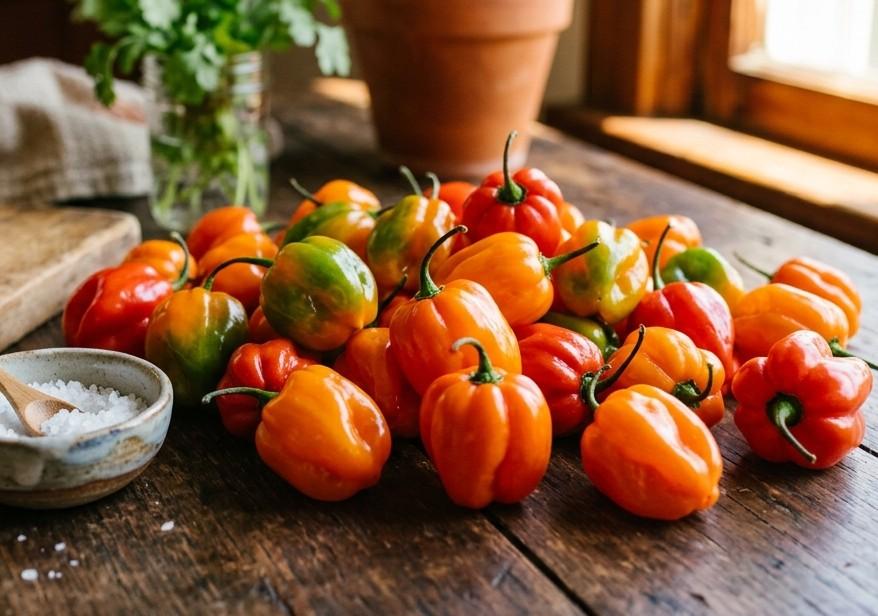
Habanero is one of the hottest and most flavorful chili peppers in the world. Known for its fiery heat and fruity taste, this small pepper is widely used in sauces, salsas, marinades, and spicy dishes. Originally cultivated in the Americas, habanero peppers have gained popularity worldwide among spice lovers and health-conscious individuals alike.
Beyond its intense heat, habanero is packed with vitamins, minerals, antioxidants, and beneficial plant compounds that may support overall health. However, due to its high capsaicin content, it should be consumed carefully and in moderation. This guide explores everything you need to know about habanero (also known as Habanero Pepper, Chile Habanero, or Capsicum chinense Habanero), including its nutrition, benefits, side effects, uses, storage methods, and precautions.
What is Habanero?
Habanero is a variety of chili pepper belonging to the Capsicum chinense species. It is famous for its intense spiciness, typically ranging between 100,000 and 350,000 Scoville Heat Units (SHU), making it significantly hotter than a jalapeño.
Habaneros are usually small, lantern-shaped peppers that mature into colors such as orange, red, yellow, brown, or white. Despite their heat, they have a distinctive fruity and slightly citrus-like flavor that makes them popular in many cuisines.
The pepper’s heat comes primarily from capsaicin, a natural compound associated with several potential health benefits, including pain relief, metabolism support, and antioxidant activity.
Nutrition Facts of Habanero
The following values are approximate per 100 grams of fresh habanero pepper.
| Nutrient | Amount |
|---|---|
| Calories | 40 kcal |
| Carbohydrates | 8.8 g |
| Protein | 1.9 g |
| Fat | 0.4 g |
| Dietary Fiber | 1.5 g |
| Vitamin C | 143 mg |
| Vitamin A | 338 IU |
| Vitamin B6 | 0.5 mg |
| Folate | 23 mcg |
| Potassium | 321 mg |
| Magnesium | 23 mg |
| Calcium | 18 mg |
| Iron | 1.0 mg |
| Water | 88 g |
| Capsaicin | Varies |
20 Proven Health Benefits of Habanero
- Rich in Vitamin C: Habanero provides exceptionally high amounts of vitamin C, which supports immune function and collagen production.
- Powerful Antioxidant Protection: Its antioxidants help combat oxidative stress and reduce cellular damage.
- Supports Immune Health: The nutrients in habanero may strengthen the body’s natural defense system.
- May Boost Metabolism: Capsaicin may temporarily increase calorie burning and energy expenditure.
- Supports Weight Management: Spicy foods can help enhance feelings of fullness and reduce overeating.
- Promotes Heart Health: Certain compounds in habanero may help support healthy circulation and cardiovascular function.
- May Reduce Inflammation: Capsaicin possesses anti-inflammatory properties that may benefit overall health.
- Supports Healthy Digestion: Moderate consumption may stimulate digestive secretions and improve digestion.
- Provides Vitamin A: Habanero contains vitamin A, which supports vision and immune health.
- May Improve Blood Circulation: Capsaicin may encourage healthy blood flow throughout the body.
- Supports Skin Health: Vitamins and antioxidants in habanero may contribute to healthy skin maintenance.
- May Help Manage Pain: Capsaicin is widely studied for its potential pain-relieving properties.
- Supports Respiratory Function: Spicy peppers may help temporarily clear nasal passages and congestion.
- May Help Regulate Blood Sugar: Some studies suggest capsaicin may support healthy glucose metabolism.
- Supports Eye Health: Vitamin A and carotenoids contribute to maintaining normal vision.
- May Aid Athletic Performance: Improved circulation may support physical performance and endurance.
- Contains Natural Antimicrobial Compounds: Certain compounds may help inhibit the growth of some microorganisms.
- Supports Healthy Aging: Antioxidants may help protect cells from age-related oxidative damage.
- May Improve Mood: Capsaicin can stimulate the release of endorphins, promoting feelings of well-being.
- Low in Calories: Habanero adds flavor and heat to meals without significantly increasing calorie intake.
10 Side Effects of Habanero
- Severe Mouth Burning: The intense capsaicin content can cause a strong burning sensation in the mouth.
- Stomach Irritation: Excessive consumption may irritate the stomach lining.
- Digestive Discomfort: Some people may experience bloating, cramps, or abdominal pain.
- Heartburn Risk: Spicy foods can worsen acid reflux and heartburn symptoms.
- Diarrhea: High intake may speed intestinal movement and cause diarrhea.
- Skin Irritation: Direct contact with habanero can cause skin burning and irritation.
- Eye Irritation: Touching the eyes after handling peppers may cause severe discomfort.
- Allergic Reactions: Rare individuals may develop allergic symptoms after consumption.
- Worsened Gastrointestinal Conditions: People with ulcers or digestive disorders may experience symptom flare-ups.
- Temporary Sweating and Flushing: Capsaicin can trigger sweating, facial redness, and warmth.
How to Eat Habanero?
Habanero can be enjoyed in various ways:
- Add small amounts to fresh salsa.
- Blend into homemade hot sauces.
- Mix into soups and stews.
- Include in marinades for meats and vegetables.
- Use in spicy curries and stir-fries.
- Add to salad dressings.
- Blend into dips and spreads.
- Use in pickled pepper recipes.
- Mix into spicy chutneys.
- Add carefully to tacos, burritos, and wraps.
Always start with a very small amount if you are unfamiliar with extremely hot peppers.
Tips for Consuming Habanero
- Start with tiny portions to assess your heat tolerance.
- Remove seeds and inner membranes for slightly less heat.
- Wear gloves while handling fresh peppers.
- Pair with dairy products if the heat becomes overwhelming.
- Avoid touching your eyes and face after handling.
- Add gradually to recipes instead of using large amounts.
- Drink milk rather than water if the spice feels too intense.
- Combine with fruits like mango or pineapple for balanced flavor.
- Consume alongside meals rather than on an empty stomach.
- Store properly to preserve freshness and flavor.
Other Uses of Habanero
- Hot Sauce Production: Habanero is commonly used to create spicy sauces and condiments.
- Food Preservation: Its antimicrobial properties may assist in certain preservation methods.
- Natural Pest Deterrent: Pepper extracts are sometimes used to discourage garden pests.
- Spice Blends: Dried habanero can be ground into seasoning powders.
- Marinade Ingredient: It enhances the flavor of meat, seafood, and vegetables.
- Salsa Preparation: Habanero adds intense heat and fruity flavor to salsa recipes.
- Pickling Applications: It is frequently preserved through pickling.
- Infused Oils: Small quantities can be used to create spicy cooking oils.
- Flavor Enhancement: It adds depth and complexity to numerous dishes.
- Culinary Innovation: Chefs often use habanero in unique sweet-and-spicy recipes.
How Much Habanero Can You Eat in a Day?
There is no official recommended daily intake for habanero peppers.
For most healthy adults:
- Beginners: ¼ to ½ pepper per day.
- Moderate consumers: 1 pepper per day.
- Experienced spice lovers: 1–2 peppers per day, depending on tolerance.
Consuming excessive amounts may increase the risk of digestive discomfort and irritation.
The appropriate dosage depends on individual spice tolerance.
| User Type | Suggested Amount |
| Beginner | ¼–½ pepper daily |
| Intermediate | ½–1 pepper daily |
| Experienced | 1–2 peppers daily |
| Hot Sauce Use | Small servings |
| Powder Form | ⅛–¼ teaspoon |
Moderation is important due to the pepper’s high capsaicin concentration.
Best Time to Eat Habanero
- During lunch or dinner with balanced meals.
- Before physical activity if tolerated.
- As part of savory dishes throughout the day.
- Earlier in the day if spicy foods affect sleep.
- Avoid immediately before bedtime if prone to heartburn.
- Avoid on an empty stomach if sensitive to spicy foods.
Who Should Eat Habanero?
- Spice Enthusiasts: People who enjoy hot foods may appreciate habanero’s flavor and heat.
- Weight Management Seekers: Individuals seeking low-calorie flavor enhancers may benefit from habanero.
- Healthy Adults: Most healthy adults can enjoy habanero in moderation.
- Athletes: Active individuals may appreciate the metabolism-supporting effects of capsaicin.
- Immune-Conscious Individuals: Those looking to increase vitamin C intake may find habanero beneficial.
- People Seeking Flavor Variety: Habanero adds unique fruity and spicy notes to meals.
- Home Cooks: It can be used creatively in many recipes.
- Vegetable Lovers: Those who enjoy nutrient-rich vegetables can include habanero in their diet.
Who Should Not Eat Habanero?
- People with Acid Reflux: Spicy peppers may worsen symptoms.
- Ulcer Patients: Habanero may aggravate digestive discomfort.
- Individuals with Sensitive Stomachs: Strong heat may cause irritation.
- Young Children: The intense spiciness may be too strong for children.
- People with Pepper Allergies: Allergic individuals should avoid consumption.
- Those Recovering from Digestive Surgery: Spicy foods may delay comfort during recovery.
- Individuals with Severe IBS: Capsaicin may trigger symptoms in some cases.
- People Sensitive to Capsaicin: Even small amounts may cause discomfort.
How to Store Habanero?
- Refrigeration: Store fresh habaneros in the refrigerator for extended freshness.
- Paper Bag Storage: Use breathable paper bags to reduce moisture buildup.
- Freezing: Freeze whole or chopped peppers for long-term storage.
- Drying: Dehydrate peppers to create long-lasting spice powders.
- Airtight Containers: Store dried habaneros in sealed containers.
- Avoid Excess Moisture: Moisture can accelerate spoilage.
- Keep Away from Sunlight: Direct sunlight may reduce quality over time.
- Label Stored Peppers: Mark storage dates for easier tracking.
Precautions and Interactions
- Medication Interactions: Capsaicin may interact with certain medications, including blood-thinning drugs.
- Digestive Sensitivity: Individuals with gastrointestinal disorders should exercise caution.
- Pregnancy Considerations: Pregnant women should consume spicy foods according to personal tolerance.
- Breastfeeding Awareness: Excessive spicy food intake may affect some nursing infants.
- Glove Usage: Wear gloves when handling large quantities of habaneros.
- Eye Protection: Avoid touching the eyes after handling peppers.
- Moderation Is Essential: Excessive consumption may increase side effects.
- Allergy Monitoring: Stop use if allergic symptoms occur.
- Hydration Support: Drink adequate fluids when consuming spicy foods.
- Medical Consultation: Seek professional advice if you have chronic digestive conditions.
Conclusion
Habanero is a remarkably hot pepper that offers much more than fiery heat. Rich in vitamin C, antioxidants, capsaicin, and beneficial plant compounds, it may support immunity, metabolism, heart health, and overall wellness when consumed in moderation. Its distinctive fruity flavor makes it a favorite ingredient in cuisines around the world. However, because of its intense spiciness, habanero should be used carefully, especially by individuals with digestive sensitivities or low tolerance for hot foods.
FAQ’s
Is habanero hotter than jalapeño?
Yes, habanero is much hotter than jalapeño. A habanero can be 10 to 50 times hotter depending on the variety and growing conditions.
Can I eat habanero every day?
Yes, healthy adults can eat habanero daily in moderation if they tolerate spicy foods well.
What is habanero good for?
Habanero may support metabolism, immunity, heart health, and antioxidant protection due to its capsaicin and vitamin C content.
Is habanero safe for children?
Habanero is generally too spicy for young children and may cause discomfort or irritation.
Does cooking reduce the heat of habanero?
Yes, cooking can slightly reduce the heat, but habanero usually remains very spicy.
Can habanero help with weight loss?
Capsaicin may help increase calorie burning and promote fullness, which can support weight-management efforts.
What does habanero taste like?
Habanero has a fruity, citrus-like flavor with intense heat.
Can habanero cause stomach problems?
Yes, eating too much habanero may cause heartburn, stomach irritation, cramps, or diarrhea in sensitive individuals.
What should I drink after eating a habanero?
Milk, yogurt, or other dairy products can help reduce the burning sensation better than water.
Is habanero rich in vitamin C?
Yes, habanero is an excellent source of vitamin C and contains more vitamin C than many common fruits and vegetables.
Can I eat habanero raw?
Yes, habanero can be eaten raw, but its intense heat means only small amounts are usually consumed.
What color is a ripe habanero?
Most ripe habaneros are orange, though some varieties can be red, yellow, brown, or white.
Can pregnant women eat habanero?
Pregnant women can generally eat habanero in moderation if spicy foods do not cause discomfort, but they should follow their healthcare provider’s advice.
How should I handle fresh habaneros?
Wear gloves when cutting or handling habaneros and avoid touching your eyes or face afterward.
How long do fresh habaneros last?
Fresh habaneros typically last about 1–2 weeks in the refrigerator when stored properly.
Is habanero the hottest pepper?
No, peppers like Carolina Reaper are much hotter.
Is habanero sweet or spicy?
Both. It has a fruity flavor with intense heat.
Are habanero peppers too hot?
They are very hot for most people but enjoyable in small amounts.
Do habaneros raise blood pressure?
No evidence suggests they raise blood pressure; capsaicin may support heart health.
Also Read: