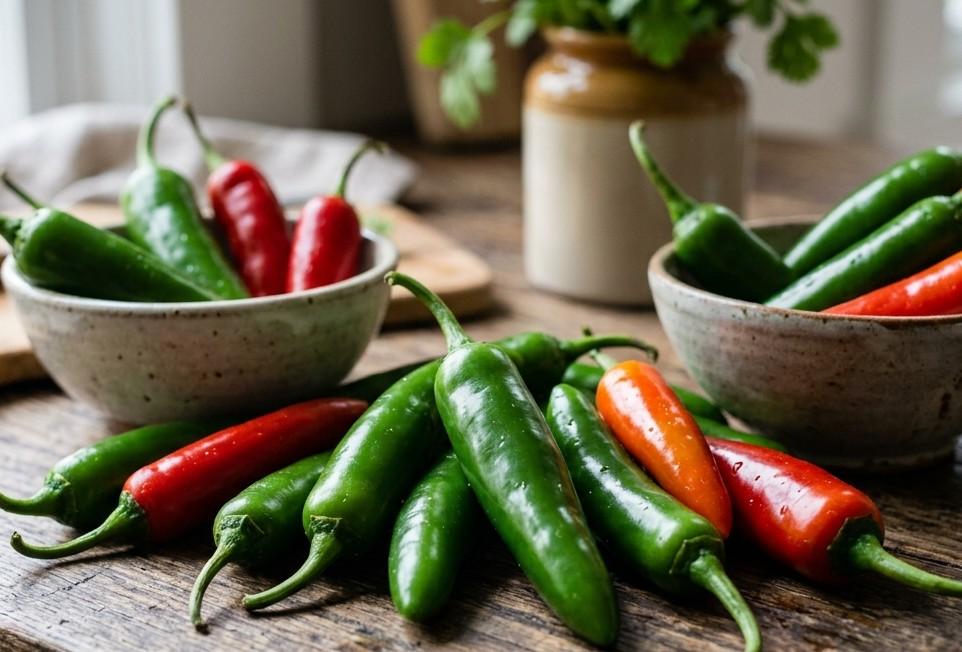
Serrano peppers (also known as Serrano chile, Serrano chili pepper, or Chile Serrano) are among the most popular chili peppers in the world, valued for their bright flavor, moderate-to-high heat, and versatility in cooking. Native to the mountainous regions of Mexico, these small green peppers add a spicy kick to salsas, sauces, salads, soups, and countless traditional dishes. Beyond their culinary appeal, serrano peppers contain vitamins, minerals, antioxidants, and plant compounds that may support overall health when consumed as part of a balanced diet.
What is Serrano Pepper?
Serrano pepper is a medium-hot chili pepper belonging to the Capsicum annuum species. It originated in the mountainous regions of the Mexican states of Puebla and Hidalgo. The name “serrano” comes from the Spanish word “sierra,” meaning mountains.
Serrano peppers are typically 1 to 4 inches long and have a smooth, glossy appearance. They are usually harvested while green but can turn red, yellow, orange, or brown as they mature. On the Scoville Heat Scale, serrano peppers generally range from 10,000 to 23,000 Scoville Heat Units (SHU), making them significantly hotter than jalapeños.
They are commonly used fresh because of their crisp texture and vibrant flavor. Serrano peppers are rich in vitamin C, vitamin A, antioxidants, and capsaicin, the compound responsible for their spicy heat.
Nutrition Facts of Serrano Pepper
| Nutrient | Amount (Per 100 Grams of Raw Serrano Pepper) |
|---|---|
| Calories | 32 kcal |
| Water | 91 g |
| Protein | 1.7 g |
| Carbohydrates | 6.7 g |
| Dietary Fiber | 3.7 g |
| Sugars | 4 g |
| Fat | 0.4 g |
| Vitamin C | 67 mg |
| Vitamin A | 48 mcg |
| Vitamin K | 18 mcg |
| Folate | 10 mcg |
| Potassium | 305 mg |
| Calcium | 12 mg |
| Magnesium | 15 mg |
| Iron | 0.4 mg |
| Phosphorus | 31 mg |
| Sodium | 10 mg |
20 Proven Health Benefits of Serrano Pepper
- Rich in Vitamin C: Serrano peppers provide high amounts of vitamin C, which helps support immune function and collagen production.
- Powerful Antioxidant Source: The antioxidants in serrano peppers help protect cells from oxidative stress and free radical damage.
- Supports Immune Health: Regular consumption may strengthen the body’s natural defense system against infections.
- Promotes Healthy Skin: Vitamin C helps maintain skin elasticity and supports healthy collagen formation.
- May Boost Metabolism: Capsaicin may increase calorie burning and enhance metabolic activity.
- Supports Weight Management: The heat from serrano peppers may help reduce appetite and improve satiety.
- Promotes Heart Health: Serrano peppers contain compounds that may help support healthy blood circulation.
- May Help Lower Cholesterol: Capsaicin may contribute to maintaining healthy cholesterol levels.
- Supports Healthy Blood Pressure: Potassium content helps balance sodium levels and supports cardiovascular health.
- Aids Digestion: Serrano peppers may stimulate digestive secretions that assist in food breakdown.
- May Improve Circulation: Capsaicin can help encourage healthy blood flow throughout the body.
- Supports Eye Health: Vitamin A contributes to maintaining normal vision and eye function.
- May Have Anti-Inflammatory Properties: Capsaicin possesses natural anti-inflammatory effects that may support overall wellness.
- Supports Respiratory Health: Spicy peppers may help clear nasal passages and promote easier breathing.
- May Assist Blood Sugar Control: Some studies suggest capsaicin may help support healthy glucose metabolism.
- Provides Natural Pain Relief: Capsaicin is widely studied for its potential pain-relieving properties.
- Supports Brain Function: Antioxidants help protect brain cells from oxidative damage.
- May Promote Longevity: Diets rich in peppers are associated with various long-term health benefits.
- Supports Bone Health: Vitamin K contributes to maintaining healthy bones and proper blood clotting.
- Low in Calories: Serrano peppers add flavor and nutrition to meals without significantly increasing calorie intake.
10 Side Effects of Serrano Pepper
- Digestive Irritation: Eating large amounts may cause stomach discomfort, especially in sensitive individuals.
- Heartburn Risk: Serrano peppers can trigger acid reflux or heartburn in some people.
- Mouth Burning Sensation: Their capsaicin content may cause temporary burning in the mouth and throat.
- Stomach Pain: Excessive intake may lead to abdominal pain or cramping.
- Diarrhea: High consumption may stimulate the digestive tract and cause loose stools.
- Skin Irritation: Direct handling can irritate the skin and eyes if proper care is not taken.
- Worsened Ulcer Symptoms: People with certain gastrointestinal conditions may experience increased discomfort.
- Allergic Reactions: Although uncommon, some individuals may develop allergic symptoms after consumption.
- Sleep Disruption: Consuming spicy foods late at night may interfere with sleep quality in sensitive individuals.
- Medication Interactions: Capsaicin may interact with certain medications and supplements.
How to Eat Serrano Pepper?
Serrano peppers can be enjoyed in numerous ways:
- Add finely chopped serrano peppers to fresh salsa.
- Mix them into guacamole for extra heat.
- Use them in soups and stews.
- Blend them into hot sauces.
- Add thin slices to salads.
- Include them in tacos and burritos.
- Stir-fry them with vegetables.
- Roast or grill them for a smoky flavor.
- Add them to egg dishes and omelets.
- Use them in marinades and dressings.
Tips for Consuming Serrano Pepper
- Start with small amounts if you are not accustomed to spicy foods.
- Remove seeds and membranes to reduce heat.
- Wear gloves when handling large quantities.
- Pair with dairy products if the heat becomes overwhelming.
- Drink milk rather than water to ease spice-related discomfort.
- Use fresh peppers for maximum flavor and nutritional value.
- Combine with healthy fats to improve nutrient absorption.
- Avoid excessive intake if you have digestive sensitivities.
- Wash hands thoroughly after handling.
- Store properly to maintain freshness.
Other Uses of Serrano Pepper
- Homemade Hot Sauce Ingredient: Serrano chili peppers are widely used to create flavorful hot sauces.
- Salsa Preparation: They add heat and freshness to traditional and modern salsas.
- Pickling Applications: Serrano chili peppers can be pickled for long-term storage and flavor enhancement.
- Marinade Enhancement: They provide spice and complexity to meat and vegetable marinades.
- Flavoring Oils: Serrano peppers can be infused into cooking oils for extra heat.
- Seasoning Soups: They are commonly used to spice up broths and soups.
- Food Garnishing: Thin slices make attractive and flavorful garnishes.
- Preserve Making: Serrano chili peppers are used in spicy jams and preserves.
- Fermented Products: They are often included in fermented sauces and condiments.
- Garden Cultivation: Serrano plants are popular among home gardeners for their productivity.
How Much Serrano Pepper Can You Eat in a Day?
There is no official recommended daily intake for serrano peppers. For most healthy adults, consuming 1–2 fresh serrano peppers per day is generally considered reasonable and safe as part of a balanced diet.
Individuals with a higher tolerance for spicy foods may consume more, while those with digestive sensitivities may need smaller amounts. Moderation is important to avoid gastrointestinal discomfort.
| Form | Typical Daily Amount |
|---|---|
| Fresh Serrano Pepper | 1–2 peppers |
| Chopped Serrano | 1–3 tablespoons |
| Serrano Salsa | 2–4 tablespoons |
| Serrano Sauce | 1–2 teaspoons |
| Dried Serrano Powder | ¼–½ teaspoon |
Dosage may vary depending on spice tolerance, age, health status, and dietary needs.
Best Time to Eat Serrano Pepper
- With Lunch: Helps add flavor and may support digestion during the day.
- At Dinner: Can enhance meals when consumed in moderate amounts.
- Before Physical Activity: Some individuals enjoy spicy foods before exercise for a temporary metabolic boost.
- During Main Meals: Eating serrano chili peppers with food may reduce digestive irritation.
- Earlier in the Day: May be preferable for those prone to nighttime heartburn.
Who Should Eat Serrano Pepper?
- Healthy Adults: Can enjoy serrano chili peppers as part of a nutritious diet.
- Weight Management Seekers: May benefit from their low-calorie and flavorful nature.
- Athletes: Can use them to add nutrients and variety to meals.
- People Seeking More Vitamin C: Serrano peppers are naturally rich in this essential nutrient.
- Vegetarians and Vegans: Provide vitamins, antioxidants, and flavor without animal products.
- Heart-Conscious Individuals: May support cardiovascular wellness when included in a balanced diet.
- Home Cooks: Useful for enhancing flavor without excessive calories.
- Spice Enthusiasts: Offer a satisfying level of heat and taste.
- People Looking to Increase Vegetable Intake: Serrano chili peppers can contribute to daily vegetable consumption.
- Individuals Seeking Antioxidants: Provide compounds that help combat oxidative stress.
Who Should Not Eat Serrano Pepper?
- People with Acid Reflux: Serrano chili peppers may worsen symptoms.
- Individuals with Severe Heartburn: Spicy foods can trigger discomfort.
- Those with Sensitive Stomachs: Capsaicin may cause irritation.
- People with Active Ulcers: Spicy foods may aggravate symptoms.
- Individuals Allergic to Peppers: Consumption should be avoided.
- People with Irritable Bowel Syndrome (IBS): Spicy foods may trigger digestive symptoms.
- Young Children Sensitive to Spice: High heat levels may be uncomfortable.
- People Recovering from Digestive Surgery: Spicy foods may not be well tolerated.
- Individuals with Chronic Gastritis: Serrano chili peppers may increase irritation.
- People Advised by Doctors to Avoid Spicy Foods: Medical advice should always take priority.
How to Store Serrano Pepper?
- Refrigerate Fresh Peppers: Store whole serrano chili peppers in the refrigerator to extend freshness.
- Use Airtight Containers: Proper containers help reduce moisture loss.
- Keep Them Dry: Excess moisture can promote spoilage.
- Freeze for Long-Term Storage: Frozen peppers can last several months.
- Slice Before Freezing: Pre-cut peppers are easier to use later.
- Store Away from Sunlight: Direct sunlight can accelerate deterioration.
- Check Regularly: Remove spoiled peppers to prevent contamination.
- Use Paper Towels: Paper towels help absorb excess moisture.
- Dry for Preservation: Dehydrated peppers can be stored for extended periods.
- Label Storage Dates: Tracking dates helps maintain quality and safety.
Precautions and Interactions
- Start Slowly: Begin with small portions if you are unfamiliar with spicy foods.
- Avoid Eye Contact: Capsaicin can cause significant eye irritation.
- Wear Gloves During Preparation: Gloves help prevent skin irritation.
- Monitor Digestive Reactions: Reduce intake if discomfort occurs.
- Consult a Healthcare Provider: Seek medical guidance if you have chronic digestive disorders.
- Use Caution with Blood Thinners: Capsaicin may potentially affect certain medications.
- Be Careful During Pregnancy: Moderate consumption is generally acceptable, but excessive intake should be avoided.
- Monitor Children’s Intake: Introduce spicy foods gradually and appropriately.
- Stay Hydrated: Adequate hydration may help reduce spice-related discomfort.
- Avoid Excessive Consumption: Large amounts may increase the risk of digestive side effects.
Conclusion
Serrano pepper is a flavorful, nutrient-rich chili that offers much more than heat. Packed with vitamin C, antioxidants, capsaicin, and essential nutrients, it may support immune health, metabolism, cardiovascular wellness, and overall nutrition. Whether used fresh in salsa, blended into sauces, or added to cooked dishes, serrano chili peppers can be a healthy addition to a balanced diet when consumed in moderation. While most people can enjoy serrano chili peppers safely, individuals with digestive sensitivities or certain medical conditions should exercise caution.
FAQ’s
Is serrano pepper hotter than jalapeño?
Yes, serrano chili peppers are generally hotter than jalapeños. Serrano peppers range from 10,000–23,000 Scoville Heat Units (SHU), while jalapeños typically range from 2,500–8,000 SHU.
Can I eat serrano peppers raw?
Yes, serrano chili peppers can be eaten raw and are commonly added to salsas, salads, guacamole, and sandwiches.
What does a serrano pepper taste like?
Serrano chili peppers have a bright, fresh, crisp flavor with a noticeable spicy kick and slightly grassy notes.
Are serrano peppers good for weight loss?
They may support weight management because they are low in calories and contain capsaicin, which may help boost metabolism and promote fullness.
Can serrano peppers help boost immunity?
Yes, serrano chili peppers are rich in vitamin C, which plays an important role in supporting a healthy immune system.
Are serrano peppers healthy?
Yes, they contain vitamins, minerals, antioxidants, fiber, and capsaicin, making them a nutritious addition to many meals.
Can serrano peppers cause stomach problems?
Yes, excessive consumption may cause heartburn, stomach irritation, abdominal discomfort, or diarrhea in sensitive individuals.
Are serrano peppers safe during pregnancy?
Moderate consumption is generally considered safe, but pregnant women who experience heartburn or digestive discomfort may need to limit spicy foods.
Do serrano peppers contain vitamin C?
Yes, serrano chili peppers are an excellent source of vitamin C, which supports immunity, skin health, and antioxidant protection.
Can people with diabetes eat serrano peppers?
Yes, serrano chili peppers can be part of a healthy diet for people with diabetes, though they should follow their healthcare provider’s dietary recommendations.
Can serrano peppers be frozen?
Yes, serrano chili peppers freeze well and can be stored in the freezer for several months.
What is the best way to reduce the heat of a serrano pepper?
Removing the seeds and inner membranes can reduce some of the heat, though much of the capsaicin remains in the flesh.
What are serrano peppers good for?
Serrano chili peppers are good for adding flavor and heat to foods while providing vitamin C, antioxidants, and other beneficial nutrients.
Can I eat Serrano Pepper every day?
Yes, most healthy adults can eat serrano chili peppers daily in moderate amounts as part of a balanced diet.
Is Serrano Pepper safe for children?
Yes, but only in very small amounts. Its spicy heat may be too strong for young children.
Do Indians use serrano peppers?
Serrano chili peppers are not traditional in Indian cuisine, but they are sometimes used as a substitute for green chilies in modern recipes.
What is a good substitute for serrano peppers?
Jalapeños, Fresno peppers, Thai chilies, and cayenne peppers are common substitutes depending on the desired heat level.
What is another name for serrano pepper?
Serrano chili pepper is commonly known simply as “serrano chile” or “serrano chili.”
Can I use jalapeños instead of serrano?
Yes, jalapeños can replace serrano chili peppers, though they are generally milder and slightly less spicy.
Which is hotter, serrano or habanero?
Habanero peppers are much hotter than serrano chili peppers, often reaching 100,000–350,000 Scoville Heat Units.
What are the best uses for serrano peppers?
They are excellent in salsas, guacamole, hot sauces, tacos, soups, stir-fries, and marinades.
What pairs with serrano peppers?
Serrano chili peppers pair well with tomatoes, onions, garlic, avocado, lime, cilantro, chicken, seafood, and cheese.
Does boiling serrano peppers make them hotter?
No, boiling generally reduces their heat slightly because some capsaicin can leach into the cooking liquid.
Also Read: