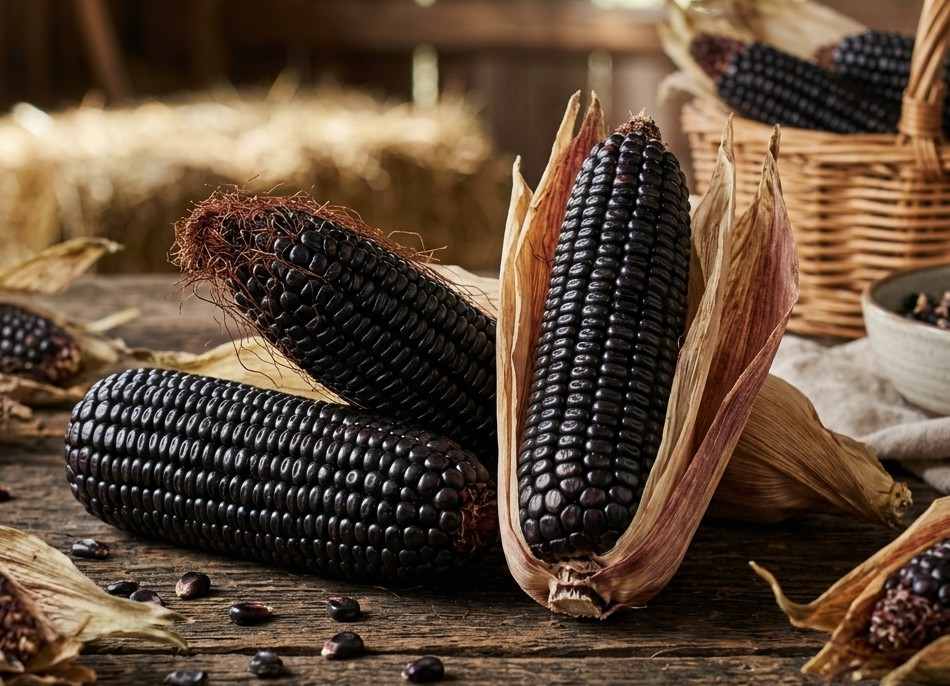
Black corn (also known as purple corn, or black maize) is an eye-catching variety of corn known for its deep purple-to-black kernels and slightly sweet, earthy flavor. Unlike ordinary yellow corn, black corn contains naturally occurring pigments called anthocyanins, which are also found in foods such as purple cabbage, blueberries, and black rice.
These plant compounds have antioxidant properties, making black corn an interesting addition to a balanced diet. However, black corn is still a starchy grain, so portion size and preparation method matter.
What Is Black Corn?
Black corn is a naturally pigmented variety of maize (Zea mays) whose kernels range from dark purple to nearly black. The dark color is mainly associated with anthocyanin pigments, particularly cyanidin-based compounds.
Black corn can be eaten fresh, boiled, steamed, roasted, grilled, or incorporated into soups, salads, stir-fries, and other dishes. It can also be dried and ground into flour or meal.
The exact nutritional composition varies depending on the variety, maturity, growing conditions, and cooking method. Its most notable nutritional feature is its concentration of anthocyanins and other polyphenolic compounds.
Nutrition Facts of Black Corn
The following values are approximate and can vary by variety and preparation method. Fresh Purple corn is nutritionally similar to other types of sweet corn while providing additional pigmented plant compounds.
| Nutrient | Approximate Amount per 100 g |
|---|---|
| Calories | 85–100 kcal |
| Carbohydrates | 18–22 g |
| Protein | 3–4 g |
| Fat | 1–2 g |
| Dietary Fiber | 2–3 g |
| Natural Sugars | 5–7 g |
| Potassium | 200–300 mg |
| Magnesium | 30–40 mg |
| Phosphorus | 70–100 mg |
| Vitamin C | 5–8 mg |
| Folate | 40–50 mcg |
| Vitamin B6 | 0.1–0.2 mg |
| Anthocyanins | Variable |
20 Proven Health Benefits of Black Corn
- Rich in Antioxidants: Black corn contains anthocyanins and other polyphenols that can help protect cells from oxidative stress.
- Supports Heart Health: Its fiber and antioxidant compounds can complement an overall heart-healthy eating pattern.
- Provides Dietary Fiber: The fiber in black corn supports normal digestion and helps add bulk to the stool.
- May Support Healthy Blood Sugar: Its fiber and polyphenolic compounds may help moderate the digestion and absorption of carbohydrates.
- Supports Digestive Health: Regularly eating fiber-containing foods such as black corn can contribute to a healthy digestive system.
- Provides Plant-Based Energy: Its carbohydrates provide glucose that the body can use for daily energy and physical activity.
- Supports Gut Microbes: Corn fiber can provide fermentable material that beneficial intestinal bacteria can use.
- Provides Folate: Purple corn supplies folate, a B vitamin needed for DNA synthesis and normal cell division.
- Supports Normal Metabolism: B vitamins present in corn participate in normal energy metabolism.
- Provides Magnesium: Black corn contributes a modest amount of magnesium, which is involved in muscle and nerve function.
- Provides Phosphorus: Its phosphorus content contributes to normal bone structure and cellular energy processes.
- Supports Immune Function: Vitamin C and other plant compounds contribute to normal immune-system function.
- May Help Increase Antioxidant Variety: Including differently colored plant foods can provide a broader range of beneficial phytochemicals.
- Supports Eye Health: Corn contains carotenoid compounds such as lutein and zeaxanthin, which are associated with eye health.
- May Support Healthy Cholesterol Levels: Its dietary fiber can be part of a diet that supports healthy cholesterol management.
- Supports Satiety: The combination of carbohydrates and fiber can help make meals more filling.
- May Support Healthy Aging: Antioxidant-rich foods can help reduce exposure to oxidative stress associated with cellular aging.
- Adds Nutritional Variety: Black corn provides a different combination of pigments and nutrients compared with conventional yellow or white corn.
- Can Support a Balanced Diet: It can contribute carbohydrates, fiber, vitamins, minerals, and plant compounds when included as part of varied meals.
- Provides Naturally Occurring Polyphenols: Its dark pigmentation reflects naturally occurring compounds that have been studied for their antioxidant activity.
10 Side Effects of Black Corn
- Bloating: Eating a large amount of black corn may cause bloating because of its carbohydrate and fiber content.
- Gas: Increased fiber intake can temporarily increase intestinal gas, especially in people who are not accustomed to high-fiber foods.
- Abdominal Discomfort: Large portions may cause stomach discomfort in some sensitive individuals.
- Loose Stools: Eating excessive amounts may contribute to loose stools because of its fiber content.
- Constipation in Some Situations: Eating corn without enough fluids and dietary variety may contribute to constipation in some people.
- Blood Sugar Rise: Black corn still contains carbohydrates and may raise blood glucose, particularly when eaten in large portions.
- Allergic Reaction: Although uncommon, people with corn allergy can develop symptoms after consuming corn.
- Digestive Difficulty: Some people may find whole corn kernels difficult to digest completely.
- Calorie Intake: Large servings combined with butter, cheese, sugar, or high-calorie sauces can substantially increase the calorie content of a meal.
- Foodborne Illness: Improperly stored or cooked corn can become contaminated with microorganisms and cause foodborne illness.
How to Eat Black Corn?
Black corn can be eaten in many of the same ways as other corn varieties. Fresh kernels can be boiled, steamed, grilled, roasted, or added to salads and vegetable dishes.
You can also remove the kernels from the cob and add them to soups, curries, stir-fries, tacos, grain bowls, or homemade salsa. Dried black corn can be processed into flour or meal and used in traditional breads, porridges, tortillas, and other recipes.
For a simple preparation, cook the corn and eat it with a small amount of lemon juice, herbs, or spices rather than relying heavily on butter, salt, or sugary toppings.
Tips for Consuming Black Corn
- Choose fresh ears with firm kernels and a clean, intact husk.
- Wash fresh corn thoroughly before preparation.
- Start with a moderate serving if you are not accustomed to high-fiber foods.
- Pair black corn with vegetables and a protein source for a more balanced meal.
- Avoid adding excessive butter, salt, sugar, or high-calorie sauces.
- Use steaming or boiling when you want a simple preparation method.
- Grilling can add flavor, but avoid heavily charring the corn.
- If using canned black corn, check the sodium content and drain and rinse it when appropriate.
- Refrigerate cooked corn promptly rather than leaving it at room temperature for long periods.
- Include different whole grains and vegetables rather than relying on Purple corn as your only source of fiber.
How to Cook Black Corn?
Boiling
Remove the husk and silk, wash the corn, and place the ears in boiling water. Cook until the kernels become tender, then drain and serve.
Steaming
Place cleaned ears in a steamer and cook until the kernels become tender. Steaming is a convenient option when you want to minimize contact with water.
Grilling
Brush the corn lightly with oil if desired and grill it while turning regularly until the kernels are tender and lightly charred. Avoid excessive charring.
Roasting
Place cleaned corn on a baking tray and roast until tender. Season with herbs, lemon, pepper, or other spices after cooking.
Cooking the Kernels
Remove the kernels from the cob and sauté them with vegetables, herbs, beans, or other ingredients for a quick meal.
Other Uses of Black Corn
- Corn Flour: Dried black corn can be ground into flour or meal for breads, porridges, tortillas, and other preparations.
- Soups: Purple corn kernels can add texture, color, and nutrients to vegetable and bean soups.
- Salads: Cooked kernels can be mixed with leafy greens, beans, tomatoes, and other vegetables.
- Salsa: Purple corn can be combined with tomatoes, onions, peppers, herbs, and lime for a colorful salsa.
- Stir-Fries: Kernels can be added to vegetable stir-fries for extra carbohydrates and texture.
- Snack Foods: Roasted corn kernels can be used as a crunchy snack when prepared with moderate amounts of oil and salt.
- Cornmeal Dishes: Ground black corn can be incorporated into traditional cornmeal-based recipes.
- Baked Foods: Purple corn flour can contribute color and flavor to selected breads and baked products.
- Grain Bowls: Cooked Purple corn works well with beans, vegetables, whole grains, and lean proteins.
- Food Coloring: Its natural anthocyanin pigments have potential applications as natural food colorants, although commercial extraction and stability depend on processing conditions.
How Much Black Corn Can You Eat in a Day?
There is no universally established daily serving specifically for black corn. For most healthy adults, about ½ to 1 cup of cooked black corn can fit comfortably into a balanced meal, depending on total carbohydrate and calorie needs.
People with diabetes or those following a carbohydrate-controlled diet should consider the carbohydrate content of their entire meal rather than treating black corn as a carbohydrate-free vegetable.
Best Time to Eat Black Corn
There is no medically established best time to eat black corn. It can be included at breakfast, lunch, or dinner according to personal preference.
Eating it alongside protein, vegetables, and healthy fats may create a more balanced meal and can help slow the overall digestion of a carbohydrate-rich meal.
Who Should Eat Black Corn?
- Healthy Adults: Most healthy adults can include moderate portions of black corn as part of a varied diet.
- People Seeking More Plant Foods: Purple corn can add variety to diets that include different vegetables, fruits, legumes, and whole grains.
- People Looking for Fiber: Its dietary fiber can contribute to daily fiber intake.
- Active Individuals: Its carbohydrates can provide energy that supports physical activity.
- People Interested in Colorful Foods: Purple corn provides naturally occurring anthocyanin pigments associated with dark-colored plant foods.
- Vegetarians and Vegans: Plain black corn is a plant-based food that can be incorporated into vegetarian and vegan meals.
- People Wanting Meal Variety: Its distinctive color and flavor can make familiar meals more varied and appealing.
Who Should Not Eat Black Corn?
- People With Corn Allergy: Anyone with a confirmed corn allergy should avoid black corn unless advised otherwise by a qualified healthcare professional.
- People With Significant Digestive Sensitivity: Individuals who experience symptoms after eating corn or high-fiber foods may need to limit their portion.
- People Following Strict Carbohydrate Limits: Those on medically prescribed carbohydrate-restricted diets should account for black corn’s carbohydrate content.
- People With Certain Gastrointestinal Conditions: Individuals whose healthcare professional has recommended limiting specific high-fiber foods may need to adjust their intake.
- People With Food Intolerances: Anyone who repeatedly develops symptoms after eating corn should discuss the reaction with a healthcare professional.
- People Eating Very Large Portions: Even nutritious foods can contribute excess calories or carbohydrates when consumed in excessive quantities.
How to Store Black Corn?
- Fresh Corn: Keep fresh Purple corn refrigerated and use it as soon as practical for better quality.
- Cooked Corn: Refrigerate cooked corn in a covered container and use it within a few days.
- Cut Kernels: Store removed kernels in an airtight container in the refrigerator.
- Frozen Corn: Freeze properly prepared kernels in suitable freezer-safe packaging for longer storage.
- Dried Corn: Store dried black corn in a cool, dry, dark place in an airtight container.
- Corn Flour: Keep Purple corn flour sealed and dry, and follow the package storage instructions.
- Check for Spoilage: Discard corn showing mold, unusual odors, sliminess, or other clear signs of spoilage.
Precautions and Interactions
- Watch Portion Size: Purple corn contains carbohydrates, so portion size matters for people monitoring blood glucose or total carbohydrate intake.
- Increase Fiber Gradually: People who are not accustomed to high-fiber foods should increase their intake gradually to reduce digestive discomfort.
- Drink Adequate Fluids: Adequate fluid intake can help support normal digestion when increasing dietary fiber.
- Check Allergy History: Avoid Purple corn if you have a known corn allergy.
- Monitor Added Ingredients: Butter, cheese, sugar, and salty sauces can substantially change the nutritional profile of a black-corn dish.
- Consider Diabetes Management: People taking glucose-lowering medication should include purple corn within their individualized carbohydrate plan.
- Follow Medical Diets: If you have been prescribed a specific therapeutic diet, ask your healthcare professional how black corn fits into it.
- Practice Food Safety: Refrigerate cooked corn promptly and avoid consuming food that has been improperly stored.
- Do Not Treat It as Medicine: Purple corn can be a nutritious food, but it should not be used as a replacement for prescribed treatment.
- Discuss Persistent Reactions: Recurrent digestive or allergic symptoms after eating corn should be evaluated by a healthcare professional.
FAQ’s
What is black corn good for?
Purple corn provides carbohydrates, dietary fiber, vitamins, minerals, and antioxidant plant compounds that can support a balanced diet.
Is black corn healthy?
Yes, Purple corn can be a nutritious food when eaten in moderate portions as part of a varied and balanced diet.
Is black corn high in antioxidants?
Purple corn contains anthocyanins and other polyphenolic compounds with antioxidant activity.
Is black corn good for weight loss?
Purple corn can fit into a weight-management diet because it provides fiber and can be filling, but portion size and the overall diet are more important than the type of corn alone.
Is black corn good for diabetes?
Purple corn contains carbohydrates and can raise blood glucose, so people with diabetes should monitor portions and include it within their individual carbohydrate plan.
Does black corn have more antioxidants than yellow corn?
Black and purple corn varieties are particularly notable for anthocyanins, while yellow corn contains different antioxidant carotenoids such as lutein and zeaxanthin.
Can you eat black corn every day?
Most healthy adults can eat moderate amounts of purple corn regularly as part of a varied diet, provided it fits their overall nutritional needs.
Can pregnant women eat black corn?
Cooked Purple corn can generally be included in a pregnancy diet when properly prepared and stored, provided there is no corn allergy or individual dietary restriction.
Is black corn safe for children?
Properly cooked purple corn can be included in children’s diets in age-appropriate portions, with attention to texture and choking risk in young children.
Is black corn good for digestion?
Purple corn provides dietary fiber, which can support normal bowel function and digestive health.
Does black corn cause gas?
It can cause gas or bloating in some people, particularly when eaten in large portions or when the digestive system is not accustomed to higher fiber intake.
Can black corn cause constipation?
Purple corn itself is not usually a cause of constipation, but inadequate fluid intake and an overall low-fiber diet can contribute to constipation.
Can black corn help control blood sugar?
Its fiber and plant compounds may influence carbohydrate digestion, but purple corn still contains carbohydrates and should not be considered a treatment for blood sugar problems.
Does black corn contain protein?
Yes, Purple corn contains a modest amount of plant protein, although it is not considered a high-protein food.
Is black corn gluten-free?
Plain corn is naturally gluten-free, so unprocessed purple corn is generally suitable for gluten-free diets, although cross-contact during processing should be considered.
Can black corn be eaten at night?
Yes, Purple corn can be eaten at night if it fits your dietary needs and does not cause digestive discomfort.
Is black corn better boiled or roasted?
Both methods can be suitable, but boiling or steaming can provide a simple preparation with little added fat, while roasting or grilling can add a deeper flavor.
What does black corn taste like?
Purple corn can have a sweet, earthy, nutty, or slightly chewy flavor depending on its variety and maturity.
Can black corn be used to make flour?
Yes, dried purple corn can be ground into flour or meal and used in various traditional and modern recipes.
Does black corn contain anthocyanins?
Yes, the dark pigmentation of many black and purple corn varieties comes largely from anthocyanin pigments.
Is black corn good for the heart?
Purple corn can contribute fiber and antioxidant compounds to a heart-supportive diet, but it should be considered one food within an overall healthy eating pattern.
Does black corn contain fiber?
Yes, Purple corn provides dietary fiber, although the exact amount varies according to variety and preparation.
Can black corn be eaten raw?
Fresh corn can be eaten raw, but cooking generally makes the kernels softer and more suitable for many recipes.
Can black corn cause an allergic reaction?
Yes, people with a corn allergy can potentially experience an allergic reaction after consuming purple corn.
Is black corn a superfood?
Purple corn is a nutrient-containing whole food with anthocyanins and other beneficial compounds, but the term “superfood” has no standardized medical definition.
Can black corn be used in salads?
Yes, cooked purple corn kernels can add color, texture, fiber, and carbohydrates to salads.
Is black corn good for skin?
Its vitamin and antioxidant compounds can contribute to overall nutritional support for healthy skin, although eating purple corn should not be considered a treatment for skin conditions.
Does black corn have more calories than yellow corn?
Fresh black and yellow corn can have broadly similar calorie contents, although the exact nutritional values vary according to variety and preparation.
Can black corn help with anemia?
Purple corn provides some nutrients involved in normal blood formation, but it is not a treatment for iron-deficiency anemia and should not replace appropriate medical care.
Does Black Corn Taste Like Yellow Corn?
Purple corn can taste similar to yellow corn, but many varieties have a slightly sweeter, earthier, nuttier, or chewier flavor depending on the variety and maturity.
Where Can You Find Black Corn?
Purple corn can be found at specialty farmers’ markets, local produce markets, some supermarkets, seed suppliers, and online stores, particularly in regions where specialty or heirloom corn varieties are grown.
Is black corn healthier than yellow corn?
Purple corn offers many of the same nutrients as other corn varieties while providing additional anthocyanin pigments. Healthfulness depends on the overall diet and preparation method rather than color alone.
Is black corn a grain or a vegetable?
Botanically, corn is a grain, while fresh corn is commonly classified and eaten as a starchy vegetable in everyday nutrition.
Sources / References:
Disclaimer:
This guide is for general educational purposes only and does not replace professional medical advice, diagnosis, or treatment. Consult a qualified healthcare professional for personalized dietary or health guidance.
Also Read: