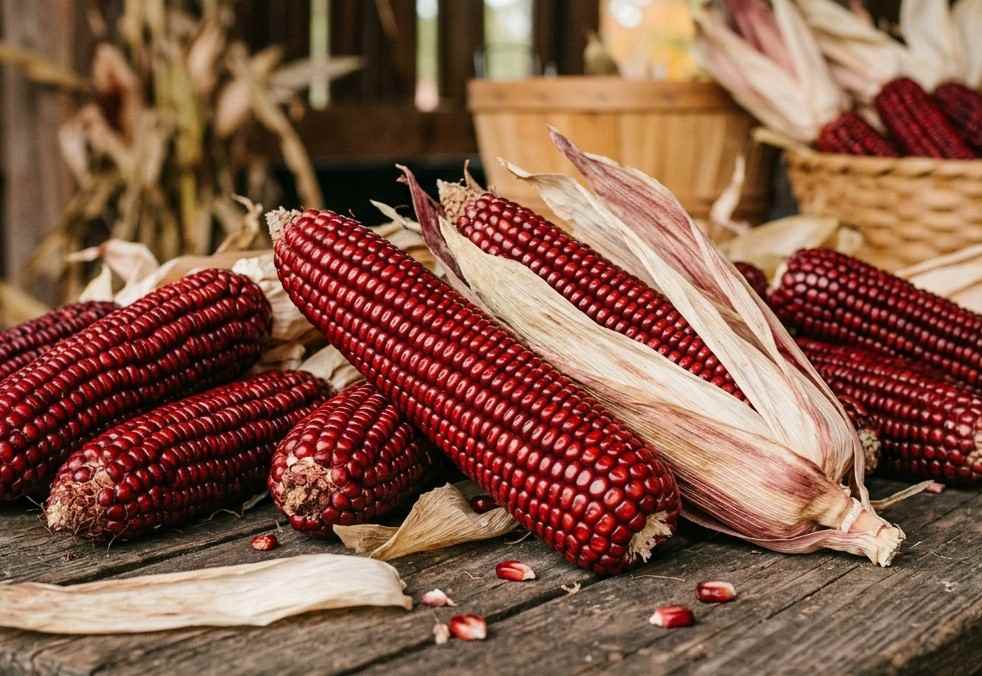
Red corn, also known as red maize, is a colorful variety of maize that has attracted attention because of its distinctive red kernels and naturally occurring plant compounds. Unlike ordinary yellow or white corn, red corn contains pigments such as anthocyanins and other phenolic compounds that contribute to its color and antioxidant activity.
It can be eaten as a whole grain or used to prepare tortillas, porridge, roasted corn, flour, snacks, and other traditional foods. However, it is important to distinguish the potential health effects of red corn itself from laboratory research on concentrated extracts. Human research specifically on red corn remains limited.
What Is Red Corn?
Red corn is a pigmented variety of Zea mays with kernels ranging from pinkish-red to deep red, depending on the variety and growing conditions. The red coloration is associated mainly with phenolic pigments, including anthocyanins and phlobaphenes, which can be concentrated in the outer layers of the kernel.
Research on pigmented corn shows that red varieties can contain anthocyanins, phenolic acids, flavonoids, and other phytochemicals. The exact amounts vary considerably between varieties, maturity stages, growing conditions, and analytical methods.
Red corn is still a carbohydrate-rich cereal, so its overall nutritional value depends on how it is prepared. Whole-kernel red corn generally provides more fiber and naturally occurring micronutrients than highly refined corn products.
Nutrition Facts of Red Corn
There is no single standardized nutrition profile for all red corn varieties because nutritional composition varies by cultivar, maturity, and preparation. The following is an general nutritional picture for whole corn, while the distinctive feature of red maize is its additional pigmented phytochemicals.
| Nutrient/Compound | Approximate Role |
|---|---|
| Carbohydrates | Main source of energy |
| Dietary fiber | Supports digestion and bowel regularity |
| Protein | Contributes to tissue maintenance |
| Fat | Provides small amounts of essential fatty acids |
| Magnesium | Supports normal muscle and nerve function |
| Phosphorus | Important for bones and energy metabolism |
| Potassium | Helps support normal fluid and muscle function |
| Iron | Required for hemoglobin formation |
| Zinc | Supports immune and cellular functions |
| Folate | Important for cell division and DNA synthesis |
| Thiamin (Vitamin B1) | Helps convert food into energy |
| Vitamin B6 | Involved in amino-acid metabolism |
| Phenolic compounds | Plant compounds with antioxidant activity |
| Anthocyanins | Pigments with antioxidant potential |
| Ferulic acid | A naturally occurring phenolic acid |
| Phlobaphenes | Red pigments found in some red corn varieties |
The amounts of anthocyanins in pigmented corn can vary widely, and red maize is not necessarily higher in every antioxidant compound than blue or purple corn.
20 Health Benefits of Red Corn
1. Provides Antioxidant Compounds: Red corn contains phenolic compounds and anthocyanins that demonstrate antioxidant activity, although much of the evidence comes from laboratory and experimental research rather than large human trials.
2. Supports Digestive Health: Whole red corn provides dietary fiber, which adds bulk to stool and can support regular bowel movements.
3. Helps Increase Fiber Intake: Including whole-kernel red maize in meals can contribute to the daily intake of dietary fiber.
4. Provides Complex Carbohydrates: Red corn supplies carbohydrates that can be used as an important source of dietary energy.
5. Contains Plant Polyphenols: Red corn contains several phenolic compounds, including phenolic acids and flavonoid-related compounds.
6. May Help Protect Cells From Oxidative Stress: Its antioxidant compounds can neutralize or reduce oxidative reactions in laboratory models, although this does not prove that eating red corn prevents disease in humans.
7. Supports a Whole-Food Eating Pattern: Whole-kernel corn can be incorporated into meals alongside vegetables, legumes, fruits, and protein foods.
8. Provides Magnesium: Red corn contributes magnesium, a mineral involved in normal nerve, muscle, and energy-related functions.
9. Provides Phosphorus: Corn contributes phosphorus, which plays an important role in bones, teeth, and cellular energy metabolism.
10. Contributes Potassium: Red corn can contribute potassium to the diet, although it should not be considered a particularly concentrated potassium food.
11. Provides B Vitamins: Corn contains several B vitamins, including thiamin, niacin, and vitamin B6, which participate in normal energy metabolism.
12. May Support Cardiometabolic Health Through Whole-Grain Intake: Research on whole grains and their bioactive compounds suggests potential cardiometabolic benefits, but effects cannot be attributed specifically to red corn alone.
13. Supplies Ferulic Acid: Red corn contains phenolic acids such as ferulic acid, a plant compound with antioxidant properties.
14. Provides Anthocyanins: Depending on the variety, red maize contains anthocyanins that contribute to its pigmentation and antioxidant activity.
15. May Help Promote Satiety: Fiber-containing foods can help increase fullness, particularly when whole corn is eaten as part of a balanced meal.
16. Naturally Adds Color to Meals: Red corn provides naturally occurring pigments that can make meals visually appealing without relying on artificial food coloring.
17. Can Contribute to Nutrient Diversity: Choosing different corn varieties can increase dietary variety and expose the diet to different naturally occurring plant compounds.
18. May Support a Healthy Gut Environment: The fiber in whole corn contributes to overall dietary fiber intake, which is important for normal digestive health.
19. Contains Multiple Bioactive Compounds: Studies of pigmented corn have identified anthocyanins, phenolic acids, flavonoids, and other phytochemicals rather than a single active compound.
20. Can Be Part of a Balanced Diet: When prepared with moderate amounts of salt, oil, and added sugar, red corn can fit into a healthy eating pattern.
10 Side Effects of Red Corn
1. Gas and Bloating: Eating a large amount of fiber-rich corn suddenly may cause gas or bloating, especially in people who are not accustomed to high-fiber foods.
2. Digestive Discomfort: Large portions may cause abdominal discomfort in people with sensitive digestive systems.
3. Loose Stools: Excessive intake may change bowel habits and cause loose stools in some individuals.
4. Constipation From Low Fluid Intake: Increasing fiber without drinking enough fluids may worsen constipation in some people.
5. Blood Sugar Considerations: Red corn still contains carbohydrates, so people monitoring blood glucose should consider portion size and the total carbohydrate content of the meal.
6. Allergy: Corn allergy is uncommon but possible, and sensitive individuals may experience allergic symptoms after consuming corn.
7. Food-Preparation Risks: Undercooked or improperly stored corn-based foods can create food-safety concerns independent of the corn’s nutritional properties.
8. Added-Calorie Concerns: Preparing red corn with large quantities of butter, oil, cheese, sugar, or other calorie-dense ingredients can substantially increase the calories of the meal.
9. Chewing Difficulty: Whole kernels or corn on the cob may be difficult for people with chewing or swallowing problems.
10. Individual Intolerance: Some people may experience digestive symptoms after eating corn even without having a diagnosed allergy.
How to Eat Red Corn?
Red corn can be eaten in several simple ways:
- Boiled or steamed as a side dish.
- Roasted and eaten directly from the cob.
- Added to salads and grain bowls.
- Mixed into soups and stews.
- Added to vegetable stir-fries.
- Ground into red cornmeal or flour.
- Used to make tortillas or flatbreads.
- Cooked as porridge or a savory grain dish.
- Added to beans and other legumes.
- Used in homemade corn-based snacks.
For the greatest nutritional value, whole-kernel preparations are generally preferable to heavily refined products.
Tips for Consuming Red Corn
- Choose Whole Kernels: Whole red maize retains more of the kernel’s natural structure than highly refined corn products.
- Increase Fiber Gradually: If you do not normally eat much fiber, begin with a moderate serving to reduce the chance of bloating.
- Pair With Protein: Combine red corn with beans, lentils, eggs, fish, dairy, or another protein source for a more balanced meal.
- Add Vegetables: Combining red maize with vegetables increases the variety of nutrients and plant compounds in the meal.
- Limit Excess Salt: Avoid making a healthy corn dish overly salty.
- Watch Added Fats: Moderate butter, cream, cheese, and oil if you are trying to keep the meal lower in calories.
- Choose Fresh or Properly Stored Corn: Freshness and safe storage are important for both taste and food safety.
How to Cook Red Corn?
Boiling
- Remove the husks and silk.
- Rinse the corn thoroughly.
- Place the ears in a pot of water.
- Bring the water to a boil.
- Cook until the kernels become tender.
- Drain and serve with herbs, lemon, or a small amount of healthy fat.
Steaming
Steaming can be a simple way to cook red corn while avoiding excessive added fat. Steam the ears until the kernels become tender.
Roasting
Red maize can be roasted on a grill, oven, or suitable stovetop method. Turn the corn regularly so that it cooks evenly.
Cooking Dried Red Corn
Dried red maize usually requires soaking followed by longer cooking. It can be prepared similarly to other dried whole grains and incorporated into soups, stews, porridges, and traditional dishes.
Other Uses of Red Corn
1. Red Cornmeal: Dried red maize can be ground into flour or meal for tortillas, breads, porridges, and baked foods.
2. Tortillas: Red cornmeal can be used to make naturally colored corn tortillas.
3. Porridge: Ground red maize can be cooked into sweet or savory porridge.
4. Corn Snacks: Whole or ground red corn can be used to prepare homemade snacks.
5. Soups and Stews: Cooked red maize kernels can add texture, carbohydrates, and color to soups and stews.
6. Salads: Cooked and cooled kernels can be mixed with vegetables, beans, herbs, and dressings.
7. Natural Food Coloring Research: Pigmented corn is being investigated as a source of natural color compounds, including anthocyanins.
8. Functional Food Research: Researchers are investigating pigmented corn and its phytochemicals for potential applications in functional foods and nutraceutical products.
9. Traditional Foods: Different red corn varieties are used in traditional dishes in regions where pigmented maize is cultivated.
10. Animal Feed: Red maize can also be used in animal feed, although nutritional and production effects depend on the animal, formulation, and proportion used.
How Much Red Corn Can You Eat in a Day?
For most healthy adults, about ½ to 1 cup of cooked red corn kernels as part of a meal is a reasonable practical serving.
There is no official daily recommended amount specifically for red maize. The appropriate portion depends on your overall carbohydrate, calorie, fiber, and vegetable intake.
If you are new to high-fiber foods, start with a smaller serving and increase gradually.
Best Time to Eat Red Corn
There is no scientifically established “best time” to eat red corn.
It can be eaten at breakfast, lunch, or dinner depending on your dietary pattern. Eating it alongside protein, vegetables, and healthy fats may make the meal more balanced.
For people monitoring blood sugar, portion size and the overall carbohydrate content of the meal are more important than a particular clock time.
Who Should Eat Red Corn?
1. People Looking for Whole-Grain Foods: Individuals trying to include more minimally processed grains can use whole red maize as part of a varied diet.
2. People Wanting More Dietary Fiber: Red corn can contribute to daily fiber intake because whole corn contains dietary fiber.
3. People Interested in Plant-Based Foods: Red maize provides carbohydrates, fiber, minerals, and naturally occurring plant compounds.
4. Active Individuals: Its carbohydrate content can contribute energy to meals around physical activity.
5. People Seeking Dietary Variety: Red corn provides a different color and phytochemical profile from conventional yellow or white corn.
6. People Who Enjoy Traditional Foods: Red maize can be incorporated into many traditional and regional recipes.
Who Should Not Eat Red Corn?
1. People With a Confirmed Corn Allergy: Individuals with a diagnosed corn allergy should avoid red corn unless their healthcare professional advises otherwise.
2. People With Significant Digestive Intolerance: Those who repeatedly develop digestive symptoms after eating corn should discuss the symptoms with a healthcare professional.
3. People With Swallowing Difficulties: Whole kernels and corn on the cob may be unsuitable for people with swallowing problems unless appropriately modified.
4. People Following a Medically Prescribed Diet: Individuals with specific dietary restrictions should consider red corn within the limits of their prescribed eating plan.
5. People Monitoring Blood Glucose: Individuals with diabetes do not necessarily need to avoid red maize, but they should account for its carbohydrate content and serving size.
How to Store Red Corn?
- Fresh Corn: Refrigerate fresh red maize and use it relatively soon for the best quality.
- Cooked Corn: Allow cooked corn to cool appropriately and store it in a clean, covered container in the refrigerator.
- Dried Red Corn: Keep dried kernels in an airtight container in a cool, dry, dark location.
- Red Corn Flour: Store cornmeal or flour in a tightly sealed container and follow the package storage instructions.
- Freezing: Cooked or blanched kernels can be frozen in suitable airtight freezer containers or bags.
- Check for Spoilage: Discard corn showing mold, unusual odor, discoloration, or other signs of spoilage.
Precautions and Interactions
1. Portion Size Matters: Red maize contains carbohydrates, so large portions can significantly increase the carbohydrate content of a meal.
2. Increase Fiber Gradually: Introduce larger amounts gradually if your usual diet is low in fiber.
3. Drink Enough Fluids: Adequate fluid intake is helpful when increasing dietary fiber.
4. Consider Blood Sugar: People taking medication for diabetes should monitor how carbohydrate-containing foods affect their individual blood glucose levels.
5. Do Not Treat Anthocyanins as Medicine: Research on isolated anthocyanins or extracts should not be interpreted as proof that ordinary servings of red maize treat or prevent disease.
6. Check for Allergies: Stop eating red corn and seek appropriate medical advice if you develop symptoms suggestive of a food allergy.
7. Use Safe Food Handling: Wash, cook, refrigerate, and reheat corn appropriately to reduce food-safety risks.
8. Consider Kidney or Other Medical Diets: If you have a condition requiring dietary restrictions, ask your healthcare professional whether the portion and preparation fit your eating plan.
9. Be Careful With Highly Processed Products: Red corn chips, sweetened cereals, and heavily salted snacks may have very different nutritional profiles from whole red maize.
10. Choose Variety: Red maize can be nutritious, but it should complement rather than replace a varied diet containing vegetables, fruits, legumes, whole grains, nuts, seeds, and appropriate protein sources.
Red Corn vs Yellow Corn
Both red and yellow corn can be nutritious whole-corn choices, but their phytochemical profiles differ.
Red corn is particularly interesting because of its anthocyanins and other phenolic pigments, whereas yellow corn is well known for carotenoid pigments. The exact nutritional and phytochemical differences depend on the specific variety.
Importantly, red does not automatically mean healthier in every nutritional category. Different colored corn varieties can provide different combinations of bioactive compounds.
FAQ’s
Is red corn healthy?
Yes, whole red maize can be a nutritious food because it provides carbohydrates, dietary fiber, minerals, B vitamins, and various plant compounds.
What is red corn good for?
Red maize can support a balanced diet by providing fiber, energy, minerals, and antioxidant plant compounds.
Is red corn better than yellow corn?
Red and yellow corn have different phytochemical profiles, so red maize is not automatically better; red varieties are particularly notable for their anthocyanin content.
Is red corn high in antioxidants?
Red maize contains antioxidant-related compounds such as anthocyanins and phenolic acids, although amounts vary between varieties.
Can I eat red corn every day?
Most healthy adults can include moderate portions of red maize regularly as part of a varied and balanced diet.
Is red corn good for weight loss?
Red maize is not a weight-loss food by itself, but its fiber content may contribute to fullness when included in a balanced diet.
Is red corn good for digestion?
Whole red maize provides dietary fiber, which can help support regular bowel movements and normal digestive health.
Does red corn contain anthocyanins?
Yes, many red and other pigmented corn varieties contain anthocyanins, which contribute to their characteristic color.
Can diabetics eat red corn?
People with diabetes can generally include appropriate portions of corn, but red maize still contains carbohydrates, so portion size and the overall meal should be considered.
Is red corn gluten-free?
Yes, corn is naturally gluten-free, although packaged corn products should be checked for gluten-containing ingredients or cross-contact.
Can pregnant women eat red corn?
Cooked red maize can generally be included in a pregnancy diet as part of a balanced eating pattern, provided it is properly washed, cooked, and safely stored.
Can children eat red corn?
Children can generally eat appropriately cooked red maize, but whole kernels should be prepared according to the child’s age and chewing ability to reduce choking risk.
Does red corn have protein?
Yes, red maize contains protein, although it is primarily a carbohydrate-rich grain rather than a high-protein food.
Does red corn contain fiber?
Yes, whole-kernel red maize contains dietary fiber, with the amount depending on the variety and preparation.
Can red corn be eaten raw?
Fresh sweet red maize may be eaten raw if it is suitable for raw consumption and properly washed, but cooking can improve texture and digestibility.
Can people with corn allergies eat red corn?
No. People with a confirmed corn allergy should avoid red maize and other corn products unless their healthcare professional provides different guidance.
Does red corn help control blood sugar?
Red maize should not be considered a treatment for blood sugar problems; its carbohydrate content means that portion size remains important for blood-glucose management.
Is red corn good for the heart?
Red maize can contribute to a heart-healthy dietary pattern because whole corn provides fiber and plant compounds, but research specifically proving cardiovascular benefits from eating red maize is still limited.
Does red corn have more antioxidants than yellow corn?
Red maize can contain higher levels of certain pigments such as anthocyanins, but antioxidant levels vary significantly between individual corn varieties.
Can red corn help with constipation?
Its dietary fiber may support bowel regularity, especially when consumed with adequate fluids and an overall fiber-rich diet.
What does Red Corn taste like?
Red maize generally has a mildly sweet, earthy, and slightly nutty flavor, although the taste varies depending on the variety and whether it is fresh, dried, boiled, or roasted.
What is red corn used for?
Red maize is used for eating fresh or cooked, making cornmeal and flour, preparing tortillas and porridges, adding to soups and salads, and producing traditional and specialty corn-based foods.
Does red corn taste like yellow corn?
Yes, red maize can taste similar to yellow corn, but some varieties have a slightly earthier, nuttier, or less sweet flavor.
Is red corn rare?
Red maize is less commonly available than standard yellow or white corn in many markets, but it is not inherently rare and is cultivated in different regions around the world.
Where can I buy red corn?
Red maize may be available at farmers’ markets, specialty grocery stores, seed suppliers, ethnic food stores, and online retailers, depending on your location and whether you want fresh corn, dried kernels, flour, or seeds.
Why is Red Corn red?
Red maize gets its color from naturally occurring pigments, particularly anthocyanins and other phenolic pigments, which accumulate in the kernels and can produce shades ranging from pink and red to deep purple-red.
Sources / References:
Disclaimer:
This guide is for general educational purposes only and does not replace professional medical advice, diagnosis, or treatment. Consult a qualified healthcare professional for personalized dietary or health guidance.
Also Read: