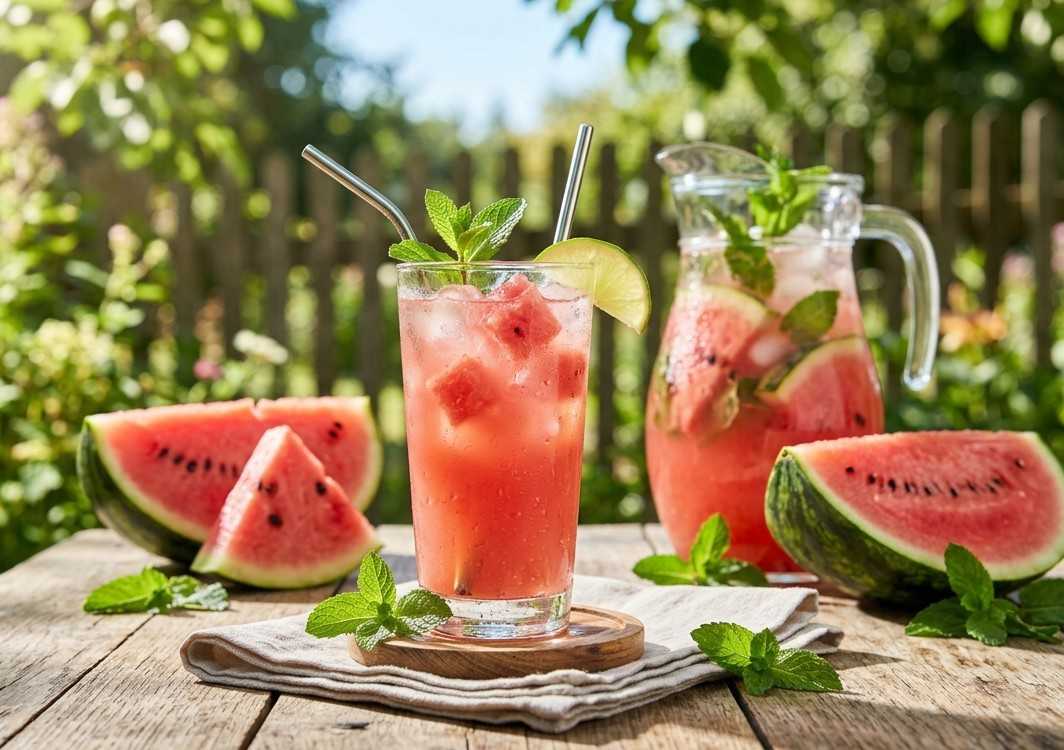
Watermelon water is one of the most refreshing natural beverages available. Made from the juice of fresh watermelon, this hydrating drink is packed with vitamins, minerals, antioxidants, and electrolytes that support overall health. Because watermelon contains over 90% water, watermelon water is an excellent choice for staying hydrated, especially during hot weather or after physical activity.
In recent years, watermelon water has gained popularity among fitness enthusiasts and health-conscious individuals as a natural alternative to sugary beverages and artificial sports drinks. Its naturally sweet taste, low calorie content, and nutrient-rich profile make it a delicious and healthy addition to a balanced diet.
This guide explores everything you need to know about watermelon water, including its nutritional value, health benefits, side effects, preparation methods, and storage tips.
What is Watermelon Water?
Watermelon water is a beverage made by blending or juicing fresh watermelon and consuming the liquid either plain or with added ingredients such as lemon, mint, or coconut water.
Unlike many commercial fruit drinks, pure watermelon water contains naturally occurring sugars, vitamins, minerals, and antioxidants without artificial additives. It serves as a natural hydration drink that can replenish fluids and provide essential nutrients.
Nutrition Facts of Watermelon Water
The following nutritional values are approximate for 1 cup (240 ml) of pure watermelon water.
| Nutrient | Amount |
|---|---|
| Calories | 45 kcal |
| Water | 220 g |
| Carbohydrates | 11 g |
| Natural Sugars | 9 g |
| Protein | 1 g |
| Fat | 0.2 g |
| Fiber | 0.4 g |
| Vitamin C | 12 mg |
| Vitamin A | 850 IU |
| Potassium | 170 mg |
| Magnesium | 15 mg |
| Calcium | 10 mg |
| Phosphorus | 11 mg |
| Lycopene | 6–8 mg |
| Citrulline | 200–250 mg |
Nutritional values may vary depending on watermelon variety and preparation method.
20 Proven Health Benefits of Watermelon Water
- Supports Hydration: Watermelon water helps maintain proper hydration because watermelon is composed of more than 90% water.
- Rich in Antioxidants: It contains antioxidants such as lycopene and vitamin C that help protect cells from oxidative stress.
- Promotes Heart Health: Lycopene may help support healthy blood vessels and cardiovascular function.
- Supports Healthy Blood Pressure: Potassium content helps regulate fluid balance and maintain normal blood pressure levels.
- May Improve Exercise Performance: Natural citrulline may enhance blood flow and reduce exercise-related fatigue.
- Aids Muscle Recovery: Watermelon water may help reduce post-workout muscle soreness due to its citrulline content.
- Supports Immune Function: Vitamin C strengthens the body’s natural immune defenses.
- Promotes Healthy Skin: Vitamins A and C contribute to collagen production and skin repair.
- Supports Eye Health: Vitamin A helps maintain healthy vision and eye function.
- May Reduce Inflammation: Lycopene and other antioxidants may help reduce inflammatory processes in the body.
- Supports Kidney Function: Proper hydration helps the kidneys remove waste products efficiently.
- May Improve Digestion: Its water content supports smooth digestion and bowel regularity.
- Low in Calories: Watermelon water offers hydration and nutrients with relatively few calories.
- Supports Weight Management: It can help increase feelings of fullness and reduce cravings for sugary beverages.
- Helps Regulate Body Temperature: High water content assists the body’s natural cooling mechanisms.
- Supports Healthy Circulation: Citrulline may improve blood vessel relaxation and circulation.
- Provides Natural Energy: Natural fruit sugars provide a quick and refreshing energy boost.
- May Reduce Oxidative Damage: Antioxidants help combat free radicals that contribute to aging and disease.
- Supports Metabolic Health: Hydration and nutrients contribute to healthy metabolic processes.
- Enhances Overall Wellness: Regular consumption can support hydration, nutrient intake, and general health.
10 Side Effects of Watermelon Water
- May Cause Digestive Discomfort: Drinking excessive amounts may lead to bloating or stomach discomfort.
- Can Increase Blood Sugar Levels: Natural sugars may affect blood glucose when consumed in large quantities.
- May Cause Diarrhea: Excessive intake can sometimes result in loose stools.
- Possible Allergic Reactions: Some individuals may experience allergic symptoms after consuming watermelon.
- May Trigger IBS Symptoms: People with irritable bowel syndrome may be sensitive to certain fruit sugars.
- Could Lead to Excess Potassium Intake: Excessive consumption may contribute to elevated potassium levels in susceptible individuals.
- May Cause Nausea: Drinking large amounts quickly may upset the stomach.
- Can Interact with Certain Medical Conditions: Individuals with kidney disease may need to monitor potassium intake.
- May Cause Frequent Urination: Its high water content can increase urinary frequency.
- Could Lead to Calorie Overconsumption: Large servings may contribute extra calories and sugars to the diet.
How to Make Watermelon Water?
Ingredients:
- 4 cups fresh watermelon cubes
- 1 tablespoon lemon juice (optional)
- Fresh mint leaves (optional)
- Ice cubes (optional)
Instructions:
- Remove seeds from the watermelon if necessary.
- Cut watermelon into small cubes.
- Place cubes in a blender.
- Blend until smooth.
- Strain if desired for a smoother texture.
- Add lemon juice or mint for extra flavor.
- Serve chilled over ice.
Tips for Consuming Watermelon Water
- Choose ripe, fresh watermelon for the best flavor.
- Drink it chilled for maximum refreshment.
- Consume freshly prepared watermelon water whenever possible.
- Avoid adding refined sugar.
- Pair it with meals or snacks for balanced nutrition.
- Use it as a post-workout hydration drink.
- Combine with other fruits for variety.
- Drink in moderation as part of a balanced diet.
- Store properly to preserve freshness.
- Shake before drinking if separation occurs.
Other Uses of Watermelon Water
Watermelon water is not only a refreshing beverage but also has several practical uses:
- Smoothie base ingredient.
- Natural sports recovery drink.
- Popsicle preparation.
- Fruit sorbet recipes.
- Mocktails and summer beverages.
- Salad dressings.
- Frozen ice cubes for flavored drinks.
- Healthy cocktail mixer.
- Fruit bowl enhancement.
- Hydrating breakfast drinks.
How Much Watermelon Water Can You Drink in a Day?
For most healthy adults, consuming 1–3 cups (240–720 ml) of watermelon water daily is generally considered reasonable.
Athletes and highly active individuals may consume slightly more depending on hydration needs. However, excessive intake may increase sugar consumption and digestive discomfort.
Individuals with diabetes, kidney disease, or other medical conditions should consult a healthcare professional regarding appropriate intake levels.
Best Time to Drink Watermelon Water
Morning
Drinking watermelon water in the morning helps replenish fluids after overnight fasting.
Before Exercise
It provides hydration and natural carbohydrates for energy.
After Exercise
The electrolytes and citrulline may support recovery and hydration.
During Hot Weather
Watermelon water can help replace fluids lost through sweating.
Midday Refreshment
It serves as a healthy alternative to sugary soft drinks.
Who Should Drink Watermelon Water?
- Athletes: It helps support hydration and exercise recovery.
- People Living in Hot Climates: It assists in maintaining fluid balance during warm weather.
- Individuals Seeking Better Hydration: Its high water content supports daily hydration goals.
- Fitness Enthusiasts: Natural electrolytes may aid recovery after workouts.
- People Looking for Low-Calorie Drinks: It provides flavor with relatively few calories.
- Older Adults: It may help support hydration, which often decreases with age.
- Busy Professionals: It offers a quick and nutritious refreshment.
- Students: It can serve as a healthier alternative to sugary beverages.
- Individuals Managing Weight: It may help reduce cravings for high-calorie drinks.
- Health-Conscious Individuals: It contributes nutrients and antioxidants to the diet.
Who Should Avoid Watermelon Water?
- People with Watermelon Allergies: Consumption may trigger allergic reactions.
- Individuals with Severe Kidney Disease: Potassium content may require restriction.
- People with Poorly Controlled Diabetes: Natural sugars may affect blood glucose levels.
- Those Following Low-Potassium Diets: Intake may need to be limited.
- Individuals with Certain Digestive Disorders: Some may experience bloating or digestive discomfort.
- People Sensitive to Fruit Sugars: Excess intake may worsen symptoms.
- Individuals on Specialized Medical Diets: Professional guidance may be needed.
- People Experiencing Chronic Diarrhea: High intake could aggravate symptoms.
- Those Prone to Gastrointestinal Upset: Large servings may cause discomfort.
- Anyone Advised by Their Healthcare Provider to Limit Fruit Intake: Medical advice should take priority.
How to Store Watermelon Water?
- Refrigerate Immediately: Store in the refrigerator soon after preparation.
- Use Airtight Containers: This helps preserve freshness and flavor.
- Consume Within 24–48 Hours: Fresh watermelon water tastes best within this period.
- Keep Away from Direct Sunlight: Sunlight may affect quality and nutrient content.
- Avoid Repeated Temperature Changes: Frequent warming and cooling can accelerate spoilage.
- Label Storage Date: Mark containers to monitor freshness.
- Freeze for Longer Storage: Freezing can extend shelf life.
- Leave Space in Freezer Containers: Liquids expand during freezing.
- Discard if Odor Changes: Unpleasant smells may indicate spoilage.
- Check for Separation: Stir or shake before drinking if separation occurs.
Precautions and Interactions
While watermelon water is generally safe for most people, several precautions should be considered:
- Consume in moderation to avoid excessive sugar intake.
- Monitor blood glucose levels if you have diabetes.
- Individuals with kidney disorders should consult a healthcare professional regarding potassium intake.
- Those taking medications that affect potassium levels should seek medical advice.
- Avoid consuming spoiled watermelon water.
- Introduce gradually if you have a sensitive digestive system.
- Be aware of possible allergic reactions.
- Use fresh ingredients and clean preparation equipment.
- Do not rely on watermelon water as a substitute for medical treatment.
- Consult a healthcare provider if you have underlying medical conditions.
Conclusion
Watermelon water is a naturally hydrating, nutrient-rich beverage that offers numerous health benefits. Packed with water, vitamins, minerals, antioxidants, and beneficial compounds like lycopene and citrulline, it supports hydration, heart health, exercise recovery, immune function, and overall wellness. While generally safe for most individuals, moderation is important, especially for those with diabetes, kidney disease, or digestive sensitivities.
FAQ’s
Is watermelon water healthy?
Yes, Water is generally healthy because it is rich in water, vitamin C, vitamin A, potassium, lycopene, and other beneficial plant compounds that support hydration and wellness.
What does watermelon water taste like?
Water has a naturally sweet, refreshing, and mildly fruity taste. Its flavor is lighter and less concentrated than regular watermelon juice.
Is watermelon water good for hydration?
Yes, Water is excellent for hydration because watermelon consists of more than 90% water and also contains electrolytes such as potassium.
Can watermelon water help with weight loss?
Water may support weight management by helping you stay hydrated and feel fuller while providing fewer calories than many sugary beverages.
Is watermelon water good after a workout?
Yes, Water can be a refreshing post-workout drink because it helps replenish fluids and contains citrulline, a compound that may support muscle recovery.
Does watermelon water contain sugar?
Yes, Water naturally contains fruit sugars. However, these sugars occur naturally in the fruit and are not the same as added refined sugars.
Can people with diabetes drink watermelon water?
People with diabetes may be able to enjoy water in moderation, but they should monitor their blood sugar levels and consult their healthcare provider if needed.
Is watermelon water safe during pregnancy?
In most cases, water is safe during pregnancy when consumed in moderation as part of a balanced diet. Pregnant women should consult their healthcare provider for personalized advice.
Can children drink watermelon water?
Yes, Water is generally safe for children and can be a healthy alternative to sugary soft drinks when served in appropriate amounts.
Does watermelon water contain electrolytes?
Yes, Water contains natural electrolytes such as potassium and magnesium, which help support hydration and fluid balance.
How long does watermelon water last in the refrigerator?
Freshly prepared water is best consumed within 24–48 hours when stored in an airtight container in the refrigerator.
Can I freeze watermelon water?
Yes, Water can be frozen in airtight containers or ice cube trays for later use in drinks, smoothies, and frozen treats.
Is watermelon water good for the kidneys?
For most healthy people, water may support kidney health by promoting hydration. However, individuals with kidney disease should consult their healthcare provider due to its potassium content.
Does watermelon water help lower blood pressure?
Water contains potassium and citrulline, which may help support healthy blood pressure levels as part of an overall healthy lifestyle.
Is watermelon water better than sports drinks?
Water can be a natural alternative to many sports drinks because it provides hydration and nutrients without artificial colors or excessive added sugars.
Can I use Watermelon Water every day?
Yes, most people can enjoy water daily in moderation as a healthy hydration drink.
How long does it take for Watermelon Water to work?
It starts hydrating your body within minutes, while other benefits may develop with regular use.
What does Watermelon Water smell like?
It has a light, fresh, sweet aroma similar to freshly cut watermelon.
What is Watermelon Water good for?
Water is good for hydration, exercise recovery, antioxidant support, heart health, and overall wellness.
Also Read: