Millet: Nutrition, 20 Benefits, Side Effects & How Much to Eat
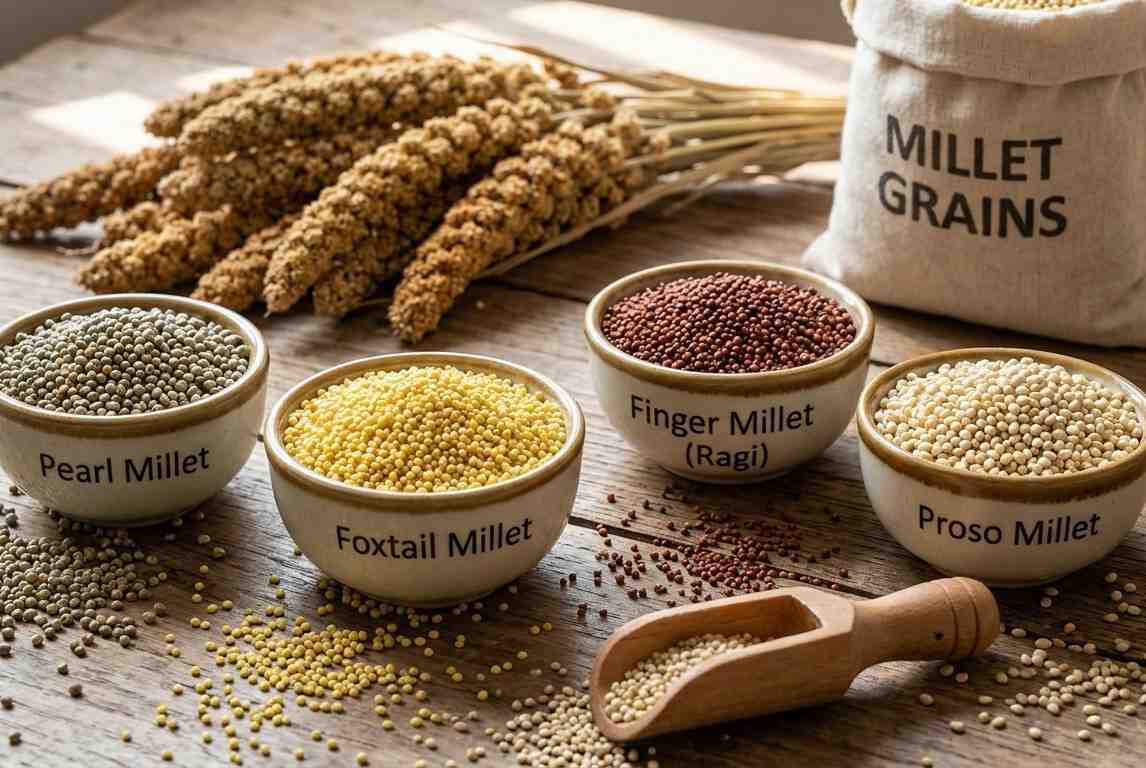
Millet

Millet is one of the oldest cultivated grains in the world and has been a staple food in Asia and Africa for thousands of years. In recent years, millet has gained worldwide attention due to its impressive nutritional profile, gluten-free nature, and numerous health benefits. This ancient grain is highly versatile and can be used … Read more
Sorghum: Nutrition, 20 Benefits, Side Effects & How Much to Eat

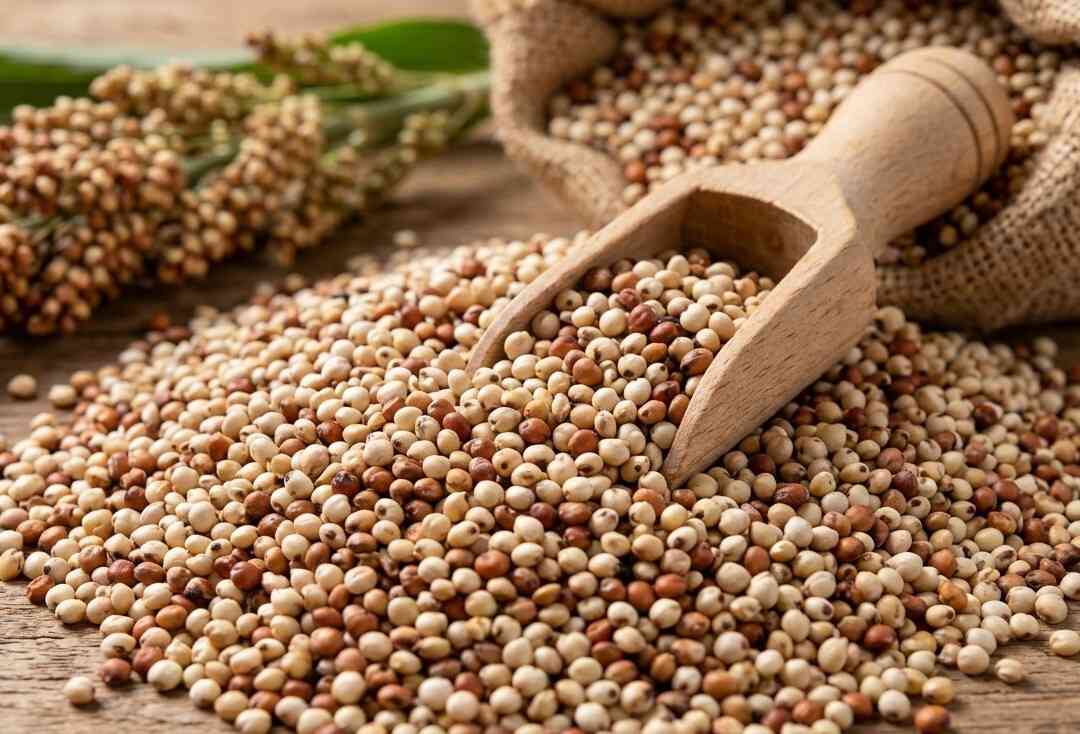
Sorghum

Sorghum is one of the world’s oldest cultivated grains and has been a staple food in many parts of Africa and Asia for thousands of years. Known for its impressive nutritional profile, drought resistance, and versatility, sorghum has gained popularity among health-conscious consumers seeking gluten-free and nutrient-rich alternatives to traditional grains. Whether consumed as whole … Read more

Barley: Nutrition, 20 Benefits, Side Effects & How Much to Eat

Barley

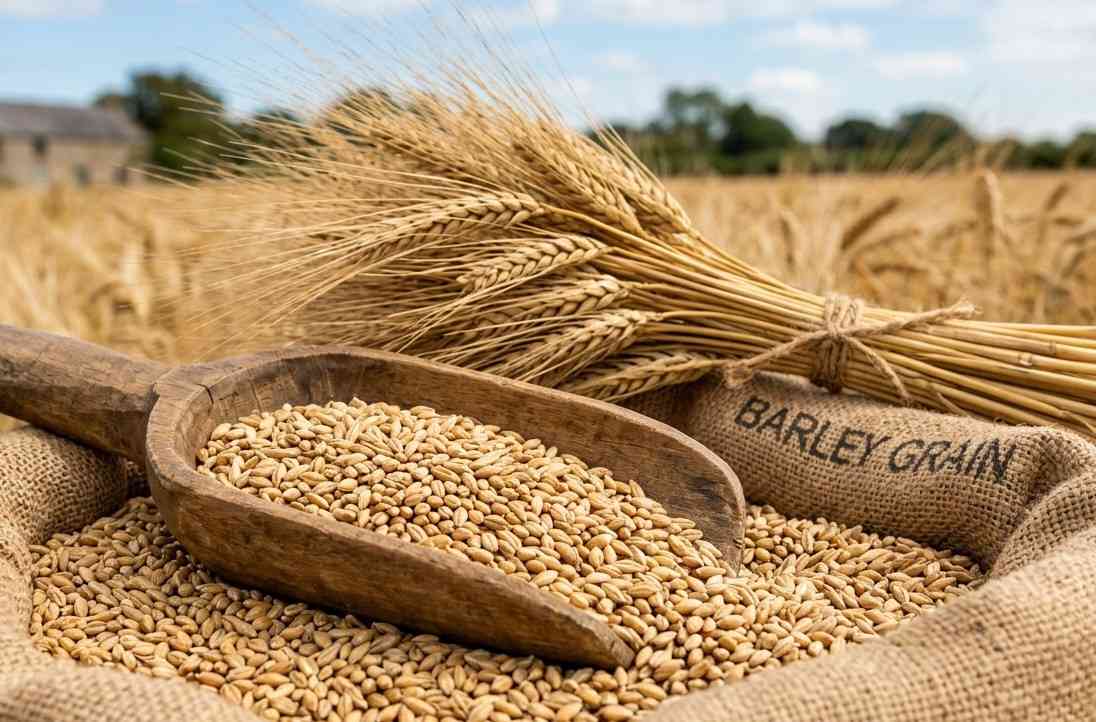
Barley (Jau) is one of the oldest cultivated grains in the world and has been a staple food for thousands of years. Known for its chewy texture and mild nutty flavor, barley is highly nutritious and versatile. It is commonly used in soups, stews, breads, cereals, and beverages. Rich in fiber, vitamins, minerals, and antioxidants, … Read more

Rye: Nutrition, 20 Benefits, Side Effects & How Much to Eat

Rye

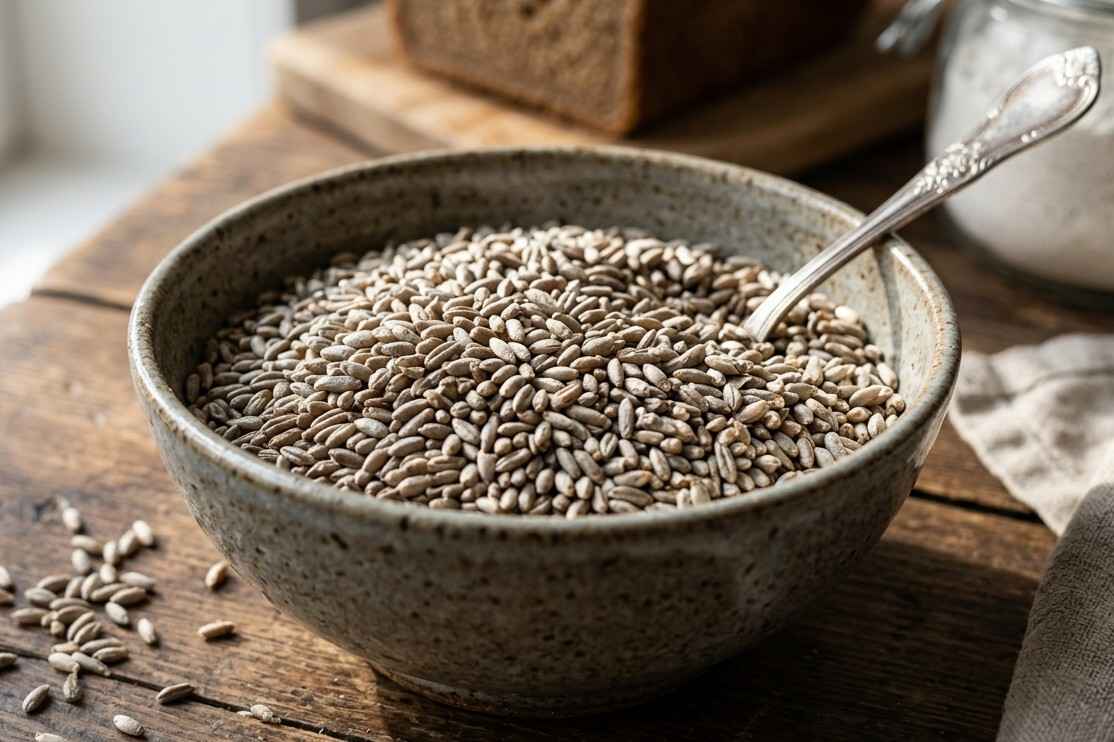
Rye is one of the oldest cultivated cereal grains in the world. Known for its hardy nature and rich nutritional profile, rye has been a staple food in many parts of Europe and Asia for centuries. It is commonly used to make bread, flour, crackers, cereals, and beverages. Compared to many refined grains, rye contains … Read more

Oats: Nutrition, 20 Benefits, Side Effects & How Much to Eat

Oats

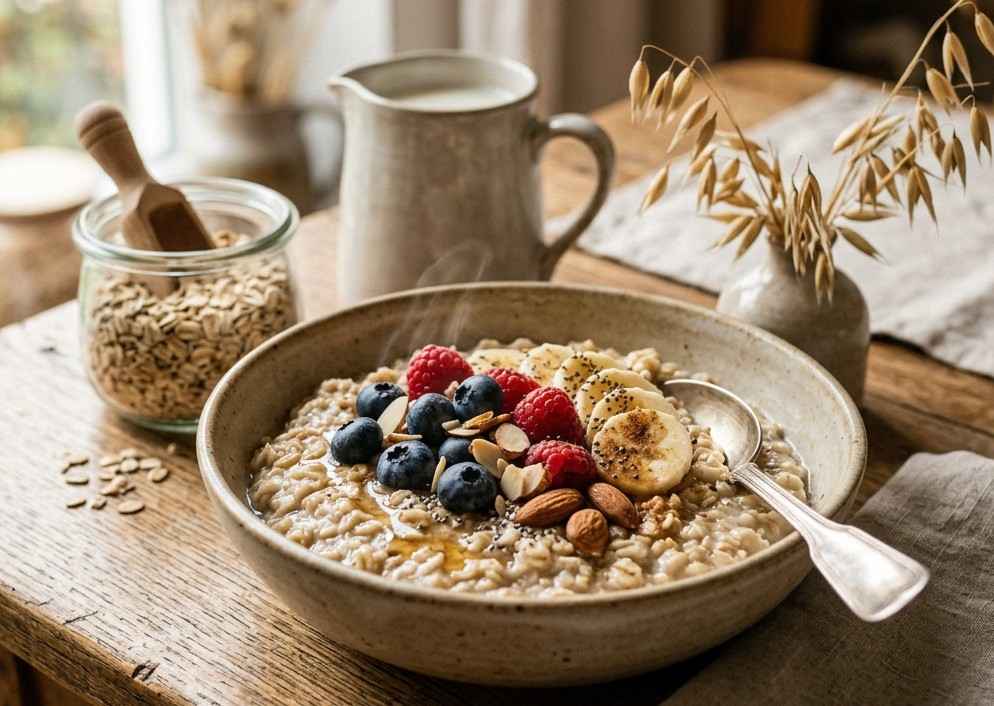
Oats are among the healthiest whole grains available today. They are highly nutritious, versatile, and easy to include in daily meals. Whether enjoyed as oatmeal, overnight oats, smoothies, cookies, or baked dishes, oats provide a rich source of fiber, vitamins, minerals, and plant-based nutrients. Known for their heart-friendly properties and long-lasting energy, oats have become … Read more

Durum Wheat: Nutrition, 20 Benefits, Side Effects & Uses

Durum Wheat

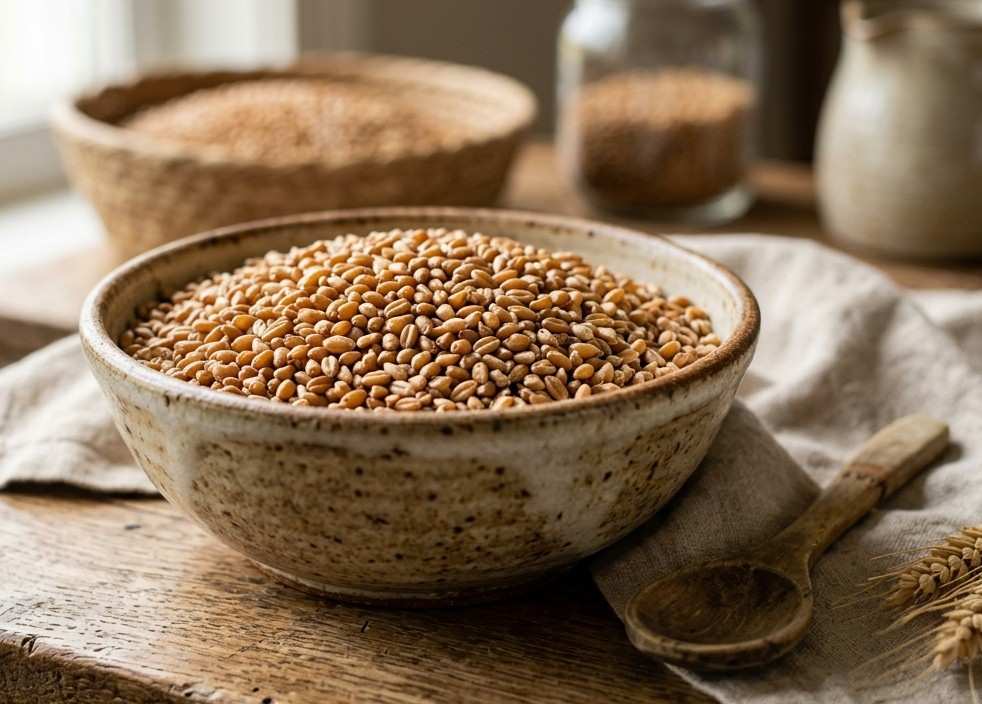
Durum Wheat (most commonly known as pasta wheat or macaroni wheat) is one of the most important wheat varieties in the world and is widely used to make pasta, couscous, bulgur, semolina, bread, and various traditional foods. Known for its rich golden color, firm texture, and high protein content, durum wheat is a nutritious grain … Read more

Semolina: Nutrition, 20 Benefits, Side Effects & How to Use It

Semolina

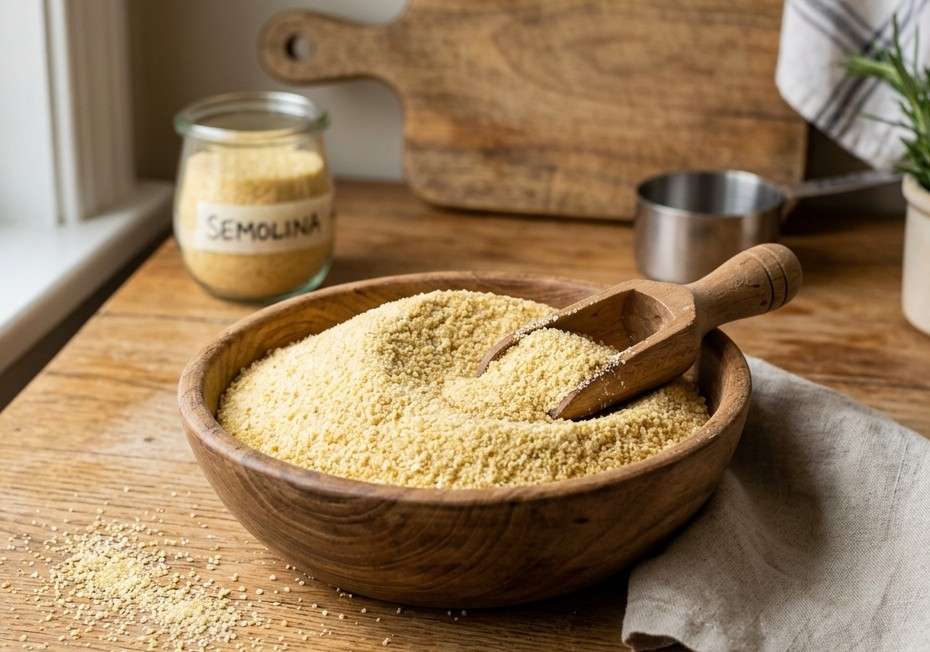
Semolina is a versatile grain product made from durum wheat and is widely used in cuisines around the world. It is commonly used to prepare pasta, porridge, desserts, bread, and traditional dishes such as upma and halwa. Rich in carbohydrates, protein, and several essential nutrients, semolina can be a valuable addition to a balanced diet. … Read more

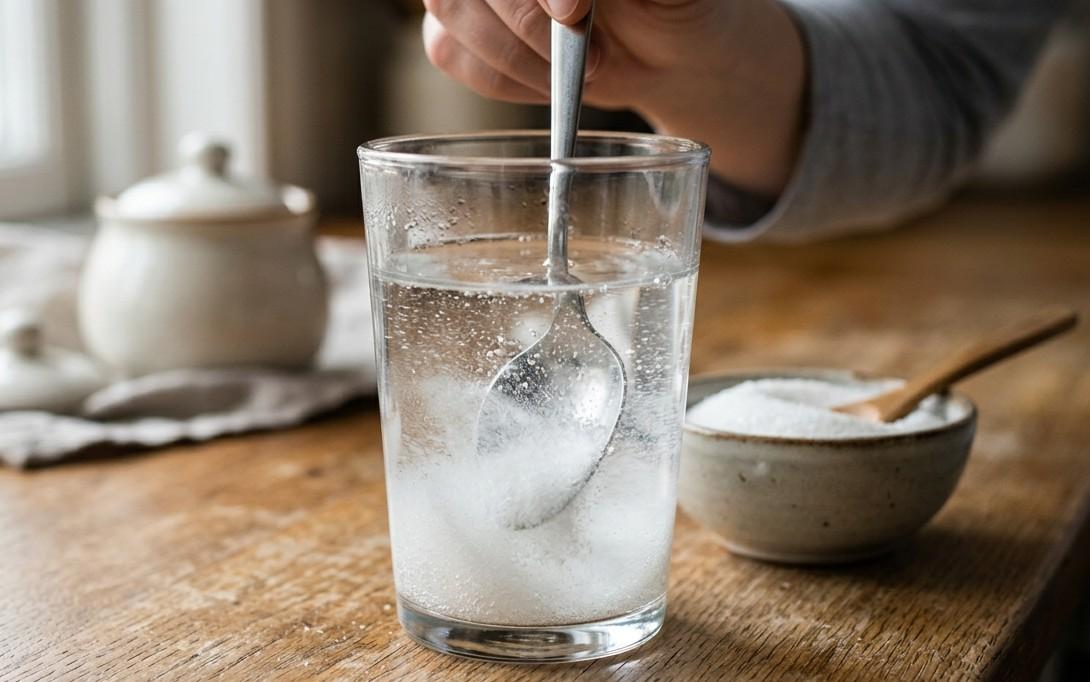
Sugar Water: 20 Benefits, Side Effects & How to Make It

Sugar Water

Sugar water is one of the simplest mixtures in the world—just sugar dissolved in water. Yet, despite its simplicity, it has been used across cultures for hydration, quick energy, medicinal purposes, and even household applications. From soothing dehydration to supporting recovery in certain conditions, sugar water plays a surprisingly versatile role when used correctly. In … Read more

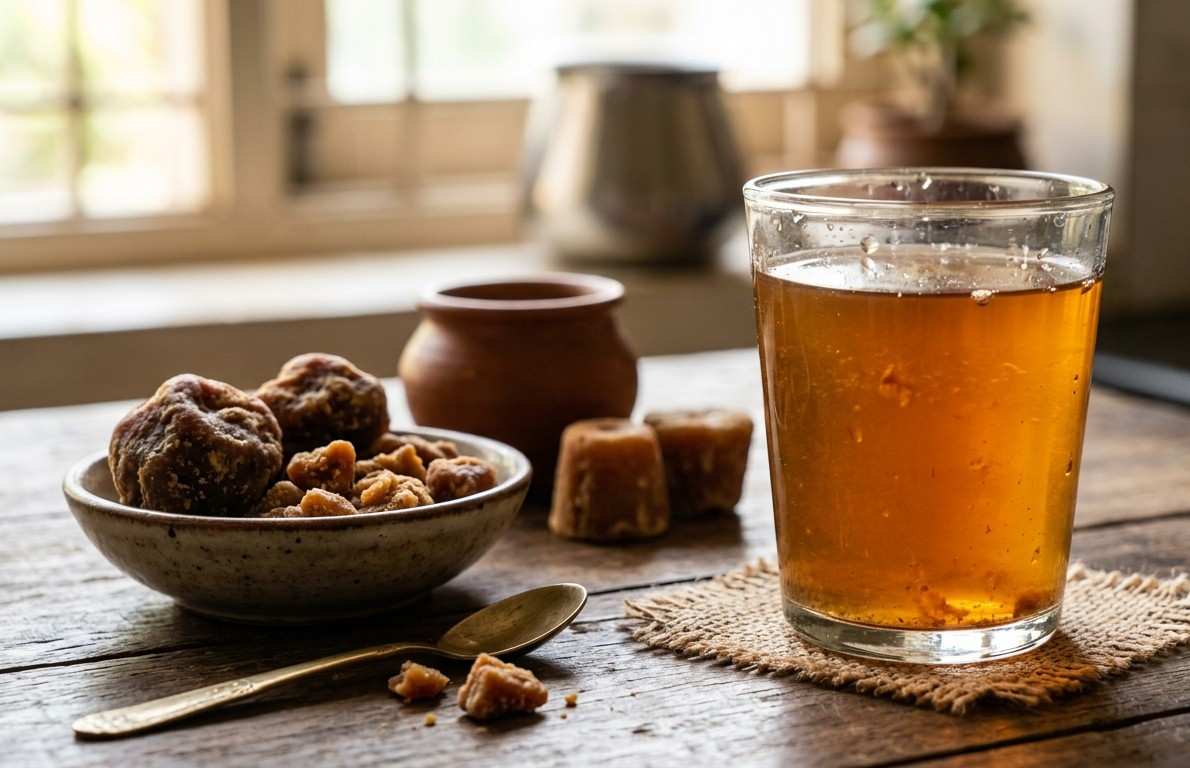
Jaggery Water: 20 Benefits, Side Effects & How to Make It

Jaggery Water

Jaggery water is one of those humble, time-tested drinks that has quietly been part of traditional diets for generations. Especially in India and other parts of South Asia, jaggery (also known as gur) has long been valued not just as a natural sweetener but also as a functional food with health-promoting properties. When dissolved in … Read more

Tapioca Pearls: Nutrition, 20 Benefits, Side Effects & How to Cook

Tapioca Pearls

If you’ve ever sipped a bubble tea and found yourself happily chewing those soft, bouncy little balls at the bottom, then you’ve already met tapioca pearls. These tiny spheres may look simple, but they have a long history, a fascinating origin, and many uses beyond your favorite drink. In recent years, tapioca pearls have become … Read more