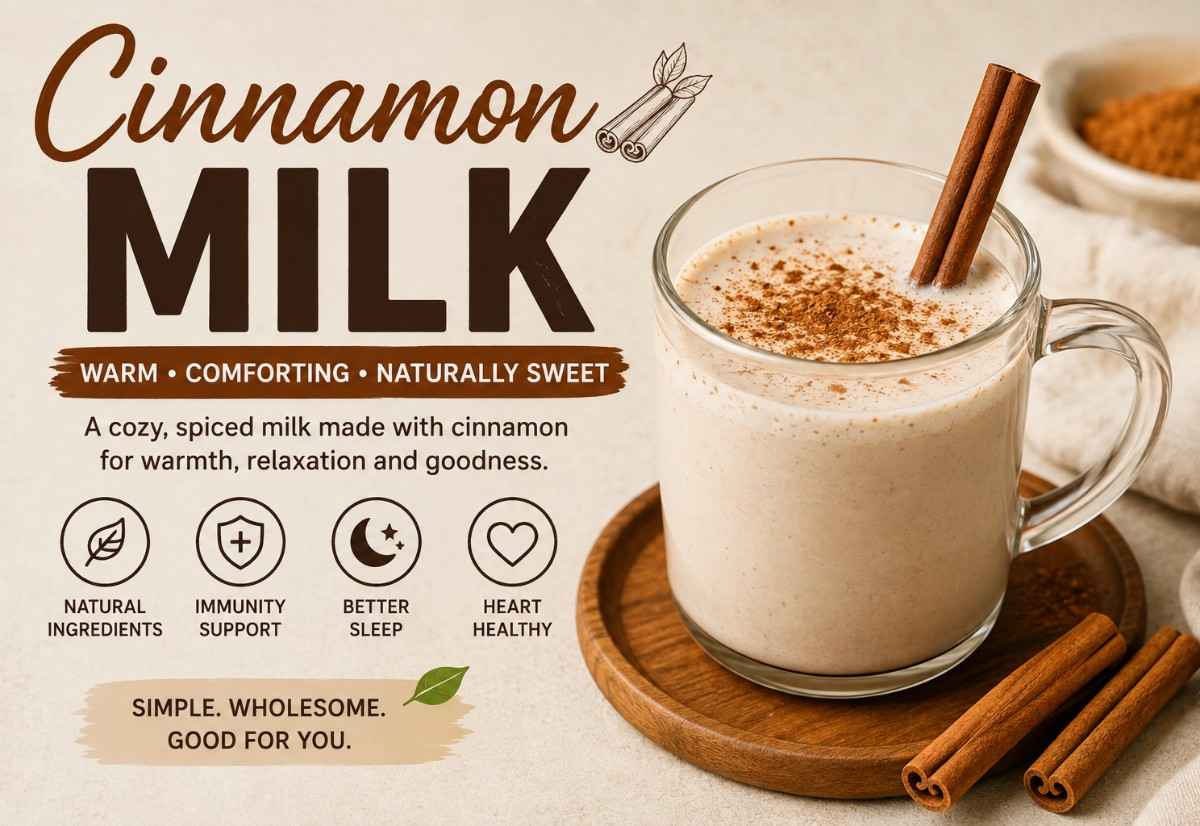
Cinnamon milk is a simple, comforting drink made by combining warm milk with a small amount of ground cinnamon. It has been enjoyed in different forms as a traditional home beverage, especially as a warm drink before bedtime or during colder weather.
The appeal of cinnamon milk is not just its pleasant aroma and naturally sweet-spicy flavor. Milk provides protein, calcium, potassium, vitamin B12, and other nutrients, while cinnamon contains aromatic plant compounds and antioxidants. However, it is important to keep expectations realistic: although cinnamon has been studied for blood sugar, cholesterol, blood pressure, and other health outcomes, current evidence does not establish cinnamon as a treatment for any specific medical condition.
The type of cinnamon also matters. Cassia cinnamon, which is widely available, can contain considerably more coumarin than Ceylon cinnamon. Regularly consuming large amounts of cassia cinnamon may therefore be undesirable, particularly for people with liver problems.
What Is Cinnamon Milk?
Cinnamon milk is milk flavored with cinnamon, usually prepared by gently heating milk and adding approximately ¼ to ½ teaspoon of ground cinnamon. It can be prepared with dairy milk or a suitable fortified plant-based alternative such as soy milk.
The drink can be served plain or flavored with ingredients such as vanilla, cardamom, ginger, or a small amount of honey. For everyday use, keeping the recipe simple is usually best.
Cinnamon milk should be viewed as a nutritious beverage rather than a medicine. Many of the potential benefits come from the nutrients naturally present in the milk, while cinnamon adds flavor and small amounts of bioactive plant compounds.
Nutrition Facts of Cinnamon Milk
The following values are approximate for 1 cup (240 ml) of whole dairy milk with ½ teaspoon of ground cinnamon, without added sugar. Actual nutrition varies according to the milk used and the amount of cinnamon added.
| Nutrient | Approximate Amount |
|---|---|
| Calories | 150–160 kcal |
| Protein | 8 g |
| Total Fat | 8 g |
| Saturated Fat | 5 g |
| Carbohydrates | 12 g |
| Natural Sugars | 12 g |
| Fiber | About 0.5 g |
| Calcium | About 275–300 mg |
| Potassium | About 320–350 mg |
| Phosphorus | About 200–220 mg |
| Vitamin B12 | About 1 mcg |
| Vitamin D | Varies by fortification |
| Cinnamon | About 1.3 g |
Milk naturally provides nutrients such as calcium, potassium, phosphorus, protein, vitamin B12, and, when fortified, vitamin D.
20 Proven Health Benefits of Cinnamon Milk
1. Supports Bone Health: Milk supplies calcium, phosphorus, protein, and other nutrients that help build and maintain healthy bones and teeth.
2. Provides High-Quality Protein: A cup of dairy milk provides around 8 grams of protein, helping support muscle maintenance, tissue repair, and normal body functions.
3. Adds Antioxidant Plant Compounds: Cinnamon contains plant compounds with antioxidant activity, although the amount obtained from a normal serving of cinnamon milk should not be considered a therapeutic antioxidant dose.
4. May Support Healthy Blood Sugar: Some clinical reviews have reported improvements in fasting blood glucose with cinnamon supplementation, but findings are inconsistent and cinnamon should not replace diabetes treatment.
5. May Support Insulin Sensitivity: Research has investigated cinnamon’s possible effects on insulin resistance, but differences between studies mean that more consistent evidence is needed.
6. May Support Heart Health: Cinnamon has been studied for its possible effects on cholesterol, triglycerides, and blood pressure, although the evidence is not strong enough to consider it a cardiovascular treatment.
7. Provides Calcium for Teeth: The calcium in milk contributes to the development and maintenance of strong teeth.
8. Supports Normal Muscle Function: Calcium, potassium, phosphorus, and protein from milk contribute to normal muscle and nerve function.
9. Can Be a Satisfying Beverage: The combination of protein and fat in regular milk can make cinnamon milk more filling than many sugary beverages.
10. Provides Vitamin B12: Dairy milk naturally contains vitamin B12, which is important for normal red blood cell formation and nervous-system function.
11. May Help Increase Nutrient Intake: For people who enjoy milk, adding cinnamon can make an otherwise ordinary glass of milk more appealing without requiring much added sugar.
12. Can Support Hydration: Milk contains a substantial amount of water and can contribute to daily fluid intake.
13. Provides Potassium: Milk contributes potassium, a mineral involved in fluid balance, nerve signaling, and muscle function.
14. Provides Phosphorus: Milk is a useful source of phosphorus, which works alongside calcium in maintaining bones and supporting normal cellular functions.
15. May Offer a Warming Comfort: Warm cinnamon milk can be a soothing, comforting beverage, particularly as part of a relaxing evening routine, although this is different from proving a medical sleep benefit.
16. Can Replace Sugary Drinks: Unsweetened cinnamon milk can be a better nutritional choice than many sugar-sweetened beverages because it provides protein and important micronutrients.
17. Can Be Made With Fortified Plant Milk: People avoiding dairy can prepare cinnamon milk with fortified soy milk or another suitable fortified alternative, depending on their dietary needs.
18. May Support a Balanced Breakfast: Cinnamon milk pairs well with foods such as oats, whole-grain toast, fruit, or nuts, making it easy to include in a balanced meal.
19. Adds Flavor Without Much Sugar: Cinnamon provides a naturally sweet-smelling, spicy flavor, allowing you to reduce or skip added sugar.
20. Makes a Simple Nutrient-Rich Drink: When prepared without excessive sugar, cinnamon milk combines the nutritional benefits of milk with the flavor and plant compounds of cinnamon in one convenient beverage.
10 Side Effects of Cinnamon Milk
1. Stomach Upset: Too much cinnamon may cause stomach discomfort, nausea, bloating, or digestive irritation in sensitive people.
2. Mouth Irritation: Concentrated cinnamon can irritate the mouth or throat, especially when large quantities are consumed.
3. Allergic Reactions: Some people may be allergic or sensitive to cinnamon and can develop itching, rash, swelling, or other allergic symptoms.
4. Liver Concerns: Cassia cinnamon can contain significant amounts of coumarin, which may be problematic for sensitive people or those with liver disease when consumed in large amounts over time.
5. Excess Calories: Using whole milk together with sugar, honey, or other sweeteners can turn cinnamon milk into a relatively calorie-dense drink.
6. Increased Sugar Intake: Sweetened cinnamon milk contains more added sugar than unsweetened cinnamon milk, which may be undesirable for people trying to control their sugar intake.
7. Possible Blood Sugar Changes: Cinnamon may influence blood glucose, so people taking glucose-lowering medicines should use caution and discuss regular cinnamon consumption with their healthcare professional.
8. Possible Medication Interactions: Large amounts of cinnamon may interact with certain medicines, and people taking regular medications should check with their healthcare professional before using concentrated cinnamon products.
9. Milk-Related Digestive Symptoms: People with lactose intolerance may experience gas, bloating, cramps, or diarrhea after drinking ordinary dairy milk.
10. Excessive Coumarin Exposure: Frequently consuming large amounts of cassia cinnamon can increase coumarin exposure, which is why moderate consumption is recommended.
How to Make Cinnamon Milk?
Making cinnamon milk takes only a few minutes.
Ingredients:
- 1 cup milk
- ¼ to ½ teaspoon ground cinnamon
- Optional: ½ teaspoon honey, added after heating
- Optional: a small pinch of cardamom or nutmeg
Method:
- Pour the milk into a small saucepan.
- Add ¼ to ½ teaspoon of cinnamon.
- Heat gently over low to medium heat.
- Stir regularly so the cinnamon distributes throughout the milk.
- Do not allow the milk to boil aggressively.
- Heat until comfortably warm.
- Remove from the heat and allow it to cool slightly.
- Add honey only if desired.
- Stir well and serve warm.
For regular consumption, Ceylon cinnamon can be a practical choice if you want to minimize coumarin exposure. Cassia cinnamon generally contains much higher levels of coumarin.
How to Drink Cinnamon Milk?
Cinnamon milk is usually best enjoyed warm, although it can also be consumed chilled.
For a simple everyday version, drink 1 cup of unsweetened or lightly sweetened cinnamon milk with breakfast, as an evening beverage, or alongside a snack.
Avoid treating cinnamon milk as a substitute for prescribed medication. In particular, although cinnamon has been investigated for blood sugar management, evidence remains inconsistent.
Tips for Consuming Cinnamon Milk
- Start with ¼ teaspoon of cinnamon if you are not accustomed to it.
- Choose Ceylon cinnamon for frequent use when practical.
- Avoid adding large quantities of sugar or syrup.
- Stir the drink well because cinnamon does not fully dissolve in milk.
- Use fresh, good-quality cinnamon from a reputable source.
- If you have lactose intolerance, choose lactose-free milk or a suitable fortified alternative.
- Do not use cinnamon milk as a treatment for diabetes, high cholesterol, or other medical conditions.
- If you drink it regularly, vary your sources of nutrients rather than relying on cinnamon milk alone.
How to Use Cinnamon Milk?
Cinnamon milk can fit into your routine in several simple ways.
You can drink it with breakfast, use it as an evening beverage, add it to oatmeal, or pair it with whole-grain foods. It can also be used as the liquid base for a cinnamon smoothie after cooling it.
If your goal is to reduce added sugar, cinnamon can provide strong flavor without requiring much sweetener.
Other Uses of Cinnamon Milk
Cinnamon milk can be used beyond simply drinking it.
In Oatmeal
Warm cinnamon milk can be poured over oats to create a creamy breakfast.
In Smoothies
Cooled cinnamon milk can be blended with banana, oats, berries, or nut butter.
In Chia Pudding
Cinnamon milk can be used as the liquid in a homemade chia pudding.
In Warm Breakfast Cereals
It can add flavor to porridge, millet, semolina, or other cooked cereals.
In Homemade Desserts
Cinnamon milk can be incorporated into homemade puddings and other desserts, although added sugar should be kept moderate.
How Much Cinnamon Milk Can You Drink in a Day?
For most healthy adults, one cup of cinnamon milk per day is a reasonable food-based serving.
The more important consideration is the amount and type of cinnamon rather than simply the volume of milk. There is no universally established medical dose of cinnamon milk, and research on cinnamon has used different preparations and doses.
If you consume cinnamon frequently, avoid large amounts of cassia cinnamon. The German Federal Institute for Risk Assessment notes that cassia can contain substantial coumarin and recommends moderation, particularly when large amounts are consumed regularly.
People with liver disease, those taking medications, pregnant individuals, or anyone considering concentrated cinnamon products should ask a healthcare professional about an appropriate amount.
Best Time to Drink Cinnamon Milk
There is no scientifically established “best” time to drink cinnamon milk.
Morning
Cinnamon milk can accompany breakfast and provide protein and other nutrients from milk.
Afternoon
It can be used as a satisfying alternative to sweetened tea, coffee, or other sugary drinks.
Evening
Many people enjoy warm cinnamon milk as part of a relaxing bedtime routine. However, claims that cinnamon milk itself treats insomnia or guarantees better sleep are not well established by clinical research.
The best time is therefore the time that fits comfortably into your eating pattern and nutritional needs.
Who Should Drink Cinnamon Milk?
- People Who Enjoy Milk: Individuals who tolerate milk well can use cinnamon milk as a flavorful way to include dairy in their diet.
- People Looking for a Lower-Sugar Flavor Option: Those trying to reduce added sugar can use cinnamon for flavor instead of relying heavily on sweeteners.
- People Needing More Calcium: Milk can contribute meaningful amounts of calcium to the diet and supports bone health.
- Active Adults: The protein in milk can contribute to overall daily protein intake and support muscle maintenance.
- People Who Prefer Warm Beverages: Cinnamon milk can be a comforting alternative to heavily sweetened hot drinks.
- People Who Avoid Dairy: Individuals who do not consume dairy can consider fortified soy milk or another nutritionally appropriate fortified alternative.
Who Should Avoid Cinnamon Milk?
- People With Milk Allergy: Anyone with a confirmed cow’s milk allergy should avoid dairy cinnamon milk unless their healthcare professional recommends an appropriate alternative.
- People With Significant Lactose Intolerance: Those who experience symptoms after consuming lactose may prefer lactose-free milk or a suitable plant-based alternative.
- People With Liver Disease: Individuals with liver disease should be especially cautious about regular high amounts of cassia cinnamon because of its coumarin content.
- People Allergic to Cinnamon: Anyone who develops an allergic reaction to cinnamon should avoid it.
- People Taking Certain Medicines: Those using diabetes medicines, blood thinners, or other regular medications should discuss frequent or concentrated cinnamon use with a healthcare professional.
- People Who Consume Large Amounts of Cinnamon Already: If cinnamon is already present in several foods or supplements throughout the day, adding large quantities to milk may unnecessarily increase exposure.
- Young Children: Children should not be given concentrated cinnamon preparations without appropriate guidance, particularly because their body weight is lower and coumarin exposure can be proportionally higher.
How to Store Cinnamon Milk?
- Refrigerate Promptly: Homemade cinnamon milk should be refrigerated rather than left at room temperature for extended periods.
- Use a Clean Container: Store leftovers in a clean, covered container to reduce contamination.
- Cool Before Long-Term Refrigeration: Allow the drink to stop steaming, then refrigerate it promptly rather than leaving it out for hours.
- Reheat Gently: Warm refrigerated cinnamon milk gently on the stove or in the microwave and stir thoroughly.
- Avoid Repeated Reheating: Reheat only the amount you plan to drink rather than repeatedly warming and cooling the entire batch.
- Check Before Drinking: Discard the milk if it develops an unusual smell, appearance, texture, or other signs of spoilage.
Precautions and Interactions
Cinnamon is generally safe when used as a culinary spice, but concentrated or prolonged use deserves more caution.
- Coumarin: Cassia cinnamon can contain considerably more coumarin than Ceylon cinnamon. High or prolonged intake may be a concern, particularly for people with liver disease.
- Diabetes Medicines: Cinnamon may affect blood glucose, and research has investigated its potential effects on fasting blood glucose and insulin resistance. If you take glucose-lowering medication, discuss regular cinnamon use with your healthcare professional.
- Blood-Thinning Medicines: People taking anticoagulant or antiplatelet medicines should ask their healthcare professional before consuming large or concentrated amounts of cinnamon.
- Pregnancy: Cinnamon used in normal culinary quantities is different from taking concentrated cinnamon supplements. NCCIH notes that larger amounts during pregnancy have not been adequately established as safe, so medicinal or high-dose use should be avoided unless recommended by a healthcare professional.
- Liver Conditions: Anyone with existing liver disease should be particularly cautious about regular cassia cinnamon consumption because of its coumarin content.
- Cinnamon Supplements: Cinnamon capsules and concentrated extracts can provide substantially more cinnamon than ordinary food servings. They should not automatically be considered equivalent to a cup of cinnamon milk.
- Milk Allergy or Intolerance: Choose lactose-free or fortified plant-based alternatives when appropriate.
Final Thoughts
Cinnamon milk is a simple beverage that can be both comforting and nutritious. The milk provides protein, calcium, potassium, phosphorus, vitamin B12, and other nutrients, while cinnamon adds flavor and bioactive plant compounds.
The biggest mistake is to think of cinnamon milk as a cure-all. Research into cinnamon has produced interesting findings involving blood sugar, cholesterol, triglycerides, and blood pressure, but the evidence remains mixed and does not establish cinnamon as a treatment for disease.
For everyday use, moderation is the sensible approach. Use a small culinary amount of cinnamon, avoid excessive sweeteners, and consider Ceylon cinnamon if you consume cinnamon regularly. People with liver disease, medication use, allergies, pregnancy-related concerns, or other medical conditions should seek individualized professional advice before using larger amounts.
FAQ’s
Is cinnamon milk good for you?
Yes, milk can be a nutritious drink when consumed in moderation, particularly when prepared without excessive added sugar.
Can I drink cinnamon milk every day?
Most healthy adults can enjoy a moderate serving of cinnamon milk regularly, but avoid consuming large amounts of cinnamon every day, especially cassia cinnamon.
Is cinnamon milk good before bed?
Warm milk can be a comforting bedtime beverage, but there is not enough evidence to say that milk itself improves sleep or treats insomnia.
Does cinnamon milk help with blood sugar?
Cinnamon has been studied for its potential effects on blood sugar, but research findings are mixed. Milk should not replace prescribed diabetes medication or treatment.
Does cinnamon milk help with weight loss?
Cinnamon milk is not a proven weight-loss drink. Unsweetened cinnamon milk can fit into a balanced diet, but adding sugar, honey, or large amounts of high-fat milk increases calories.
Is cinnamon milk good for digestion?
Some people find warm cinnamon milk comfortable to drink, but strong evidence that cinnamon milk specifically improves digestion is limited. Dairy milk may cause bloating or discomfort in people with lactose intolerance.
Can I drink cinnamon milk on an empty stomach?
Yes, most people can drink it on an empty stomach if they tolerate milk and cinnamon well. However, people who experience stomach irritation may prefer having it with food.
Which cinnamon is best for cinnamon milk?
Ceylon cinnamon is a good option for regular use because it generally contains much less coumarin than cassia cinnamon.
How much cinnamon should I add to one cup of milk?
About ¼ to ½ teaspoon of ground cinnamon per cup of milk is a practical culinary amount. There is no established medical dose for cinnamon milk.
Can I add honey to cinnamon milk?
Yes, you can add a small amount of honey for sweetness. However, honey still contributes added sugar, so use it moderately.
Is cinnamon milk good for bones?
Milk is a good source of calcium and phosphorus and can contribute to maintaining healthy bones when included as part of a balanced diet.
Can children drink cinnamon milk?
Children who tolerate the milk and cinnamon ingredients can generally have cinnamon in normal culinary amounts, but large or concentrated amounts of cinnamon should be avoided.
Can pregnant women drink cinnamon milk?
Cinnamon used as a normal culinary spice is different from concentrated cinnamon supplements. Pregnant women should avoid high-dose cinnamon products unless advised by their healthcare professional.
Can people with diabetes drink cinnamon milk?
People with diabetes may be able to include unsweetened cinnamon milk in their diet, but portion size and total carbohydrate intake matter. Anyone taking glucose-lowering medication should discuss regular cinnamon use with their healthcare professional.
Is cinnamon milk better than plain milk?
Not necessarily. Cinnamon adds flavor and plant compounds, but plain milk already provides important nutrients. The better choice depends on your nutritional needs and whether you add sugar.
Can cinnamon milk help you sleep?
There is no strong evidence that cinnamon itself acts as a sleep treatment. However, a warm, unsweetened beverage may be part of a relaxing bedtime routine.
Can I make cinnamon milk without dairy?
Yes. You can use fortified soy milk, almond milk, oat milk, or another suitable plant-based milk. For nutritional similarity to dairy milk, choose a fortified option, particularly one providing calcium and vitamin D.
Does cinnamon milk increase cholesterol?
Cinnamon has been studied for its potential effects on cholesterol and triglycerides, but evidence is inconsistent. Cinnamon milk should not be considered a cholesterol-lowering treatment.
Is cinnamon milk good for the skin?
Milk provides nutrients needed for overall health, while cinnamon contains antioxidant compounds. However, there is insufficient evidence that drinking milk directly improves skin conditions.
Can I drink cinnamon milk when I have lactose intolerance?
If regular milk causes symptoms, choose lactose-free milk or an appropriate fortified plant-based alternative instead.
What happens if I drink cinnamon milk every night?
For most healthy adults, a moderate serving can be part of a balanced diet. Keep the cinnamon amount modest and avoid turning it into a high-sugar drink.
What Does Cinnamon Milk Taste Like?
Milk has a creamy, warm, mildly sweet, and slightly spicy flavor. The milk softens cinnamon’s sharpness, creating a smooth and comforting taste. Its flavor can become stronger if more cinnamon is added.
What Does Cinnamon Milk Smell Like?
Milk has a warm, sweet, woody, and mildly spicy aroma. When heated, the natural aroma of cinnamon becomes more noticeable and blends with the creamy smell of milk.
Sources / References:
Disclaimer:
This article is for general educational purposes only and does not replace professional medical advice, diagnosis, or treatment. If you have a medical condition or take medication, consult a qualified healthcare professional before making significant dietary changes or using cinnamon in concentrated amounts.
Also Read: