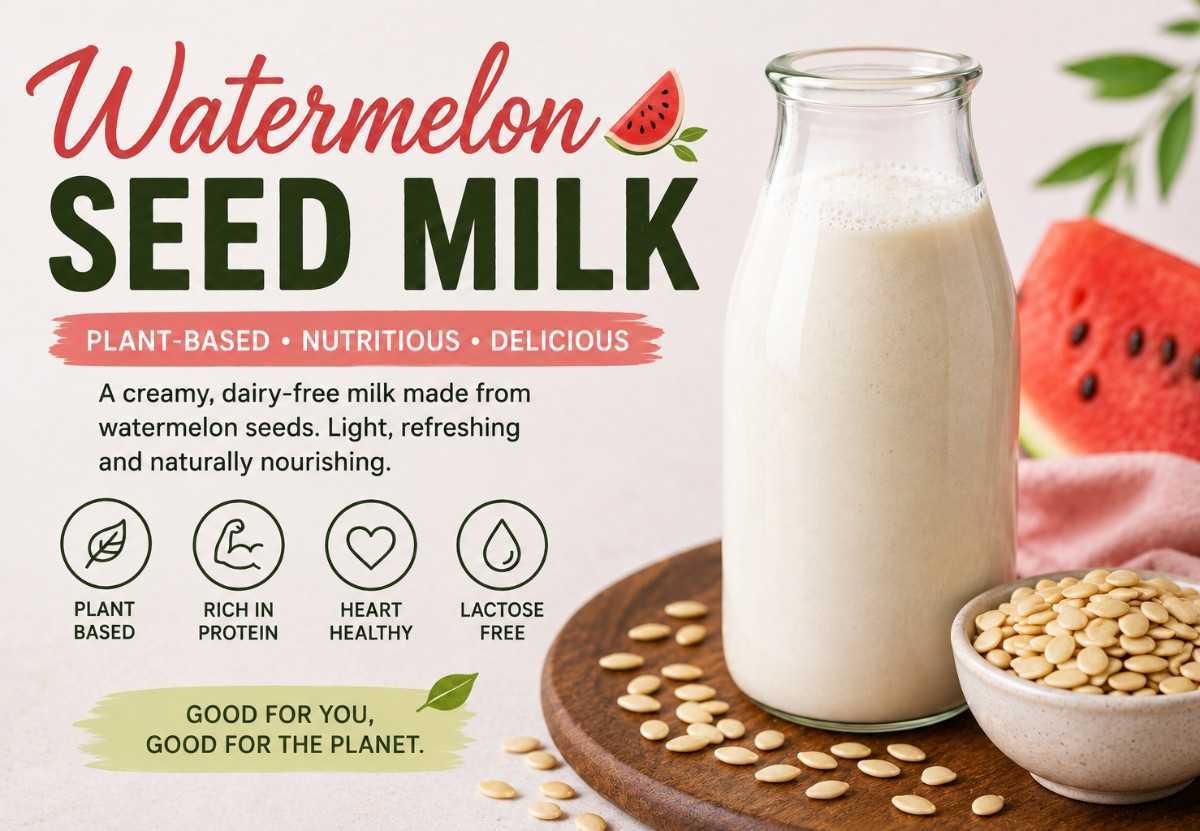
Watermelon is best known for its juicy, refreshing flesh, but its seeds are also edible and surprisingly nutrient-dense. One creative way to use them is watermelon seed milk, a homemade plant-based drink made by soaking and blending watermelon seeds with water.
Unlike watermelon juice, watermelon seed milk is not made from the fruit. It is made from the seeds, which contain protein, unsaturated fats, minerals, and other nutrients. Seeds in general can provide meaningful amounts of protein, healthy fats, fiber, magnesium, and other micronutrients.
Watermelon seed milk can be useful for people looking for a dairy-free beverage or simply wanting another way to include edible seeds in their diet. However, most research has examined watermelon seeds themselves rather than watermelon seed milk, so claims about the milk should be understood as potential benefits based on the nutrients retained during preparation rather than as proven treatments for disease.
What Is Watermelon Seed Milk?
Watermelon seed milk is a creamy, plant-based beverage prepared by soaking edible watermelon seeds, blending them with water, and then straining the mixture if a smoother texture is desired.
The seeds provide the main nutritional value. They contain plant protein, fats, minerals such as magnesium and zinc, and other nutrients. Magnesium is involved in hundreds of enzymatic reactions and contributes to normal muscle, nerve, bone, blood-sugar, and blood-pressure functions.
The final nutritional profile depends heavily on the type and quantity of seeds used, whether they are hulled or unhulled, whether they are roasted, how much water is added, and whether the pulp is discarded. Watermelon seed milk generally has a mild, nutty flavor rather than the sweet, fruity taste associated with watermelon flesh.
Nutrition Facts of Watermelon Seed Milk
The following is an approximate nutritional profile for 1 cup of homemade watermelon seed milk made from about 20 g edible watermelon seeds and water. Actual values can vary substantially depending on the recipe and how much seed pulp remains in the drink.
| Nutrient | Approximate amount per 1 cup* |
|---|---|
| Calories | 100–130 kcal |
| Protein | 5–6 g |
| Total fat | 7–9 g |
| Saturated fat | 1–2 g |
| Carbohydrates | 3–5 g |
| Dietary fiber | 1–2 g |
| Magnesium | Meaningful amount |
| Zinc | Small-to-moderate amount |
| Iron | Small-to-moderate amount |
| Phosphorus | Meaningful amount |
| Potassium | Small-to-moderate amount |
| Added sugar | 0 g if unsweetened |
*These are estimates rather than laboratory-tested values. Straining can substantially reduce fiber and some nutrients because part of the seed material is removed.
Seeds are recognized as sources of plant protein, healthy fats, fiber, and minerals, while magnesium and zinc play important roles in normal body function.
20 Proven Health Benefits of Watermelon Seed Milk
1. Provides Plant-Based Protein: Watermelon seed milk can contribute plant protein to the diet, which supports normal tissue maintenance, muscle repair, enzymes, and other body functions.
2. Supplies Healthy Fats: The seeds contain predominantly unsaturated fats, which can be part of a heart-friendly eating pattern when they replace foods higher in saturated fats.
3. Supports Normal Muscle Function: Magnesium from seeds contributes to normal muscle contraction and relaxation and helps support normal nerve function.
4. Supports Nerve Function: Magnesium is involved in numerous biochemical reactions needed for normal nervous-system function.
5. Contributes to Bone Health: Magnesium and phosphorus from seeds contribute to normal bone structure and mineral metabolism.
6. Supports Normal Energy Metabolism: Protein, magnesium, phosphorus, and other nutrients from seeds participate in metabolic processes that help the body produce and use energy.
7. Helps Meet Magnesium Needs: Including seed-based foods can make it easier to obtain magnesium, an essential mineral involved in more than 300 enzymatic reactions.
8. Provides Zinc: Watermelon seeds can contribute zinc, a mineral required for normal immune function, DNA production, protein synthesis, growth, and tissue repair.
9. Supports Immune Function: Adequate zinc and protein intake helps maintain normal immune-system function, although watermelon seed milk should not be considered an immune-boosting treatment.
10. Supports Tissue Repair: Protein and zinc contribute to normal protein production and tissue maintenance, making adequate intake important for everyday repair processes.
11. May Support Heart-Friendly Eating: Replacing some foods rich in saturated fat with foods containing unsaturated fats can fit into a heart-supportive dietary pattern.
12. Can Add Nutrients Without Dairy: Unsweetened watermelon seed milk can provide a dairy-free alternative for people who choose not to consume cow’s milk.
13. May Help Increase Dietary Variety: Using different seeds, legumes, grains, nuts, and other plant foods can provide a broader range of nutrients and protein sources.
14. Can Contribute to a Satisfying Drink: The combination of protein and fat can make watermelon seed milk more substantial than many low-calorie fruit drinks.
15. May Support Normal Blood-Sugar Metabolism: Magnesium is involved in blood-sugar regulation and glucose metabolism, although drinking watermelon seed milk is not a treatment for diabetes.
16. Supports Normal Blood-Pressure Regulation: Magnesium participates in normal blood-pressure regulation, making adequate dietary intake important as part of an overall healthy diet.
17. Provides a Useful Alternative to Sugary Drinks: Unsweetened watermelon seed milk can replace some sweetened beverages while providing protein and minerals.
18. May Support Vegetarian and Vegan Diets: The drink can contribute plant-based protein and minerals to vegetarian or vegan eating patterns when combined with other nutritious foods.
19. Can Be Nutrient-Dense in Small Portions: Seeds pack protein, healthy fats, and minerals into a relatively small amount of food, although the exact nutrient concentration of homemade milk varies with preparation.
20. Makes Use of an Edible Food Resource: Turning edible watermelon seeds into milk can be a practical way to reduce food waste and add variety to homemade beverages.
10 Side Effects of Watermelon Seed Milk
Watermelon seed milk is generally a food rather than a medicine, but it may not suit everyone.
1. Digestive Discomfort: Drinking a large amount at once may cause bloating, gas, abdominal discomfort, or changes in bowel movements in sensitive individuals.
2. Seed Allergy: People with an allergy to watermelon seeds should avoid watermelon seed milk because allergic reactions can potentially be serious.
3. Extra Calories: Because seeds contain fat, large servings of seed milk can add more calories than expected, particularly when made with a high seed-to-water ratio.
4. Possible Nausea: Very rich or concentrated seed milk may feel heavy or cause nausea in some people, especially when consumed in large amounts.
5. Loose Stools: Homemade seed milk containing considerable residual pulp may provide more fiber and could loosen stools in people who are sensitive to sudden increases in fiber.
6. Reduced Mineral Absorption: Seeds contain phytates, compounds that can bind minerals and reduce absorption of nutrients such as iron, zinc, magnesium, and calcium.
7. Food-Safety Problems: Poorly cleaned equipment, contaminated ingredients, or improper storage can increase the risk of foodborne illness in homemade beverages.
8. Added-Sugar Concerns: Adding large amounts of sugar, syrups, or sweetened flavorings can turn an otherwise nutrient-containing drink into a high-sugar beverage.
9. Interaction With Individual Diets: People following medically prescribed diets may need to account for the drink’s calories, protein, potassium, phosphorus, or other nutrients.
10. Possible Cross-Contamination: Watermelon seeds processed in facilities handling other nuts or seeds may pose a problem for people with certain food allergies, depending on the product and labeling.
How to Make Watermelon Seed Milk?
Making watermelon seed milk at home is relatively simple.
Ingredients:
- ½ cup shelled or cleaned edible watermelon seeds
- 3–4 cups filtered drinking water
- 1–2 dates, optional
- ½ teaspoon vanilla, optional
- A small pinch of cinnamon, optional
Method:
- Clean the seeds: Rinse the watermelon seeds thoroughly to remove dirt or fruit residue.
- Soak the seeds: Place them in clean water and soak for about 6–8 hours or overnight.
- Drain and rinse: Discard the soaking water and rinse the seeds again.
- Blend: Add the soaked seeds and 3–4 cups of fresh drinking water to a high-speed blender.
- Add flavor if desired: Add a date, vanilla, or cinnamon if you want a naturally flavored drink.
- Blend thoroughly: Blend for about 1–2 minutes until the mixture looks creamy.
- Strain: Pour through a fine-mesh strainer or nut-milk bag if you prefer a smoother milk.
- Refrigerate: Transfer immediately to a clean, covered container and refrigerate.
For food safety, use clean utensils and containers and keep the finished beverage refrigerated. FDA recommends appropriate refrigeration and safe handling of fresh foods because contamination can occur during preparation and storage.
How to Drink Watermelon Seed Milk?
Watermelon seed milk can be enjoyed cold or incorporated into everyday meals.
You can drink it plain, blend it into a smoothie, add it to oatmeal, or use it as a dairy-free ingredient in recipes. If you prefer a sweeter beverage, use a small amount of fruit such as dates or banana rather than relying heavily on added sugar.
Start with a small serving if you have never consumed watermelon seed milk before, particularly if your usual diet is low in seeds or fiber.
Tips for Consuming Watermelon Seed Milk
- Choose clean, food-grade watermelon seeds intended for eating.
- Soak the seeds before blending to make them softer and easier to process.
- Use fresh drinking water rather than leaving the milk at room temperature.
- Start with an unsweetened version so you can control the amount of added sugar.
- Shake or stir the milk before drinking because natural separation is normal.
- If you want more fiber, do not strain the milk completely.
- If you want a smoother beverage, strain it through a fine-mesh nut-milk bag.
- Make small batches because homemade plant-based milk is perishable.
- Do not use seeds that smell rancid, look moldy, or have been stored improperly.
- Combine seed milk with a varied diet rather than relying on it as a major source of nutrition.
How to Use Watermelon Seed Milk?
Watermelon seed milk can be used in many of the same ways as other homemade plant milks.
You can pour it over cereal, mix it into oatmeal, add it to smoothies, use it in chia pudding, blend it into shakes, or incorporate it into pancake and baking mixtures.
It can also be used as a creamy base for certain desserts and beverages. If a recipe requires commercially fortified milk, however, watermelon seed milk may not provide equivalent amounts of calcium, vitamin D, vitamin B12, or other added nutrients.
Other Uses of Watermelon Seed Milk
Smoothies
Blend watermelon seed milk with banana, berries, oats, or other fruits for a creamy smoothie.
Overnight Oats
Use it instead of dairy milk when preparing overnight oats.
Chia Pudding
Combine it with chia seeds and refrigerate overnight for a simple plant-based breakfast or snack.
Pancakes
Use it as the liquid component in pancake batter.
Porridge
Add it to oatmeal or other grain-based porridges for additional creaminess.
Homemade Shakes
Combine it with fruit, cocoa powder, cinnamon, or other ingredients for a homemade shake.
Desserts
Use it in selected puddings, custards, or other recipes where a nutty flavor works well.
How Much Watermelon Seed Milk Can You Drink in a Day?
There is no established medical dosage for watermelon seed milk because it is a relatively uncommon homemade beverage and has not been studied as a standardized treatment or supplement.
For most healthy adults, starting with about ½ to 1 cup per day is a reasonable food portion. If you tolerate it well, it can be incorporated into a balanced diet.
The appropriate amount depends on how concentrated the milk is. A drink made with a large quantity of seeds will contain more calories, fat, protein, and minerals than a highly diluted version.
If you have kidney disease, follow a medically restricted diet, or have another condition requiring specific mineral or protein limits, ask your healthcare professional about an appropriate amount.
Best Time to Drink Watermelon Seed Milk
There is no scientifically established “best time” to drink watermelon seed milk.
In the Morning
It can be added to breakfast smoothies, oatmeal, or cereal.
Between Meals
A small serving may work as part of a balanced snack.
After Exercise
It can contribute protein and calories to a post-exercise meal or snack, but it should not be viewed as a specialized recovery drink.
In the Evening
It can be consumed with dinner or as part of an evening snack if it fits your overall calorie and nutrition needs.
The most important factor is your overall dietary pattern rather than a particular time of day.
Who Should Drink Watermelon Seed Milk?
- People Seeking Dairy-Free Options: Those who avoid dairy can use unsweetened watermelon seed milk as one homemade plant-based beverage option.
- Vegetarians and Vegans: People following plant-forward diets can use it as one additional source of plant protein and minerals.
- People Who Enjoy Seed-Based Foods: Anyone who tolerates edible seeds and wants to experiment with different homemade plant milks may enjoy its mild nutty flavor.
- People Looking for Unsweetened Drinks: Homemade watermelon seed milk can be prepared without added sugar.
- People Wanting Dietary Variety: It can add another nutritious seed-based food to a varied diet.
- Home Cooks Interested in Food-Waste Reduction: People who want to make greater use of edible watermelon seeds may find this an interesting preparation.
Who Should Avoid Watermelon Seed Milk?
- People With a Watermelon Seed Allergy: Anyone with a known allergy to watermelon seeds should avoid the beverage.
- People With Previous Allergic Reactions to Seeds: If you have experienced unexplained reactions to seeds, discuss the safety of trying watermelon seed products with an allergy professional.
- People With Severe Digestive Sensitivity: Those who develop significant bloating, diarrhea, or abdominal pain after eating seeds may not tolerate concentrated seed milk well.
- People on Medically Restricted Diets: Individuals with prescribed restrictions on protein, potassium, phosphorus, calories, or other nutrients should check with their healthcare professional before consuming it regularly.
- Young Children Without Appropriate Dietary Guidance: Homemade seed beverages should not automatically be used as a nutritional substitute for breast milk, infant formula, or appropriately formulated toddler beverages.
- People With Food-Safety Concerns: Anyone unable to maintain appropriate hygiene, refrigeration, and safe preparation should avoid storing homemade seed milk for extended periods.
How to Store Watermelon Seed Milk?
- Use a Clean Container: Store the milk in a thoroughly cleaned, food-safe container with a tight-fitting lid.
- Refrigerate Promptly: Place homemade watermelon seed milk in the refrigerator soon after preparation rather than leaving it at room temperature.
- Keep the Refrigerator Cold: Perishable foods should be refrigerated at 40°F (4°C) or below according to FDA food-safety guidance.
- Use It Quickly: Homemade watermelon seed milk does not contain the same preservation system as many commercial plant milks, so making small batches is preferable.
- Check Before Drinking: Discard the milk if it develops an unusual sour smell, mold, bubbling, unusual discoloration, or other signs of spoilage.
- Expect Separation: Natural separation is normal, so shake or stir the beverage before drinking if it has been refrigerated.
- Do Not Rely Only on Smell: Some harmful microorganisms may not noticeably change the smell, appearance, or taste of food, so good storage practices remain important.
Precautions and Interactions
Watermelon seed milk should be treated as a food, not as a medicine or supplement.
- Allergies: Avoid it if you have a known allergy to watermelon seeds or experience symptoms such as hives, swelling, vomiting, wheezing, or difficulty breathing after consuming them. A severe allergic reaction requires urgent medical attention.
- Mineral Absorption: Seeds contain phytates that can reduce the absorption of minerals including iron, zinc, magnesium, and calcium. Soaking and food preparation may alter these compounds, but they do not eliminate them completely.
- Medications and Medical Diets: There is no well-established medication interaction specific to watermelon seed milk. Nevertheless, people taking medications or following diets that restrict particular minerals or nutrients should discuss regular consumption with a doctor or registered dietitian.
- Pregnancy and Breastfeeding: Watermelon seed milk made from clean, properly prepared edible seeds can be considered a food, but there is insufficient research to establish special therapeutic benefits during pregnancy or breastfeeding. Pregnant or breastfeeding individuals should focus on a varied diet and seek professional advice for individualized nutrition needs.
- Kidney Conditions: People with kidney disease may need to manage protein, potassium, phosphorus, magnesium, or fluid intake depending on their condition. Regular consumption should therefore be discussed with a healthcare professional.
- Food Safety: Wash ingredients and equipment properly and refrigerate the finished beverage promptly. FDA emphasizes that fresh foods can become contaminated during handling, preparation, and storage.
Final Thoughts
Watermelon seed milk is an interesting homemade alternative to conventional dairy and plant-based milks. Its appeal comes from the nutritional profile of watermelon seeds, particularly their plant protein, unsaturated fats, magnesium, zinc, and other minerals.
However, it is important not to overstate the evidence. Watermelon seed milk itself has not been extensively studied in human clinical trials, so its benefits should primarily be understood through the nutrients supplied by watermelon seeds.
For most people who tolerate seeds, an unsweetened homemade version can be a useful addition to a varied diet. The simplest approach is to make a small batch, keep it refrigerated, and enjoy it alongside a broad range of fruits, vegetables, whole grains, legumes, nuts, and other nutritious foods.
FAQ’s
Is watermelon seed milk healthy?
It can be a nutritious beverage because watermelon seeds provide protein, unsaturated fats, magnesium, zinc, phosphorus, and other nutrients, although the exact nutrition depends on how the milk is prepared.
What does watermelon seed milk taste like?
Watermelon seeds milk generally has a mild, creamy, nutty flavor rather than a sweet watermelon taste.
Is watermelon seed milk good for weight loss?
It may fit into a weight-management diet when consumed in appropriate portions, but it does not directly burn fat or cause weight loss.
Can I drink watermelon seed milk every day?
Healthy adults who tolerate seeds can generally include a small serving in their diet, but there is no established daily therapeutic dosage for watermelon seed milk.
Does watermelon seed milk contain protein?
Yes. Watermelon seeds contain plant protein, and the amount retained in the milk depends on the number of seeds used and whether the mixture is strained.
Is watermelon seed milk good for digestion?
It may provide some nutrients and, if unstrained, some fiber, but large amounts may cause bloating or digestive discomfort in sensitive individuals.
Does watermelon seed milk contain calcium?
It may contain some calcium naturally, but the amount can vary considerably. Unlike many commercial plant milks, homemade watermelon seed milk is generally not calcium-fortified.
Is watermelon seed milk good for the skin?
The protein, healthy fats, zinc, and other nutrients in watermelon seeds support normal body functions, including skin maintenance, but there is not enough clinical evidence to say that watermelon seed milk specifically improves skin.
Can watermelon seed milk help with hair growth?
Watermelon seeds provide nutrients such as protein and zinc that are important for normal hair and tissue maintenance, but watermelon seed milk has not been proven to stimulate hair growth.
Can I drink watermelon seed milk during pregnancy?
There is no strong clinical evidence showing special benefits of watermelon seed milk during pregnancy. Pregnant women should use properly cleaned, safely prepared ingredients and consult their healthcare provider about individual dietary needs.
Is watermelon seed milk safe while breastfeeding?
It can be consumed as a food by people who tolerate watermelon seeds, but there is limited research specifically on watermelon seed milk during breastfeeding.
Can children drink watermelon seed milk?
Older children who can safely consume seeds may be able to have it as part of a balanced diet, but it should not replace breast milk, infant formula, or nutritionally appropriate foods for infants.
Does watermelon seed milk contain sugar?
Unsweetened watermelon seed milk contains very little naturally occurring sugar compared with watermelon fruit juice, but adding dates, honey, sugar, or syrups increases the sugar content.
How long does watermelon seed milk last in the refrigerator?
Homemade watermelon seeds milk is perishable, so it is best prepared in small batches, refrigerated promptly, and consumed quickly rather than stored for an extended period.
Can I make watermelon seed milk without soaking the seeds?
Yes, but soaking softens the seeds and can make blending easier. It may also improve the texture of the finished beverage.
Can I drink watermelon seed milk before bed?
Yes, if you tolerate it well. There is no scientific evidence that nighttime consumption provides special benefits compared with drinking it at another time.
Is watermelon seed milk better than cow’s milk?
Neither is universally better. Cow’s milk naturally provides substantial protein and is often fortified or naturally rich in nutrients such as calcium and vitamin B12, while watermelon seed milk offers a dairy-free alternative with nutrients from edible seeds.
Can watermelon seed milk replace regular milk?
It can replace milk in some recipes, but homemade watermelon seed milk should not automatically be considered nutritionally equivalent to fortified dairy or commercial plant milks.
Does watermelon seed milk help lower blood pressure?
Watermelon seeds provide magnesium, which contributes to normal blood-pressure regulation, but watermelon seed milk has not been proven to treat or lower high blood pressure.
Is watermelon seed milk good for diabetes?
An unsweetened version may fit into a balanced eating pattern, but it is not a treatment for diabetes. People with diabetes should consider the total carbohydrate and calorie content of their particular recipe.
Can watermelon seed milk be frozen?
It can technically be frozen, but freezing and thawing may change its texture and cause separation. Fresh preparation is generally preferable.
Can I use roasted watermelon seeds to make milk?
Yes, provided the seeds are edible and prepared without excessive salt or other unwanted ingredients. Roasting can change the flavor and may make the milk taste nuttier.
Is watermelon seed milk alkaline or acidic?
The pH of homemade watermelon seed milk can vary with the ingredients and preparation method, so it should not be reliably classified as a specific alkaline or acidic health drink without testing.
How quickly does watermelon seed milk work?
Watermelon seed milk is a food, not a medication, so it does not have a specific “working time.” Its nutrients contribute to overall dietary intake rather than producing an immediate therapeutic effect.
Can watermelon seed milk improve sleep?
Watermelon seeds provide magnesium, which is involved in normal nervous-system function, but there is insufficient evidence to conclude that watermelon seed milk specifically improves sleep.
Is watermelon seed milk good for the heart?
Its unsaturated fats can fit into a heart-friendly dietary pattern when they replace foods higher in saturated fats, but watermelon seed milk itself has not been established as a treatment for heart disease.
What does Watermelon Seed Milk smell like?
Watermelon seed milk usually has a mild, nutty, slightly earthy smell rather than a strong watermelon aroma. Fresh milk should not smell sour, rancid, or unpleasant.
Is Watermelon Seed Milk good for you?
Yes, watermelon seed milk can be a nutritious dairy-free drink because watermelon seeds provide plant protein, unsaturated fats, magnesium, zinc, phosphorus, and other nutrients. Its nutritional value depends on the amount of seeds used and whether the milk is strained.
Can you mix watermelon and milk?
Yes, watermelon fruit and milk can technically be consumed together, and there is no general scientific evidence that the combination is inherently harmful for healthy people. However, some people may experience bloating or digestive discomfort, particularly when consuming large amounts.
Sources / References:
- Harvard T.H. Chan School of Public Health
- U.S. Food and Drug Administration
- The Nutrition Source
- FDA
- USDA Food Safety and Inspection Service
Disclaimer:
This article is for general educational purposes only and does not replace professional medical or dietary advice. Individual nutritional needs vary, so consult a qualified healthcare professional for personalized guidance.
Also Read: