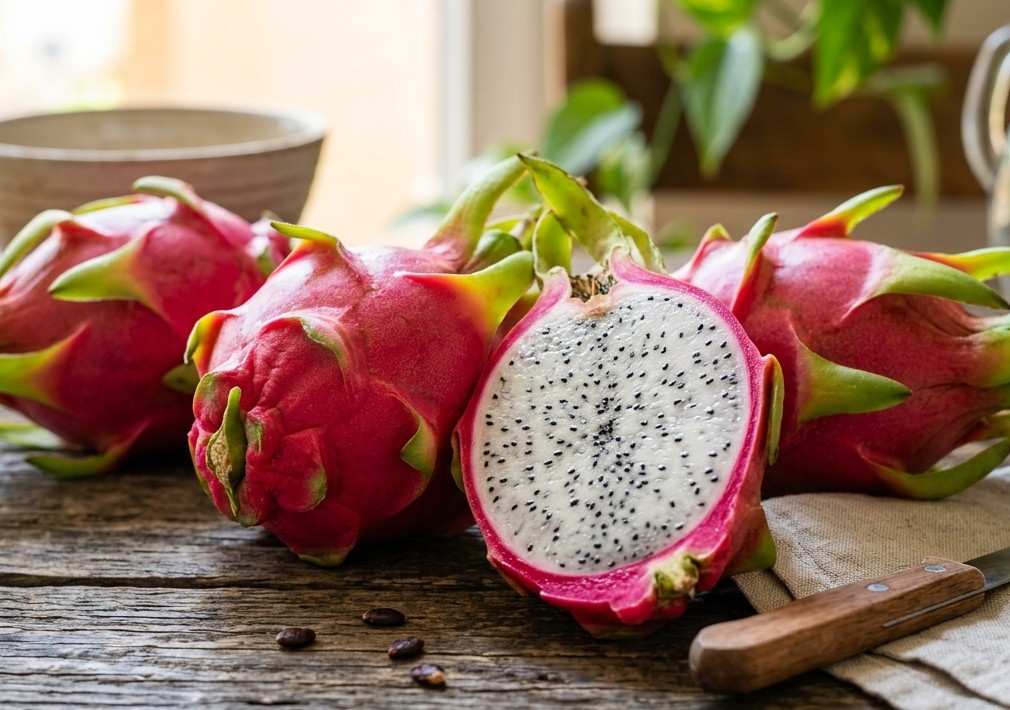
Dragon fruit has quickly become one of the world’s most popular tropical fruits, due to its vibrant appearance, refreshing taste, and impressive nutritional profile. Also known as pitaya or pitahaya, this exotic fruit is packed with vitamins, minerals, antioxidants, dietary fiber, and beneficial plant compounds that support overall health.
Native to Central and South America, dragon fruit is now widely cultivated in countries such as Vietnam, Thailand, Malaysia, Mexico, and India. It comes in several varieties with white, red, or purple flesh, all containing tiny edible black seeds that add a pleasant crunch.
Whether you’re looking to improve digestion, strengthen your immune system, support heart health, or simply enjoy a naturally sweet snack, dragon fruit can be a nutritious addition to a balanced diet. This guide explores everything you need to know about dragon fruit, including its nutrition facts and science-backed health benefits.
What is Dragon Fruit?
Dragon fruit is the fruit of several cactus species belonging to the Hylocereus and Selenicereus genera. Despite growing on a cactus, the fruit has a juicy texture and mildly sweet flavor that is often compared to a combination of kiwi and pear.
Its thick pink or yellow outer skin is covered with green, leaf-like scales, giving it the appearance of a mythical dragon—hence the name “dragon fruit.”
Dragon fruit is naturally low in calories while providing a good source of fiber, vitamin C, magnesium, iron, and powerful antioxidants.
Nutrition Facts of Dragon Fruit (Per 100g)
| Nutrient | Amount |
|---|---|
| Calories | 57 kcal |
| Water | 84 g |
| Carbohydrates | 13 g |
| Natural Sugars | 8 g |
| Dietary Fiber | 3 g |
| Protein | 1.2 g |
| Fat | 0.1 g |
| Vitamin C | 3–9 mg |
| Calcium | 18 mg |
| Iron | 0.7 mg |
| Magnesium | 40 mg |
| Phosphorus | 22 mg |
| Potassium | 268 mg |
| Sodium | 0 mg |
Values may vary slightly depending on the variety and ripeness.
Types of Dragon Fruit
Dragon fruit comes in several varieties that differ in skin color, flesh color, sweetness, and nutritional value. Here are the most common varieties:
1. White Dragon Fruit (Hylocereus undatus)
- Bright pink skin with white flesh
- Tiny edible black seeds
- Mildly sweet flavor
- Most widely available variety worldwide
- Excellent source of fiber and vitamin C
2. Red Dragon Fruit (Hylocereus costaricensis / Hylocereus polyrhizus)
- Pink or red skin with deep red or magenta flesh
- Sweeter and juicier than the white variety
- Rich in betalain antioxidants, which give it its vibrant color
- Commonly used in smoothies, desserts, and juices
3. Yellow Dragon Fruit (Selenicereus megalanthus)
- Bright yellow skin with white flesh
- Smaller than pink dragon fruits
- Sweetest variety with a honey-like flavor
- Rich in fiber, vitamin C, and antioxidants
- Usually more expensive due to limited production
4. Purple Dragon Fruit
- Deep purple flesh with pink skin
- Similar to the red variety but with darker-colored flesh
- High in antioxidants and natural pigments
- Often used for smoothie bowls and natural food coloring
5. Pink Dragon Fruit
- Bright pink skin with either white or red flesh
- Refreshing, mildly sweet taste
- Popular in fresh fruit salads and desserts
- Widely cultivated in tropical and subtropical regions
20 Proven Health Benefits of Dragon Fruit
- Rich in Antioxidants: Dragon fruit contains betalains, flavonoids, and vitamin C that help protect cells from oxidative stress and free radical damage.
- Supports Immune Health: Its vitamin C and antioxidant content help strengthen the immune system and support the body’s natural defense against infections.
- Improves Digestive Health: The dietary fiber promotes healthy digestion, supports regular bowel movements, and helps prevent constipation.
- Promotes Gut Microbiome: Dragon fruit acts as a natural prebiotic, encouraging the growth of beneficial gut bacteria that improve digestive health.
- Supports Heart Health: Fiber, antioxidants, and magnesium may help maintain healthy cholesterol levels and support overall cardiovascular function.
- Helps Manage Blood Sugar: The fiber content slows sugar absorption, which may contribute to healthier blood sugar control when eaten as part of a balanced diet.
- Aids Healthy Weight Management: Low in calories yet rich in fiber and water, dragon fruit helps increase fullness and reduce unnecessary snacking.
- Boosts Skin Health: Vitamin C supports collagen production, while antioxidants help protect the skin from environmental damage and premature aging.
- Strengthens Bones: Magnesium, calcium, and phosphorus contribute to maintaining strong bones and healthy teeth.
- Supports Healthy Blood Cells: Iron helps support normal red blood cell production and oxygen transport throughout the body.
- Improves Hydration: With over 80% water content, dragon fruit helps maintain hydration, especially during hot weather.
- Promotes Healthy Digestion After Meals: Its fiber content supports smoother digestion and may reduce feelings of heaviness after eating.
- Supports Healthy Blood Pressure: Potassium and magnesium contribute to maintaining normal blood pressure by balancing sodium levels.
- Provides Natural Energy: Healthy carbohydrates provide a steady source of energy without excessive calories.
- May Reduce Inflammation: Antioxidants and plant compounds may help reduce inflammation associated with chronic diseases.
- Supports Eye Health: Vitamin C and carotenoids help protect eye tissues from oxidative stress and support long-term vision health.
- Contributes to Healthy Hair: Nutrients such as vitamin C and iron support healthy hair growth by promoting collagen formation and oxygen delivery.
- Supports Healthy Pregnancy Nutrition: Folate, vitamin C, and magnesium make dragon fruit a nutritious fruit choice during pregnancy when consumed as part of a balanced diet.
- May Lower Risk of Chronic Diseases: Regular consumption of antioxidant-rich fruits like dragon fruit may help reduce the risk of certain chronic health conditions.
- Easy to Include in a Healthy Diet: Its naturally sweet flavor, versatility, and nutrient density make pitaya an excellent everyday fruit for people of all ages.
10 Side Effects of Dragon Fruit
- Allergic Reactions: Although uncommon, some people may experience itching, swelling, hives, or difficulty breathing after eating pitaya.
- Digestive Discomfort: Eating large amounts may cause bloating, gas, or stomach discomfort because of its high fiber content.
- Diarrhea: Excessive consumption can lead to loose stools, especially in people who are not used to a high-fiber diet.
- Temporary Red or Pink Urine: Red-fleshed pitaya may temporarily turn urine or stool pink or red, which is harmless.
- Blood Sugar Changes: While generally diabetes-friendly, eating very large portions may still raise blood sugar levels due to its natural sugars.
- Medication Interactions: Dragon fruit’s nutrients may affect blood sugar management, so people taking diabetes medications should monitor their glucose levels.
- Digestive Sensitivity: Individuals with sensitive stomachs or digestive disorders may experience mild discomfort after eating the fruit.
- Overconsumption of Fiber: Consuming too much dragon fruit without enough water may contribute to constipation or digestive upset.
- Rare Skin Reactions: A few people may develop mild skin irritation or rashes if they are allergic to the fruit.
- Nutritional Imbalance: Relying heavily on pitaya while neglecting other fruits may reduce dietary variety and limit nutrient intake.
How to Eat Dragon Fruit?
Dragon fruit is easy to prepare and can be enjoyed in many delicious ways.
- Slice the fruit in half and scoop out the flesh with a spoon.
- Peel the skin and cut the flesh into cubes.
- Eat it fresh as a healthy snack.
- Add it to fruit salads for extra color and nutrition.
- Blend it into smoothies or smoothie bowls.
- Mix it into yogurt or oatmeal.
- Add it to fresh juices.
- Use it in homemade fruit salsa.
- Freeze the cubes for a refreshing dessert.
- Add it to desserts such as sorbet, popsicles, or chia pudding.
Tips for Consuming Dragon Fruit
- Choose fruits with bright, evenly colored skin.
- Slightly soft fruit is usually ripe and sweeter.
- Wash the outer skin before cutting.
- Eat the flesh only; the skin is not commonly consumed.
- Pair it with protein-rich foods like yogurt or nuts for a balanced snack.
- Introduce it gradually if you are increasing your fiber intake.
- Drink plenty of water when eating high-fiber foods.
- Enjoy a variety of fruits instead of relying on one fruit alone.
- Refrigerate cut fruit and consume it within 2–3 days.
- Avoid fruit with mold, deep bruises, or a fermented smell.
Other Uses of Dragon Fruit
- Smoothie Ingredient: Pitaya adds natural sweetness, vibrant color, and nutrients to smoothies.
- Fruit Salad Addition: It enhances fruit salads with its refreshing taste and attractive appearance.
- Dessert Ingredient: Dragon fruit is commonly used in sorbets, ice creams, puddings, and frozen treats.
- Juice Base: The juicy flesh makes a refreshing beverage on its own or mixed with other fruits.
- Jam and Jelly: It can be cooked into homemade jams and fruit spreads.
- Baking Ingredient: Dragon fruit can be incorporated into cakes, muffins, and pastries for natural color.
- Breakfast Topping: Add diced pitaya to cereal, yogurt, oatmeal, or granola.
- Cocktail and Mocktail Garnish: Its colorful appearance makes it an attractive garnish for drinks.
- Natural Food Coloring: Red-fleshed pitaya can naturally color smoothies, desserts, and baked goods.
- Decorative Fruit Platter: Its unique appearance makes it a popular choice for fruit displays and party platters.
How Much Dragon Fruit Can You Eat in a Day?
Most healthy adults can safely enjoy 1–2 cups (about 200–300 grams) of fresh dragon fruit per day as part of a balanced diet.
Children should consume smaller portions based on their age, while individuals with digestive sensitivity may prefer starting with half a cup to assess tolerance. Eating a variety of fruits is recommended for optimal nutrition.
There is no official recommended dosage for dragon fruit, but general serving suggestions include:
| Group | Recommended Serving |
|---|---|
| Adults | 1–2 cups (200–300 g) daily |
| Children | ½–1 cup daily |
| Older Adults | 1 cup daily |
| Athletes | 1–2 cups depending on energy needs |
| Pregnant Women | 1 cup daily as part of a balanced diet (unless otherwise advised by a healthcare provider) |
Best Time to Eat Dragon Fruit
Dragon fruit can be enjoyed at any time of the day, but certain times may offer added benefits.
- Breakfast for a refreshing and fiber-rich start.
- Mid-morning as a healthy snack.
- Afternoon to boost hydration and energy.
- After exercise to replenish fluids and carbohydrates.
- As a light evening snack if desired.
Who Should Eat Dragon Fruit?
- People Looking to Improve Digestion: Its fiber supports healthy bowel movements and gut health.
- Individuals Managing Weight: Low calories and high fiber help promote fullness.
- People Seeking Better Heart Health: Nutrients and antioxidants support cardiovascular wellness.
- Those Wanting Stronger Immunity: Vitamin C contributes to normal immune function.
- Athletes and Active Individuals: Natural carbohydrates help replenish energy after physical activity.
- People with Mild Constipation: Fiber may help improve digestive regularity.
- Older Adults: The fruit provides hydration and beneficial nutrients in an easy-to-eat form.
- Pregnant Women: It offers vitamins, minerals, and fiber that support a healthy pregnancy diet when approved by a healthcare provider.
- Children: Dragon fruit is a nutritious fruit that can be included in a balanced diet after introducing it safely.
- Anyone Seeking More Antioxidants: Its colorful pigments help fight oxidative stress.
Who Should Not Eat Dragon Fruit?
- People with a Known Dragon Fruit Allergy: Avoid consumption if you have experienced allergic reactions previously.
- Individuals Experiencing Severe Digestive Upset: Limit intake if it consistently causes bloating or diarrhea.
- People Taking Diabetes Medication: Monitor blood sugar and consult a healthcare provider regarding portion sizes.
- Those with Food Allergies to Similar Fruits: Exercise caution when trying pitaya for the first time.
- Individuals Following Specific Medical Diets: Consult a healthcare professional before making significant dietary changes.
- People with Chronic Digestive Disorders: Consume moderate portions and monitor symptoms.
- Anyone with Unexplained Food Reactions: Stop eating the fruit and seek medical advice if symptoms occur.
- Infants Under Six Months: Pitaya is not suitable before complementary feeding begins.
How to Store Dragon Fruit?
- Store at Room Temperature: Keep uncut ripe fruit on the counter for a few days.
- Refrigerate After Ripening: Refrigeration helps extend freshness for about one week.
- Keep Cut Fruit Covered: Store cut pieces in an airtight container.
- Avoid Excess Moisture: Dry the fruit before refrigerating to reduce spoilage.
- Freeze for Longer Storage: Freeze cubes for smoothies and desserts.
- Keep Away from Direct Sunlight: Heat speeds up ripening and spoilage.
- Check for Spoilage: Discard fruit with mold, an unpleasant odor, or excessive softness.
- Label Frozen Fruit: Use frozen pitaya within several months for the best quality.
Precautions and Interactions
- Eat in Moderation: Excessive intake may cause digestive discomfort due to its fiber content.
- Watch for Allergic Reactions: Stop eating the fruit immediately if allergy symptoms develop.
- Monitor Blood Sugar: People with diabetes should include pitaya as part of their overall meal plan.
- Introduce Gradually: Increase intake slowly if you are not accustomed to high-fiber foods.
- Maintain a Balanced Diet: Dragon fruit should complement, not replace, other fruits and vegetables.
- Consult During Pregnancy if Needed: Pregnant women with specific health conditions should seek personalized dietary advice.
- Discuss with Your Healthcare Provider: People taking medications or managing chronic illnesses should consult a healthcare professional before making significant dietary changes.
FAQ’s
What is dragon fruit good for?
Pitaya is rich in fiber, vitamin C, antioxidants, and magnesium, making it beneficial for digestion, immunity, heart health, and overall wellness.
Is dragon fruit healthy to eat every day?
Yes, most healthy adults can enjoy pitaya daily in moderate amounts as part of a balanced diet.
Can people with diabetes eat dragon fruit?
Yes. pitaya contains fiber that may help slow sugar absorption, but people with diabetes should monitor portion sizes and follow their healthcare provider’s advice.
Is dragon fruit good for weight loss?
Yes. It is low in calories, high in fiber, and contains plenty of water, which can help keep you feeling full for longer.
What does dragon fruit taste like?
Pitaya has a mildly sweet, refreshing flavor that is often compared to a mix of kiwi, pear, and watermelon.
Can I eat dragon fruit on an empty stomach?
Yes. pitaya is generally safe to eat on an empty stomach and can be a light, hydrating breakfast or snack.
Is dragon fruit good for digestion?
Yes. Its dietary fiber supports healthy digestion, promotes regular bowel movements, and helps nourish beneficial gut bacteria.
Can pregnant women eat dragon fruit?
Yes. pitaya can be a nutritious choice during pregnancy when eaten in moderation as part of a healthy diet, unless otherwise advised by a healthcare provider.
Is dragon fruit good for children?
Yes. pitaya is a nutritious fruit that can be introduced to children in age-appropriate portions after ensuring they have no allergies.
Can dragon fruit improve skin health?
Yes. Its vitamin C and antioxidants support collagen production and help protect the skin from oxidative damage.
Are the black seeds in dragon fruit edible?
Yes. The tiny black seeds are completely edible and provide small amounts of healthy fats and fiber.
Why does dragon fruit turn urine or stool red?
Red-fleshed pitaya may temporarily color urine or stool pink or red due to its natural pigments. This effect is harmless.
Why is dragon fruit very costly?
Pitaya is often expensive because it requires careful cultivation, hand harvesting, and has a relatively short shelf life. Transportation and seasonal availability also affect its price.
What is dragon fruit called in India?
In India, dragon fruit is commonly called Dragon Fruit or Kamalam. In 2021, the Government of Gujarat popularized the Sanskrit-derived name Kamalam, meaning “lotus,” due to the fruit’s flower-like appearance.
Is dragon fruit high in sugar?
No. pitaya contains natural sugars but is relatively low in sugar compared to many tropical fruits. It also provides fiber, which helps slow sugar absorption.
Which is better, guava or dragon fruit?
Both are nutritious. Guava is higher in vitamin C and fiber, while pitaya is rich in antioxidants, magnesium, and hydration. The better choice depends on your nutritional needs.
Which state is famous for dragon fruit in India?
Gujarat is one of India’s leading pitaya fruit-producing states. Other major producers include Maharashtra, Karnataka, Andhra Pradesh, Telangana, Tamil Nadu, and West Bengal.
Do dragon fruits grow in India?
Yes. Dragon fruit is successfully grown in several Indian states due to its ability to thrive in warm, tropical, and subtropical climates.
Which dragon fruit is better, red or white?
Both are healthy, but red-fleshed dragon fruit generally contains higher levels of antioxidants, while white-fleshed pitaya fruit has a milder flavor. Either variety can be part of a healthy diet.
Which is better, avocado or dragon fruit?
Both offer unique benefits. Avocado is rich in healthy fats and potassium, whereas pitaya is lower in calories and provides more vitamin C and fiber. They complement each other rather than compete.
Is 1 dragon fruit a day too much?
No. For most healthy adults, eating one medium pitaya per day is considered safe and can fit into a balanced diet.
Is dragon fruit good for fatty liver?
Pitaya may support overall liver health because it contains antioxidants and fiber. However, it is not a treatment for fatty liver. A healthy diet, regular exercise, and medical guidance remain the most important approaches.
Which is better, dragon fruit or pomegranate?
Both are excellent fruits. Pomegranate is particularly rich in polyphenols and vitamin C, while pitaya fruit provides fiber, magnesium, and hydration. Including both in your diet offers a wider range of nutrients.
Why do I feel dizzy after eating dragon fruit?
Dizziness after eating pitaya is uncommon. It may be caused by an allergic reaction, low blood sugar, dehydration, or another underlying medical condition rather than the fruit itself. If dizziness is severe or recurring, seek medical advice.
Which fruit is equal to dragon fruit?
There is no exact equivalent, but fruits such as kiwi, guava, papaya, pomegranate, and berries provide similar benefits, including antioxidants, fiber, and vitamin C.
Is dragon fruit good for high creatinine?
Pitaya can generally be enjoyed as part of a balanced diet, but people with high creatinine levels or chronic kidney disease should consult their healthcare provider or a registered dietitian before increasing their intake. Individual dietary recommendations depend on kidney function, potassium needs, and overall health.
Which Type of Dragon Fruit Is the Healthiest?
Red-fleshed dragon fruit is generally considered the healthiest type because it contains higher levels of antioxidant-rich betalains while providing the same fiber, vitamins, and minerals found in other varieties.
Sources / References:
- U.S. Department of Agriculture (USDA) FoodData Central
- World Health Organization (WHO) – Healthy Diet
- Harvard T.H. Chan School of Public Health – The Nutrition Source
- Academy of Nutrition and Dietetics
- National Institutes of Health (NIH), Office of Dietary Supplements
- Cleveland Clinic – Nutrition & Healthy Eating
- Mayo Clinic – Healthy Lifestyle & Nutrition
About the Author:
Written by: Kirti Solanki (Health Content Researcher)
Kirti Solanki is a health content researcher who creates evidence-based, easy-to-understand articles on nutrition, wellness, and healthy living. Every article is carefully researched using trusted scientific sources and reputable health organizations to provide readers with accurate, practical, and up-to-date information.
Medical Disclaimer:
This guide is for educational and informational purposes only and should not be considered medical advice. Always consult a qualified healthcare professional before making significant changes to your diet or using any food for the prevention or treatment of a medical condition.
Also Read: