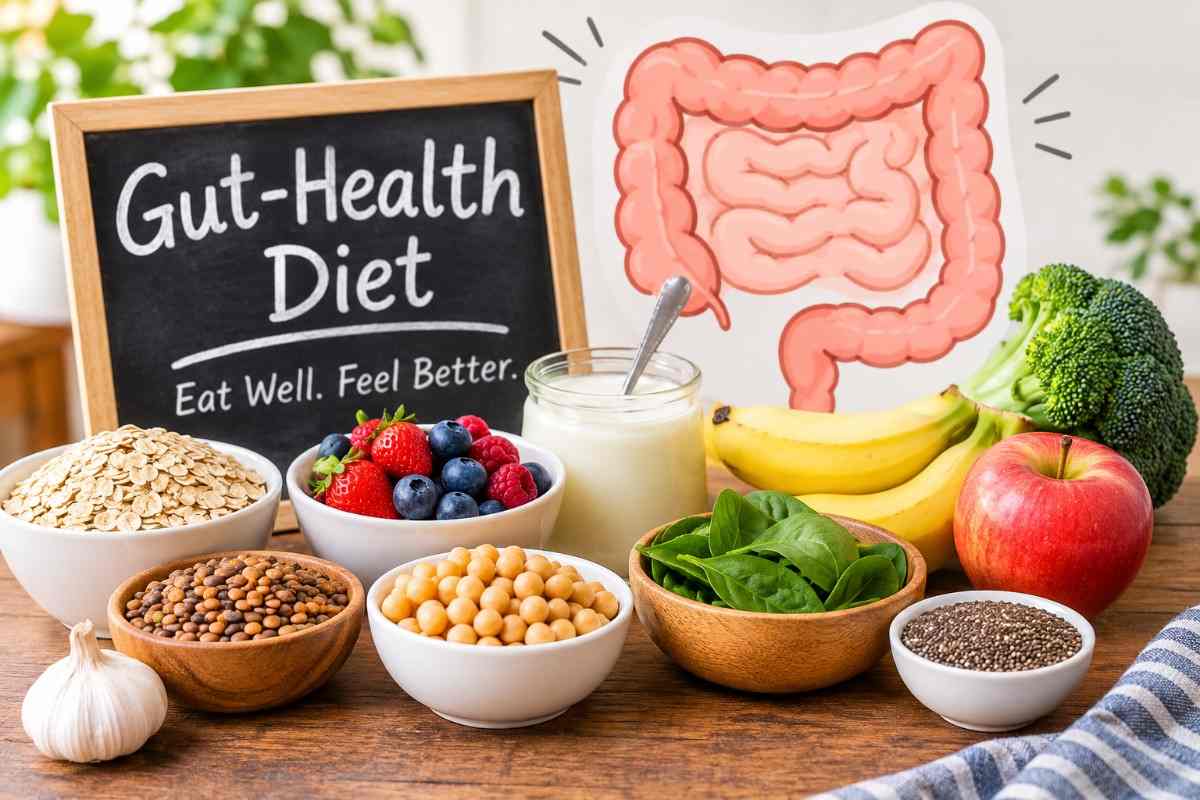
Have you ever eaten a meal and felt perfectly fine, only to experience bloating, gas, or stomach discomfort a few hours later? Or perhaps you struggle with constipation even though you try to eat healthy.
Your gut has a lot to do with how you feel after eating. It helps break down food, absorb nutrients, and get rid of waste. The bacteria living in your digestive system also play an important role in keeping your gut functioning properly.
The good news is that you can support your gut health through everyday food choices. You do not need to follow an expensive diet or completely change the way you eat.
A few simple habits, such as eating more fiber, adding fruits and vegetables to your meals, and including fermented foods when you tolerate them, can help your digestive system work more comfortably.
In this article, we will look at what a gut-health diet really means, which foods are worth adding to your plate, and how you can build a simple gut-friendly eating routine.
What Is a Gut Health Diet?
A gut-health diet is an eating pattern that helps your digestive system function properly and provides nourishment for the beneficial microorganisms living in your intestines.
These microorganisms are often called the gut microbiome. They include different types of bacteria and other microbes that live inside your digestive tract.
Some of these bacteria help break down dietary fiber that your body cannot digest on its own. During this process, they produce substances that help maintain the environment inside your colon.
A gut-health diet usually includes plenty of plant-based foods, whole grains, legumes, and enough fluids. Fermented foods can also be included if they suit your digestion.
You do not have to eat perfectly every day. What matters more is the overall pattern of your diet.
For example, if your breakfast usually consists of white toast and sweetened tea, you could occasionally replace it with oatmeal, fruit, and plain yogurt. If your lunch contains very few vegetables, adding a serving of cooked vegetables or beans is another easy way to improve your fiber intake.
Small changes like these are easier to maintain than following a strict diet for a few days and then giving up.
Why Is Gut Health Important?
Your gut does much more than digest food. It is involved in several important processes in your body.
1. Helps with digestion
Your digestive system breaks food into smaller parts so your body can absorb nutrients. Gut bacteria also help ferment certain types of fiber that pass through the small intestine without being fully digested.
2. Helps keep bowel movements regular
If you often experience constipation, your diet may not contain enough fiber or fluids. Fiber helps add bulk to stool, while some types of fiber hold water and make stool softer.
3. Supports the immune system
The gut contains a large number of immune cells. The microorganisms living there interact with the intestinal lining and help maintain a normal relationship between your digestive system and immune system.
4. Helps maintain the intestinal lining
The lining of your intestine acts as a protective barrier. Some substances produced by gut bacteria during fiber fermentation help support the normal function of this lining.
5. May influence overall well-being
Researchers continue to study how the gut microbiome relates to different aspects of health. However, many of these connections are still being investigated. Having digestive symptoms does not automatically mean your gut bacteria are unhealthy.
15 Foods to Include in a Gut-Health Diet
You do not need to buy special foods to improve your gut health. Many useful options are already available in an ordinary grocery store.
1. Oats
Oats are a good breakfast choice because they contain soluble fiber, including beta-glucan.
A bowl of oatmeal with banana or berries is an easy way to start your day with more fiber. You can also add a spoonful of ground flaxseed if you enjoy its taste.
2. Plain Yogurt
Yogurt containing live cultures can be a useful addition to your diet. It also provides protein and calcium.
Choose plain yogurt when possible, especially if you want to avoid added sugar. If regular yogurt makes you uncomfortable, try lactose-free yogurt.
3. Bananas
Bananas are convenient, affordable, and easy to add to breakfast or snacks.
They contain fiber and, when slightly green, more resistant starch than fully ripe bananas. Resistant starch can be fermented by certain gut bacteria.
4. Apples
Apples contain pectin, a type of soluble fiber.
Eating an apple with its skin provides more fiber than eating the flesh alone. You can enjoy one as a snack or add chopped apple to oatmeal.
5. Lentils
Lentils are one of the easiest ways to add fiber and plant-based protein to your meals.
You can use them in soups, salads, or simple home-cooked dishes. If lentils usually make you feel bloated, begin with a small portion and increase it gradually.
6. Chickpeas
Chickpeas contain fiber, protein, and several important minerals.
Try adding them to a salad, making hummus, or preparing a chickpea curry. Canned chickpeas are convenient, too. Rinse them before use.
7. Beans
Black beans, kidney beans, and other varieties provide fiber that gut bacteria can ferment.
Beans can sometimes cause gas, especially when you eat a large amount after a low-fiber diet. Start with a smaller serving and see how your body responds.
8. Brown Rice
Brown rice contains more fiber than white rice because it retains the outer bran layer.
It works well with lentils, beans, vegetables, or grilled chicken. You do not have to stop eating white rice completely. You can simply include brown rice more often if you enjoy it.
9. Berries
Strawberries, blueberries, raspberries, and blackberries provide fiber and naturally occurring plant compounds.
Add berries to yogurt, oatmeal, or a smoothie. Frozen berries are also a convenient option.
10. Chia Seeds
Chia seeds absorb water and develop a gel-like texture. They contain fiber and can be added to oatmeal, yogurt, or homemade pudding.
Start with a small amount if you are not used to eating seeds. Make sure you drink enough fluids when increasing your fiber intake.
11. Ground Flaxseeds
Ground flaxseeds provide fiber and healthy fats.
You can sprinkle them over oatmeal or mix them into yogurt. Ground flaxseed is generally easier to use than whole flaxseed because your body can access more of its nutrients.
12. Broccoli
Broccoli contains fiber, vitamins, and other plant compounds.
Some people find raw broccoli difficult to digest, especially when they eat a large serving. Cooking it until tender may make it more comfortable to eat.
13. Garlic
Garlic contains compounds that can act as food for certain gut bacteria.
However, garlic may cause gas or bloating in people who are sensitive to fructans, particularly those with IBS. You can reduce the amount or choose another vegetable if garlic bothers you.
14. Kefir
Kefir is a fermented drink usually made from milk. Some varieties contain a mixture of live microorganisms.
It can be a good source of protein and calcium. Choose a product with live cultures and check the label for added sugar.
15. Kimchi and Sauerkraut
Kimchi and sauerkraut are fermented vegetables that can add flavor and variety to your meals.
Some products contain live microorganisms, while others are pasteurized during processing. If you want live cultures, check the product label.
These foods can be salty, so enjoy them in reasonable portions.
A Simple 7-Day Gut-Health Diet Meal Plan
If you are unsure what to eat, this meal plan can give you a starting point. The meals use common foods and do not require complicated recipes.
Adjust the portions according to your appetite and nutritional needs.
| Day | Breakfast | Lunch | Dinner |
|---|---|---|---|
| Monday | Oatmeal with banana | Rice, lentils, and vegetables | Chicken or tofu with sweet potato |
| Tuesday | Yogurt with berries | Chickpea salad | Salmon or beans with quinoa |
| Wednesday | Eggs and whole-grain toast | Vegetable soup with beans | Brown rice with tofu and vegetables |
| Thursday | Overnight oats | Whole-grain wrap with hummus | Lentil soup and bread |
| Friday | Yogurt with oats | Quinoa and chickpea bowl | Fish or tempeh with vegetables |
| Saturday | Oatmeal with flaxseed | Black bean rice bowl | Whole-grain pasta with vegetables |
| Sunday | Eggs, toast, and fruit | Lentil and vegetable salad | Roasted vegetables with chicken or beans |
For snacks, you can choose fruit, a small handful of nuts, plain yogurt, or peanut butter with whole-grain toast.
If you have a sensitive stomach, you may find cooked vegetables easier to tolerate than large raw salads.
How Much Fiber Should You Eat?
Fiber is one of the most important parts of a gut-friendly diet, but many people do not get enough of it.
General daily fiber recommendations for adults in the USA are:
| Age group | Women | Men |
|---|---|---|
| 19 to 50 years | 25 g | 38 g |
| Over 50 years | 21 g | 30 g |
These amounts are general guidelines. Your individual needs may vary.
If you currently eat very little fiber, increase it slowly. Suddenly eating large amounts of beans, seeds, and vegetables can cause gas and bloating.
For example, you could begin by adding one serving of fruit to breakfast. After a few days, add a small serving of beans or vegetables to lunch.
Drink enough water throughout the day, especially when you increase your fiber intake.
Foods to Limit for Better Gut Health
You do not need to completely avoid your favorite foods to follow a gut-health diet. Still, certain eating habits may make digestive problems worse.
1. Too many ultra-processed foods
Packaged snacks, fast food, and many ready-made meals can be low in fiber. If they regularly replace whole foods, you may miss out on nutrients that support normal digestion.
2. Too much added sugar
Frequent sugary drinks and desserts can make it harder to maintain a balanced diet. Try drinking water more often and keeping sweets as occasional treats.
3. Excessive alcohol
Alcohol can irritate the digestive tract and may worsen reflux, diarrhea, or stomach discomfort in some people.
4. Very large meals
Eating a large meal quickly may leave you feeling uncomfortable. Smaller meals may be easier to manage if you often experience fullness or indigestion.
5. Foods that personally trigger symptoms
Onions, garlic, milk, beans, and certain fruits can cause symptoms in some people with digestive sensitivities.
You do not need to remove all these foods from your diet. Pay attention to which foods cause problems and how much you eat.
Gut Health and Common Digestive Problems
Gut-Health Diet for Constipation
If constipation is your main concern, try adding fiber-rich foods such as oats, kiwi, beans, and vegetables.
Drink enough fluids and include regular physical activity in your routine.
If you have persistent constipation, speak with a healthcare professional. It may have causes that cannot be corrected through diet alone.
Gut-Health Diet for Bloating
Bloating can happen for many reasons, including eating quickly, swallowing air, constipation, food intolerance, or certain digestive conditions.
Try eating more slowly and avoiding very large meals.
If beans or certain vegetables make you uncomfortable, reduce the portion and increase it gradually. You may tolerate cooked vegetables better than raw ones.
Gut-Health Diet for IBS
People with irritable bowel syndrome may react to certain fermentable carbohydrates called FODMAPs.
A low-FODMAP diet can help some people with IBS, but it is restrictive and should ideally be followed with guidance from a registered dietitian.
It is not necessary for everyone with bloating or digestive discomfort.
10 Everyday Habits That Can Help Your Gut
You can make your gut-health routine easier by following a few practical habits.
- Eat different plant foods: Try rotating fruits, vegetables, grains, beans, and seeds instead of eating the same few foods every day.
- Increase fiber gradually: Give your digestive system time to adjust.
- Drink water regularly: Fluids help prevent hard stools.
- Eat slowly: Taking your time may reduce discomfort after meals.
- Keep meals balanced: Include carbohydrates, protein, healthy fats, and fiber-rich foods.
- Move your body: Walking and other regular physical activity can help with bowel regularity.
- Get enough sleep: Aim for a consistent sleep schedule.
- Manage stress: Stress can affect digestive symptoms, especially in people with IBS.
- Avoid unnecessary food restrictions: Removing too many foods can make it difficult to get enough nutrients.
- Pay attention to your symptoms: Keep a simple food diary if you notice repeated digestive discomfort.
Do You Need Probiotic Supplements?
Not everyone needs a probiotic supplement.
Some probiotic strains have been studied for specific digestive problems, but their effects are not the same. A product that helps one condition may not help another.
If you are generally healthy and eat a varied diet, you may not need a supplement at all.
People with serious illnesses or weakened immune systems should speak with a healthcare professional before taking probiotics.
When Should You See a Doctor?
Occasional gas or mild bloating is common. However, ongoing digestive symptoms should not be ignored.
Speak with a healthcare professional if you experience:
- Persistent abdominal pain
- Frequent constipation or diarrhea
- Blood in your stool
- Unexplained weight loss
- Repeated vomiting
- Difficulty swallowing
- Digestive symptoms that regularly disturb your sleep
Seek urgent medical care if you have severe abdominal pain, significant bleeding, or signs of dehydration.
FAQ’s
Which 7 foods naturally boost gut health?
Oats, yogurt with live cultures, bananas, apples, lentils, beans, and berries are good choices for supporting gut health because they provide fiber and, in some cases, beneficial bacteria.
What should I drink every day for gut health?
Water is the best everyday choice. You can also drink plain kefir or enjoy yogurt with live cultures if you tolerate dairy. Staying hydrated helps support regular bowel movements.
How can I test my gut health?
There is no single test that measures overall gut health. A doctor may recommend stool tests, blood tests, or other investigations based on your symptoms. Commercial gut microbiome tests are not routinely recommended for diagnosing digestive problems.
What is the best diet for gut health?
A varied diet containing fruits, vegetables, whole grains, beans, nuts, seeds, and enough fluids is a good starting point. Include fermented foods if you enjoy them and tolerate them well.
Can I improve my gut health in 7 days?
You may notice changes in bowel regularity within a week, especially if you increase your fiber and fluid intake. However, lasting digestive health comes from consistent habits.
Is yogurt good for gut health?
Plain yogurt with live cultures can be a useful part of your diet. It provides protein and calcium, and some varieties contain beneficial microorganisms.
Is coffee bad for gut health?
Coffee affects people differently. Some people drink it without problems, while others experience reflux, stomach discomfort, or an urgent need to use the bathroom.
Are eggs good for gut health?
Eggs provide protein and nutrients but contain very little fiber. They can fit into a balanced diet when eaten with vegetables, whole grains, or fruit.
Can a gut-health diet help with weight loss?
Fiber-rich foods can help you feel full and may make it easier to manage your overall calorie intake. However, a gut-health diet is not specifically a weight-loss treatment.
Does gut health affect immunity?
Your gut microbiome interacts with your immune system and the intestinal lining. Eating a balanced diet helps support normal digestive and immune function.
Sources and References:
- Harvard T.H. Chan School of Public Health
- NHS
- NIH Office of Dietary Supplements
- American Gastroenterological Association
Disclaimer:
This article is for educational purposes only and does not replace professional medical advice, diagnosis, or treatment. Consult a qualified healthcare professional for persistent digestive symptoms or personalized dietary guidance.
Also Read: