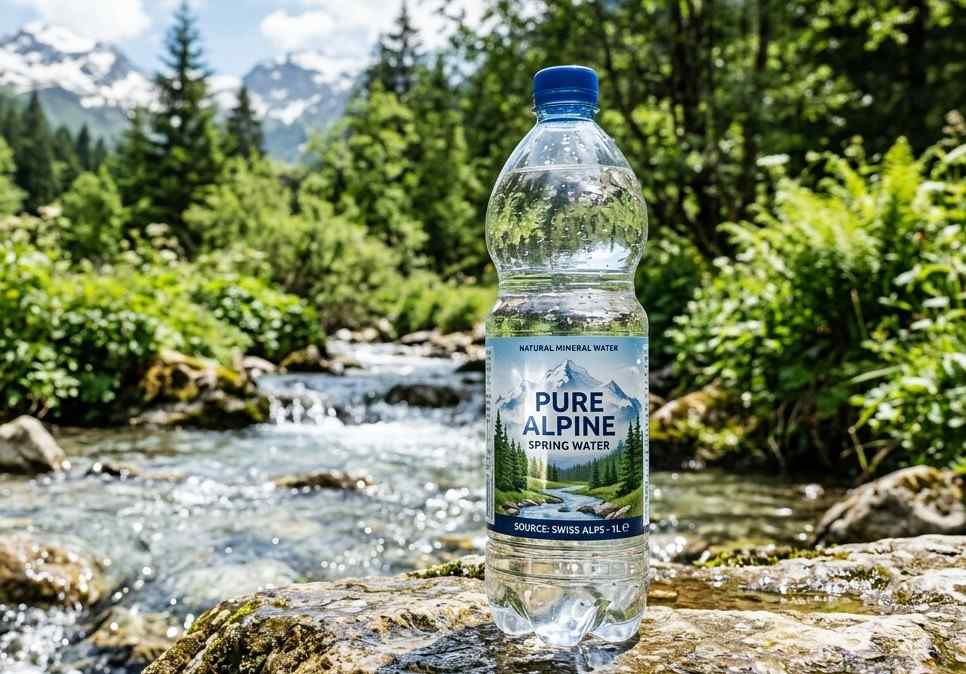
Spring water is one of the most popular natural drinking waters in the world. It originates from underground sources where water naturally flows to the Earth’s surface through springs. As rainwater and melted snow pass through layers of rock, sand, and soil, they undergo a natural filtration process that may enrich the water with minerals such as calcium, magnesium, potassium, and bicarbonates.
Many people choose spring water because of its clean taste, natural origin, and mineral content. While it is often considered a healthy hydration option, understanding its science-backed benefits, potential risks, storage methods, and proper consumption can help you make informed decisions about including spring water (also known as Groundwater, Natural Source Water or Natural Mineral Water) in your daily routine.
What is Spring Water?
Spring water is natural water that comes from an underground aquifer and flows naturally to the Earth’s surface through a spring. It may also be collected directly from the underground source through a borehole while maintaining the same natural composition.
Unlike distilled water, which removes nearly all minerals, spring water naturally contains varying amounts of beneficial minerals depending on the geological conditions of its source. The mineral profile can differ significantly from one spring to another.
Spring water is commonly consumed as bottled water and is valued for its refreshing taste, natural filtration, and mineral content.
Components of Spring Water
The nutritional content of spring water varies depending on the source. The following table represents average values found in many natural spring waters.
| Nutrient | Amount per Liter |
|---|---|
| Calories | 0 |
| Protein | 0 g |
| Fat | 0 g |
| Carbohydrates | 0 g |
| Sugar | 0 g |
| Calcium | 20–100 mg |
| Magnesium | 5–50 mg |
| Potassium | 1–10 mg |
| Sodium | 1–50 mg |
| Bicarbonates | 50–300 mg |
| Chloride | 1–50 mg |
| Sulfates | 1–50 mg |
| pH Level | 6.5–8.5 |
| Total Dissolved Solids (TDS) | 50–500 mg |
20 Proven Health Benefits of Spring Water
- Supports Hydration: Groundwater helps maintain optimal hydration levels necessary for every bodily function.
- Provides Natural Minerals: Spring water naturally contains minerals that contribute to overall health and wellness.
- Supports Bone Health: The calcium found in some spring waters may help support strong bones and teeth.
- Promotes Muscle Function: Magnesium and potassium present in Groundwater assist proper muscle contraction and relaxation.
- Supports Heart Health: Adequate hydration and mineral intake contribute to healthy cardiovascular function.
- Enhances Physical Performance: Drinking spring water before and during exercise helps maintain endurance and reduce dehydration.
- Improves Digestion: Proper hydration supports digestive processes and helps food move efficiently through the digestive tract.
- Supports Kidney Function: Adequate water intake helps the kidneys filter waste products from the bloodstream.
- May Help Prevent Kidney Stones: Sufficient hydration can reduce the risk of certain types of kidney stones.
- Supports Healthy Skin: Good hydration may improve skin moisture and overall appearance.
- Aids Temperature Regulation: Spring water helps the body maintain a stable internal temperature.
- Supports Brain Function: Proper hydration is associated with improved concentration, memory, and mental performance.
- Helps Reduce Fatigue: Drinking enough water can help combat tiredness caused by dehydration.
- Supports Joint Lubrication: Water helps maintain lubrication in joints and connective tissues.
- Promotes Nutrient Transport: Groundwater assists in transporting nutrients and oxygen throughout the body.
- Supports Detoxification Processes: Water helps remove metabolic waste through urine and sweat.
- May Improve Mood: Proper hydration has been linked to better emotional well-being and reduced irritability.
- Supports Metabolism: Water plays a critical role in metabolic reactions occurring throughout the body.
- Helps Maintain Electrolyte Balance: Naturally occurring minerals contribute to healthy fluid and electrolyte balance.
- Supports Overall Wellness: Regular consumption of clean spring water promotes general health and bodily function.
10 Side Effects of Spring Water
Although Groundwater is generally safe, certain risks may occur depending on the source and consumption habits.
- Potential Contamination Risk: Untreated spring water may contain bacteria, parasites, or harmful microorganisms.
- Excess Mineral Intake: Some Groundwaters contain high mineral levels that may not be suitable for everyone.
- Digestive Discomfort: Certain minerals can occasionally cause stomach upset in sensitive individuals.
- High Sodium Content: Some sources contain elevated sodium levels that may not be ideal for people on low-sodium diets.
- Possible Heavy Metal Exposure: Poorly monitored springs may contain trace amounts of heavy metals.
- Risk of Waterborne Illness: Drinking untreated spring water can increase the risk of infection.
- Electrolyte Imbalance: Excessive water intake may dilute electrolyte concentrations in the body.
- Tooth Enamel Concerns: Highly acidic spring water may contribute to enamel erosion over time.
- Allergic Reactions to Contaminants: Rare contaminants present in natural water sources may trigger reactions in sensitive individuals.
- Overhydration Risk: Drinking excessive amounts of any water can lead to water intoxication or hyponatremia.
How to Make Spring Water?
True spring water cannot be artificially created because it comes from natural underground springs. However, you can safely collect Groundwater from a verified source.
Method:
- Locate a certified and tested natural spring.
- Use clean, food-grade containers.
- Collect water directly from the spring outlet.
- Filter the water if recommended.
- Boil or disinfect untreated water when safety is uncertain.
- Store in clean, sealed containers.
- Refrigerate after collection if not consumed immediately.
Tips for Consuming Spring Water
- Choose spring water from reputable and tested sources.
- Check mineral content if you have dietary restrictions.
- Drink regularly throughout the day rather than consuming large amounts at once.
- Use clean containers when transporting water.
- Refrigerate opened bottled Groundwater.
- Consume collected Groundwater within a reasonable period.
- Monitor hydration needs based on climate and activity level.
- Replace sugary beverages with Groundwater when possible.
- Read labels to understand mineral composition.
- Consult a healthcare professional if you have kidney or heart conditions.
Other Uses of Spring Water
Beyond drinking, spring water has numerous practical uses:
- Cooking food and beverages.
- Brewing tea and coffee.
- Preparing infant formula when approved by healthcare providers.
- Washing fruits and vegetables.
- Household cleaning.
- Gardening and plant care.
- Aquariums and fish tanks after proper testing.
- Cosmetic and skincare applications.
- Food processing.
- Outdoor recreation and camping.
How Much Spring Water Can You Drink in a Day?
Daily water needs vary depending on age, body weight, climate, and activity level.
General recommendations include:
| Group | Approximate Daily Intake |
|---|---|
| Adult Men | 3.0–3.7 liters |
| Adult Women | 2.2–2.7 liters |
| Pregnant Women | 2.3–3.0 liters |
| Breastfeeding Women | 3.0–3.8 liters |
| Active Individuals | Additional intake based on sweat loss |
Groundwater can contribute to your total daily fluid intake. Most healthy adults can safely consume it throughout the day as part of their hydration routine.
Best Time to Drink Spring Water
Morning
Drinking Groundwater after waking helps replenish fluids lost during sleep.
Before Meals
May help support hydration and digestion before eating.
During Exercise
Helps replace fluids lost through sweating.
After Exercise
Assists recovery and rehydration.
Midday
Maintains hydration and supports energy levels.
During Hot Weather
Prevents dehydration caused by heat exposure.
Before Bed
A small amount may help maintain hydration overnight without causing excessive nighttime bathroom visits.
Who Should Drink Spring Water?
- Healthy Adults: Groundwater can help meet daily hydration needs and support overall wellness.
- Athletes: Natural hydration and minerals may assist active individuals during physical activity.
- Older Adults: Groundwater can help reduce dehydration risk commonly seen with aging.
- Children: Safe, tested Groundwater supports healthy hydration in growing children.
- Pregnant Women: Proper hydration supports maternal and fetal health when water quality is verified.
- Breastfeeding Mothers: Increased fluid intake can help meet higher hydration requirements.
- Outdoor Workers: Individuals exposed to heat may benefit from regular hydration with Groundwater.
- Students: Adequate hydration may support concentration and cognitive performance.
- Travelers: Bottled spring water may provide a convenient hydration option while traveling.
- People Seeking Natural Mineral Intake: Groundwater can provide trace minerals as part of a balanced diet.
Who Should Avoid Spring Water?
- People Using Untested Sources: Untreated Groundwater may carry contamination risks.
- Individuals With Severe Kidney Disease: Certain mineral levels may require medical supervision.
- People on Restricted Sodium Diets: Some Groundwaters contain elevated sodium concentrations.
- Immunocompromised Individuals: Untreated Groundwater may increase infection risks.
- Infants Without Medical Guidance: Water quality should be carefully evaluated before use.
- People Sensitive to Specific Minerals: Certain mineral compositions may not be suitable for everyone.
- Individuals With Certain Digestive Conditions: High mineral content may occasionally worsen symptoms.
- People Following Specialized Medical Diets: Mineral intake should be discussed with healthcare providers.
How to Store Spring Water?
- Use Food-Grade Containers: Store water only in clean, approved containers.
- Keep Containers Sealed: Tight lids help prevent contamination.
- Store in a Cool Place: Cooler temperatures help preserve freshness.
- Avoid Direct Sunlight: Sunlight may encourage microbial growth and degrade containers.
- Refrigerate After Opening: Opened bottled water should be refrigerated when possible.
- Maintain Clean Handling Practices: Avoid touching bottle openings or container interiors.
- Replace Damaged Containers: Cracked or damaged containers can introduce contaminants.
- Label Collection Dates: Mark containers with collection dates for proper rotation.
- Avoid Chemical Exposure: Keep water away from fuels, cleaners, and strong odors.
- Inspect Before Use: Discard water with unusual odor, color, or appearance.
Precautions and Interactions
Although spring water is generally considered safe, several precautions should be observed:
- Always verify the safety and testing status of natural springs.
- Avoid drinking untreated water from unknown sources.
- Individuals with kidney disease should monitor mineral intake.
- Those with heart conditions should check sodium levels.
- Follow local health advisories regarding natural water sources.
- Boil or disinfect collected water if contamination is suspected.
- Store water properly to prevent bacterial growth.
- Avoid excessive water consumption that could lead to hyponatremia.
- Monitor infants and vulnerable individuals carefully when using water.
- Consult a healthcare professional if you have medical conditions affecting fluid or mineral balance.
Conclusion
Spring water is a naturally sourced form of water that undergoes natural filtration through underground geological formations. It provides hydration along with varying amounts of beneficial minerals such as calcium, magnesium, and potassium. Regular consumption can support hydration, digestion, kidney function, cardiovascular health, and overall wellness.
However, not all water sources are equal. Ensuring proper testing, safe collection, and appropriate storage is essential for avoiding contamination risks. When consumed responsibly as part of a balanced lifestyle, Groundwater can be a refreshing and healthy addition to daily hydration habits.
FAQ’s
What is Spring Water good for?
Water helps with hydration and provides natural minerals that support overall health.
What is the difference between Spring Water and normal water?
Water comes from natural underground sources, while normal water usually refers to treated tap water.
Is Spring Water healthier than RO water?
Water contains natural minerals, while RO water is more purified. Both can be healthy when safe to drink.
Is Spring Water safe to drink?
Yes, water is generally safe to drink when it comes from a tested and regulated source. Untreated Groundwater from unknown locations may contain contaminants.
What is the difference between Spring Water and purified water?
Water comes from natural underground sources and retains naturally occurring minerals, while purified water undergoes treatment processes that remove most impurities and minerals.
Does Spring Water contain minerals?
Yes, water naturally contains minerals such as calcium, magnesium, potassium, bicarbonates, and trace elements, depending on the source.
What does Spring Water taste like?
Water usually has a fresh, clean, and slightly mineral-rich taste. The flavor varies based on the minerals present in the water.
What does Spring Water smell like?
Pure water typically has little to no odor. Any unusual smell may indicate contamination or the presence of certain minerals.
Is Spring Water healthier than tap water?
Water can provide natural minerals, but whether it is healthier depends on the quality of both the Groundwater and local tap water.
Can Spring Water help with hydration?
Yes, water is an excellent source of hydration and helps maintain normal bodily functions.
Can I drink Spring Water every day?
Yes, healthy individuals can safely drink quality-tested Groundwater daily as part of their regular hydration routine.
Is Spring Water good for the kidneys?
Adequate hydration from Groundwater can support kidney function, though individuals with kidney disease should consult a healthcare professional regarding mineral intake.
Does Spring Water contain calories?
No, plain water contains zero calories, fat, protein, and carbohydrates.
Can Spring Water help with digestion?
Proper hydration from water may support healthy digestion and normal bowel movements.
Is Spring Water safe for pregnant women?
Yes, tested and properly sourced water is generally safe for pregnant women and can help meet increased hydration needs.
Is Spring Water safe for children?
Yes, clean and regulated water is generally safe for children, though parents should ensure the water source meets safety standards.
Can Spring Water expire?
Water itself does not expire, but bottled water may have a best-by date due to packaging quality and storage considerations.
Can I collect Spring Water directly from a natural spring?
Yes, but only from verified and tested springs. Untested natural sources may contain harmful microorganisms or contaminants.
Does Spring Water need to be refrigerated?
Unopened bottles do not require refrigeration, but opened Groundwater should be refrigerated and consumed within a reasonable time.
Can Spring Water be used for cooking?
Yes, water can be used for cooking, making tea, coffee, soups, and other beverages.
How long does it take for Spring Water to work?
Water begins hydrating the body shortly after consumption, with fluid absorption starting within minutes and hydration benefits continuing throughout the day.
Is Spring Water alkaline?
Some Groundwaters are naturally alkaline due to their mineral content, while others may have a neutral pH.
Can Spring Water help with weight management?
Water can support weight-management efforts when used as a replacement for high-calorie sugary drinks.
Can Spring Water contain bacteria?
Untreated water may contain bacteria or parasites, which is why testing and proper treatment are important.
Also Read: