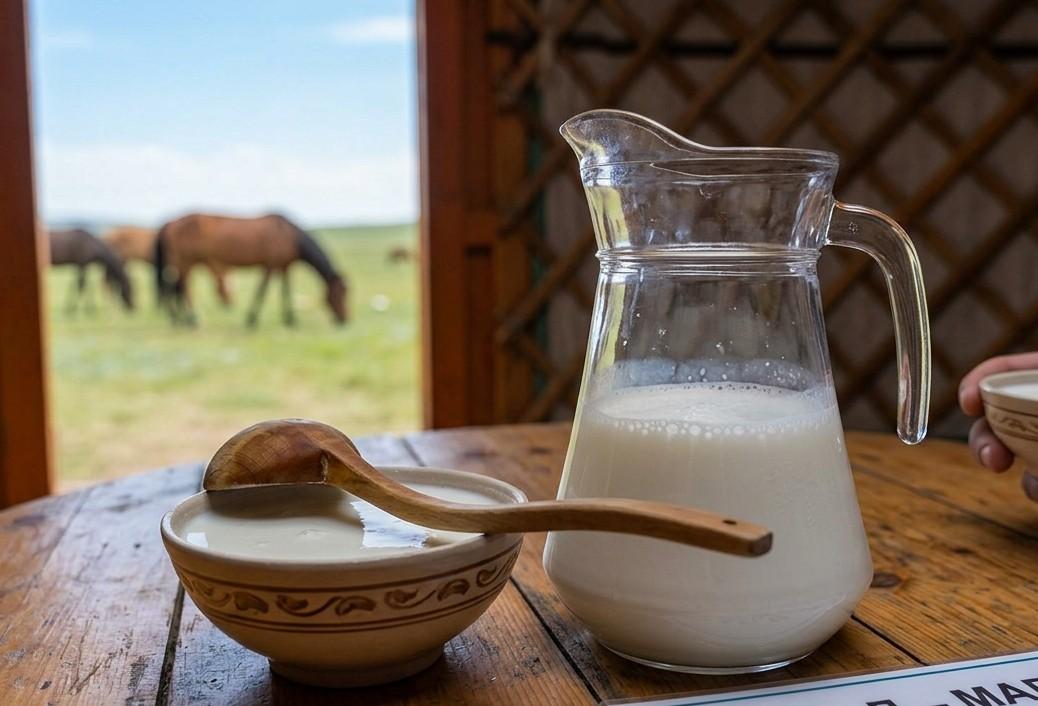
Mare milk is one of the oldest natural dairy beverages consumed by humans. For centuries, it has been traditionally used in Central Asia, Mongolia, Kazakhstan, and parts of Eastern Europe, where it is valued for its unique nutritional profile and potential health benefits. Unlike cow’s milk, mare milk contains more lactose, less fat, and a protein composition that is closer to human breast milk. It is also rich in vitamins, minerals, and bioactive compounds that may support digestion, immunity, and overall well-being.
Today, mare milk is gaining attention worldwide as people search for alternative dairy options with potential functional health benefits. While research is still evolving, several studies suggest that mare milk may contribute to gut health, skin health, and immune function when consumed as part of a balanced diet.
This guide explores the nutrition, science-backed benefits, possible side effects, recommended intake, and practical ways to use mare milk.
What is Mare Milk?
Mare milk is the milk produced by female horses (mares). It has a thin consistency, a naturally sweet taste due to its higher lactose content, and a lower fat content compared to cow’s milk.
In many cultures, fresh mare milk is also fermented into a traditional beverage known as kumis (koumiss), which contains beneficial bacteria, yeast, and small amounts of alcohol produced during fermentation.
One of the reasons mare milk attracts scientific interest is that its whey-to-casein protein ratio resembles human breast milk more closely than cow’s milk, making it easier for some individuals to digest.
Nutrition Facts of Mare Milk (Per 100 ml)
| Nutrient | Amount |
|---|---|
| Calories | 44 kcal |
| Protein | 2.1 g |
| Fat | 1.3 g |
| Carbohydrates | 6.2 g |
| Lactose | 6.0–6.7 g |
| Calcium | 90 mg |
| Phosphorus | 50 mg |
| Potassium | 70 mg |
| Magnesium | 8 mg |
| Vitamin C | 5–10 mg |
| Vitamin A | Small amount |
| Vitamin D | Trace amount |
| Vitamin B1 | Small amount |
| Vitamin B2 | Moderate amount |
| Vitamin B12 | Small amount |
Values are approximate and may vary depending on breed, diet, season, and processing.
20 Proven Health Benefits of Mare Milk
- Supports Digestive Health: Mare milk contains easily digestible proteins and beneficial bioactive compounds that may promote healthy digestion.
- Rich in High-Quality Protein: It provides essential amino acids required for tissue repair and muscle maintenance.
- May Improve Gut Microbiome: Fermented mare milk (kumis) contains probiotics that may support beneficial intestinal bacteria.
- Supports Immune Function: Vitamins, immunoglobulins, and bioactive proteins may help strengthen natural immune defenses.
- Good Source of Vitamin C: Mare milk naturally contains more vitamin C than cow’s milk, supporting antioxidant protection.
- May Reduce Inflammation: Certain milk proteins and antioxidants may help lower inflammatory activity.
- Supports Healthy Skin: Vitamins and essential fatty acids may contribute to healthier skin and improved skin hydration.
- May Promote Wound Healing: Nutrients involved in collagen production may support normal tissue repair.
- Supports Bone Health: Calcium and phosphorus work together to maintain strong bones and teeth.
- May Be Easier to Digest Than Cow Milk: Its protein structure resembles human milk, making digestion easier for some people.
- Supports Healthy Metabolism: B vitamins help convert food into usable energy.
- May Improve Nutrient Absorption: A healthy gut environment may enhance nutrient uptake.
- Provides Natural Hydration: Its high water content contributes to daily fluid intake.
- May Support Heart Health: Lower saturated fat compared to many dairy products may benefit cardiovascular health.
- May Benefit People with Certain Skin Conditions: Some small studies suggest improvements in eczema symptoms, though more research is needed.
- Supports Healthy Muscle Recovery: Protein and minerals help repair muscles after physical activity.
- Contains Natural Antioxidants: Bioactive compounds help protect cells from oxidative stress.
- May Promote Healthy Aging: Antioxidant nutrients may contribute to healthy cellular function over time.
- Supports Overall Nutritional Balance: It supplies a variety of vitamins and minerals in one food source.
- May Enhance General Well-Being: Traditional use and emerging research suggest mare milk may support overall health when consumed as part of a balanced diet.
10 Side Effects of Mare Milk
- Lactose Intolerance: The high lactose content may cause bloating, gas, and diarrhea in lactose-intolerant individuals.
- Milk Allergy: People allergic to milk proteins may experience allergic reactions.
- Digestive Discomfort: Drinking excessive amounts may lead to stomach upset.
- Risk from Raw Milk: Unpasteurized mare milk may contain harmful bacteria.
- Possible Cross-Reactivity: Individuals with cow milk allergy should consult a healthcare professional before trying mares milk.
- High Natural Sugar: Its naturally higher lactose content may require portion control for people monitoring carbohydrate intake.
- Not Suitable for Certain Medical Conditions: Individuals with specific digestive disorders should seek medical advice first.
- Potential Fermentation Effects: Fermented mare milk contains small amounts of alcohol and may not be appropriate for everyone.
- May Cause Temporary Loose Stools: First-time consumers may experience mild digestive adjustment.
- Limited Availability: Poor storage or transportation may increase the risk of spoilage if not handled properly.
How to Drink Mare Milk?
Fresh, pasteurized mare milk is the safest option for most people. It can be enjoyed chilled, similar to regular milk. Beginners should start with a small serving of about 100–150 ml to observe tolerance before increasing intake.
Fermented mares milk (kumis) can also be consumed in moderation, following the serving recommendations provided by the manufacturer.
Tips for Consuming Mare Milk
- Choose pasteurized products whenever possible.
- Start with small servings.
- Drink it chilled for the best flavor.
- Pair it with a balanced breakfast.
- Check the expiration date before consuming.
- Store it properly after opening.
- Shake well before use if separation occurs naturally.
- Avoid drinking spoiled or sour-smelling milk.
- Purchase from reputable producers.
- Consume as part of a varied and balanced diet.
How to Use Mare Milk?
Mare milk can be incorporated into everyday meals in several ways:
- Drink it plain.
- Blend it into smoothies.
- Add it to breakfast cereals.
- Mix it with oats.
- Prepare milk-based beverages.
- Use in homemade yogurt where suitable.
- Add to protein shakes.
- Include in nutritious breakfast recipes.
- Use in fermented dairy preparations.
- Incorporate into certain baked goods.
Other Uses of Mare Milk
Beyond drinking, mare milk has traditionally been used in various applications:
- Cosmetic skincare products.
- Moisturizing soaps.
- Facial creams.
- Body lotions.
- Traditional fermented beverages.
- Nutritional supplements.
- Functional food products.
- Traditional wellness practices in Central Asia.
How Much Mare Milk Can You Drink in a Day?
There is no universally established daily recommendation for mares milk.
For healthy adults, approximately 200–500 ml per day is generally considered a moderate amount when it fits within overall dietary needs. Individuals who are new to mare milk should begin with smaller portions to assess digestive tolerance.
People with lactose intolerance, milk allergies, or medical conditions should consult a qualified healthcare professional before regular consumption.
Best Time to Drink Mare Milk
Many people enjoy milk:
- In the morning with breakfast.
- Between meals as a nutritious beverage.
- After exercise for protein intake.
- During the afternoon as a light snack.
- Before bedtime if well tolerated.
The best time ultimately depends on personal preference and digestive comfort.
Who Should Drink Mare Milk?
- Adults Seeking Alternative Dairy: It offers a unique nutritional profile compared with traditional dairy.
- Athletes: Protein and minerals may support muscle recovery.
- Older Adults: Calcium and protein help support healthy aging.
- People Seeking Digestive-Friendly Dairy: Some individuals find it easier to digest than cow milk.
- Individuals Looking for Lower-Fat Milk: Mares milk naturally contains less fat than many dairy options.
- People Interested in Functional Foods: Its bioactive compounds may offer additional health benefits.
- Individuals Needing Additional Protein: It contributes to daily protein intake.
- People Wanting Nutrient-Dense Foods: It provides vitamins and minerals in relatively few calories.
Who Should Avoid Mare Milk?
- People with Milk Allergy: They should avoid milk unless advised otherwise by an allergist.
- Individuals with Severe Lactose Intolerance: Its high lactose content may worsen symptoms.
- Infants: Mares milk should not replace infant formula or breast milk.
- People with Certain Medical Conditions: Consult a healthcare provider before regular use.
- Individuals Avoiding Alcohol: Fermented mare milk contains small amounts of alcohol.
- Pregnant Women Using Raw Milk: Raw dairy products should be avoided due to food safety risks.
- People with Compromised Immunity: Only pasteurized products are recommended.
- Individuals Sensitive to Dairy: Introduce cautiously under medical guidance.
How to Store Mare Milk?
- Refrigerate Immediately: Keep it below 40°F (4°C).
- Use Clean Containers: Prevent contamination during storage.
- Keep It Sealed: Store in an airtight container.
- Avoid Temperature Changes: Maintain consistent refrigeration.
- Consume Quickly After Opening: Finish within the recommended storage period.
- Do Not Leave at Room Temperature: Return to the refrigerator promptly.
- Freeze if Necessary: Freeze only if recommended by the manufacturer.
- Discard Spoiled Milk: Do not consume milk with an unpleasant odor, unusual texture, or signs of spoilage.
Precautions and Interactions
Although milk is generally safe for healthy individuals, several precautions should be considered:
- Choose pasteurized products to reduce the risk of foodborne illness.
- Introduce gradually if you have never consumed it before.
- Individuals with dairy allergies should seek medical advice before trying milk.
- People with lactose intolerance should monitor symptoms carefully.
- There are currently no well-documented medication interactions with milk, but individuals taking medications for digestive disorders or chronic diseases should consult their healthcare provider.
- Fermented mares milk contains naturally occurring alcohol and should be consumed appropriately.
- Milk should complement, not replace, a balanced diet.
FAQ’s
What does mares milk taste like?
Milk has a light, slightly sweet, and mild flavor with a thin, watery texture due to its lower fat content.
Is mare milk healthier than cow’s milk?
Mares milk and cow’s milk have different nutritional profiles. Mare milk contains less fat and more lactose, while cow’s milk generally provides more protein and calcium.
Can you drink mare milk every day?
Yes, healthy adults can drink milk daily in moderation as part of a balanced diet, provided they are not allergic to milk proteins or lactose intolerant.
Is mare milk good for digestion?
Some research suggests that milk may be easier to digest than cow’s milk, and fermented milk may help support a healthy gut microbiome.
Does mare milk contain lactose?
Yes. Mares milk naturally contains more lactose than cow’s milk, making it unsuitable for people with severe lactose intolerance.
Is mare milk safe for children?
Pasteurized mares milk may be suitable for older children as part of a balanced diet, but it should not replace breast milk or infant formula for babies.
Can people with cow’s milk allergy drink mare milk?
Not necessarily. Some people with cow’s milk allergy may also react to milk proteins. Consult an allergist before trying it.
Is mare milk good for the immune system?
Mares milk contains vitamins, proteins, and bioactive compounds that may help support normal immune function when included in a healthy diet.
Can mare milk help improve skin health?
Its vitamins, essential fatty acids, and antioxidants may support healthy skin, although more human research is needed.
What is fermented mare milk?
Fermented mares milk, known as kumis (koumiss), is a traditional beverage made by fermenting milk with beneficial bacteria and yeast.
Does fermented mare milk contain alcohol?
Yes. Fermented milk naturally contains a small amount of alcohol produced during fermentation.
Can lactose-intolerant people drink mare milk?
People with lactose intolerance should be cautious because mares milk contains relatively high levels of lactose and may trigger digestive symptoms.
Is raw mare milk safe to drink?
Raw mares milk is not recommended because it may contain harmful bacteria. Pasteurized milk is the safer choice.
Can mare milk be frozen?
Yes, pasteurized milk can usually be frozen for longer storage, although freezing may slightly affect its texture after thawing.
Is mare milk suitable for weight management?
Mares milk is relatively low in fat and calories compared to many dairy products, making it a suitable option within a calorie-controlled diet.
Where is mare milk commonly consumed?
Mare milk is traditionally consumed in Mongolia, Kazakhstan, Kyrgyzstan, and other Central Asian countries, where it has been part of the local diet for centuries.
Is mare milk scientifically proven to cure diseases?
No. While studies suggest potential health benefits, there is no scientific evidence that mares milk can cure or prevent diseases. It should be consumed as part of a balanced diet rather than used as a medical treatment.
How long does it take for mare milk to work?
Benefits vary, but some people may notice digestive improvements within a few days, while other effects may take several weeks.
What does mare milk smell like?
Fresh milk has a mild, slightly sweet aroma, while fermented milk has a tangy smell.
Is mare milk safe for pregnant women?
Yes, pasteurized milk may be safe in moderation, but avoid raw milk and consult your healthcare provider.
What is mare milk good for?
Mares milk may support digestion, immunity, bone health, skin health, and overall nutrition.
Is mare milk good for babies?
No. Mares milk should not replace breast milk or infant formula for babies.
Sources / References:
- World Health Organization (WHO)
- Food and Agriculture Organization (FAO)
- National Institutes of Health (NIH)
- National Center for Biotechnology Information (NCBI)
- U.S. Department of Agriculture (USDA FoodData Central)
- Journal of Dairy Science
About the Author:
Written by: Kirti Solanki (Health Content Researcher)
Kirti Solanki is a health content researcher who specializes in creating evidence-based, reader-friendly articles on nutrition, healthy foods, natural remedies, and wellness. Her work focuses on translating scientific research into practical health information while emphasizing accuracy, credibility, and responsible health communication.
Disclaimer:
This guide is intended for educational and informational purposes only and should not be considered medical advice. Mare milk is not intended to diagnose, treat, cure, or prevent any disease. Always consult a qualified healthcare professional before making significant dietary changes.
Also Read: