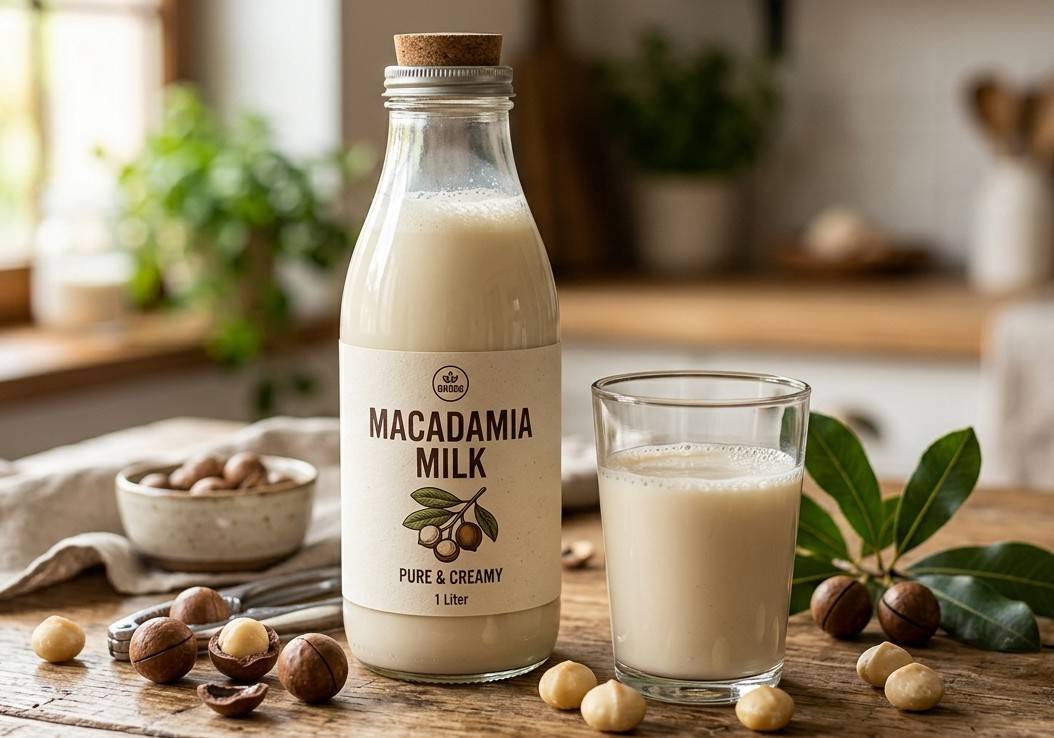
Macadamia milk is a creamy, plant-based milk alternative made from macadamia nuts and water. It has gained popularity among people looking for dairy-free, lactose-free, and vegan-friendly beverages. Compared to many other plant-based milks, macadamia milk has a naturally rich texture, mild buttery flavor, and relatively low carbohydrate content when unsweetened.
Although macadamia milk is not as protein-rich as dairy milk or soy milk, it provides healthy monounsaturated fats, vitamin E, and beneficial plant compounds. Many commercial brands are also fortified with calcium, vitamin D, and vitamin B12, making them suitable substitutes for cow’s milk in many diets.
What is Macadamia Milk?
Macadamia milk is a non-dairy beverage prepared by blending macadamia nuts with water and then straining the mixture to produce a smooth, creamy liquid. Some commercial products are enriched with vitamins and minerals to improve their nutritional value.
Its naturally buttery taste makes it an excellent option for drinking, cooking, baking, smoothies, cereals, coffee, and desserts.
Nutrition Facts of Macadamia Milk
Approximate nutrition per 1 cup (240 ml) of unsweetened fortified macadamia milk. Values vary by brand.
| Nutrient | Amount |
|---|---|
| Calories | 45–70 kcal |
| Protein | 1 g |
| Total Fat | 4.5–5.5 g |
| Saturated Fat | 0.5 g |
| Monounsaturated Fat | 3.5–4 g |
| Carbohydrates | 1–2 g |
| Sugars | 0–1 g |
| Fiber | 0–1 g |
| Calcium | 300–450 mg* |
| Vitamin D | 2–3 mcg* |
| Vitamin B12 | 1–2 mcg* |
| Vitamin E | 2–4 mg |
| Sodium | 90–170 mg |
*Fortified varieties only.
20 Proven Health Benefits of Macadamia Milk
- Supports Heart Health: The monounsaturated fats in macadamia milk may help improve cholesterol levels and support cardiovascular health when consumed as part of a balanced diet.
- Low in Saturated Fat: Compared with whole dairy milk, unsweetened macadamia milk contains less saturated fat, making it a heart-friendly option.
- Naturally Lactose-Free: Macadamia milk is suitable for people with lactose intolerance because it contains no lactose.
- Good Dairy Alternative: It provides a creamy substitute for individuals following vegan or dairy-free eating patterns.
- May Help Manage Weight: Unsweetened macadamia milk is relatively low in calories, making it a suitable beverage for calorie-conscious diets.
- Contains Healthy Fats: Macadamia nuts are naturally rich in monounsaturated fats that support overall metabolic health.
- Provides Antioxidants: Vitamin E and natural plant compounds help protect cells from oxidative stress.
- Supports Bone Health: Fortified varieties provide calcium and vitamin D, both important for maintaining strong bones.
- May Support Brain Function: Healthy fats contribute to normal brain structure and function.
- Suitable for Low-Carb Diets: Unsweetened macadamia milk contains very few carbohydrates, making it compatible with many low-carb meal plans.
- Helps Maintain Healthy Cholesterol: Replacing foods high in saturated fat with unsaturated fats may contribute to healthier cholesterol levels.
- Supports Healthy Skin: Vitamin E acts as an antioxidant that helps protect skin cells.
- May Reduce Inflammation: Monounsaturated fats have been associated with lower markers of inflammation when replacing less healthy fats.
- Hydrating Beverage: Since it is mostly water, macadamia milk contributes to daily fluid intake.
- Suitable for Vegans: Fortified products can help provide nutrients such as Vitamin B12 and vitamin D that are sometimes lacking in vegan diets.
- Easy to Digest for Many People: Many individuals who cannot tolerate dairy find plant-based milk easier to digest.
- Versatile in Cooking: It can replace dairy milk in numerous recipes without significantly altering texture.
- May Support Blood Sugar Management: Unsweetened varieties contain very little sugar and carbohydrate, helping reduce post-meal glucose spikes compared with sweetened beverages.
- Contains Beneficial Plant Compounds: Macadamia nuts naturally contain phytochemicals that contribute to overall health.
- Fits Multiple Dietary Patterns: Macadamia milk is compatible with vegan, vegetarian, lactose-free, and many paleo-inspired dietary approaches.
10 Side Effects of Macadamia Milk
- Nut Allergy Risk: Individuals allergic to tree nuts should avoid macadamia milk because it may trigger serious allergic reactions.
- Low Protein Content: Macadamia milk provides much less protein than dairy or soy milk.
- Added Sugar: Sweetened varieties may contain significant amounts of added sugars.
- May Contain Additives: Commercial products often include gums, stabilizers, or emulsifiers that some individuals prefer to limit.
- Possible Digestive Discomfort: Certain thickening agents may cause bloating or digestive upset in sensitive people.
- Lower Natural Nutrient Density: Homemade macadamia milk without fortification contains fewer vitamins and minerals than fortified products.
- Cross-Contamination Risk: People with severe allergies should check labels for manufacturing practices.
- May Be Expensive: Macadamia milk generally costs more than many other plant-based milks.
- Calcium Depends on Fortification: Homemade versions usually contain much less calcium than fortified commercial products.
- Not Suitable for Infants: Plant-based milk should not replace breast milk or infant formula during infancy unless medically advised.
How to Make Macadamia Milk?
Ingredients:
- 1 cup raw macadamia nuts
- 4 cups filtered water
- 1 teaspoon vanilla extract (optional)
- 1–2 pitted dates (optional)
- Pinch of sea salt (optional)
Instructions:
- Soak macadamia nuts for 2–4 hours (optional but improves texture).
- Drain and rinse the nuts.
- Blend with filtered water for 1–2 minutes.
- Strain through a nut milk bag or fine cheesecloth if desired.
- Add vanilla, dates, or salt for flavor.
- Refrigerate immediately and shake before each use.
Homemade macadamia milk typically stays fresh for 3–5 days.
Tips for Consuming Macadamia Milk
- Choose unsweetened varieties whenever possible.
- Read labels for added sugars and sodium.
- Select fortified products for extra calcium and vitamin D.
- Shake well before serving.
- Pair with protein-rich foods for balanced nutrition.
- Store refrigerated after opening.
- Consume before the expiration date.
How to Use Macadamia Milk?
Macadamia milk can be used in many everyday recipes, including:
- Coffee and tea
- Smoothies
- Overnight oats
- Breakfast cereals
- Pancakes
- Muffins
- Cakes
- Creamy soups
- Mashed potatoes
- Pasta sauces
- Chia pudding
- Homemade ice cream
Other Uses of Macadamia Milk
Besides drinking it, macadamia milk can also be used for:
- Dairy-free baking
- Vegan desserts
- Homemade sauces
- Salad dressings
- Hot chocolate
- Protein shakes
- Oatmeal preparation
- Creamy curry recipes
- Rice pudding
- Homemade yogurt (using suitable starter cultures)
How to Drink Macadamia Milk?
You can enjoy macadamia milk in several ways:
- Drink it chilled.
- Warm it for coffee or tea.
- Blend it into smoothies.
- Add it to breakfast cereal.
- Mix with cocoa powder for dairy-free chocolate milk.
- Use it as a base for golden milk or matcha lattes.
How Much Macadamia Milk Can You Drink in a Day?
For most healthy adults, 1–2 cups (240–480 ml) per day can fit comfortably into a balanced diet.
The ideal amount depends on your overall calorie needs, dietary pattern, and whether the milk is fortified or sweetened. If using macadamia milk as your primary dairy substitute, choose fortified versions to help meet calcium and vitamin D needs.
Best Time to Drink Macadamia Milk
- Morning with breakfast
- Before or after workouts as part of a balanced snack
- In afternoon smoothies
- With evening oatmeal
- As a coffee creamer throughout the day
There is no single “best” time. The ideal time depends on your eating habits and nutritional goals.
Who Should Drink Macadamia Milk?
- People with Lactose Intolerance: Milk offers a lactose-free alternative to dairy milk.
- Vegans: It fits a completely plant-based lifestyle.
- Vegetarians: It provides a versatile dairy substitute for everyday meals.
- People Following Low-Carb Diets: Unsweetened varieties contain minimal carbohydrates.
- Individuals Reducing Saturated Fat Intake: Replacing high-saturated-fat dairy products with unsaturated-fat alternatives may benefit heart health.
- People Seeking Dairy Alternatives: It offers a creamy texture without dairy ingredients.
- Coffee Lovers: Its rich consistency makes it an excellent coffee creamer.
- People Looking for Lower-Calorie Milk: Unsweetened varieties are generally lower in calories than whole milk.
Who Should Avoid Macadamia Milk?
- People with Tree Nut Allergies: Macadamia milk can trigger allergic reactions.
- Infants Under 12 Months: It should not replace breast milk or infant formula.
- People Needing High Protein Intake: Athletes or individuals with increased protein needs may benefit more from higher-protein milk options.
- Those Sensitive to Food Additives: Some commercial brands contain stabilizers or gums.
- Individuals Avoiding Fortified Foods: Those preferring minimally processed products may choose homemade versions while ensuring nutritional adequacy from other foods.
How to Store Macadamia Milk?
- Refrigerate Immediately: Keep opened cartons refrigerated at all times.
- Keep the Lid Tightly Closed: This helps preserve freshness.
- Shake Before Use: Natural separation is common.
- Check Expiration Dates: Always consume before the stated date.
- Use Homemade Milk Quickly: Homemade milk is best consumed within 3–5 days.
- Discard if Spoiled: Do not consume milk with an unusual smell, sour taste, or curdled appearance.
Precautions and Interactions
- Always check ingredient labels if you have food allergies.
- Choose unsweetened varieties to reduce added sugar intake.
- Select fortified products if replacing dairy long-term.
- Individuals with kidney disease should consult a healthcare professional before making major dietary changes, particularly regarding potassium or phosphorus intake.
- Macadamia milk is generally not known to interact directly with medications, but people with medical conditions requiring specialized diets should seek personalized advice from a registered dietitian or healthcare provider.
- If preparing homemade milk, practice good food hygiene and refrigerate promptly.
FAQ’s
How long does it take for macadamia milk to work?
Milk does not produce immediate effects. When consumed regularly as part of a balanced diet, its nutritional benefits, such as supporting heart health and replacing dairy, may contribute to long-term wellness over weeks or months.
What does macadamia milk smell like?
Milk has a mild, slightly sweet, buttery, and nutty aroma. Unsweetened varieties have a subtle scent, while flavored versions like vanilla may smell sweeter.
Is macadamia milk safe for pregnant women?
Yes, unsweetened and pasteurized milk is generally safe during pregnancy. Choosing fortified varieties can help provide calcium and vitamin D, but it should not replace a balanced diet. Pregnant women with tree nut allergies should avoid it and consult their healthcare provider if unsure.
What is macadamia milk good for?
Milk is good for people seeking a dairy-free, lactose-free, and vegan milk alternative. It provides healthy monounsaturated fats, is low in carbohydrates when unsweetened, and can be a source of calcium and vitamin D if fortified.
Is macadamia milk similar to almond milk?
Yes. Both are plant-based, dairy-free milk alternatives, but milk is generally creamier and has a richer, buttery flavor. Almond milk is typically lighter in texture and slightly higher in vitamin E.
Is coconut milk or macadamia milk healthier?
It depends on your nutritional goals. Unsweetened milk is generally lower in saturated fat and calories than canned coconut milk, making it a better everyday beverage for many people. Coconut milk is richer and often preferred for cooking.
Is macadamia milk easy to digest?
Yes, many people find milk easy to digest because it is naturally lactose-free. However, individuals with tree nut allergies should avoid it, and some people may be sensitive to added gums or stabilizers in commercial products.
Which is healthier, oat or macadamia milk?
Neither is universally healthier. Milk is usually lower in calories and carbohydrates, while oat milk naturally contains more fiber and may provide slightly more protein. The healthier choice depends on your dietary needs and whether the product is fortified and unsweetened.
Can macadamia milk cause gas?
It is less likely to cause gas than dairy milk for people with lactose intolerance. However, some commercial brands contain thickeners or gums that may cause bloating or digestive discomfort in sensitive individuals.
Is macadamia milk good for IBS?
Unsweetened milk may be suitable for many people with IBS because it is naturally lactose-free. However, some products contain additives that may trigger symptoms in sensitive individuals. Choosing a simple, unsweetened variety and introducing it gradually may help improve tolerance. If you have IBS, consult your healthcare provider or a registered dietitian for personalized advice.
Is macadamia milk healthy?
Yes, unsweetened milk can be a healthy choice. It is low in calories and carbohydrates while providing heart-healthy monounsaturated fats. Fortified varieties also supply calcium, vitamin D, and vitamin B12.
What does macadamia milk taste like?
Milk has a smooth, creamy texture with a mild, buttery, and slightly nutty flavor. It is less overpowering than almond milk.
Is macadamia milk good for weight loss?
Unsweetened milk may support weight management because it is relatively low in calories and contains healthy fats that can help promote fullness as part of a balanced diet.
Does macadamia milk contain dairy?
No. milk is completely dairy-free and suitable for people with lactose intolerance or those following a vegan diet.
Is macadamia milk high in protein?
No. milk is naturally low in protein, typically providing about 1 gram per cup. If you need more protein, soy milk or dairy milk may be better options.
Can people with diabetes drink macadamia milk?
Yes, unsweetened milk is generally suitable for people with diabetes because it contains very little sugar and carbohydrates. Choose products with no added sugar.
Is macadamia milk keto-friendly?
Yes. Unsweetened milk is low in carbohydrates, making it a popular choice for many ketogenic and low-carb diets.
Can children drink macadamia milk?
Older children can enjoy fortified milk as part of a balanced diet. However, it should not replace breast milk or infant formula for babies under 12 months.
Can I drink macadamia milk every day?
Yes, most healthy adults can enjoy 1–2 cups of unsweetened milk daily as part of a balanced diet.
Is macadamia milk good for coffee?
Yes. Its naturally creamy texture and mild flavor make it an excellent dairy-free addition to coffee, lattes, and cappuccinos.
How long does homemade macadamia milk last?
Homemade milk typically stays fresh for 3–5 days when stored in a sealed container in the refrigerator.
Does macadamia milk need to be refrigerated?
Yes. Refrigerate homemade milk immediately. Shelf-stable cartons should also be refrigerated after opening.
Can I cook with macadamia milk?
Yes. milk works well in soups, sauces, smoothies, baking recipes, oatmeal, pancakes, and desserts.
Sources / References:
- U.S. Department of Agriculture (USDA) FoodData Central
- Harvard T.H. Chan School of Public Health
- American Heart Association
- Academy of Nutrition and Dietetics
- National Institutes of Health (NIH) Office of Dietary Supplements
About the Author:
Written by: Kirti Solanki (Health Content Researcher)
Kirti Solanki is a health content researcher who creates evidence-based, reader-friendly articles on nutrition, wellness, and healthy living. Her work focuses on translating scientific research into practical, easy-to-understand information while emphasizing accuracy, balanced nutrition, and credible sources.
Disclaimer:
This guide is intended for educational and informational purposes only and should not be considered medical advice. The nutritional information and health benefits discussed are based on current scientific evidence but may not apply to everyone. Always consult a qualified healthcare professional or registered dietitian before making significant dietary changes.
Also Read: