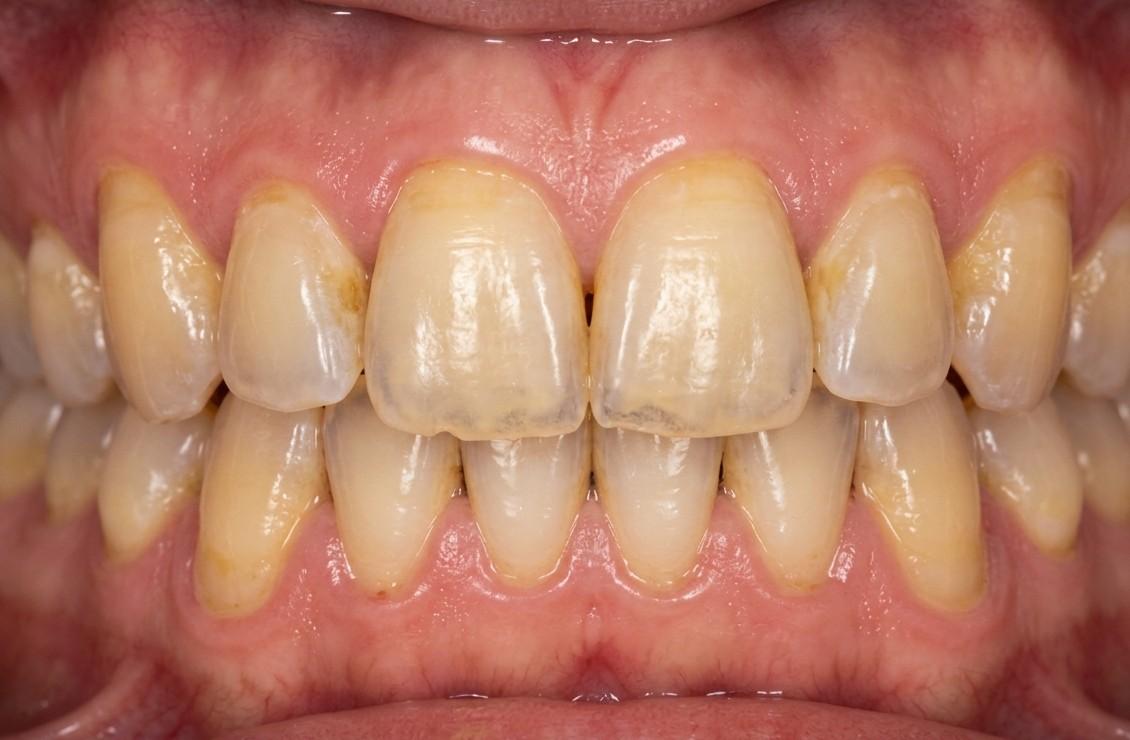
Tooth erosion is one of the most common yet overlooked dental problems affecting both children and adults. Unlike cavities caused by bacteria, tooth erosion occurs when acids gradually wear away the protective enamel covering your teeth. Once enamel is lost, it does not grow back naturally, making early prevention and treatment essential.
Modern diets rich in acidic beverages, citrus fruits, sports drinks, and carbonated soft drinks have significantly increased the risk of enamel erosion. Certain medical conditions such as acid reflux and eating disorders can also accelerate the damage.
This guide explains everything you need to know about tooth erosion (also known as enamel erosion, dental erosion, acid erosion, or erosive tooth wear), including its causes, symptoms, treatment options, prevention strategies, and frequently asked questions.
What Is Tooth Erosion?
Tooth erosion is the gradual loss of tooth enamel caused by repeated exposure to acids. Enamel is the hard outer layer that protects the inner parts of your teeth from damage.
Unlike tooth decay, erosion is not caused by bacteria. Instead, acids from foods, drinks, stomach acid, or certain medical conditions slowly dissolve the minerals in enamel. As enamel becomes thinner, teeth become more sensitive, discolored, and vulnerable to fractures. Since enamel cannot regenerate naturally, protecting the remaining tooth structure is the primary goal of treatment.
What Causes Tooth Erosion?
Several factors contribute to enamel erosion.
1. Acidic Foods
Frequent consumption of lemons, oranges, grapefruit, tomatoes, and vinegar-based foods exposes teeth to acid.
2. Soft Drinks
Carbonated beverages contain phosphoric and citric acids that gradually weaken enamel.
3. Sports and Energy Drinks
Many sports drinks are highly acidic despite being marketed as healthy hydration options.
4. Fruit Juices
Even 100% fruit juice contains natural acids capable of softening enamel.
5. Acid Reflux (GERD)
Stomach acid traveling into the mouth repeatedly can severely erode the back teeth.
6. Frequent Vomiting
Eating disorders, morning sickness during pregnancy, and chronic vomiting expose teeth to strong stomach acids.
7. Dry Mouth
Saliva helps neutralize acids. Reduced saliva increases erosion risk.
8. Certain Medications
Some medications reduce saliva production or contain acidic ingredients.
9. Teeth Grinding
Grinding doesn’t cause erosion directly but weakens already eroded enamel.
10. Poor Oral Hygiene Habits
Brushing immediately after consuming acidic foods can damage softened enamel.
Risk Factors of Tooth Erosion
You may be at greater risk if you:
- Drink soda daily
- Frequently consume citrus fruits
- Sip acidic beverages throughout the day
- Have acid reflux
- Experience chronic vomiting
- Have dry mouth
- Take medications affecting saliva
- Have a diet low in calcium
Symptoms of Tooth Erosion
Symptoms usually develop gradually.
1. Tooth Sensitivity
Pain while eating hot, cold, or sweet foods.
2. Yellow Teeth
As enamel thins, the yellow dentin underneath becomes more visible.
3. Smooth or Shiny Teeth
The tooth surface may appear unusually glossy.
4. Rounded Tooth Edges
Teeth lose their natural shape over time.
5. Small Cracks
Weak enamel increases the chance of tiny fractures.
6. Transparent Front Teeth
The edges of front teeth may appear almost see-through.
7. Tooth Pain
Advanced erosion can expose sensitive inner layers.
8. Increased Cavities
Weakened enamel is more vulnerable to decay.
9. Rough Surface
Damaged enamel may feel uneven.
10. Tooth Shortening
Severe erosion gradually reduces tooth height.
Stages of Tooth Erosion
Early Stage
- Mild enamel softening
- No visible damage
- Occasional sensitivity
Moderate Stage
- Noticeable enamel thinning
- Yellow discoloration
- Increased sensitivity
Advanced Stage
- Dentin exposure
- Tooth pain
- Cracks and chips
- Significant enamel loss
How Dentists Diagnose Tooth Erosion?
A dentist may diagnose tooth erosion through:
- Visual examination
- Dental X-rays
- Patient history
- Sensitivity evaluation
- Monitoring tooth wear over time
Early diagnosis allows more conservative treatment.
Treatment for Tooth Erosion
Treatment depends on the severity of enamel loss.
1. Fluoride Treatments
Professional fluoride applications strengthen remaining enamel and reduce sensitivity.
2. Dental Bonding
Tooth-colored resin restores minor enamel damage.
3. Dental Fillings
Small damaged areas may require fillings.
4. Dental Crowns
Severely weakened teeth may need crowns for protection.
5. Veneers
Front teeth with cosmetic damage can sometimes be restored with veneers.
6. Root Canal Therapy
If erosion reaches the dental pulp, root canal treatment may become necessary.
How Much Does Tooth Erosion Treatment Cost?
The cost of treating tooth erosion depends on the severity of enamel loss, the type of treatment required, and your location. Mild cases may only require preventive care, while severe enamel damage may need restorative dental procedures.
| Treatment | Average Cost (U.S.) |
|---|---|
| Dental Exam | $50–$200 |
| Professional Fluoride Treatment | $20–$80 |
| Dental X-rays | $25–$250 |
| Tooth-Colored Filling | $150–$450 per tooth |
| Dental Bonding | $300–$600 per tooth |
| Porcelain Veneer | $900–$2,500 per tooth |
| Dental Crown | $800–$2,500 per tooth |
| Root Canal (if needed) | $700–$1,800 per tooth |
| Night Guard (Custom) | $300–$800 |
How to Protect Your Teeth from Tooth Erosion?
Protecting your teeth from erosion involves reducing acid exposure, strengthening enamel, and maintaining good oral hygiene habits. Here are some effective ways to keep your enamel healthy:
1. Use Fluoride Toothpaste
Brush twice a day with a fluoride toothpaste to help strengthen enamel and reduce the risk of further erosion.
2. Limit Acidic Foods and Drinks
Reduce your intake of soft drinks, sports drinks, citrus fruits, fruit juices, vinegar-based foods, and sour candies. If you consume them, enjoy them with meals rather than sipping throughout the day.
3. Rinse with Water After Eating
After consuming acidic foods or beverages, rinse your mouth with plain water to help wash away acids.
4. Wait Before Brushing
Avoid brushing your teeth immediately after eating or drinking acidic items. Wait at least 30–60 minutes so enamel has time to reharden.
5. Drink Through a Straw
When drinking acidic beverages, use a straw to minimize contact with your teeth.
6. Stay Hydrated
Drink plenty of water throughout the day to support saliva production, which naturally helps neutralize acids.
7. Chew Sugar-Free Gum
Chewing sugar-free gum after meals stimulates saliva flow, helping protect enamel and wash away acids.
8. Eat Calcium-Rich Foods
Include dairy products, leafy greens, almonds, and other calcium-rich foods to support strong teeth and bones.
9. Manage Acid Reflux
If you have frequent heartburn or acid reflux, seek medical treatment to reduce the amount of stomach acid reaching your teeth.
10. Visit Your Dentist Regularly
Routine dental checkups allow your dentist to detect early signs of enamel erosion and recommend preventive treatments such as fluoride applications.
11. Avoid Frequent Snacking
Constant snacking, especially on acidic or sugary foods, exposes your teeth to repeated acid attacks. Give your mouth time to recover between meals.
12. Wear a Night Guard if Needed
If you grind your teeth during sleep, your dentist may recommend a custom night guard to protect weakened enamel from additional wear.
13. Use an Alcohol-Free Fluoride Mouthwash
A fluoride mouthwash can help strengthen enamel and provide extra protection against acid attacks.
14. Choose Tooth-Friendly Drinks
Water and milk are among the best beverages for maintaining healthy enamel. Limit sugary and acidic drinks whenever possible.
15. Seek Early Dental Care
If you notice tooth sensitivity, yellowing, transparent tooth edges, or changes in tooth shape, schedule a dental appointment promptly. Early treatment can help slow the progression of tooth erosion.
Can Tooth Enamel Grow Back?
No. Once enamel is lost, the body cannot naturally regenerate it because enamel contains no living cells.
However, minerals from saliva and fluoride toothpaste can remineralize weakened enamel before permanent damage occurs.
Foods That May Help Protect Teeth
A balanced diet supports healthy teeth.
| Food | Benefit |
|---|---|
| Milk | Calcium and phosphorus |
| Cheese | Stimulates saliva production |
| Yogurt | Rich in calcium |
| Leafy greens | High in minerals |
| Almonds | Good source of calcium |
| Eggs | Vitamin D support |
| Fish | Phosphorus and Vitamin D |
| Water | Washes away acids |
| Apples | Stimulate saliva |
| Cucumbers | Hydrating and refreshing |
Foods and Drinks That May Worsen Tooth Erosion
Limit frequent exposure to:
- Soft drinks
- Sports drinks
- Energy drinks
- Citrus fruits
- Lemon water
- Vinegar
- Wine
- Sour candies
- Fruit juices
- Sweetened iced tea
You don’t necessarily have to eliminate these foods, but reducing how often your teeth are exposed to acids can help lower the risk of erosion.
How to Prevent Tooth Erosion?
1. Drink Water Frequently
Water helps rinse away acids and food particles.
2. Use Fluoride Toothpaste
Fluoride strengthens enamel and supports remineralization.
3. Wait Before Brushing
Brush at least 30–60 minutes after consuming acidic foods or drinks.
4. Use a Straw
A straw can reduce direct contact between acidic beverages and teeth.
5. Chew Sugar-Free Gum
Chewing sugar-free gum after meals stimulates saliva production.
6. Limit Frequent Snacking
Repeated acid exposure throughout the day increases enamel wear.
7. Eat Calcium-Rich Foods
Calcium supports healthy teeth and bones.
8. Visit Your Dentist Regularly
Routine examinations help detect enamel loss early.
Tooth Erosion vs Tooth Decay
| Tooth Erosion | Tooth Decay |
| Caused by acids | Caused by bacteria |
| Enamel wears away | Cavities develop |
| Usually smooth damage | Usually localized holes |
| No bacteria required | Bacteria essential |
| Often affects multiple teeth | Can affect one tooth |
Can Tooth Erosion Be Reversed?
Early enamel softening may improve through remineralization using fluoride, saliva, and good oral hygiene. However, once enamel is permanently lost, it cannot be replaced naturally. Dental restorations can restore function and appearance but do not regenerate enamel.
When Should You See a Dentist?
Schedule a dental appointment if you notice:
- Persistent tooth sensitivity
- Yellowing teeth
- Chipped edges
- Pain while eating
- Transparent front teeth
- Frequent cavities
- Tooth pain after acidic foods
Prompt evaluation may prevent further damage.
FAQs
Is tooth erosion the same as tooth decay?
No. Tooth erosion is caused by acid wearing away enamel, while tooth decay is caused by bacteria producing acids that create cavities.
Does tooth erosion cause tooth sensitivity?
Yes. As enamel becomes thinner, the underlying dentin is exposed, making teeth more sensitive to hot, cold, sweet, or acidic foods.
Which foods can cause tooth erosion?
Soft drinks, citrus fruits, fruit juices, sports drinks, vinegar, wine, sour candies, and other acidic foods may contribute to enamel erosion.
Can drinking lemon water damage teeth?
Yes. Frequent consumption of lemon water can erode enamel because of its high acidity.
Can children get tooth erosion?
Yes. Children who frequently consume sugary or acidic beverages or have acid reflux are also at risk.
Does brushing teeth after drinking soda help?
Wait at least 30–60 minutes before brushing after consuming acidic drinks to avoid damaging softened enamel.
Can fluoride repair tooth enamel?
Fluoride cannot replace lost enamel, but it can strengthen weakened enamel and slow further erosion.
Is tooth erosion permanent?
Yes. Once enamel is permanently lost, it cannot naturally regenerate, although dental treatments can restore damaged teeth.
Does acid reflux cause tooth erosion?
Yes. Stomach acid from gastroesophageal reflux disease (GERD) can repeatedly contact teeth and gradually wear away enamel.
Can tooth erosion lead to cavities?
Yes. Although erosion itself is not decay, weakened enamel increases the risk of developing cavities.
What toothpaste is best for tooth erosion?
A fluoride toothpaste formulated for enamel protection or sensitive teeth is generally recommended. Your dentist can advise the best option for your needs.
Can tooth erosion affect appearance?
Yes. Teeth may appear yellow, shorter, thinner, smoother, or more transparent as enamel wears away.
How can I protect my enamel naturally?
Maintain good oral hygiene, drink water regularly, eat calcium-rich foods, use fluoride toothpaste, and reduce frequent exposure to acidic foods and drinks.
Is tooth sensitivity always caused by erosion?
No. Tooth sensitivity can also result from gum recession, cavities, cracked teeth, or worn fillings. A dental examination is needed to determine the cause.
Is tooth erosion painful?
Early stages may not cause pain. As enamel becomes thinner and dentin is exposed, sensitivity and discomfort often increase.
How often should I visit the dentist?
Most people benefit from dental checkups every six months, although your dentist may recommend a different schedule based on your oral health needs.
Can tooth erosion be fixed?
Lost tooth enamel cannot grow back naturally. However, early enamel damage can be strengthened with fluoride treatments, and dentists can restore severely eroded teeth using bonding, veneers, crowns, or other restorative treatments.
What does tooth erosion feel like?
Tooth erosion often causes sensitivity to hot, cold, sweet, or acidic foods and drinks. As it progresses, teeth may feel rough, appear thinner, or become painful during chewing.
Can Sensodyne help with tooth erosion?
Yes. Sensodyne toothpaste can help reduce tooth sensitivity caused by enamel erosion. While it does not restore lost enamel, regular use may help protect remaining enamel and relieve discomfort.
What mouthwash is good for tooth erosion?
An alcohol-free fluoride mouthwash is generally recommended for people with tooth erosion. Fluoride helps strengthen weakened enamel and may reduce the risk of further enamel loss. Ask your dentist to recommend the most suitable product for your needs.
How can I manage enamel erosion at home?
You cannot reverse lost enamel at home, but you can help prevent further damage by using fluoride toothpaste, rinsing your mouth with water after acidic foods or drinks, waiting 30–60 minutes before brushing, limiting acidic beverages, chewing sugar-free gum to stimulate saliva, and maintaining regular dental checkups.
What vitamin deficiency causes enamel erosion?
No single vitamin deficiency directly causes enamel erosion. However, inadequate intake of vitamin D, calcium, and phosphorus may weaken teeth and affect enamel health.
Sources / References:
- American Dental Association (ADA)
- National Institute of Dental and Craniofacial Research (NIDCR)
- NHS – Tooth Wear and Dental Health
- World Health Organization (WHO) – Oral Health
- Journal of Dentistry – Research on Dental Erosion
About the Author:
Written by: Kirti Solanki (Health Content Researcher)
Kirti Solanki is a Health Content Researcher who creates evidence-based, reader-friendly health and wellness articles. Her work focuses on simplifying complex medical topics using reliable research from trusted health organizations and peer-reviewed sources while promoting informed healthcare decisions.
Disclaimer:
This guide is intended for educational and informational purposes only and should not be considered medical or dental advice. Always consult a qualified dentist or healthcare professional for diagnosis, treatment, or personalized recommendations regarding your oral health.
Also Read: