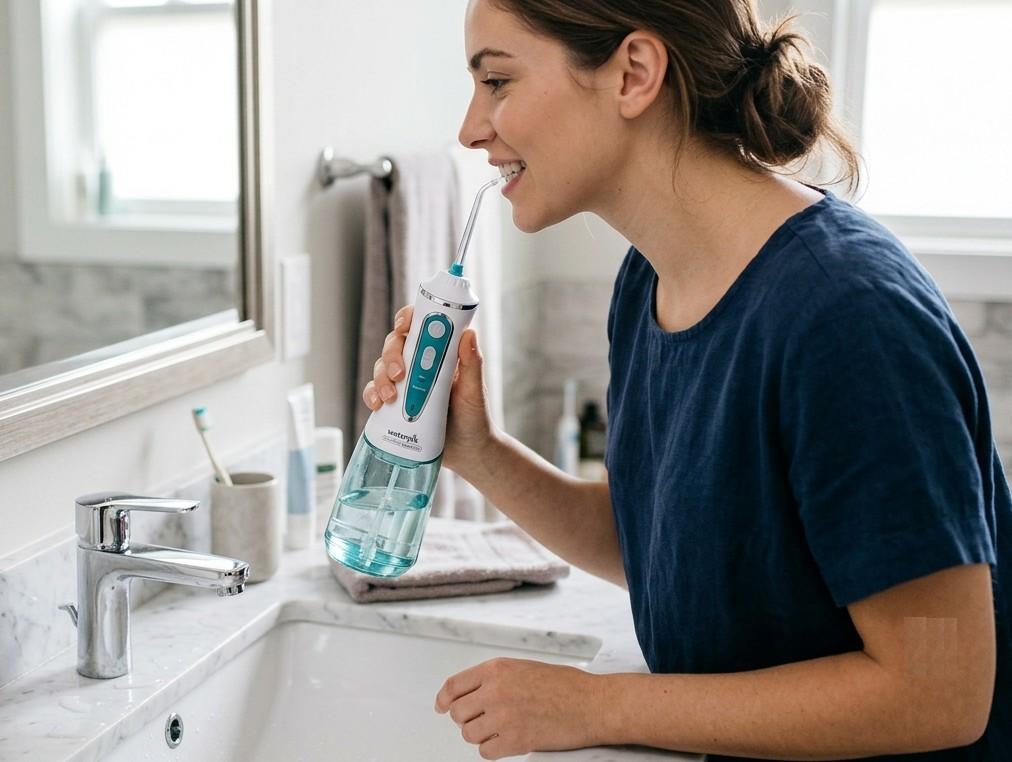
Maintaining good oral hygiene goes beyond brushing your teeth twice a day. Food particles, plaque, and bacteria often remain trapped between teeth and below the gumline, where a toothbrush cannot reach. This is where a water flosser can make a significant difference.
A water flosser, also known as an oral irrigator or dental water jet, uses a pressurized stream of water to clean between teeth and along the gumline. It has become increasingly popular among people with braces, dental implants, crowns, bridges, and those who struggle with traditional string floss.
But is a water flosser really worth buying? Can it replace regular floss? And who benefits from using one the most?
In this guide, you’ll learn everything you need to know about water flossers, including their benefits, limitations, proper usage, and tips for choosing the right device.
What Is a Water Flosser?
A water flosser is an electric oral hygiene device that removes plaque, food debris, and bacteria using a focused stream of pulsating water. Instead of scraping between teeth like traditional floss, it flushes out debris from hard-to-reach areas.
Most water flossers include:
- A water reservoir
- Adjustable pressure settings
- Different nozzle tips
- Rechargeable or corded power source
Many dentists recommend water flossers as an effective addition—not necessarily a replacement—to brushing and flossing, especially for people with specific dental needs.
How Does a Water Flosser Work?
A water flosser pumps water through a narrow nozzle at controlled pressure. The pulsating stream helps:
- Remove trapped food particles
- Reduce plaque buildup
- Clean below the gumline
- Massage gum tissue
- Decrease harmful oral bacteria
The pulsation also stimulates the gums, which may improve circulation and support healthier gum tissue over time.
Types of Water Flossers
1. Countertop Water Flosser
- Large water reservoir
- Multiple pressure settings
- Ideal for families
- Most powerful cleaning
2. Cordless Water Flosser
- Rechargeable battery
- Portable
- Great for travel
- Smaller water capacity
3. Faucet Water Flosser
- Connects directly to a faucet
- No electricity required
- Continuous water flow
4. Shower Water Flosser
- Installed in the shower
- Convenient for daily routines
- No reservoir needed
15 Benefits of Using a Water Flosser
1. Removes Food Debris Effectively
The pressurized water reaches between teeth and flushes out trapped food that brushing often misses.
2. Helps Reduce Plaque
Regular use can decrease plaque accumulation, lowering the risk of cavities and gum disease.
3. Improves Gum Health
Water flossing can reduce inflammation, redness, and bleeding associated with gingivitis.
4. Gentle on Sensitive Gums
Unlike string floss, it is less likely to cause cuts or irritation when used correctly.
5. Ideal for Braces
Cleaning around brackets and wires becomes much easier than using conventional floss.
6. Cleans Around Dental Implants
Water flossers help remove bacteria around implants without damaging surrounding tissues.
7. Supports Crowns and Bridges
The water stream reaches areas underneath dental restorations where plaque often accumulates.
8. Reduces Bad Breath
By removing bacteria and trapped food, it helps minimize persistent bad breath.
9. Easy for People with Limited Dexterity
Individuals with arthritis or mobility challenges often find flossers easier to use.
10. May Reduce Gum Bleeding
Consistent use may lessen bleeding caused by inflamed gums.
11. Cleans Deep Gum Pockets
Water can reach slightly below the gumline, helping remove bacteria in periodontal pockets.
12. Encourages Daily Oral Hygiene
Many people find water flossing more comfortable, making them more likely to clean between their teeth regularly.
13. Suitable for Orthodontic Appliances
Retainers, expanders, and aligner attachments can be cleaned more efficiently.
14. May Lower Risk of Gum Disease
Combined with brushing, water flossing helps reduce bacteria that contribute to periodontal disease.
15. Leaves the Mouth Feeling Cleaner
Many users report a fresher, cleaner sensation after water flossing.
Who Can Benefit Most from a Water Flosser?
A flosser is especially useful for:
- People with braces
- Dental implant patients
- Individuals with crowns and bridges
- People with gingivitis
- Those with periodontal disease
- Seniors
- People with arthritis
- Individuals with crowded teeth
- People who dislike string floss
- Anyone seeking to improve oral hygiene
How to Use a Water Flosser Correctly?
Follow these steps for effective cleaning:
- Fill the reservoir with lukewarm water.
- Choose the appropriate nozzle.
- Start with the lowest pressure setting.
- Lean over the sink.
- Place the tip in your mouth before turning the device on.
- Aim at a 90-degree angle to the gumline.
- Pause briefly between each tooth.
- Clean both the front and back surfaces.
- Empty the reservoir after use.
- Rinse and dry the nozzle.
The entire process usually takes about 1–2 minutes.
When Should You Use a Water Flosser?
Many dentists recommend using it:
- Once daily
- After brushing your teeth
- Before bedtime
- After meals if food frequently gets trapped
Consistency is more important than timing.
Can a Water Flosser Replace Regular Floss?
Not entirely. Traditional floss physically scrapes plaque from the sides of teeth, while a water flosser primarily flushes away debris and bacteria.
For many people—especially those with healthy teeth—traditional floss remains highly effective. However, a water flosser is an excellent alternative for individuals who struggle with string floss or have orthodontic appliances.
The best option depends on your oral health and your dentist’s recommendations.
Water Flosser vs Traditional Floss
| Feature | Water Flosser | Traditional Floss |
|---|---|---|
| Removes food particles | Excellent | Good |
| Removes plaque | Very good | Excellent |
| Easy to use | Yes | Requires technique |
| Suitable for braces | Excellent | Difficult |
| Good for implants | Excellent | Good |
| Portable | Some models | Yes |
| Cost | Higher | Low |
| Beginner friendly | Yes | Moderate |
Can Children Use a Water Flosser?
Yes, older children can use one under adult supervision.
Children with braces often benefit the most because cleaning around orthodontic appliances is more challenging. Choose a model with adjustable pressure settings and begin with the lowest pressure.
Possible Side Effects of Water Flosser
Although generally safe, improper use may cause:
- Mild gum irritation
- Temporary gum bleeding
- Water splashing
- Tooth sensitivity if pressure is too high
- Incomplete plaque removal if used incorrectly
Most of these issues can be avoided by following the manufacturer’s instructions.
Who Should Be Careful?
Consult a dentist before using a flosser if you have:
- Recent oral surgery
- Severe gum disease
- Painful mouth ulcers
- Loose teeth
- Active dental infections
Professional guidance ensures safe and effective use.
Tips for Choosing the Best Water Flosser
Consider these features:
- Adjustable pressure settings
- Large water reservoir
- Rechargeable battery
- Multiple cleaning tips
- Easy-to-clean design
- Waterproof construction
- Quiet operation
- Travel-friendly case
- ADA-recognized models when available
- Good warranty coverage
Common Mistakes to Avoid
- Using maximum pressure immediately
- Pointing water directly into sensitive tissue
- Skipping brushing
- Not cleaning the reservoir
- Sharing nozzle tips
- Using very hot water
- Rushing the cleaning process
- Ignoring manufacturer’s maintenance instructions
How to Clean a Water Flosser?
Regular maintenance helps prevent bacterial buildup.
- Empty the reservoir after each use.
- Rinse with clean water.
- Allow the reservoir to air dry.
- Replace nozzle tips as recommended.
- Clean the reservoir periodically with a vinegar-water solution if advised by the manufacturer.
- Wipe the exterior regularly.
FAQs
Is a water flosser worth buying?
Yes. It can improve oral hygiene, especially for people with braces, implants, crowns, bridges, or gum disease.
Can I use a water flosser every day?
Yes. Daily use is generally considered safe and effective.
Does a water flosser remove plaque?
It helps reduce plaque and remove bacteria, but traditional floss may still be needed for thorough plaque removal in some cases.
Is a water flosser better than floss?
Neither is universally better. Flossers are easier for many people to use, while traditional floss excels at physically scraping plaque from tooth surfaces.
Can a water flosser whiten teeth?
No. It cleans teeth but does not bleach or whiten enamel.
Can I add mouthwash to a water flosser?
Some manufacturers allow diluted mouthwash, but always check your device’s instructions first.
Does water flossing hurt?
No. When used at an appropriate pressure, it should feel comfortable.
Can people with braces use a water flosser?
Yes. It is one of the easiest ways to clean around brackets and wires.
Should I brush before or after water flossing?
Either order can work, but many dental professionals recommend brushing first and then water flossing as part of a complete oral hygiene routine.
Can a water flosser help with bad breath?
Yes. It removes trapped food particles and bacteria that contribute to bad breath.
Should I use warm or cold water in a water flosser?
Lukewarm water is usually the most comfortable, particularly for people with sensitive teeth.
How long should I use a water flosser?
A complete cleaning session usually takes about 1–2 minutes.
Is a water flosser good for sensitive gums?
Yes. It is generally gentler than string floss and can be more comfortable for sensitive or inflamed gums.
Can a water flosser help prevent gum disease?
Regular use, combined with brushing and professional dental care, may help reduce the risk of gingivitis and gum disease.
Is a water flosser safe for dental implants?
Yes. It can effectively clean around implants without damaging them when used according to the manufacturer’s instructions.
How often should I replace the water flosser tip?
Most manufacturers recommend replacing the tip every 3–6 months, depending on the type and frequency of use.
What pressure setting should beginners use?
Start with the lowest pressure setting and gradually increase it as your gums become accustomed to the device.
Final Thoughts
A water flosser is a valuable addition to a daily oral care routine. While it may not completely replace traditional floss for everyone, it offers an effective and convenient way to clean between teeth and below the gumline. It is particularly beneficial for people with braces, implants, crowns, bridges, or sensitive gums.
The best results come from combining water flossing with twice-daily brushing, regular dental check-ups, and a balanced diet. If you’re unsure whether a flosser is right for you, consult your dentist for personalized advice based on your oral health needs.
Sources / References:
- American Dental Association (ADA)
- Centers for Disease Control and Prevention (CDC) – Oral Health
- National Institute of Dental and Craniofacial Research (NIDCR)
- American Academy of Periodontology (AAP)
- Mayo Clinic – Oral Health
- Cochrane Library – Oral Health Reviews
About the Author:
Written by: Kirti Solanki (Health Content Researcher)
Kirti Solanki is a health content researcher dedicated to creating evidence-based, easy-to-understand wellness articles. Her content is based on trusted medical resources and current research to help readers make informed health decisions. The information provided is educational and should not replace professional medical or dental advice.
Disclaimer:
This guide is intended for informational and educational purposes only. It does not replace professional dental advice, diagnosis, or treatment. Always consult a qualified dentist or healthcare provider regarding any concerns about your oral health.
Also Read: