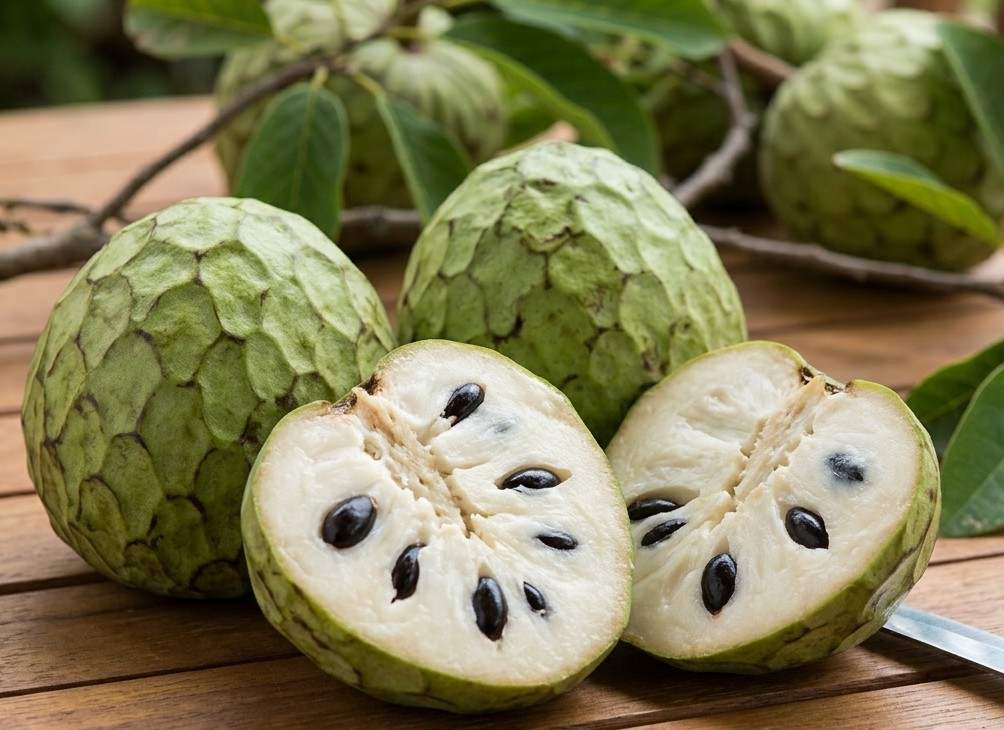
Cherimoya (also known as chirimoya) is a sweet, creamy tropical fruit known for its unusual green, textured skin and soft, custard-like flesh. Scientifically known as Annona cherimola, it belongs to the Annonaceae family and is native to the Andean regions of South America.
Sometimes called a custard apple, cherimoya has a naturally sweet flavor that many people describe as a combination of banana, pineapple, vanilla, and strawberry. However, cherimoya should not be confused with every fruit commonly called custard apple because several Annona species have similar names.
Beyond its pleasant taste, cherimoya provides carbohydrates, dietary fiber, vitamin C, potassium, magnesium, folate, and several B vitamins. Research has also identified various phytochemicals in the fruit and other parts of the plant. The ripe pulp can be enjoyed fresh, added to smoothies, mixed into yogurt, or used in desserts. However, the seeds should always be removed and discarded, rather than chewed or eaten.
What Is Cherimoya?
Cherimoya is the edible fruit of the Annona cherimola tree, an evergreen plant belonging to the Annonaceae family. The fruit generally has green skin with a distinctive segmented or scale-like appearance. When ripe, the flesh becomes soft, creamy, fragrant, and sweet.
Cherimoya is naturally rich in carbohydrates because of its sugars, but it also supplies dietary fiber. A 100-gram edible portion contains approximately 75 calories, 17.77 grams of carbohydrates, 3 grams of fiber, 12.6 mg of vitamin C, and 288 mg of potassium.
Cherimoya has also been investigated for its phytochemicals, including polyphenols and other bioactive compounds. However, research on medicinal effects should not be interpreted as proof that eating cherimoya can treat or cure a disease.
Nutrition Facts of Cherimoya
The following values are based on approximately 100 grams of edible chirimoya pulp without seeds and peel.
| Nutrient | Amount per 100 g |
|---|---|
| Calories | 75 kcal |
| Water | 79.66 g |
| Protein | 1.58 g |
| Total fat | 0.68 g |
| Carbohydrates | 17.77 g |
| Total sugars | 12.91 g |
| Dietary fiber | 3 g |
| Calcium | 10 mg |
| Iron | 0.27 mg |
| Magnesium | 17 mg |
| Phosphorus | 26 mg |
| Potassium | 288 mg |
| Sodium | 7 mg |
| Zinc | 0.16 mg |
| Vitamin C | 12.6 mg |
| Thiamine (B1) | 0.101 mg |
| Riboflavin (B2) | 0.131 mg |
| Niacin (B3) | 0.646 mg |
| Vitamin B6 | 0.258 mg |
| Folate | 23 mcg |
| Vitamin E | 0.27 mg |
Nutritional values can vary according to cultivar, growing conditions, ripeness, and serving size.
20 Proven Health Benefits of Cherimoya
- Supports Digestive Health: The dietary fiber in chirimoya can contribute to normal digestion and help increase overall fiber intake.
- Provides Vitamin C: Cherimoya supplies vitamin C, an essential nutrient involved in normal immune function, collagen production, and antioxidant protection.
- Supports Immune Function: Its vitamin C content can help support the normal functioning of the immune system when consumed as part of a balanced diet.
- Promotes Regular Bowel Movements: The fiber and water naturally present in cherimoya can support healthy bowel regularity.
- Supports Heart-Friendly Eating: Cherimoya is naturally low in fat and provides potassium, making it a useful fruit within an overall heart-conscious eating pattern.
- Provides Potassium: With about 288 mg of potassium per 100 grams, chirimoya contributes to daily potassium intake, an important mineral for normal muscle and nerve function.
- Supports Normal Muscle Function: Potassium and magnesium in chirimoya contribute to normal muscle and nerve function.
- Provides Magnesium: Although not a high-magnesium food, cherimoya provides a small amount of this mineral, which is involved in numerous processes throughout the body.
- Supports Energy Metabolism: Cherimoya contains carbohydrates as well as B vitamins that participate in normal energy metabolism.
- Provides Vitamin B6: Vitamin B6 contributes to normal protein metabolism, nervous-system function, and red blood cell formation.
- Supports Red Blood Cell Formation: Folate and vitamin B6 contribute to normal blood-cell formation and other important metabolic processes.
- Provides Folate: Cherimoya contains folate, a B vitamin that is particularly important for DNA synthesis and normal cell division.
- May Support Antioxidant Protection: Cherimoya contains vitamin C and various phytochemicals that have demonstrated antioxidant activity in laboratory studies.
- Supports Healthy Skin: Vitamin C is required for collagen formation, making vitamin-C-containing fruits such as cherimoya useful as part of a balanced diet for normal skin health.
- May Help Increase Fruit Variety: Its unique flavor and creamy texture can make it easier to include a wider variety of fruits in the diet.
- May Support Satiety: The combination of water, carbohydrates, and fiber can make cherimoya more filling than foods that provide primarily refined sugar.
- May Support Healthy Blood Glucose Management: Preliminary research involving cherimoya pulp found that its consumption did not increase post-meal blood glucose in the small human study conducted, although larger studies are needed.
- Contains Plant Bioactive Compounds: Research has identified phenolic compounds, flavonoids, and other phytochemicals in cherimoya and its by-products.
- Supports Overall Nutrient Intake: The combination of vitamin C, potassium, fiber, folate, B vitamins, and other nutrients makes chirimoya a nutrient-containing addition to a varied diet.
- Can Be a Nutritious Dessert Alternative: Replacing highly processed desserts with a moderate serving of fresh chirimoya can provide more fiber, water, vitamins, and minerals.
10 Side Effects of Cherimoya
Cherimoya is generally suitable as a food for most healthy people when the ripe flesh is eaten in reasonable amounts, but there are important precautions.
- Digestive Discomfort: Eating a large amount may cause bloating, gas, abdominal discomfort, or loose stools because of its fiber and carbohydrate content.
- High Natural Sugar: Chirimoya contains naturally occurring sugars, so large portions may contribute a substantial carbohydrate load.
- Allergic Reactions: People with a fruit allergy may potentially experience itching, swelling, hives, digestive symptoms, or other allergic reactions.
- Seed Toxicity Concern: Cherimoya seeds contain annonaceous acetogenins and other bioactive compounds, so they should not be intentionally consumed. Studies have specifically identified acetogenins in Annona cherimola seeds.
- Choking Risk: Whole chirimoya seeds can present a choking hazard, particularly for young children.
- Possible Blood Sugar Concerns: People monitoring carbohydrate intake should account for chirimoya’s natural sugars and carbohydrates.
- Excessive Consumption: Eating unusually large quantities may increase digestive discomfort and unnecessary calorie and sugar intake.
- Medication-Related Concerns: People taking medicines that affect blood sugar or potassium should discuss substantial dietary changes with their healthcare professional.
- Skin or Mouth Sensitivity: Rarely, sensitive individuals may experience irritation or an allergic response after eating unfamiliar fruits.
- Avoid Unproven Extracts: Concentrated extracts made from cherimoya leaves, seeds, or other non-food parts should not be treated as equivalent to eating the fruit because their safety and dosing can differ considerably.
How to Eat Cherimoya?
Eating cherimoya is simple once the fruit is ripe.
- Wash the fruit under running water.
- Cut it in half lengthwise.
- Scoop out the soft flesh with a spoon.
- Remove and discard every visible seed.
- Eat the creamy pulp directly or add it to another dish.
You can also refrigerate ripe cherimoya before eating if you prefer it chilled.
Important: Do not chew, crush, blend, or intentionally consume the seeds.
Tips for Consuming Cherimoya
- Choose Ripe Fruit: Look for fruit that gives slightly to gentle pressure, similar to a ripe avocado or peach.
- Avoid Damaged Fruit: Avoid fruit with extensive mold, leaking areas, or an unpleasant fermented odor.
- Remove All Seeds: Carefully separate the seeds from the edible pulp before eating.
- Eat Fresh: Fresh cherimoya has the best creamy texture and naturally sweet flavor.
- Refrigerate After Cutting: Keep cut fruit refrigerated and consume it promptly.
- Start With a Small Portion: If you have never eaten chirimoya before, begin with a moderate serving to see how your digestive system responds.
- Pair With Protein: Combining chirimoya with plain yogurt, nuts, or another protein-containing food can make a more balanced snack.
Other Uses of Cherimoya
- Smoothies: Chirimoya pulp can add natural sweetness and creaminess to smoothies.
- Fruit Bowls: The soft pulp works well in mixed fruit bowls with berries, melon, or citrus.
- Yogurt: Chopped cherimoya can be combined with plain yogurt for a naturally sweet snack.
- Desserts: Its custard-like texture makes chirimoya suitable for puddings, ice creams, and other desserts.
- Frozen Treats: Seedless pulp can be frozen and blended into a simple frozen fruit dessert.
- Breakfast Foods: Chirimoya can be added to oatmeal, chia pudding, or yogurt bowls.
- Beverages: The pulp can be blended with milk or plant-based beverages to create a creamy fruit drink.
- Food Research: Cherimoya fruit and its by-products have been investigated as sources of phytochemicals with potential food and functional applications.
How Much Cherimoya Can You Eat in a Day?
For most healthy adults, about ½ to 1 cup of fresh cherimoya pulp in a day is a reasonable food serving.
There is no officially established therapeutic daily dosage of cherimoya. Your appropriate portion depends on your overall calorie intake, carbohydrate needs, digestive tolerance, and other foods eaten throughout the day.
People with diabetes or those following a carbohydrate-controlled diet may need to keep portions smaller and include the fruit within their overall meal plan.
Best Time to Eat Cherimoya
There is no scientifically established “best time” to eat cherimoya.
It can be enjoyed:
- At breakfast with yogurt or oats.
- As a mid-morning snack when you want fruit.
- In the afternoon as a naturally sweet snack.
- After a meal as a dessert in a moderate portion.
- Before exercise as a carbohydrate-containing fruit if it fits your individual eating plan.
The most important factor is the total amount you consume rather than a specific time of day.
Who Should Eat Cherimoya?
- Healthy Adults: Most healthy adults can enjoy moderate amounts of ripe, seedless chirimoya as part of a balanced diet.
- People Seeking More Fruit Variety: Its unusual flavor provides another way to increase variety in fruit consumption.
- People Looking for Fiber: Chirimoya provides approximately 3 grams of fiber per 100 grams.
- People Needing Vitamin C Sources: Its vitamin C content can contribute to daily vitamin C intake.
- Active Individuals: Its carbohydrate content can provide dietary energy when included appropriately in meals and snacks.
- Older Adults: Older adults who tolerate the fruit can include its soft flesh as part of a varied diet.
- People Who Enjoy Naturally Sweet Foods: Cherimoya can be used as a fresh alternative to some highly processed sweet foods.
Who Should Not Eat Cherimoya?
- People With a Cherimoya Allergy: Anyone who develops an allergic reaction should stop eating the fruit and seek appropriate medical advice.
- People Who Cannot Safely Remove Seeds: Young children should only eat properly prepared, seedless pulp under appropriate supervision.
- People With Significant Carbohydrate Restrictions: Individuals following strict carbohydrate limits should account for cherimoya’s carbohydrate and sugar content.
- People With Certain Kidney Conditions: People who have been advised to restrict potassium should discuss appropriate fruit portions with their healthcare professional.
- People With Severe Digestive Sensitivity: Those who experience significant symptoms after high-fiber foods may need smaller portions.
- People Considering Seed Preparations: Chirimoya seeds should not be eaten or used as a homemade medicinal preparation because of their bioactive compounds and potential toxicity concerns.
How to Store Cherimoya?
- Unripe Fruit: Keep unripe chirimoya at room temperature until it softens slightly.
- Ripe Fruit: Refrigerate ripe cherimoya to slow further ripening.
- Cut Fruit: Place cut pulp in a covered container and refrigerate.
- Seedless Pulp: Remove the seeds before storing prepared pulp.
- Short-Term Storage: For the best texture and flavor, eat ripe chirimoya relatively soon after it reaches its ideal ripeness.
- Freezing: Seedless pulp can be frozen for longer storage and later used in smoothies or desserts.
- Check for Spoilage: Discard fruit with mold, an unusual fermented smell, excessive leakage, or obvious spoilage.
Precautions and Interactions
- Remove the Seeds: Always remove chirimoya seeds before eating because seeds from Annona cherimola contain bioactive acetogenins.
- Do Not Make Seed Preparations: Avoid homemade teas, powders, extracts, or supplements made from cherimoya seeds.
- Moderate Portion Size: Because chirimoya contains approximately 12.91 grams of sugar and 17.77 grams of carbohydrates per 100 grams, very large portions may provide a considerable carbohydrate load.
- Diabetes Medication: If you take glucose-lowering medication, discuss significant dietary changes with your healthcare professional rather than using chirimoya as a treatment.
- Kidney Disease: If you have been instructed to restrict potassium, ask your healthcare professional how much chirimoya fits your diet.
- Allergy Precaution: Stop eating cherimoya if you develop symptoms such as swelling, hives, difficulty breathing, or severe digestive symptoms.
- Avoid Medicinal Claims: Laboratory and preliminary research on Annona cherimola should not be interpreted as evidence that the fruit cures diabetes, cancer, infections, or other diseases.
- Be Careful With Extracts: Research on plant extracts does not establish that concentrated chirimoya preparations are safe for routine human use.
- Pregnancy and Breastfeeding: Normal food portions are generally different from concentrated herbal preparations, but pregnant or breastfeeding individuals should avoid medicinal preparations made from cherimoya leaves or seeds unless specifically advised by a healthcare professional.
- Use Food, Not Supplements: Fresh, properly prepared chirimoya pulp is the most straightforward way to consume the fruit.
Cherimoya and Scientific Research
Research on Annona cherimola is still developing. Studies have examined its nutritional composition, antioxidant properties, phenolic compounds, and potential biological activities.
One study found that cherimoya pulp contains several nutrients and that its extracts demonstrated anti-glycation and alpha-glucosidase inhibitory activity in laboratory testing. A small human intervention component also reported that consuming the pulp did not increase post-meal blood glucose in the studied participants. However, these findings are preliminary and do not establish chirimoya as a treatment for diabetes.
Researchers have also identified acetogenins in chirimoya seeds. Because these compounds have biological and cytotoxic activity, the seeds should not be consumed.
This distinction is important: eating the ripe fruit pulp as food is not the same as taking concentrated extracts of seeds, leaves, or other plant parts.
FAQ’s
What is Cherimoya good for?
Chirimoya is good for adding fiber, vitamin C, potassium, folate, and vitamin B6 to the diet and may support digestion, normal immune function, and overall nutrient intake.
Is cherimoya the same as custard apple?
Cherimoya is sometimes called custard apple, but the name “custard apple” can refer to different Annona species depending on the region.
What does cherimoya taste like?
Chirimoya has a sweet, creamy flavor often described as a combination of banana, pineapple, vanilla, and strawberry.
Is cherimoya healthy?
Yes, chirimoya provides fiber, vitamin C, potassium, folate, vitamin B6, and other nutrients.
Can you eat cherimoya seeds?
No, chirimoya seeds should be removed and discarded rather than eaten or crushed.
Is cherimoya good for digestion?
Chirimoya contains dietary fiber, which can support normal digestion and bowel regularity.
Is cherimoya high in sugar?
Chirimoya contains natural sugars, with about 12.9 grams of sugar per 100 grams of edible pulp.
Can people with diabetes eat cherimoya?
People with diabetes may be able to eat a moderate portion, but its carbohydrate content should be considered as part of their overall meal plan.
Is cherimoya good for the skin?
Chirimoya provides vitamin C, which supports normal collagen production and healthy skin.
How do you know when cherimoya is ripe?
A ripe chirimoya usually feels slightly soft when gently pressed and develops a pleasant sweet aroma.
Can you eat cherimoya during pregnancy?
Food portions of ripe chirimoya may fit into a balanced pregnancy diet, but concentrated preparations made from seeds or other plant parts should be avoided unless medically advised.
Is cherimoya good for weight loss?
Chirimoya can be included in a weight-management diet, but portion size matters because it contains natural sugars and carbohydrates.
Does cherimoya contain vitamin C?
Yes, approximately 100 grams of chirimoya provides about 12.6 mg of vitamin C.
Can children eat cherimoya?
Children can eat properly prepared ripe chirimoya pulp, but all seeds should be completely removed because they can pose a choking and safety concern.
Can you eat cherimoya every day?
A moderate serving can fit into a balanced diet for many healthy people, although there is no requirement to eat chirimoya daily.
Final Thought
Cherimoya is a naturally sweet, creamy fruit that can provide fiber, vitamin C, potassium, folate, vitamin B6, and other nutrients. Its nutrient profile makes it a useful addition to a varied diet, particularly when eaten as fresh fruit rather than as a highly processed dessert.
However, chirimoya should be eaten correctly. The ripe flesh is the edible portion, while the seeds should be removed and discarded. Research into the fruit’s phytochemicals and possible health effects is promising but still developing, so chirimoya should be viewed as a nutritious food rather than a medicinal treatment.
Sources / References:
Disclaimer: This guide is for educational purposes only and does not replace professional medical advice. Consult a qualified healthcare professional before using cherimoya or any plant preparation for a medical condition.
Also Read: