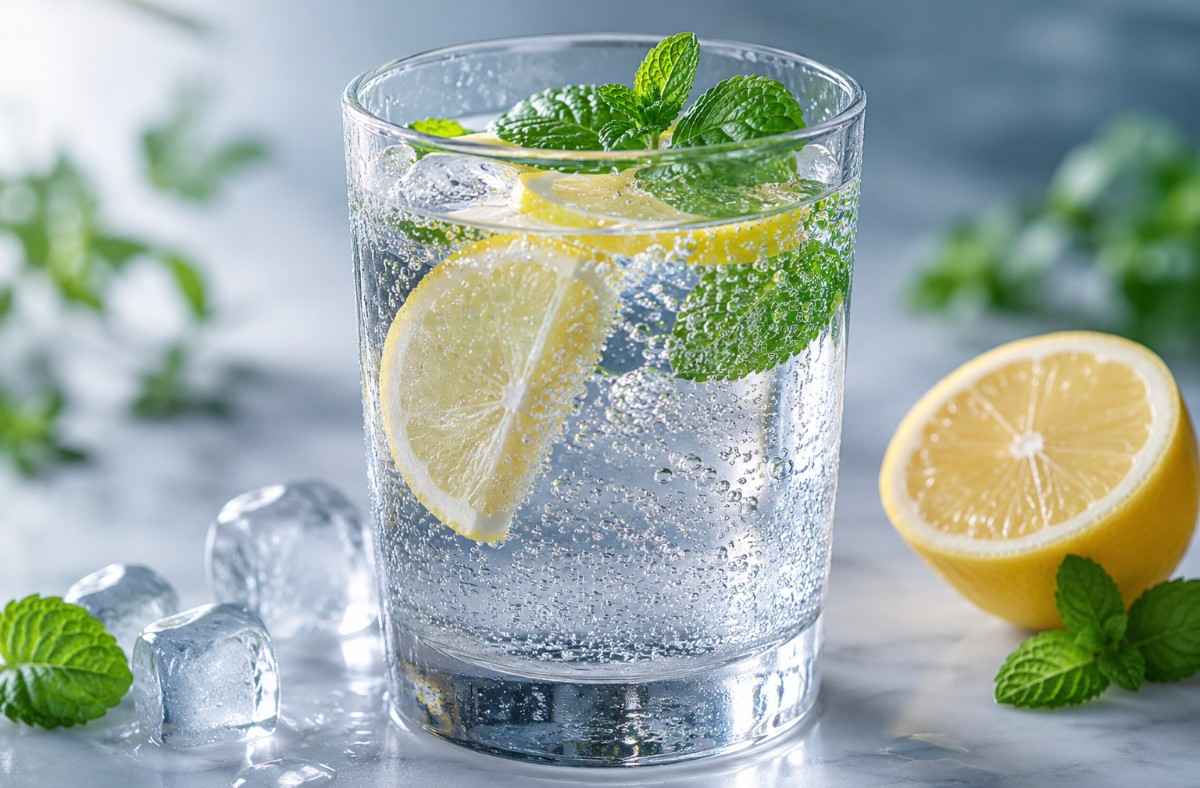
Sparkling water or Carbonated water has become one of the most popular beverage choices for people looking to stay hydrated without added sugar or artificial ingredients. Whether you enjoy the gentle fizz of naturally carbonated mineral water or the bold bubbles of club soda, sparkling water offers a refreshing alternative to soft drinks and juices.
But is sparkling water actually good for you? Does it hydrate as well as plain water? And are there any downsides to drinking it every day?
In this guide, we’ll explore what sparkling water is, its nutrition profile, science-backed health benefits, possible side effects, how to make it at home, and the best ways to include it in a healthy lifestyle.
What Is Sparkling Water?
Sparkling water is water that contains dissolved carbon dioxide gas, which creates bubbles and a fizzy texture. It can be naturally carbonated from underground mineral springs or artificially carbonated by adding carbon dioxide under pressure.
There are several common types of sparkling water:
- Natural sparkling mineral water: Comes from mineral springs and naturally contains minerals such as Calcium, Magnesium, and Potassium along with carbonation.
- Club soda: Artificially carbonated water with added minerals like sodium bicarbonate or potassium sulfate for taste.
- Seltzer water: Plain water that has been artificially carbonated without added minerals.
- Tonic water: Carbonated water flavored with quinine and usually sweetened; it is not the same as plain sparkling water.
Unlike sugary sodas, plain sparkling water is typically calorie-free and sugar-free, making it a popular choice for hydration and weight management.
Components of Sparkling Water
Plain sparkling water has very few nutrients or calories. Mineral content varies depending on the brand and source.
| Nutrient | Amount per 1 cup (240 ml) |
|---|---|
| Calories | 0 |
| Carbohydrates | 0 g |
| Sugars | 0 g |
| Protein | 0 g |
| Fat | 0 g |
| Sodium | 0–75 mg |
| Calcium | 0–30 mg |
| Magnesium | 0–10 mg |
| Potassium | 0–5 mg |
Note: Values vary widely depending on the type of sparkling water and mineral content.
20 Proven Benefits of Sparkling Water
- Supports hydration: Carbonated water hydrates the body just as effectively as still water, helping maintain fluid balance and overall health.
- May improve digestion: Carbonation can stimulate the digestive system and may help food move through the stomach more efficiently.
- Can relieve indigestion: Some studies suggest sparkling water may reduce symptoms of dyspepsia, including stomach discomfort and bloating after meals.
- May ease constipation: Research has shown that carbonated water can improve bowel movements and reduce constipation in some people.
- Promotes fullness: The bubbles in Carbonated water may create a feeling of fullness, which can help reduce appetite and calorie intake.
- Helps replace sugary drinks: Choosing plain sparkling water instead of soda can significantly reduce added sugar and calorie consumption.
- May support weight management: By reducing calorie intake and increasing satiety, sparkling water can be a helpful tool in a balanced weight-loss plan.
- Provides a refreshing alternative to soda: The fizzy texture satisfies cravings for carbonated beverages without the excess sugar found in soft drinks.
- Contains beneficial minerals: Natural sparkling mineral water may provide small amounts of calcium, magnesium, and potassium that contribute to daily nutrient intake.
- May support bone health: Mineral-rich sparkling water containing calcium and magnesium can contribute modestly to bone maintenance.
- Can improve swallowing: Carbonated water may stimulate nerve endings in the mouth and throat, helping some people swallow more easily.
- May reduce nausea for some people: The carbonation and cool temperature can help settle mild nausea in certain individuals.
- Supports oral hydration during exercise: Sparkling water can help replenish fluids after physical activity, especially for those who find plain water less appealing.
- Encourages higher water intake: People who enjoy the taste and texture of sparkling water may drink more fluids overall, supporting hydration habits.
- May help reduce alcohol consumption: Using sparkling water as a mixer or alternative beverage can lower overall alcohol intake in social settings.
- Can enhance meal satisfaction: The effervescence adds sensory enjoyment to meals, making healthy eating more satisfying.
- Helps maintain energy levels: Proper hydration from sparkling water supports normal energy metabolism and physical performance.
- May support kidney function: Adequate fluid intake, including Carbonated water, helps the kidneys filter waste and maintain fluid balance.
- Provides a caffeine-free beverage option: Most plain sparkling waters contain no caffeine, making them suitable for hydration throughout the day.
- Can improve adherence to healthy habits: Enjoyable beverages like Carbonated water may make it easier to stick to a low-sugar, health-conscious lifestyle.
Related Articles:
- Jaggery Water: 20 Benefits, Side Effects & How to Make It
- Sugar Water: 20 Benefits, Side Effects & How to Make It
- Spearmint Water: 20 Benefits, Side Effects & How to Make It
10 Side Effects of Sparkling Water
- Bloating: The carbon dioxide bubbles can cause a feeling of fullness or abdominal bloating, especially when consumed quickly.
- Gas and belching: Carbonation may lead to increased burping and gas as the body releases excess carbon dioxide.
- Acid reflux discomfort: Sparkling water can worsen heartburn or acid reflux symptoms in some individuals by increasing stomach pressure.
- Temporary stomach discomfort: Drinking large amounts at once may cause stomach cramps or discomfort due to rapid gas expansion.
- Tooth enamel erosion risk: The mild acidity of carbonated water can contribute to enamel wear over time, especially flavored varieties with added acids.
- Increased sodium intake: Some club sodas contain added sodium, which may be a concern for people on low-sodium diets.
- May trigger IBS symptoms: People with irritable bowel syndrome may experience worsened bloating, gas, or abdominal discomfort from carbonation.
- Can interfere with appetite cues: The feeling of fullness may temporarily reduce appetite, which could be problematic for people needing adequate calorie intake.
- Possible sensitivity to flavorings: Flavored sparkling waters may contain artificial flavors, sweeteners, or acids that cause sensitivity in some people.
- May not suit certain digestive conditions: Individuals with ulcers, severe GERD, or other gastrointestinal disorders may find carbonation irritating to the stomach lining.
How to Make Sparkling Water?
Making sparkling water at home is simple and cost-effective.
Method 1: Using a Soda Maker
You’ll need
- A home soda maker or carbonation machine
- Cold filtered water
Steps
- Fill the bottle with cold water up to the indicated line.
- Attach the bottle to the soda maker.
- Press the carbonation button 1–3 times, depending on how fizzy you want it.
- Remove the bottle and enjoy immediately or refrigerate.
Method 2: DIY Carbonation with Baking Soda and Vinegar
This method creates temporary carbonation and is more of a science experiment than a practical daily option.
You’ll need
- 1 cup cold water
- 1 teaspoon baking soda
- 1 tablespoon vinegar
- A bottle with a tight lid
Steps
- Pour cold water into the bottle.
- Add baking soda.
- Quickly add vinegar and immediately seal the bottle.
- Shake gently and let it sit for a few minutes before opening carefully.
Note: This method may alter the taste and is less controlled than a soda maker.
Tips for Consuming Sparkling Water
- Choose plain or naturally flavored varieties without added sugar.
- Drink it chilled for the best taste and texture.
- Sip slowly to reduce bloating and gas.
- Use a straw if you’re concerned about tooth enamel exposure.
- Alternate with still water throughout the day.
- Check labels for sodium content if you’re watching your salt intake.
- Avoid drinking large amounts right before intense exercise if carbonation causes discomfort.
Other Uses of Sparkling Water
Sparkling water is more versatile than many people realize.
- Cooking and baking: Carbonated water can make pancake batter, tempura, and baked goods lighter and fluffier.
- Cleaning aid: The bubbles and mild acidity can help loosen grime on glassware and countertops.
- Fruit infusion base: Add slices of citrus, berries, cucumber, or herbs for a naturally flavored drink.
- Refreshing facial rinse: Some people use chilled sparkling water as a quick, refreshing splash for the face, though it’s not a replacement for skincare products.
How Much Sparkling Water Can You Drink in a Day?
For most healthy adults, drinking 1–3 cans or glasses (about 240–720 ml) of plain sparkling water per day is generally considered safe and can contribute to daily hydration needs.
However, tolerance varies. Some people comfortably drink more, while others experience bloating or gas with smaller amounts. The key is to balance Carbonated water with plain water and pay attention to how your body responds.
A practical approach is:
- Use sparkling water as part of your total daily fluid intake, not the only source.
- Limit high-sodium or flavored varieties with added acids or sweeteners.
- Reduce intake if you notice digestive discomfort, reflux, or excessive bloating.
Best Time to Drink Sparkling Water
- With meals: It may aid digestion and enhance meal satisfaction.
- Between meals: A refreshing way to stay hydrated and curb cravings for sugary drinks.
- After exercise: Helps replenish fluids, especially if you prefer fizzy drinks.
- In social settings: A healthy alternative to soda or alcoholic beverages.
Avoid drinking large amounts immediately before bedtime if carbonation causes bloating or discomfort.
Who Should Drink Sparkling Water?
- People who struggle to drink enough water: The fizzy texture can make hydration more enjoyable and encourage greater fluid intake.
- Those reducing sugary beverages: Carbonated water offers a satisfying alternative to soda, juice, and other high-calorie drinks.
- Individuals managing weight: Its filling effect and zero-calorie profile may help reduce overall calorie consumption.
- People seeking a caffeine-free option: Plain sparkling water is typically free of caffeine and suitable for hydration throughout the day.
- Those who enjoy flavored drinks without sugar: Naturally flavored Carbonated waters can provide taste variety without added sweeteners.
Who Should Avoid Sparkling Water?
- People with severe acid reflux or GERD: Carbonation can worsen heartburn and reflux symptoms in some individuals.
- Those with irritable bowel syndrome (IBS): The bubbles may increase bloating, gas, and abdominal discomfort.
- Individuals recovering from stomach ulcers or gastritis: Carbonated beverages may irritate the stomach lining and slow recovery.
- People on strict low-sodium diets: Some club sodas contain significant amounts of sodium and should be limited.
- Anyone sensitive to carbonation: If sparkling water consistently causes pain, excessive gas, or discomfort, plain water may be a better choice.
How to Store Sparkling Water?
- Keep it cold: Store unopened bottles in a cool place and refrigerate after opening to preserve carbonation.
- Seal tightly after opening: A tight cap helps prevent carbon dioxide from escaping and keeps the water fizzy longer.
- Store upright: Keeping bottles upright minimizes the surface area exposed to air, slowing carbonation loss.
- Avoid heat and sunlight: High temperatures and direct light can reduce carbonation and affect flavor quality.
- Consume opened bottles within a few days: Carbonated water tastes best when fresh and well-carbonated.
Precautions and Interactions
While sparkling water is safe for most people, keep these precautions in mind:
- Dental health: Plain Carbonated water is only mildly acidic, but flavored varieties with citric acid or other additives can increase enamel erosion risk. Rinse your mouth with plain water afterward and avoid brushing immediately after drinking acidic beverages.
- Digestive sensitivity: If you have chronic bloating, IBS, GERD, or other gastrointestinal conditions, introduce sparkling water gradually and monitor symptoms.
- Sodium intake: Check labels on club soda and mineral water, as sodium levels can vary widely. This is especially important for people with high blood pressure or kidney disease.
- Medication interactions: Carbonated water itself has few direct interactions, but carbonation may affect stomach comfort when taking certain medications, particularly anti-inflammatory drugs or medications that irritate the stomach. Follow your healthcare provider’s advice.
- Pregnancy and children: Plain Carbonated water is generally safe in moderation, but excessive carbonation may increase bloating or discomfort. Avoid caffeinated or heavily flavored varieties with added sweeteners.
Final Thoughts
Sparkling water is a refreshing, calorie-free beverage that can support hydration, reduce sugary drink intake, and even offer digestive benefits for some people. Its fizzy texture makes it an enjoyable alternative to soda, and naturally carbonated mineral waters may provide small amounts of beneficial minerals.
However, Carbonated water isn’t perfect for everyone. Carbonation can cause bloating, gas, or reflux in sensitive individuals, and flavored varieties may be more acidic or higher in sodium.
The healthiest approach is to choose plain or naturally flavored Carbonated water, drink it in moderation, and balance it with regular still water. When enjoyed thoughtfully, Carbonated water can be a flavorful and healthy addition to your daily routine.
FAQ’s
Is sparkling water as hydrating as regular water?
Yes, Carbonated water hydrates the body just as effectively as still water, making it a good option for meeting daily fluid needs.
Is it okay to drink sparkling water every day?
Yes, most healthy people can safely drink Carbonated water daily as part of a balanced hydration routine.
Does sparkling water contain sugar?
Plain Carbonated water contains no sugar, but some flavored varieties may contain added sugars or sweeteners, so always check the label.
Can sparkling water help with weight loss?
Carbonated water may support weight management by promoting feelings of fullness and helping replace high-calorie sugary beverages.
Does sparkling water cause bloating?
Yes, the carbonation in Carbonated water can cause bloating, gas, or burping in some individuals, especially when consumed quickly.
Is sparkling water bad for your teeth?
Plain Carbonated water is generally safe for teeth, but flavored varieties containing citric acid or other acidic ingredients may contribute to enamel erosion over time.
Can sparkling water cause acid reflux?
For some people, carbonation can worsen acid reflux or heartburn symptoms by increasing pressure in the stomach.
Does sparkling water contain caffeine?
Most plain Carbonated waters are naturally caffeine-free unless caffeine is specifically added by the manufacturer.
Is sparkling water healthier than soda?
Yes, plain Carbonated water is generally healthier than soda because it contains no added sugars, calories, or artificial sweeteners.
Can children drink sparkling water?
Yes, children can drink plain Carbonated water in moderation, although some may find the carbonation uncomfortable.
Is sparkling water safe during pregnancy?
Yes, plain Carbonated water is generally considered safe during pregnancy and may help some women stay hydrated.
Can sparkling water help with digestion?
Some studies suggest Carbonated water may improve digestion, support bowel movements, and relieve mild indigestion.
Does sparkling water contain calories?
Plain Carbonated water contains virtually zero calories, making it a calorie-free beverage choice.
Can sparkling water replace regular water?
Carbonated water can contribute to daily hydration, but it is still a good idea to drink regular water as well for balance and comfort.
What is the difference between sparkling water and club soda?
Carbonated water may be naturally carbonated or simply carbonated water, while club soda usually contains added minerals such as sodium bicarbonate and potassium sulfate.
Is sparkling water good for the kidneys?
For most healthy individuals, Carbonated water supports hydration and is generally safe for kidney health when consumed as part of a balanced diet.
Can sparkling water raise blood pressure?
Plain Carbonated water does not typically raise blood pressure, but some club sodas contain sodium that may contribute to increased intake.
What does sparkling water taste like?
Carbonated water has a clean, refreshing taste with a fizzy sensation, and flavored varieties may offer fruit or herbal notes.
How long does sparkling water stay fizzy after opening?
Once opened, Carbonated water usually retains most of its carbonation for 1–3 days if tightly sealed and refrigerated.
What is sparkling water good for?
Carbonated water is good for hydration, reducing sugary drink consumption, supporting digestion in some people, and providing a refreshing calorie-free beverage option.
Also Read:
- Chlorophyll Water: 20 Benefits, Side Effects & How to Make It
- Botanical Water: 20 Benefits, Side Effects & How to Make It
- Watermelon Water: 20 Benefits, Side Effects & How to Make It
Sources / References:
- Centers for Disease Control and Prevention (CDC)
- National Center for Biotechnology Information (NCBI)
- Harvard T.H. Chan School of Public Health
- Cleveland Clinic
- Johns Hopkins Medicine
- Medical News Today
- U.S. Department of Agriculture (USDA FoodData Central)
- Mayo Clinic
- World Health Organization (WHO)
About the Author:
Written by: Kirti Solanki (Health Content Researcher)
Kirti Solanki is a health content researcher and writer dedicated to creating informative, well-researched, and reader-friendly content on nutrition, wellness, healthy beverages, and natural health topics. Her goal is to help readers make informed lifestyle choices through evidence-based information presented in a simple and practical way.
Disclaimer:
This guide is for informational and educational purposes only and should not be considered medical advice. While sparkling water may offer certain health benefits, individual needs and responses can vary. Always consult a qualified healthcare professional before making significant dietary changes or if you have any underlying health conditions.