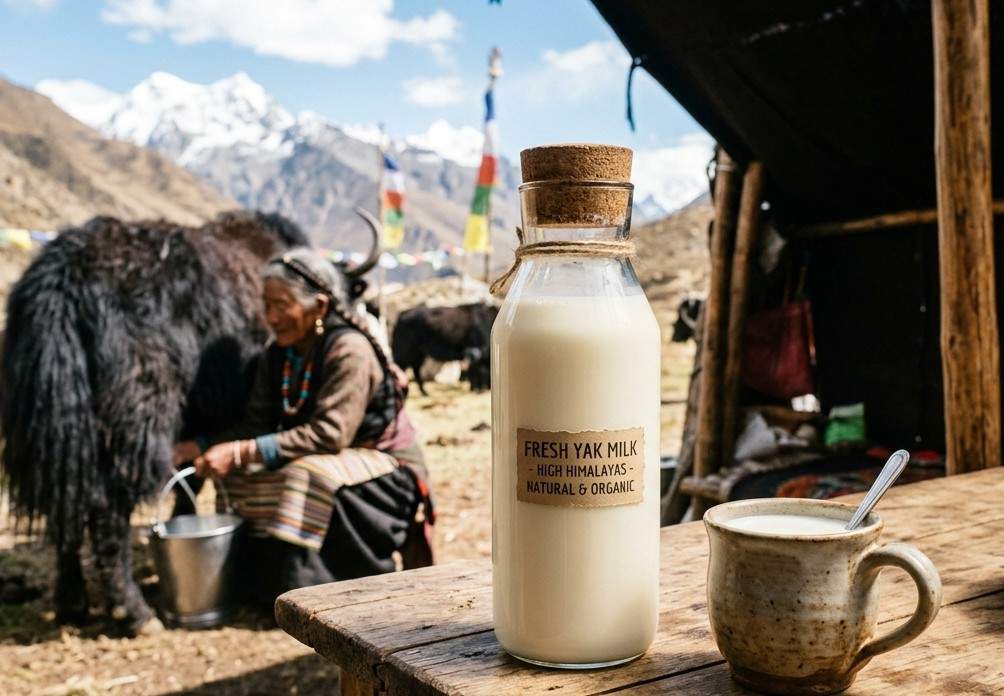
Yak milk is a traditional dairy food that has been consumed for centuries in the Himalayan regions of Tibet, Nepal, Bhutan, Mongolia, and parts of northern India. People living at high altitudes rely on yak milk as an important source of energy, protein, and essential nutrients. Compared to regular cow’s milk, yak milk is naturally richer in fat, protein, and several vitamins and minerals, making it highly nutritious.
Modern research suggests that yak milk contains beneficial proteins, healthy fats, calcium, phosphorus, and antioxidants that may support bone health, muscle growth, immune function, and overall wellness. However, because it is higher in fat and calories than cow’s milk, moderation is important.
This guide explains everything you need to know about yak milk, including its nutrition, science-backed health benefits, side effects, recommended intake, storage tips, and precautions.
What is Yak Milk?
Yak milk is the milk produced by female yaks (Bos grunniens), long-haired bovine animals adapted to the cold, mountainous regions of Central Asia. Yaks graze naturally on alpine grasses and herbs, which may contribute to the unique nutritional composition of their milk.
Yak milk has:
- A rich, creamy texture
- Slightly sweet taste
- White to creamy color
- Higher butterfat than cow’s milk
It is commonly used to make:
- Butter
- Cheese
- Yogurt
- Butter tea
- Ice cream
- Fermented dairy products
Because of its high fat content, yak milk produces exceptionally creamy dairy products.
Nutrition Facts of Yak Milk
| Nutrient | Amount (Per 100 ml Approximate) |
|---|---|
| Calories | 95–110 kcal |
| Protein | 5–6 g |
| Fat | 6–8 g |
| Carbohydrates | 4.5–5 g |
| Calcium | 180–220 mg |
| Phosphorus | 120–150 mg |
| Potassium | 160–200 mg |
| Vitamin A | Moderate |
| Vitamin D | Small amount |
| Vitamin B12 | Moderate |
| Riboflavin (B2) | Good source |
| Magnesium | 18–25 mg |
Values vary depending on breed, season, diet, and processing.
20 Proven Health Benefits of Yak Milk
- Excellent Source of High-Quality Protein: Yak milk provides complete proteins containing all essential amino acids needed for muscle growth and tissue repair.
- Supports Strong Bones: Its naturally high calcium and phosphorus content helps maintain healthy bones and teeth.
- Promotes Muscle Recovery: The rich protein profile supports muscle repair after exercise or physical activity.
- Provides Long-Lasting Energy: Healthy fats and protein offer sustained energy throughout the day.
- Supports Immune Function: Vitamins, minerals, and bioactive compounds contribute to a healthy immune system.
- Rich in Healthy Milk Fats: Yak milk contains beneficial milk fats that provide energy and aid vitamin absorption.
- May Improve Heart Health: Certain milk fats and minerals may support cardiovascular health when consumed as part of a balanced diet.
- Supports Brain Function: B vitamins and healthy fats help maintain normal brain and nervous system function.
- Helps Maintain Healthy Teeth: Calcium and phosphorus contribute to tooth strength and enamel maintenance.
- Contains Natural Antioxidants: Yak milk contains antioxidant compounds that help protect cells from oxidative stress.
- Supports Healthy Skin: Protein, Vitamins A, and healthy fats may contribute to normal skin maintenance.
- May Improve Satiety: Its higher protein and fat content can help you feel full for longer.
- Supports Healthy Weight Maintenance: Increased fullness may reduce unnecessary snacking when consumed in moderation.
- Promotes Healthy Growth in Children: The nutrient density supports normal growth and development in growing children.
- Supports Healthy Pregnancy Nutrition: When pasteurized, yak milk provides nutrients important during pregnancy, although pregnant women should consult their healthcare provider first.
- May Support Gut Health: Fermented yak milk products contain beneficial bacteria that support digestive health.
- Provides Essential Minerals: Milk supplies potassium, magnesium, phosphorus, and zinc needed for numerous body functions.
- Supports Red Blood Cell Production: Vitamin B12 contributes to normal red blood cell formation.
- May Help Prevent Nutrient Deficiencies: Its broad nutrient profile makes it a valuable dietary addition where available.
- Supports Overall Nutritional Health: Regular, moderate intake of pasteurized yak milk can contribute to a nutrient-rich diet.
10 Side Effects of Yak Milk
- High Calorie Content: Yak milk contains more calories than cow’s milk, which may contribute to weight gain if consumed excessively.
- High Saturated Fat: Drinking large amounts may increase saturated fat intake.
- Lactose Intolerance Symptoms: People with lactose intolerance may experience bloating, gas, or diarrhea.
- Milk Allergy Risk: Individuals with dairy allergies should avoid milk.
- Digestive Discomfort: Drinking excessive amounts may cause stomach upset in some individuals.
- Not Suitable Raw: Unpasteurized yak milk may contain harmful bacteria that increase the risk of foodborne illness.
- May Increase Cholesterol Intake: Those managing cholesterol should monitor portion sizes.
- Limited Availability: Fresh milk is difficult to source in many countries.
- Storage Challenges: Fresh milk spoils quickly if not refrigerated properly.
- Not Appropriate for Certain Medical Conditions: Individuals with kidney disease or specialized dietary restrictions should consult their healthcare provider before regular consumption.
How to Drink Yak Milk?
Milk can be enjoyed in several ways:
- Drink it warm or chilled.
- Consume only pasteurized yak milk whenever possible.
- Blend it into smoothies.
- Add it to tea or coffee.
- Use it in hot cereals or oatmeal.
- Make yogurt or kefir.
- Prepare traditional butter tea.
- Add it to soups and creamy recipes.
Tips for Consuming Yak Milk
- Start with small servings if trying it for the first time.
- Choose pasteurized products.
- Store refrigerated immediately after opening.
- Shake before use if cream separates naturally.
- Pair it with a balanced diet.
- Avoid excessive daily intake.
- Consume before the expiration date.
- Purchase from trusted suppliers.
- Use clean utensils during serving.
- Refrigerate leftovers promptly.
How to Use Yak Milk?
Milk is highly versatile and can be used in:
- Drinking as fresh milk
- Homemade yogurt
- Cheese making
- Butter production
- Ice cream
- Milkshakes
- Baking
- Pancakes
- Custards
- Soups
- Sauces
- Smoothies
- Coffee drinks
- Traditional Tibetan butter tea
Other Uses of Yak Milk
Beyond drinking, milk is used for:
- Traditional fermented beverages
- Artisan cheeses
- Butter production
- Cosmetic creams in some regions
- Handmade soaps
- Nutrient-rich desserts
- Protein-rich dairy snacks
- Traditional medicinal foods in Himalayan cultures
How Much Yak Milk Can You Drink in a Day?
There is no universally established daily recommendation specifically for yak milk. Because it contains more fat and calories than cow’s milk, moderation is recommended.
General guidance for healthy adults:
- 1–2 cups (240–480 ml) daily can fit into a balanced diet.
- Individuals with heart disease, obesity, or high cholesterol may benefit from smaller portions.
- Children should consume age-appropriate servings under parental guidance.
- People with lactose intolerance should avoid it or seek medical advice.
Best Time to Drink Yak Milk
Milk can be consumed at different times depending on your nutritional goals:
- Morning with breakfast for sustained energy.
- After exercise to support muscle recovery.
- Evening as a filling beverage.
- Before bedtime if well tolerated, as the protein content may promote satiety.
Who Should Drink Yak Milk?
- Growing Children: Its nutrient-rich composition supports normal growth and development.
- Athletes: The high-quality protein can aid muscle recovery after exercise.
- Older Adults: Calcium and protein may help maintain bone and muscle health.
- People with High Energy Needs: Its calorie density provides concentrated nutrition.
- Individuals Recovering from Illness: Protein and minerals may support nutritional recovery under medical guidance.
- People Seeking Nutrient-Dense Foods: Milk offers a wide range of essential nutrients.
- Those Living in High-Altitude Regions: It has traditionally served as an important dietary staple.
Who Should Avoid Yak Milk?
- People with Milk Allergy: Dairy allergy can trigger serious allergic reactions.
- Individuals with Lactose Intolerance: Milk still contains lactose and may cause digestive symptoms.
- People on Low-Fat Diets: Its naturally high fat content may not align with dietary recommendations.
- Those with High Cholesterol Concerns: Portion control is important due to saturated fat content.
- Individuals with Kidney Disease: Protein and mineral intake may require medical supervision.
- Anyone Drinking Raw Milk: Unpasteurized yak milk should be avoided because of food safety risks.
- People with Certain Digestive Disorders: Some gastrointestinal conditions may worsen with full-fat dairy.
How to Store Yak Milk?
- Refrigerate Immediately: Keep yak milk below 40°F (4°C) after purchase.
- Use an Airtight Container: Prevent contamination and odor absorption.
- Keep It Cold: Avoid leaving it at room temperature for extended periods.
- Do Not Refreeze Repeatedly: Repeated freezing affects texture and quality.
- Check Expiration Dates: Always consume before the recommended date.
- Discard if Spoiled: Do not consume milk with an unusual smell, taste, or appearance.
- Freeze for Longer Storage: Frozen pasteurized milk can last several months, although texture may change after thawing.
Precautions and Interactions
Although milk is highly nutritious, it should be consumed responsibly.
Important precautions include:
- Drink only pasteurized yak milk.
- Consult your healthcare provider if you have kidney disease, dairy allergies, or severe lactose intolerance.
- Monitor portion sizes because of its higher calorie and saturated fat content.
- Individuals with cardiovascular disease should discuss dairy intake with a healthcare professional.
- Pregnant women should consume only pasteurized dairy products.
- Milk does not have any widely recognized medication interactions, but people following medically prescribed diets should seek individualized advice.
FAQs
Is yak milk healthier than cow’s milk?
Yak milk generally contains more protein, healthy fats, calcium, and certain vitamins than cow’s milk, but it is also higher in calories and saturated fat.
What does yak milk taste like?
Milk has a rich, creamy texture with a slightly sweet and buttery flavor.
Can you drink yak milk every day?
Yes, healthy adults can enjoy pasteurized milk daily in moderation, typically about 1–2 cups as part of a balanced diet.
Is yak milk high in protein?
Yes. milk contains more protein than regular cow’s milk, making it a good choice for supporting muscle growth and repair.
Is yak milk good for bone health?
Yes. Its high calcium, phosphorus, and protein content helps support strong bones and healthy teeth.
Does yak milk contain lactose?
Yes. milk naturally contains lactose, so it may not be suitable for people with lactose intolerance.
Can people with lactose intolerance drink yak milk?
Most people with lactose intolerance may still experience digestive symptoms. Lactose-free dairy alternatives may be a better option.
Is yak milk safe during pregnancy?
Pasteurized milk can be consumed during pregnancy as part of a healthy diet. Avoid drinking raw or unpasteurized milk.
Can children drink yak milk?
Yes. Pasteurized milk can be included in a child’s diet if it is age-appropriate and recommended by a healthcare professional.
Is yak milk good for weight gain?
Yes. Because it is higher in calories and healthy fats than cow’s milk, milk may support healthy weight gain when consumed in moderation.
Can yak milk help build muscle?
Yes. Its high-quality protein provides essential amino acids that help support muscle growth and recovery.
Is yak milk good for heart health?
Milk contains beneficial nutrients, but it is also high in saturated fat. People with heart disease or high cholesterol should consume it in moderation.
Can you drink raw yak milk?
No. It is safest to drink pasteurized milk because raw milk may contain harmful bacteria that can cause foodborne illness.
Is yak milk suitable for diabetics?
People with diabetes can include unsweetened pasteurized milk in moderation, but they should consult their healthcare provider for personalized dietary advice.
Can yak milk improve immunity?
Milk provides protein, vitamins, minerals, and antioxidants that support normal immune function as part of a balanced diet.
How long does it take for yak milk to work?
Milk is a nutritious food, not a medicine, so it does not produce immediate effects. Regular consumption as part of a balanced diet may contribute to overall health over weeks or months.
What does yak milk smell like?
Milk has a fresh, creamy aroma with a slightly buttery scent. Fresh pasteurized milk should not have a sour or unpleasant odor.
Is yak milk good for health?
Yes. milk is rich in protein, calcium, healthy fats, vitamins, and minerals that support bone health, muscle function, and overall nutrition when consumed in moderation.
What is yak milk used for?
Milk is used for drinking and for making butter, cheese, yogurt, butter tea, ice cream, fermented dairy products, and traditional Himalayan foods.
Are yaks cheaper than cows?
No. Yaks are generally more expensive to raise than cows because they thrive in high-altitude regions, produce less milk, and require specialized environments.
What is the price of yak milk?
Milk prices vary by country and availability. Because it is rare and produced in smaller quantities, it is usually more expensive than regular cow’s milk.
Which countries drink yak milk?
Milk is commonly consumed in Tibet, Nepal, Bhutan, Mongolia, northern India (especially Ladakh, Sikkim, and Arunachal Pradesh), and parts of western China.
Where can I buy yak milk?
You may find milk at specialty dairy farms, Himalayan regions, gourmet food stores, local farmers’ markets, or online retailers that sell specialty dairy products.
Is yak milk A1 or A2?
Research suggests that milk primarily contains the A2 type of beta-casein protein rather than A1, although the exact composition can vary slightly among animals.
Is yak milk high in cholesterol?
Milk contains cholesterol because it is an animal-based dairy product. It also has a higher fat content than cow’s milk, so it should be consumed in moderation, especially by people managing cholesterol levels.
What is the real color of yak milk?
Milk is naturally creamy white to slightly yellowish due to its fat content and naturally occurring carotenoids.
Is ghee made from yak milk?
Yes. Traditional milk ghee is produced in Himalayan regions and is valued for its rich flavor and creamy texture.
Is yak milk naturally sweet?
Yes. milk has a mildly sweet taste because it naturally contains lactose, the sugar found in milk.
Do yaks give pink milk?
No. Healthy yaks produce white or creamy-colored milk. Pink milk is not normal and may indicate the presence of blood from an injury or infection.
What is yak milk good for?
Milk is a nutrient-dense dairy product that is a good source of protein, calcium, phosphorus, vitamin B12, and healthy fats. It supports bone health, muscle maintenance, energy production, and overall nutritional well-being when included as part of a balanced diet.
Sources / References
- Food and Agriculture Organization (FAO)
- National Institutes of Health (NIH)
- PubMed
- USDA FoodData Central
- Journal of Dairy Science
- International Dairy Journal
About the Author
Written by: Kirti Solanki (Health Content Researcher)
Kirti Solanki specializes in creating evidence-based health and nutrition content. Her articles focus on translating scientific research into practical, easy-to-understand information while emphasizing accuracy, balanced nutrition, and responsible health guidance.
Disclaimer
This guide is for educational and informational purposes only and should not be considered medical advice. Nutritional needs vary between individuals. Always consult a qualified healthcare professional before making significant dietary changes or using foods like milk to manage or treat any medical condition.
Also Read: