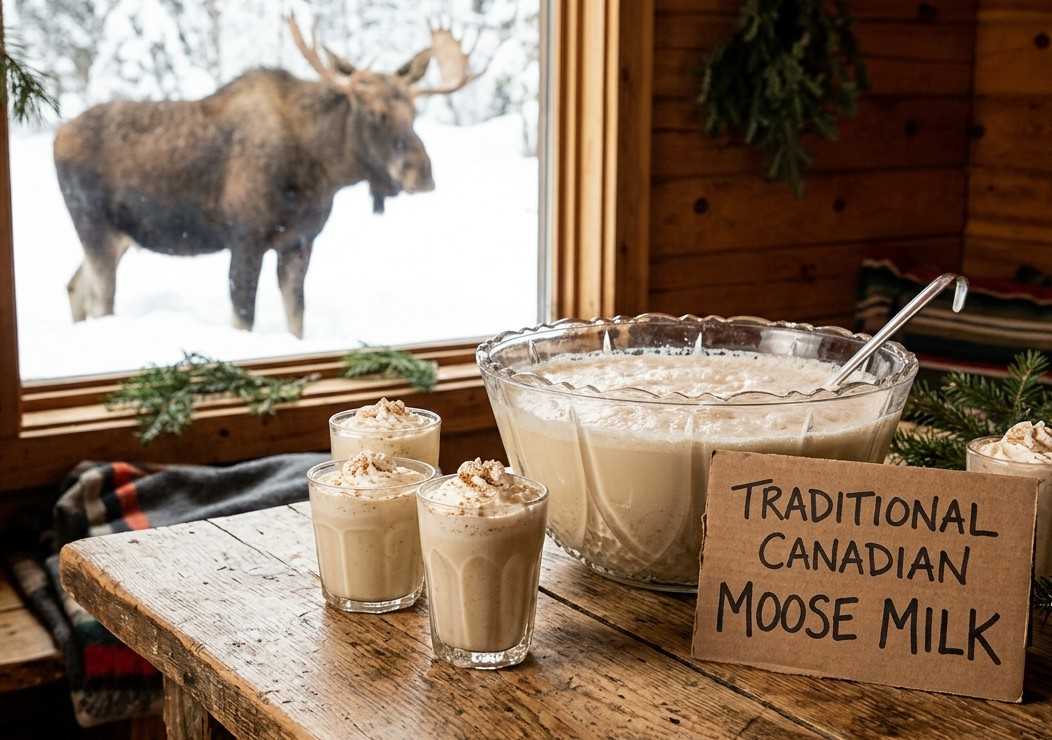
Moose milk is one of the rarest animal milks in the world. Unlike cow, goat, or buffalo milk, it is not commercially available on a large scale because moose are wild animals that are extremely difficult to domesticate and milk. In regions such as parts of Scandinavia and Russia, a few specialized farms have successfully milked moose under controlled conditions, making moose milk a unique and premium dairy product.
Moose milk is naturally rich in protein, healthy fats, calcium, phosphorus, and essential vitamins. Due to its concentrated nutritional profile, it has attracted scientific interest for its potential health benefits. However, research on moose milk remains limited compared to cow’s milk, so many of its proposed benefits are based on its nutrient composition rather than direct clinical studies.
This guide explores everything you need to know about moose milk, including its nutrition facts, potential health benefits, side effects, preparation, storage, and safety tips.
What is Moose Milk?
Moose milk is the milk produced by female moose (Alces alces) during their lactation period after giving birth. Because moose produce relatively small quantities of milk and are difficult to manage, moose milk remains one of the rarest dairy products worldwide.
Compared to cow’s milk, moose milk contains:
- More protein
- Higher fat content
- More calcium
- More phosphorus
- Greater energy density
Its creamy texture and rich taste make it suitable for producing premium cheeses and dairy products in the few regions where it is available.
Nutrition Facts of Moose Milk
Approximate values per 100 ml (composition may vary depending on diet, season, and lactation stage).
| Nutrient | Amount |
|---|---|
| Calories | 110–130 kcal |
| Protein | 8–10 g |
| Fat | 9–12 g |
| Carbohydrates | 2–4 g |
| Calcium | 220–300 mg |
| Phosphorus | 180–220 mg |
| Potassium | 140–180 mg |
| Vitamin A | Moderate |
| Vitamin B2 (Riboflavin) | Moderate |
| Vitamin B12 | Moderate |
| Magnesium | Small amount |
| Zinc | Small amount |
| Water | Approximately 75–80% |
20 Proven Health Benefits of Moose Milk
- Rich in High-Quality Protein: Moose milk provides complete protein containing all essential amino acids needed for muscle repair and growth.
- Supports Muscle Recovery: Its high protein concentration may help rebuild muscle tissue after exercise or illness.
- Promotes Strong Bones: The naturally high calcium content contributes to healthy bones and teeth.
- Improves Bone Density: Calcium and phosphorus work together to support bone mineralization.
- Supports Healthy Teeth: Essential minerals help maintain strong tooth enamel.
- Provides Long-Lasting Energy: Healthy fats supply sustained energy throughout the day.
- Supports Brain Function: Healthy fats and Vitamin B12 contribute to normal nervous system function.
- Boosts Immune Health: Protein, zinc, and vitamins help maintain a healthy immune response.
- Aids Healthy Growth: Children and adolescents may benefit from its nutrient density when appropriate and under dietary guidance.
- Supports Healthy Weight Gain: Its calorie-rich profile may help individuals needing additional calories.
- May Improve Satiety: High protein and fat content may keep you feeling full longer.
- Supports Healthy Skin: Vitamin A and protein contribute to skin maintenance and repair.
- Helps Maintain Healthy Hair: Protein provides building blocks for strong hair.
- Supports Red Blood Cell Production: Vitamin B12 plays an important role in red blood cell formation.
- Promotes Enzyme Function: Minerals such as phosphorus and magnesium support numerous metabolic processes.
- Supports Heart Function: Potassium contributes to normal muscle and heart function.
- May Help Active Individuals: Athletes may benefit from its concentrated protein and calorie content.
- Supports Recovery During Illness: Nutrient-dense milk may help meet increased nutritional needs during recovery.
- Provides Essential Micronutrients: Moose milk contains several vitamins and minerals important for overall health.
- Concentrated Source of Nutrition: Due to its dense nutrient profile, even small servings provide substantial nutrition.
10 Side Effects of Moose Milk
- High in Calories: Regular overconsumption may contribute to excess calorie intake.
- High Fat Content: Individuals following low-fat diets may need to limit consumption.
- Lactose Intolerance: People with lactose intolerance may experience bloating, gas, or diarrhea.
- Milk Allergy: Individuals allergic to dairy proteins should avoid moose milk.
- Limited Availability: Authentic moose milk is extremely difficult to obtain safely.
- Risk from Raw Milk: Unpasteurized moose milk may contain harmful bacteria that cause foodborne illness.
- Digestive Discomfort: Rich dairy products may cause stomach upset in sensitive individuals.
- Higher Saturated Fat Intake: Excessive intake may not be suitable for people advised to limit saturated fat.
- Costly Product: Its rarity makes moose milk significantly more expensive than conventional milk.
- Limited Scientific Research: Long-term health effects have not been extensively studied.
How to Drink Moose Milk?
Moose milk can be enjoyed in several ways:
- Drink it chilled.
- Warm it gently before bedtime.
- Blend into smoothies.
- Add to coffee or tea.
- Use in protein shakes.
- Pour over cereal.
- Add to oatmeal.
- Mix into soups.
- Use in creamy sauces.
- Enjoy in homemade desserts.
Tips for Consuming Moose Milk
- Start with a small serving.
- Choose pasteurized products.
- Store below 40°F (4°C).
- Shake before use if natural fat separation occurs.
- Drink within the recommended shelf life.
- Pair with balanced meals.
- Avoid excessive intake.
- Check for dairy allergies.
- Consult a healthcare provider if you have kidney disease or special dietary needs.
- Purchase only from reputable suppliers.
How to Use Moose Milk?
Moose milk can be used similarly to other dairy products.
- Drinking fresh
- Smoothies
- Milkshakes
- Coffee
- Tea
- Oatmeal
- Yogurt production
- Cheese making
- Baking
- Cream sauces
- Ice cream
- Custards
- Pancakes
- Protein beverages
Other Uses of Moose Milk
Besides drinking, milk may be used for:
- Premium artisan cheese
- Specialty butter
- Yogurt
- Fermented dairy products
- Luxury desserts
- High-protein recipes
- Gourmet cooking
- Scientific nutrition research
- Educational wildlife programs
- Specialty dairy production
How Much Moose Milk Can You Drink in a Day?
Because moose milk is much richer than cow’s milk, moderation is important.
General guidance:
- Adults: About 100–250 ml per day is generally sufficient if tolerated.
- Athletes or individuals with higher calorie needs may consume slightly more under the guidance of a registered dietitian.
- Children should only consume moose milk if recommended by a healthcare professional and if it is pasteurized.
- Individuals with kidney disease, lactose intolerance, or dairy allergies should consult a healthcare provider before consuming it.
Best Time to Drink Moose Milk
There is no single “best” time, but common options include:
- Morning with breakfast
- After exercise for protein intake
- As an afternoon snack
- Before bedtime as part of a balanced evening meal
Who Should Drink Moose Milk?
- Athletes: Its high protein content may support muscle recovery after training.
- People Needing Extra Calories: The concentrated calories may help those trying to gain weight.
- Older Adults: Protein and calcium may help maintain muscle and bone health.
- Growing Adolescents: Nutrient density may support growth when included in a balanced diet.
- People Recovering from Illness: Nutrient-rich foods may help meet increased nutritional needs during recovery.
- Individuals with Higher Protein Needs: Moose milk may help increase daily protein intake.
- Cheese Enthusiasts: Milk is valued for making premium specialty cheeses.
Who Should Avoid Moose Milk?
- People with Dairy Allergies: Milk protein allergies can trigger serious allergic reactions.
- Individuals with Lactose Intolerance: Milk still contains lactose and may cause digestive symptoms.
- People on Low-Fat Diets: Its naturally high fat content may not align with dietary recommendations.
- Infants Under One Year: Animal milk should not replace infant formula or breast milk.
- People with Certain Kidney Conditions: High protein and mineral intake may require medical supervision.
- Individuals Following Vegan Diets: Milk is an animal-derived food.
- Anyone Unable to Verify Safety: Avoid milk from unknown or unregulated sources.
How to Store Moose Milk?
- Refrigerate Immediately: Keep refrigerated at or below 40°F (4°C).
- Choose Pasteurized Milk: Pasteurized products are generally safer than raw milk.
- Use Clean Containers: Store in sealed, food-grade containers.
- Avoid Temperature Fluctuations: Keep the container closed and return it promptly to the refrigerator.
- Freeze if Necessary: Freeze for longer storage if recommended by the producer.
- Check for Spoilage: Discard milk with an unusual odor, texture, or appearance.
- Follow Expiration Dates: Consume within the manufacturer’s recommended shelf life.
Precautions and Interactions
Although milk is nutritious, several precautions should be considered:
- Always choose pasteurized moose milk whenever possible.
- People with dairy allergies should avoid it completely.
- Those with lactose intolerance should consume only if tolerated.
- Individuals with kidney disease should discuss protein intake with a healthcare provider.
- People managing heart disease or high cholesterol should consider its saturated fat content as part of their overall diet.
- Pregnant individuals, older adults, and those with weakened immune systems should avoid raw milk because of the risk of harmful bacteria.
- Milk should complement, not replace, a balanced diet rich in fruits, vegetables, whole grains, and other protein sources.
FAQ’s
Is moose milk safe to drink?
Yes, pasteurized milk from licensed producers is generally safe to drink. Raw milk should be avoided due to the risk of harmful bacteria.
What does moose milk taste like?
Milk has a rich, creamy, and slightly sweet flavor because of its high fat and protein content. Its texture is thicker than cow’s milk.
Is moose milk healthier than cow’s milk?
Moose milk contains more protein, fat, calcium, and phosphorus than cow’s milk, but it is also higher in calories. Whether it is “healthier” depends on your nutritional needs.
Can people with lactose intolerance drink moose milk?
Milk still contains lactose, so people with lactose intolerance may experience digestive discomfort. Lactose-free alternatives may be a better choice.
Is moose milk high in protein?
Yes. milk is naturally high in protein, typically providing around 8–10 grams of protein per 100 ml.
Can moose milk help build muscle?
Its high-quality protein may support muscle growth and recovery when combined with regular exercise and a balanced diet.
Is moose milk good for bones?
Yes. milk is rich in calcium and phosphorus, which help support strong bones and healthy teeth.
Can children drink moose milk?
Healthy children can drink pasteurized milk in moderation as part of a balanced diet, but it should not replace breast milk or infant formula for babies under one year of age.
Is moose milk good for weight gain?
Yes. Because it is calorie-dense and rich in healthy fats and protein, it may help support healthy weight gain when consumed in moderation.
Can moose milk be used for making cheese?
Yes. milk is highly valued for producing premium artisan cheese because of its rich fat and protein content.
Is moose milk available in supermarkets?
No. milk is not widely sold in supermarkets because moose are difficult to domesticate and produce only limited amounts of milk.
Can I drink moose milk every day?
Yes, healthy adults can drink pasteurized milk daily in moderation. Because it is high in protein, fat, and calories, a serving of about 100–250 ml per day is generally sufficient for most people.
How long does it take for moose milk to work?
Milk provides nutrients immediately after digestion, but noticeable health benefits such as improved protein intake or bone support typically depend on consistent consumption as part of a balanced diet over several weeks or months.
What does moose milk smell like?
Milk has a fresh, creamy dairy aroma. When pasteurized and fresh, it smells similar to rich cream with no strong or unpleasant odor.
Is moose milk safe for pregnant women?
Pasteurized milk may be safe during pregnancy if obtained from a reputable source. However, pregnant women should avoid raw or unpasteurized milk because it may contain harmful bacteria.
What is moose milk good for?
Milk is a rich source of protein, calcium, phosphorus, and healthy fats. It may support muscle recovery, bone health, energy production, and overall nutrition when consumed in moderation.
Why is moose milk so hard to get?
Moose are wild animals that are difficult to domesticate and milk. They produce relatively small amounts of milk and require specialized care, making commercial production extremely limited.
How much does moose milk cost?
Milk is one of the world’s most expensive dairy products. Prices vary by country and availability, but it can cost several hundred U.S. dollars per liter due to its rarity and limited production.
Can I buy moose milk?
Yes, but only in very limited quantities. A few specialized farms in countries such as Sweden and Russia produce moose milk, and it is generally not available in regular supermarkets.
How much milk do moose produce?
A lactating moose typically produces about 2–5 liters (0.5–1.3 gallons) of milk per day, depending on factors such as age, health, diet, and stage of lactation. This is far less than a typical dairy cow.
Who makes moose milk?
Milk is naturally produced by female moose (cows) after giving birth. Commercially, only a handful of specialized wildlife farms have successfully milked moose under controlled conditions.
Why is moose cheese so expensive?
Moose cheese is expensive because moose produce very little milk, are difficult to milk, and require specialized handling. The limited supply, labor-intensive production, and rarity make it one of the most exclusive cheeses in the world.
Sources / References:
- Food and Agriculture Organization (FAO)
- World Health Organization (WHO)
- U.S. Department of Agriculture (USDA)
- National Institutes of Health (NIH)
- European Food Safety Authority (EFSA)
- Nordic and Russian research publications on cervid (moose) milk composition and dairy production.
About the Author:
Written by: Kirti Solanki (Health Content Researcher)
Kirti Solanki is a health content researcher who creates evidence-based nutrition and wellness articles. Her work focuses on translating scientific research into practical, easy-to-understand information that helps readers make informed health decisions. Every article is written using reputable scientific sources and reviewed for accuracy and clarity.
Disclaimer:
This guide is for educational and informational purposes only and should not be considered medical advice. The nutritional composition and health effects of moose milk may vary depending on the animal, production methods, and processing. Always consult a qualified healthcare professional or registered dietitian before making significant dietary changes.
Also Read: