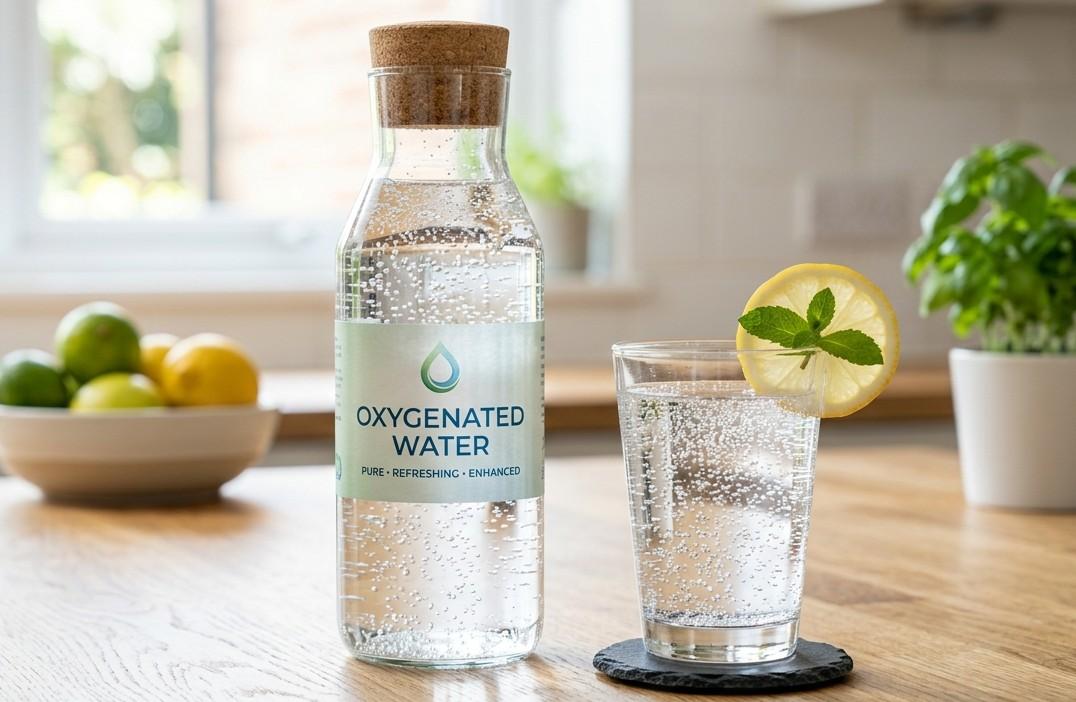
Water is essential for life, but in recent years, several enhanced water products have gained popularity among health-conscious consumers. One of these products is oxygenated water, also known as oxygen-enriched water. Marketed as a beverage that contains higher levels of dissolved oxygen than regular drinking water, oxygenated water is often promoted for its potential to improve energy, athletic performance, hydration, and overall wellness.
While research on oxygenated water is still evolving, many people enjoy it as a refreshing alternative to regular water. Understanding its benefits, limitations, and proper use can help consumers make informed decisions.
In this guide, we will explore everything you need to know about oxygenated water (often called hydrogen peroxide, H₂O₂, or oxygen water), including its nutrition facts, science-backed health benefits, side effects, uses, storage methods, and more.
What is Oxygenated Water?
Oxygenated water is drinking water that has been infused with additional dissolved oxygen through specialized manufacturing processes. Unlike regular water, which naturally contains small amounts of dissolved oxygen, oxygenated water contains significantly higher concentrations.
Manufacturers typically add oxygen under pressure, allowing more oxygen molecules to dissolve into the water. Once bottled and sealed, the water retains much of this extra oxygen until it is opened.
Oxygenated water is commonly marketed toward:
- Athletes
- Fitness enthusiasts
- Active individuals
- People seeking better hydration
- Individuals looking for an alternative wellness beverage
Although oxygen is primarily absorbed through the lungs rather than the digestive system, some studies suggest oxygenated water may offer certain hydration and recovery benefits.
Components of Oxygenated Water
| Nutrient | Amount Per 100 ml |
|---|---|
| Calories | 0 |
| Protein | 0 g |
| Fat | 0 g |
| Carbohydrates | 0 g |
| Sugar | 0 g |
| Fiber | 0 g |
| Sodium | 0–10 mg |
| Potassium | 0–5 mg |
| Calcium | Trace |
| Magnesium | Trace |
| Dissolved Oxygen | 30–120 mg/L (varies by brand) |
| Cholesterol | 0 mg |
Note: Values may vary depending on manufacturing methods and added minerals.
20 Proven Health Benefits of Oxygenated Water
- Supports Hydration: Oxygenated water may help maintain hydration levels similarly to regular water while providing additional dissolved oxygen.
- May Improve Exercise Recovery: Some studies suggest oxygen-enriched water may help reduce recovery time following intense physical activity.
- Can Reduce Blood Lactate Levels: Research indicates oxygen water may assist in lowering lactate accumulation after strenuous exercise.
- Promotes Better Physical Endurance: Increased oxygen availability may contribute to improved endurance during certain forms of exercise.
- May Enhance Athletic Performance: Some athletes report improved stamina and performance when consuming oxygenated water before workouts.
- Supports Muscle Recovery: Adequate hydration combined with dissolved oxygen may aid post-exercise muscle recovery.
- Helps Maintain Energy Levels: Proper hydration from oxygen water may contribute to sustained energy throughout the day.
- May Reduce Exercise-Induced Fatigue: Certain studies suggest oxygenated water could help decrease feelings of fatigue after exercise.
- Supports Healthy Circulation: Hydration is important for maintaining normal blood circulation and cardiovascular function.
- Promotes Cellular Function: Water is essential for nutrient transport and cellular activities throughout the body.
- May Improve Mental Alertness: Better hydration can support concentration, attention, and cognitive performance.
- Supports Temperature Regulation: Oxygenated water helps replenish fluids lost through sweating and physical activity.
- May Aid Metabolic Processes: Water plays a crucial role in numerous metabolic reactions within the body.
- Supports Detoxification: Adequate water intake assists the kidneys in removing waste products efficiently.
- May Improve Exercise Comfort: Some users report feeling less breathless during moderate exercise after consuming oxygenated water.
- Promotes Digestive Health: Hydration supports healthy digestion and bowel regularity.
- May Help Active Individuals Stay Hydrated Longer: Some studies suggest enhanced water formulations may improve hydration status in athletes.
- Supports Nutrient Transportation: Water helps transport vitamins, minerals, and nutrients throughout the body.
- May Improve Overall Wellness: Consistent hydration contributes to many aspects of physical and mental health.
- Provides a Refreshing Alternative to Sugary Drinks: Oxygenated water offers hydration without calories, sugar, or artificial sweeteners.
Related Articles:
10 Side Effects of Oxygenated Water
Oxygenated water is generally considered safe for healthy individuals, but excessive consumption may cause minor issues.
- Bloating: Consuming large amounts quickly may lead to temporary stomach bloating.
- Gas Formation: Some individuals may experience mild gas due to dissolved oxygen content.
- Digestive Discomfort: Sensitive individuals may occasionally experience stomach discomfort.
- Temporary Fullness: Drinking large volumes may create a sensation of fullness.
- Possible Nausea: Excessive intake in a short period may cause mild nausea.
- May Cause Frequent Urination: Increased fluid consumption can increase bathroom visits.
- Potential Mineral Imbalance: Excessive water intake from any source may dilute electrolytes if consumed excessively.
- Can Interfere with Certain Medical Conditions: Individuals with specific digestive disorders should consult healthcare providers before use.
- May Be Unnecessary for Some People: Healthy individuals often receive sufficient oxygen through normal breathing and regular hydration.
- Possible Product Quality Variations: Not all oxygenated water brands provide the same oxygen concentration or manufacturing standards.
How to Make Oxygenated Water?
Commercial oxygenated water is typically produced using specialized equipment. However, homemade versions can be approximated using oxygen infusion devices.
Method 1: Oxygen Infusion System
Ingredients:
- Filtered water
- Food-grade oxygen infuser
Instructions:
- Fill a clean container with filtered water.
- Connect the oxygen infusion device.
- Infuse oxygen according to the manufacturer’s instructions.
- Store in a sealed bottle.
- Consume soon after preparation.
Method 2: Aeration Method
- Use filtered cold water.
- Aerate using a water aerator or oxygen pump.
- Transfer immediately into airtight bottles.
- Refrigerate and consume within 24 hours.
Note that homemade methods generally provide much lower oxygen concentrations than commercially produced oxygen water.
Tips for Consuming Oxygenated Water
- Drink it chilled for better taste and freshness.
- Consume shortly after opening the bottle.
- Use it before or after workouts for hydration support.
- Carry it during outdoor activities.
- Combine it with a balanced diet and healthy lifestyle.
- Avoid relying on it as a replacement for medical oxygen therapy.
- Read product labels carefully.
- Choose reputable brands with quality certifications.
- Maintain normal daily water intake alongside oxygen water.
- Monitor your body’s response when trying it for the first time.
Other Uses of Oxygenated Water
Beyond drinking, oxygen water has several practical applications.
1. Sports and Fitness
Athletes often use oxygen water as part of their hydration routines.
2. Workplace Hydration
Many professionals consume oxygen water during long workdays.
3. Outdoor Activities
Hikers and cyclists may use it for convenient hydration.
4. Travel
It can serve as a refreshing beverage during long journeys.
5. Wellness Programs
Some health clubs and wellness centers include oxygenated water in their offerings.
6. Recovery Routines
Fitness enthusiasts often consume it after training sessions.
7. General Hydration
Many people simply enjoy it as an alternative to regular bottled water.
How Much Oxygenated Water Can You Drink in a Day?
There is no official recommended daily intake specifically for oxygen water.
General guidelines include:
- 250–500 ml per day for beginners
- 500–1000 ml per day for active adults
- Up to 1–2 liters daily for healthy individuals if tolerated
Total fluid intake should still align with individual hydration needs based on age, climate, activity level, and health status.
Avoid excessive consumption beyond normal hydration requirements.
Best Time to Drink Oxygenated Water
Morning
Drinking oxygenated water after waking up may help replenish fluids lost overnight.
Before Exercise
Many athletes consume it 30–60 minutes before workouts.
During Exercise
It can support hydration during prolonged physical activity.
After Exercise
Post-workout consumption may assist hydration and recovery.
During Hot Weather
It helps replace fluids lost through sweating.
During Long Workdays
Regular hydration may support focus and productivity.
Who Should Drink Oxygenated Water?
- Athletes: Individuals engaged in regular training may benefit from convenient hydration support.
- Fitness Enthusiasts: Active people often use oxygenated water before and after workouts.
- Outdoor Workers: Those working in hot environments may appreciate additional hydration options.
- Frequent Travelers: Travelers can use oxygen water to maintain hydration during long trips.
- Busy Professionals: People with demanding schedules may enjoy it as a refreshing beverage.
- Students: Proper hydration can support concentration and learning performance.
- Older Adults: Maintaining hydration is important for healthy aging.
- People Who Dislike Sugary Drinks: Oxygenated water provides a calorie-free beverage alternative.
- Hikers and Cyclists: Endurance athletes often seek convenient hydration solutions.
- Health-Conscious Individuals: Those focused on wellness may incorporate oxygen water into their routines.
Who Should Avoid Oxygenated Water?
- Individuals with Severe Digestive Sensitivities: Extra dissolved gases may cause discomfort in some cases.
- People Expecting Medical Benefits: It should not replace prescribed medical treatments or oxygen therapy.
- Individuals with Certain Gastrointestinal Conditions: Consultation with a healthcare provider is recommended.
- People Sensitive to Carbonated or Aerated Beverages: They may experience bloating or gas.
- Those with Fluid Restrictions: Certain kidney or heart conditions may require controlled fluid intake.
- Children Without Need: Regular water is usually sufficient for healthy children.
- People with Specific Medical Concerns: Medical advice should be sought before regular use.
How to Store Oxygenated Water?
- Keep Bottles Sealed: A tightly sealed container helps preserve dissolved oxygen.
- Store in a Cool Place: Lower temperatures help maintain oxygen concentration.
- Avoid Direct Sunlight: Heat and sunlight can reduce dissolved oxygen levels.
- Refrigerate After Opening: Chilling helps preserve freshness.
- Consume Quickly After Opening: Oxygen gradually escapes once exposed to air.
- Use Original Packaging: Manufacturer containers are designed to minimize oxygen loss.
- Avoid Excessive Shaking: Shaking may accelerate oxygen release.
- Check Expiration Dates: Follow product storage recommendations.
- Keep Away from Heat Sources: Heat can reduce oxygen retention.
- Maintain Proper Hygiene: Always use clean containers if transferring water.
Precautions and Interactions
Although oxygen water is generally safe, consider the following precautions:
- Oxygenated water should not replace medical oxygen therapy.
- Individuals with chronic health conditions should consult healthcare professionals before regular use.
- Excessive water intake may lead to electrolyte imbalances regardless of water type.
- Pregnant and breastfeeding women should seek medical advice before using specialty beverages regularly.
- People taking medications that affect fluid balance should consult their healthcare providers.
- Athletes should not rely solely on oxygen water for performance enhancement.
- Product quality varies among manufacturers, so choose reputable brands.
- Oxygenated water works best as part of a healthy hydration strategy.
- It should not be considered a cure for any disease.
- Regular water remains an excellent and effective hydration source for most people.
Conclusion
Oxygenated water is a specialized beverage containing higher concentrations of dissolved oxygen than ordinary drinking water. While scientific evidence regarding its benefits continues to develop, oxygen water may support hydration, exercise recovery, and overall wellness when consumed as part of a balanced lifestyle.
For most healthy individuals, oxygenated water is safe when consumed in moderation. However, it should not be viewed as a substitute for medical treatment, oxygen therapy, or a healthy diet. Whether you are an athlete, fitness enthusiast, or simply someone looking for a refreshing hydration option, oxygen water can be an interesting addition to your daily routine.
FAQ’s
Is oxygenated water better than regular water?
Oxygen water may offer additional dissolved oxygen, but for most people, regular water remains an effective source of hydration.
Does oxygenated water increase energy levels?
Some people report feeling more refreshed after drinking oxygen water, though scientific evidence regarding direct energy enhancement is limited.
Can oxygenated water improve athletic performance?
Some studies suggest it may support exercise recovery and reduce fatigue, but results are mixed and more research is needed.
Is oxygenated water safe to drink every day?
Yes, oxygen water is generally considered safe for daily consumption when consumed in moderation.
Does oxygenated water help with hydration?
Yes, oxygen water hydrates the body similarly to regular water and may be a refreshing hydration option.
Can oxygenated water help with recovery after exercise?
Some research suggests oxygen water may assist post-workout recovery by helping reduce blood lactate levels.
Does oxygenated water contain calories?
No, most oxygen water products contain zero calories, fat, sugar, and carbohydrates.
Can children drink oxygenated water?
Healthy children can generally drink oxygen water occasionally, but regular water is usually sufficient for their hydration needs.
Can oxygenated water replace medical oxygen therapy?
No, oxygen water should never be used as a substitute for prescribed oxygen therapy or medical treatment.
How long does oxygenated water stay effective after opening?
The dissolved oxygen gradually escapes after opening, so it is best consumed within a few hours to maintain maximum oxygen content.
What does Oxygenated Water taste like?
Oxygen water typically tastes similar to regular water, although some people describe it as slightly crisper or fresher.
How long does it take for Oxygenated Water to work?
Hydration benefits can begin shortly after consumption, but any potential effects on exercise recovery or performance may vary depending on the individual and activity level.
What does Oxygenated Water smell like?
Oxygen water is generally odorless and should not have a noticeable smell when fresh.
Is Oxygenated Water safe for pregnant women?
Oxygen water is generally considered safe, but pregnant women should consult their healthcare provider before regularly consuming specialty beverages.
What is Oxygenated Water good for?
Oxygen water is primarily used for hydration and may support exercise recovery, endurance, and overall wellness when included in a healthy lifestyle.
Can I make Oxygenated Water?
Yes, oxygen water can be made using oxygen infusion or aeration equipment, although homemade versions usually contain less dissolved oxygen than commercial products.
Where do I get Oxygenated Water?
Oxygen water is available at supermarkets, health food stores, fitness centers, specialty beverage retailers, and online marketplaces.
What is the best Oxygenated Water?
The best oxygen water is one from a reputable brand that clearly states its dissolved oxygen content, quality standards, and manufacturing process.
Is Oxygenated Water good for the kidneys?
Oxygen water can contribute to healthy hydration, which supports normal kidney function, but it does not provide special kidney-healing benefits beyond those of regular water.
Sources / References:
- World Health Organization (WHO) – https://www.who.int
- U.S. National Library of Medicine (PubMed) – https://pubmed.ncbi.nlm.nih.gov
- National Institutes of Health (NIH) – https://www.nih.gov
- Centers for Disease Control and Prevention (CDC) – https://www.cdc.gov
- Harvard T.H. Chan School of Public Health – https://www.hsph.harvard.edu
- Mayo Clinic – https://www.mayoclinic.org
- European Food Safety Authority (EFSA) – https://www.efsa.europa.eu
- International Journal of Sport Nutrition and Exercise Metabolism
- Journal of the International Society of Sports Nutrition
- Frontiers in Nutrition – https://www.frontiersin.org/journals/nutrition
Also Read:
- Millet Water: 20 Benefits, Side Effects, Uses & How to Make It
- Oat Water: 20 Benefits, Side Effects, Uses & How to Make It
- Sorghum Water: 20 Benefits, Side Effects & How to Make It
About the Author:
Written by: Kirti Solanki (Health Content Researcher)
Kirti Solanki is a Health Content Researcher dedicated to creating evidence-based, reader-friendly articles on nutrition, wellness, natural remedies, fitness, and healthy living. She focuses on simplifying complex health topics into practical information that helps readers make informed lifestyle decisions. Her content is developed through extensive research from reputable scientific journals, medical organizations, and trusted health resources.
Disclaimer:
This article is for informational and educational purposes only and is not intended as medical advice, diagnosis, or treatment. Always consult a qualified healthcare professional before making changes to your diet, lifestyle, or health routine. The information provided should not be used as a substitute for professional medical guidance. Individual results may vary.