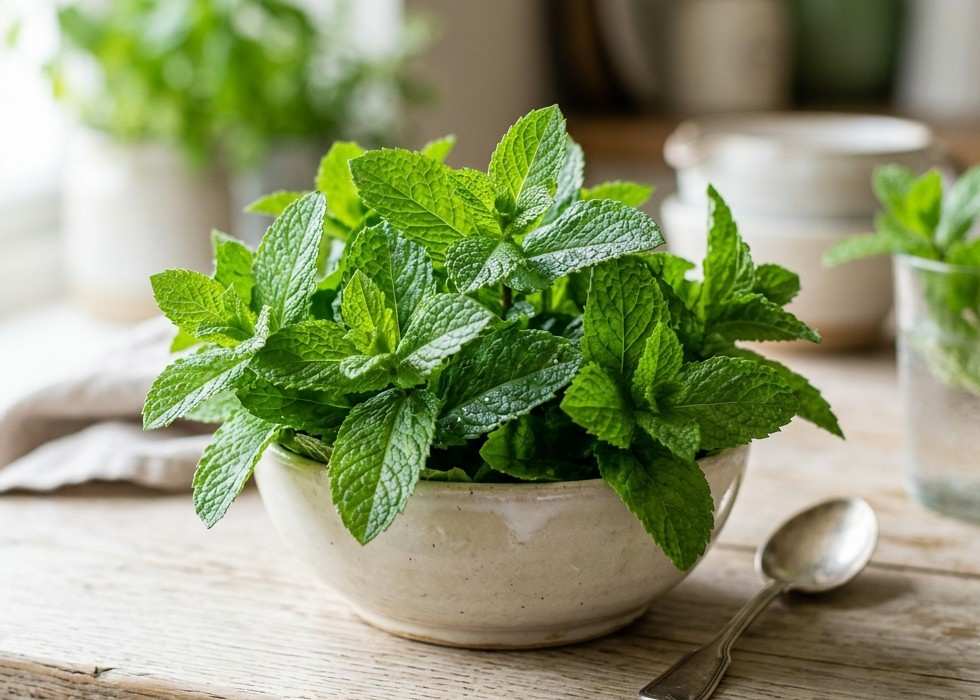
Mint leaves are among the world’s most popular culinary herbs, valued for their refreshing aroma, cooling taste, and impressive nutritional profile. Used in cuisines across Asia, Europe, the Middle East, and the Americas, mint has also played an important role in traditional medicine for centuries. Modern scientific research suggests that mint contains beneficial plant compounds, antioxidants, vitamins, and essential oils that may support digestion, oral health, immunity, and overall wellness.
While mint leaves offer numerous health benefits, they should be consumed in moderation because excessive intake or concentrated mint products may not be suitable for everyone. This guide explores the nutrition, science-backed health benefits, side effects, medicinal uses, and the best ways to enjoy fresh mint leaves.
What are Mint Leaves?
Mint leaves come from plants belonging to the Mentha genus in the Lamiaceae (mint) family. There are over 20 species of mint, with spearmint (Mentha spicata) and peppermint (Mentha × piperita) being the most commonly used.
Fresh mint leaves have a bright green appearance, a pleasant cooling flavor, and a naturally refreshing aroma due to compounds such as menthol, menthone, carvone, and rosmarinic acid. They are commonly used in salads, beverages, herbal teas, chutneys, desserts, sauces, and traditional herbal remedies.
Nutrition Facts of Mint Leaves (Per 100 g)
| Nutrient | Amount |
|---|---|
| Calories | 44 kcal |
| Water | 85.5 g |
| Protein | 3.3 g |
| Carbohydrates | 8.4 g |
| Dietary Fiber | 6.8 g |
| Fat | 0.7 g |
| Vitamin A | 212 mcg |
| Vitamin C | 31.8 mg |
| Folate | 105 mcg |
| Calcium | 199 mg |
| Iron | 11.9 mg |
| Magnesium | 63 mg |
| Potassium | 458 mg |
| Phosphorus | 60 mg |
Values are approximate and may vary by mint variety.
20 Proven Health Benefits of Mint Leaves
- Supports Healthy Digestion: Mint may help reduce indigestion, bloating, and stomach discomfort by relaxing digestive muscles.
- May Relieve Irritable Bowel Symptoms: Peppermint compounds have shown benefits in reducing IBS-related abdominal pain.
- Rich in Antioxidants: Mint contains rosmarinic acid and flavonoids that help protect cells from oxidative stress.
- Freshens Breath Naturally: Its antibacterial properties help reduce odor-causing bacteria in the mouth.
- Supports Oral Health: Mint may contribute to healthier gums and cleaner teeth when combined with good oral hygiene.
- May Reduce Nausea: The refreshing aroma and essential oils may help ease mild nausea in some individuals.
- Provides Vitamin A: Vitamin A supports healthy vision, skin, and immune function.
- Supports Immune Health: Vitamin C and antioxidants help strengthen the body’s natural defense system.
- May Improve Brain Function: Some studies suggest peppermint aroma may enhance alertness and concentration.
- Helps Reduce Inflammation: Plant compounds like rosmarinic acid possess anti-inflammatory properties.
- May Ease Mild Headaches: Peppermint oil is commonly used to relieve tension headaches when applied topically.
- Supports Respiratory Comfort: Menthol may create a cooling sensation that makes breathing feel easier.
- Promotes Healthy Skin: Antioxidants may help protect skin cells from environmental damage.
- May Help Manage Stress: The calming aroma of mint may promote relaxation and reduce mental fatigue.
- Supports Healthy Weight Management: Mint is low in calories and adds flavor without excess sugar or fat.
- Contains Beneficial Fiber: Dietary fiber supports digestive health and regular bowel movements.
- May Help Control Blood Sugar: Preliminary studies suggest certain mint compounds may support healthy glucose metabolism.
- Supports Heart Health: Potassium contributes to normal blood pressure regulation.
- Provides Essential Minerals: Calcium, magnesium, and iron support bone health and normal body functions.
- Adds Nutritional Variety: Regular use of herbs like mint can increase antioxidant intake as part of a balanced diet.
10 Side Effects of Mint Leaves
- Heartburn: Mint may worsen acid reflux in people with GERD.
- Allergic Reactions: Some individuals may develop itching, rash, or irritation after consuming mint.
- Stomach Upset: Excessive intake may cause abdominal discomfort in sensitive individuals.
- Interaction with Medications: Mint supplements may interact with certain medicines.
- May Lower Blood Sugar: People taking diabetes medication should monitor blood sugar levels.
- Can Trigger Reflux Symptoms: Peppermint relaxes the lower esophageal sphincter, potentially worsening reflux.
- Not Suitable in Excess During Pregnancy: Large medicinal doses should be avoided unless advised by a healthcare provider.
- May Cause Mouth Irritation: Concentrated mint products may irritate sensitive mouths.
- Kidney Concerns with Essential Oils: Peppermint oil should not be consumed in large amounts.
- Digestive Sensitivity: Large quantities may occasionally cause diarrhea or cramping.
How to Eat Mint Leaves?
- Add fresh mint to salads.
- Blend into green smoothies.
- Prepare mint chutney.
- Add to yogurt or raita.
- Brew mint herbal tea.
- Garnish soups and curries.
- Mix into fruit salads.
- Add to infused water.
- Sprinkle over rice dishes.
- Include in homemade sauces and dips.
Tips for Consuming Mint Leaves
- Wash thoroughly before eating.
- Choose fresh, bright green leaves.
- Consume in moderation.
- Pair with fruits and vegetables.
- Avoid spoiled or wilted leaves.
- Store properly to maintain freshness.
- Prefer fresh over heavily processed mint products.
- Use as part of a balanced diet.
How to Use Mint Leaves?
- Make herbal tea.
- Blend into smoothies.
- Prepare refreshing beverages.
- Add to soups and curries.
- Use in marinades.
- Prepare herbal sauces.
- Add to sandwiches and wraps.
- Mix into salads.
Other Uses of Mint Leaves
- Aromatherapy.
- Homemade face masks.
- Herbal steam inhalation.
- Natural breath freshener.
- Culinary garnish.
- Homemade mouth rinse.
- Potpourri preparation.
- Herbal bath recipes.
Mint Leaves Medicinal Uses
Traditionally, mint leaves have been used to:
- Support digestion.
- Relieve mild nausea.
- Ease indigestion.
- Freshen breath.
- Help reduce gas and bloating.
- Promote relaxation.
- Support respiratory comfort.
- Soothe mild headaches through peppermint oil.
- Provide antioxidant protection.
- Support general wellness as part of a healthy diet.
Medicinal use should not replace professional medical advice or prescribed treatment.
How Many Mint Leaves Can You Eat in a Day?
There is no official recommended daily intake for fresh mint leaves.
For most healthy adults:
- 10–20 fresh leaves daily is generally considered a moderate culinary amount.
- Around ¼ to ½ cup chopped fresh mint can easily fit into a balanced diet.
- Herbal tea made with a handful of fresh leaves is commonly consumed once or twice daily.
Avoid consuming large amounts of concentrated mint extracts or essential oils without professional guidance.
Best Time to Eat Mint Leaves
- With meals to support digestion.
- After meals as herbal tea.
- During hot weather for a refreshing effect.
- In smoothies at breakfast.
- As a healthy snack ingredient throughout the day.
Who Should Eat Mint Leaves?
- People with Mild Indigestion: Mint may support comfortable digestion.
- Individuals Seeking Fresh Breath: Regular culinary use may help improve breath freshness.
- Health-Conscious Adults: Mint adds nutrients with very few calories.
- People Looking for More Antioxidants: It contributes beneficial plant compounds.
- Those Wanting Flavor Without Extra Calories: Mint naturally enhances foods and beverages.
- Individuals Following Plant-Rich Diets: Herbs increase dietary variety.
- People Enjoying Herbal Teas: Mint tea is naturally caffeine-free.
- Athletes: Mint may provide refreshing hydration when added to water.
- Home Cooks: Fresh mint enhances numerous recipes.
- Most Healthy Adults: Moderate consumption is generally safe.
Who Should Avoid Mint Leaves?
- People with GERD: Mint may worsen acid reflux.
- Individuals Allergic to Mint: Avoid consumption if allergic reactions occur.
- People Using Certain Medications: Consult a healthcare provider regarding possible interactions.
- Infants: Concentrated mint products should not be given unless advised by a pediatrician.
- People with Gallstones: Large medicinal amounts may not be appropriate.
- Individuals with Sensitive Stomachs: Excessive intake may cause discomfort.
- Pregnant Women Using Herbal Supplements: Consult a healthcare professional before using medicinal doses.
- People Using Peppermint Oil Internally: Only use under professional supervision.
- Individuals with Chronic Digestive Disorders: Seek medical advice before consuming large quantities.
- Anyone Experiencing Persistent Symptoms: Consult a healthcare provider instead of self-treating.
How to Store Mint Leaves?
- Wash Only Before Use: Washing too early may reduce freshness.
- Refrigerate Properly: Store in the refrigerator for longer shelf life.
- Wrap in Damp Paper Towels: This helps retain moisture.
- Use an Airtight Container: Prevents moisture loss.
- Trim the Stems: Freshly cut stems absorb water better.
- Store Like Fresh Flowers: Place stems in a glass of water.
- Freeze for Long-Term Storage: Freeze chopped mint in ice cube trays.
- Dry for Herbal Use: Air-dry leaves for teas and seasoning.
- Keep Away from Direct Sunlight: Heat speeds spoilage.
- Discard Wilted Leaves: Remove damaged leaves to maintain freshness.
Precautions and Interactions
- Consume mint in moderation.
- Peppermint may worsen acid reflux in susceptible individuals.
- Consult a healthcare provider before using medicinal doses during pregnancy or breastfeeding.
- Speak with your doctor if taking diabetes, blood pressure, or blood-thinning medications.
- Essential oils should never replace fresh herbs in cooking.
- Peppermint essential oil should only be used according to professional guidance.
- Discontinue use if allergic reactions occur.
- Children should only consume mint in normal food amounts unless advised otherwise.
Types of Mint
There are over 20 recognized species of mint (Mentha), along with many natural hybrids and cultivated varieties. Here are some of the most popular types:
| Type of Mint | Scientific Name | Flavor & Common Uses |
|---|---|---|
| Spearmint | Mentha spicata | Sweet, mild flavor; commonly used in teas, salads, chutneys, mojitos, and chewing gum. |
| Peppermint | Mentha × piperita | Strong, cooling menthol flavor; popular in herbal tea, candies, desserts, and medicinal products. |
| Apple Mint | Mentha suaveolens | Fruity, slightly sweet taste; ideal for fruit salads, herbal teas, and desserts. |
| Chocolate Mint | Mentha × piperita ‘Chocolate’ | Minty flavor with subtle chocolate notes; used in desserts, hot chocolate, and baking. |
| Orange Mint | Mentha × piperita f. citrata | Citrus-like aroma; excellent for iced tea, cocktails, sauces, and fruit dishes. |
| Pineapple Mint | Mentha suaveolens ‘Variegata’ | Sweet flavor with variegated leaves; often used as a garnish and in beverages. |
| Water Mint | Mentha aquatica | Grows near streams and ponds; used in herbal remedies and traditional medicine. |
| Corsican Mint | Mentha requienii | Tiny leaves with a strong mint aroma; used as a ground cover and culinary garnish. |
| Wild Mint (Field Mint) | Mentha arvensis | Rich in menthol; widely used in herbal medicine, essential oils, and Asian cuisine. |
| Ginger Mint | Mentha × gracilis | Mild mint flavor with spicy undertones; suitable for teas, salads, and desserts. |
| Banana Mint | Mentha arvensis ‘Banana’ | Fruity banana-like aroma; commonly used in herbal teas and fruit recipes. |
| Eau de Cologne Mint | Mentha × piperita f. citrata | Lavender-citrus fragrance; used in beverages, perfumes, and potpourri. |
FAQ’s
What are mint leaves good for?
Mint leaves may support digestion, freshen breath, provide antioxidants, and contribute vitamins and minerals that promote overall health.
Is it safe to eat mint leaves every day?
Yes. Most healthy adults can safely enjoy fresh mint leaves daily in moderate amounts as part of a balanced diet.
Can mint leaves help with digestion?
Yes. Mint may help relieve indigestion, gas, bloating, and mild stomach discomfort by relaxing digestive muscles.
Are mint leaves good for weight loss?
Mint leaves are low in calories and add flavor to meals without extra sugar or fat, making them a healthy addition to a weight-management diet.
Can I eat raw mint leaves?
Yes. Fresh mint leaves can be eaten raw in salads, sandwiches, smoothies, chutneys, and as a garnish.
Can mint leaves improve bad breath?
Yes. Mint has natural antibacterial properties and a refreshing aroma that may help reduce bad breath.
Are mint leaves good for the skin?
Mint contains antioxidants and vitamin A, which may help support healthy skin when consumed as part of a balanced diet.
Can pregnant women eat mint leaves?
Yes. Fresh mint used in normal food amounts is generally considered safe during pregnancy, but medicinal doses or supplements should only be used after consulting a healthcare provider.
Are mint leaves safe for children?
Yes. Fresh mint leaves are generally safe for children when consumed in normal food amounts.
Can people with acid reflux eat mint leaves?
People with gastroesophageal reflux disease (GERD) may find that mint worsens their symptoms and should consume it cautiously.
What is the difference between spearmint and peppermint?
Spearmint has a sweeter, milder flavor, while peppermint contains more menthol, giving it a stronger cooling taste and aroma.
What do mint leaves taste like?
Mint leaves have a cool, refreshing, slightly sweet flavor with a mild peppery finish. Spearmint is sweeter, while peppermint has a stronger, more intense menthol taste.
How long does it take for mint leaves to work?
It depends on the purpose. For digestion or fresh breath, some people notice benefits within 15–30 minutes after consuming mint. Long-term health benefits require regular consumption as part of a balanced diet.
What do mint leaves smell like?
Mint leaves have a fresh, cool, and invigorating aroma due to natural essential oils such as menthol and carvone.
What is mint called in India?
Mint is commonly called Pudina in India. It is widely used in chutneys, beverages, curries, raitas, and traditional Ayurvedic remedies.
Which is better, mint or peppermint?
Neither is universally better. Spearmint has a milder, sweeter flavor and is commonly used in cooking, while peppermint contains more menthol and is often preferred for digestive support and herbal teas.
Is mint good or bad for health?
Mint is generally good for health when consumed in moderation. It provides antioxidants, vitamins, and minerals and may support digestion and oral health. However, it may worsen acid reflux in some people.
Does mint help regrow hair?
There is limited scientific evidence that consuming mint leaves alone can regrow hair. However, peppermint oil has shown promising results in early studies for promoting hair growth when used topically. It should always be diluted before applying to the scalp.
Sources / References
- U.S. Department of Agriculture (USDA) FoodData Central
- National Center for Complementary and Integrative Health (NCCIH)
- National Institutes of Health (NIH)
- World Health Organization (WHO)
- Harvard T.H. Chan School of Public Health
About the Author
Written by: Kirti Solanki (Health Content Researcher)
Kirti Solanki is a Health Content Researcher who creates evidence-based, reader-friendly articles on nutrition, wellness, and healthy living. Her content is developed using reputable scientific sources and trusted health organizations to provide accurate and practical health information.
Disclaimer
This guide is for educational and informational purposes only and should not be considered medical advice. Always consult a qualified healthcare professional before making significant dietary or health-related changes, especially if you are pregnant, breastfeeding, taking medications, or managing a medical condition.
Also Read: