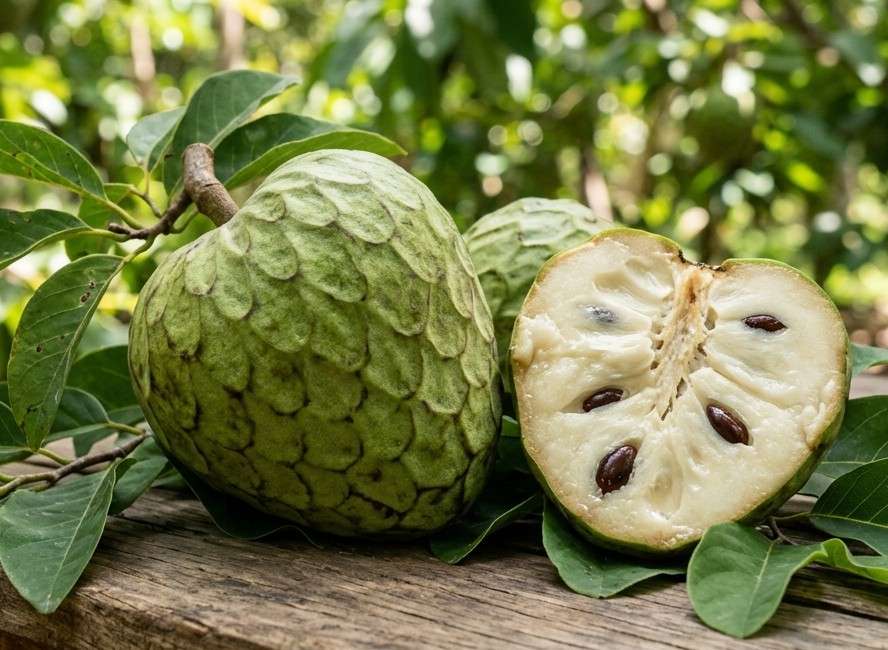
Annona is a group of tropical and subtropical fruit trees known for their creamy, aromatic, sweet fruits. One of the best-known species is Annona squamosa, commonly called sugar apple, sweetsop, or custard apple. In India, it is widely known as sitaphal or sharifa.
The soft pulp has a naturally sweet, custard-like texture and can be eaten fresh or incorporated into desserts, beverages, smoothies, ice cream, and other foods. Annona fruits provide carbohydrates, dietary fiber, vitamin C, several B vitamins, potassium, and other micronutrients. Research has also identified numerous plant compounds in Annona squamosa, including phenolics, flavonoids, alkaloids, terpenoids, and annonaceous acetogenins.
What Is Annona?
Annona is a genus of flowering plants belonging to the Annonaceae family. The genus contains numerous tropical and subtropical species, several of which produce edible fruits.
The species most commonly discussed in relation to custard apple or sugar apple is Annona squamosa L. Its fruit has a segmented green exterior and soft white or cream-colored pulp surrounding numerous dark seeds.
Other well-known Annona fruits include:
- Annona squamosa: Sugar apple or sweetsop
- Annona cherimola: Cherimoya
- Annona muricata: Soursop or graviola
- Annona reticulata: Custard apple or bullock’s heart
- Annona atemoya: Atemoya, a hybrid involving A. squamosa and A. cherimola
Because these species have different nutritional profiles and phytochemicals, their health effects should not automatically be considered interchangeable.
Nutrition Facts of Annona
The following is an approximate nutrition information for 100 g of raw Annona/custard-apple-type edible pulp. Values vary between species and cultivars.
| Nutrient | Approximate amount per 100 g |
|---|---|
| Calories | 101 kcal |
| Water | 71.5 g |
| Carbohydrates | 25.2 g |
| Dietary Fiber | 2.4 g |
| Protein | 1.7 g |
| Total Fat | 0.6 g |
| Calcium | 30 mg |
| Iron | 0.71 mg |
| Magnesium | 18 mg |
| Phosphorus | 21 mg |
| Potassium | 382 mg |
| Sodium | 4 mg |
| Vitamin C | 19.2 mg |
| Thiamine (B1) | 0.08 mg |
| Riboflavin (B2) | 0.10 mg |
| Niacin (B3) | 0.50 mg |
| Vitamin B6 | 0.22 mg |
20 Proven Health Benefits of Annona
1. Provides Vitamin C: Annona provides vitamin C, a nutrient that supports normal immune function and helps protect cells from oxidative stress.
2. Supports Digestive Health: Its dietary fiber can contribute to normal bowel function and overall digestive health.
3. Provides Potassium: Annona contains potassium, an essential mineral involved in normal nerve signaling, muscle contraction, and fluid balance.
4. Supports Energy Needs: Its naturally occurring carbohydrates provide a readily available source of dietary energy.
5. Provides Antioxidant Compounds: Annona contains vitamin C and various phytochemicals with antioxidant activity demonstrated in experimental research.
6. Supports Normal Immune Function: Vitamin C contributes to normal immune-system function and helps maintain healthy tissues.
7. Supports Heart-Friendly Nutrition: Replacing highly processed sweet foods with whole fruits such as Annona can contribute to a balanced eating pattern that includes fiber and potassium.
8. Supports Normal Blood Pressure Regulation: Adequate dietary potassium is important for maintaining normal blood pressure, although eating Annona should not be considered a treatment for hypertension.
9. Supports Skin Health: Vitamin C is required for normal collagen formation, which helps maintain healthy skin and connective tissue.
10. Provides B Vitamins: Annona contains several B vitamins, including thiamine, riboflavin, niacin, and vitamin B6, which participate in normal energy metabolism.
11. Supports Healthy Metabolism: Its combination of carbohydrates and B vitamins contributes nutrients involved in normal metabolic processes.
12. Provides Dietary Fiber: Fiber can help increase dietary bulk and support regular bowel movements when consumed as part of an adequate-fiber diet.
13. Contains Plant Polyphenols: Research has identified phenolic and flavonoid compounds in Annona that may contribute to its antioxidant properties.
14. Supports Cellular Protection: Antioxidant compounds can help the body manage oxidative stress, although this does not mean Annona prevents specific diseases.
15. Provides a Nutrient-Dense Fruit Option: Annona supplies several vitamins and minerals along with naturally occurring carbohydrates, making it a useful addition to a varied diet.
16. May Support Healthy Blood Sugar Metabolism: Laboratory and animal studies have reported potential glucose-regulating effects from Annona compounds, but stronger human studies are needed before making therapeutic claims.
17. Shows Antimicrobial Potential: Extracts from different parts of Annona squamosa have demonstrated antimicrobial activity in experimental studies, but this should not be interpreted as proof that eating the fruit treats infections.
18. Shows Anti-Inflammatory Potential: Certain Annona phytochemicals have demonstrated anti-inflammatory activity in experimental models, although the relevance to normal dietary consumption in humans remains uncertain.
19. Contains Bioactive Plant Compounds: Annona contains several classes of phytochemicals, including acetogenins, alkaloids, diterpenes, and phenolic compounds that are being investigated scientifically.
20. Can Add Variety to a Healthy Diet: Its naturally sweet flavor and creamy texture make Annona an easy way to increase fruit variety without relying on processed desserts.
10 Side Effects of Annona
Eating the ripe edible pulp in normal food portions is different from consuming Annona seeds, concentrated extracts, or preparations made from other plant parts.
1. Digestive Discomfort: Eating a large amount of Annona at once may cause bloating, fullness, or digestive discomfort because of its carbohydrate and fiber content.
2. Higher Sugar Intake: Annona is naturally sweet and carbohydrate-rich, so large portions can contribute a substantial amount of carbohydrate to the diet.
3. Possible Blood Sugar Changes: People taking diabetes medication should consider the carbohydrate content of Annona and monitor their blood glucose according to their healthcare provider’s advice.
4. Allergy Risk: Although uncommon, people can potentially develop an allergic reaction to any food, including Annona.
5. Seed Toxicity: Annona seeds should not be eaten because they contain bioactive compounds with toxic potential.
6. Eye Irritation: Crushed Annona seeds or seed powder can be particularly dangerous if they enter the eyes and have been associated with toxic keratoconjunctivitis.
7. Excessive Extract Consumption: Concentrated extracts can expose the body to much higher levels of plant compounds than ordinary fruit consumption and should not be treated as equivalent to eating the pulp.
8. Possible Medication Considerations: People taking medicines that affect blood sugar, blood pressure, or other metabolic processes should discuss concentrated Annona preparations with a healthcare professional.
9. Unripe Fruit May Cause Discomfort: Unripe or poor-quality fruit may be less palatable and can be harder to digest for some people.
10. Excessive Long-Term Exposure to Acetogenins: Some Annona species contain annonaceous acetogenins, and research has raised concerns about neurotoxic potential with repeated or high exposure, particularly from certain products or preparations.
How to Eat Annona?
Annona is usually eaten when fully ripe.
- Wash the fruit under clean running water.
- Allow it to ripen until the flesh becomes soft and fragrant.
- Cut the fruit open.
- Scoop out the creamy pulp with a spoon.
- Remove and discard every seed.
- Eat the pulp fresh or add it to smoothies, yogurt, fruit bowls, or desserts.
The seeds should not be chewed, crushed, powdered, or used as a home remedy. Research has documented toxic effects associated with Annona seeds, including serious eye toxicity after exposure to seed material.
Tips for Consuming Annona
- Choose Fully Ripe Fruit: Select fruit that has developed a pleasant aroma and yields gently to pressure.
- Remove All Seeds: Carefully separate the edible pulp from the dark seeds before eating.
- Eat Fresh: Fresh ripe pulp is one of the simplest ways to enjoy Annona.
- Watch Portion Size: Because the fruit is naturally carbohydrate-rich, moderate portions are practical.
- Avoid Damaged Fruit: Do not eat fruit showing extensive mold, fermentation, or spoilage.
- Refrigerate After Cutting: Store leftover pulp in a covered container in the refrigerator.
- Do Not Use Seeds Medicinally: Avoid traditional preparations involving Annona seeds unless specifically evaluated and prescribed by a qualified professional.
Other Uses of Annona
- Fresh Fruit: Ripe Annona pulp can be eaten directly as a naturally sweet fruit.
- Smoothies: The creamy pulp can be blended into smoothies and fruit beverages after removing the seeds.
- Desserts: Annona pulp can be used in ice cream, puddings, desserts, and other sweet preparations.
- Beverages: The fruit has been used in juices and other beverage preparations.
- Jams and Jellies: Annona pulp can be processed into value-added products such as jam and jelly.
- Frozen Products: The pulp can be incorporated into frozen desserts and other processed fruit products.
- Food Processing: Research and food-processing literature describe opportunities for products such as nectar, squash, fermented beverages, and confectionery products.
- Cosmetic and Botanical Research: Extracts from different plant parts have been investigated for various biological activities, although these uses should not be confused with proven medical treatments.
- Agricultural Applications: Certain Annona plant parts contain compounds with insecticidal activity and have been investigated for agricultural applications.
How Much Annona Can You Eat in a Day?
There is no officially established therapeutic daily dosage for Annona fruit.
For most healthy adults, a practical food portion is around ½ to 1 cup of edible pulp, depending on the person’s overall diet, calorie requirements, and tolerance.
Because Annona is relatively rich in carbohydrates, people managing blood glucose or total carbohydrate intake may prefer smaller portions.
The edible pulp should be consumed as food rather than as a medicinal treatment.
Best Time to Eat Annona
There is no scientifically established “best time” to eat Annona.
It can generally be enjoyed during the day as part of a balanced meal or snack. Eating it with or after a meal may be preferable for people who find very sweet fruits uncomfortable on an empty stomach.
For people monitoring blood glucose, portion size and total carbohydrate intake are more important than a specific clock time.
Who Should Eat Annona?
- Healthy Adults: Most healthy adults can enjoy ripe Annona pulp as part of a varied and balanced diet.
- People Seeking More Fruit Variety: Annona can add different flavors, textures, vitamins, minerals, and fiber to a fruit-rich diet.
- People Needing Vitamin C Foods: Its vitamin C content can contribute to overall dietary vitamin C intake.
- People Looking for Fiber-Rich Foods: Its dietary fiber can contribute to daily fiber intake.
- People Who Enjoy Naturally Sweet Foods: The fruit can be used as a naturally sweet alternative to some highly processed desserts.
- Active Individuals: Its carbohydrate content can contribute to overall energy intake, particularly when included as part of a balanced meal or snack.
Who Should Not Eat Annona?
- People With a Known Annona Allergy: Anyone who has previously experienced an allergic reaction to Annona should avoid it unless advised otherwise by a qualified healthcare professional.
- People Who Cannot Tolerate the Fruit: Individuals who repeatedly develop digestive symptoms after eating Annona should stop consuming it and seek professional advice if symptoms persist.
- People With Poorly Controlled Blood Glucose: Those with diabetes or significant glucose-management concerns should consider its carbohydrate content and portion size with their healthcare provider or dietitian.
- People Considering Annona Seeds: Annona seeds should not be eaten because of their toxic constituents.
- People Using Seed Powder on the Skin or Hair: Avoid unverified use of crushed seeds, especially around the eyes, because serious ocular toxicity has been reported.
- People Considering Concentrated Extracts: Those who are pregnant, breastfeeding, taking medications, or managing chronic conditions should consult a healthcare professional before using concentrated Annona preparations.
How to Store Annona?
- Unripe Fruit: Keep unripe Annona at room temperature until it becomes suitably ripe.
- Ripe Fruit: Once ripe, refrigerate the fruit to slow further softening and spoilage.
- Cut Pulp: Place leftover pulp in a clean, airtight container and refrigerate promptly.
- Avoid Prolonged Room-Temperature Storage: Cut fruit should not be left at room temperature for extended periods.
- Freeze Extra Pulp: Seed-free pulp can be frozen in an airtight freezer-safe container for longer storage.
- Check for Spoilage: Discard Annona if it develops an unusual fermented odor, mold, or other obvious signs of deterioration.
Precautions and Interactions
- Remove the Seeds: Always remove Annona seeds before eating the fruit because seeds contain potentially toxic compounds.
- Avoid Eye Contact With Seeds: Crushed or powdered seeds should never be allowed to contact the eyes because serious corneal toxicity has been documented.
- Do Not Self-Medicate With Seeds: Traditional use does not establish that Annona seed preparations are safe or effective for treating disease.
- Use Caution With Extracts: Concentrated Annona extracts may deliver substantially higher amounts of bioactive compounds than normal dietary portions.
- Consider Blood Glucose: People using glucose-lowering medication should account for the fruit’s carbohydrate content.
- Consider Blood Pressure Medication: Individuals taking blood-pressure medication should discuss concentrated Annona preparations with a healthcare professional because experimental research has reported biological effects that may not apply predictably to humans.
- Pregnancy and Breastfeeding: Fresh ripe pulp in normal food amounts is different from medicinal extracts or seed preparations; avoid concentrated products unless cleared by a qualified healthcare professional.
- Watch for Allergic Symptoms: Stop eating the fruit and seek appropriate medical attention if symptoms such as swelling, breathing difficulty, or widespread hives occur.
- Do Not Confuse Species: “Annona” refers to a genus, so information about one species should not automatically be applied to soursop, cherimoya, sugar apple, or other Annona fruits.
- Remember the Evidence Limits: Many reported medicinal benefits come from cell, animal, or extract studies, and additional human research is needed before Annona can be considered a treatment for specific diseases.
FAQ’s
What is Annona good for?
Annona provides fiber, vitamin C, potassium, carbohydrates, and plant compounds that can support overall nutrition and digestive health.
What does Annona taste like?
Annona has a naturally sweet, creamy, custard-like taste with mild tropical and fruity notes.
Is Annona the same as custard apple?
Annona is the genus, while custard apple is a common name used for several Annona fruits, including Annona squamosa in some regions.
What is Annona called in India?
Annona squamosa is commonly called sitaphal, seetaphal, or sharifa in India.
Can you eat Annona every day?
Yes, ripe Annona pulp can generally be eaten regularly in moderate portions as part of a balanced diet.
Can you eat Annona seeds?
No. Annona seeds should be removed and discarded because they contain potentially toxic compounds.
Is Annona high in sugar?
Annona is naturally sweet and relatively high in carbohydrates, so people monitoring blood sugar should pay attention to portion size.
Is Annona good for digestion?
Yes, Annona contains dietary fiber that can support normal digestion and bowel regularity.
Can Annona be eaten during pregnancy?
Ripe fruit pulp consumed as food is different from concentrated extracts or seeds; pregnant women should consult their healthcare professional before using Annona medicinally.
Is Annona good for the skin?
Annona provides vitamin C, which supports collagen production and normal skin health.
Does Annona contain vitamin C?
Yes, Annona contains vitamin C, although the amount varies depending on the species and cultivar.
Can people with diabetes eat Annona?
People with diabetes may be able to include moderate portions, but Annona’s carbohydrate content should be considered as part of their overall meal plan.
How do you know when Annona is ripe?
A ripe Annona generally becomes slightly soft when gently pressed and develops a pleasant, sweet aroma.
Can Annona help with weight loss?
Annona can be included in a balanced weight-management diet, but it is not a weight-loss treatment and its calorie and carbohydrate content should be considered.
Can Annona boost immunity?
Annona provides vitamin C and other nutrients that contribute to normal immune function, but it should not be considered a cure or prevention for infections.
Is Annona safe for children?
Ripe, seed-free Annona pulp can be included in a child’s diet when age-appropriate, but all seeds should be carefully removed to prevent exposure and choking hazards.
Sources / References:
- PubMed
- World Health Organization (WHO)
- Food and Agriculture Organization (FAO)
- National Institutes of Health (NIH)
- U.S. Food and Drug Administration (FDA)
Disclaimer:
This guide is for general educational purposes only and does not replace professional medical advice, diagnosis, or treatment. Always consult a qualified healthcare professional before using Annona extracts, seeds, or supplements for medicinal purposes.
Also Read: