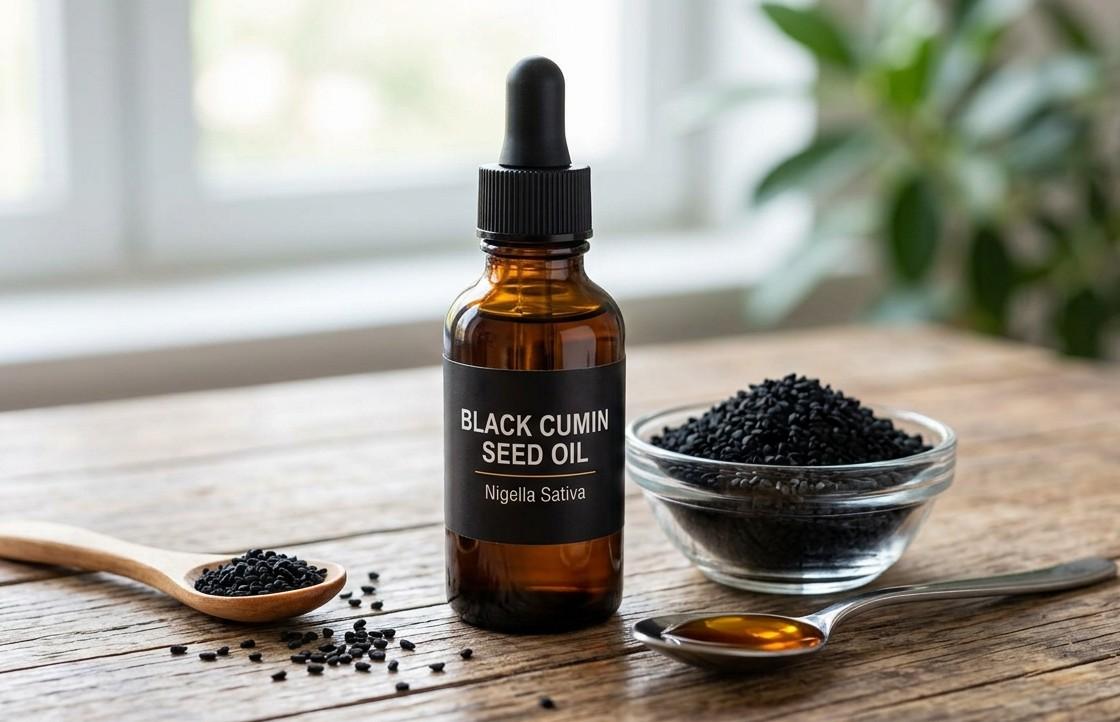
Black Cumin Seed Oil has been treasured for centuries in traditional medicine systems across the Middle East, Asia, and Africa. Known as the “seed of blessing” in many cultures, this powerful oil has gained global popularity for its potential health benefits ranging from immune support to skin nourishment.
In this guide, you’ll learn everything about Black Cumin Seed Oil—what it is, its science-backed health benefits, possible side effects, dosage recommendations, and how to use it safely and effectively.
What is Black Cumin Seed Oil?
Black Cumin Seed Oil is extracted from the tiny black seeds of the plant Nigella sativa, a flowering herb native to South Asia, the Middle East, and parts of Europe. Despite its name, it is not related to common cumin (Cuminum cyminum).
The oil is typically cold-pressed to preserve its active compounds, especially thymoquinone, which is considered the main bioactive ingredient responsible for many of its health benefits.
It has a slightly bitter, peppery taste and a strong, earthy aroma. Traditionally, it has been used for:
- Digestive health
- Respiratory conditions
- Immune system support
- Skin and hair care
- Inflammatory disorders
Today, it is available in liquid form and capsules, and is used both internally and topically.
Nutrition Facts of Black Cumin Seed Oil
Black Cumin Seed Oil is rich in healthy fats, antioxidants, and plant compounds. Below is an approximate nutritional profile per 1 tablespoon (15 ml):
| Nutrient | Amount (Approx.) |
|---|---|
| Calories | 120 kcal |
| Total Fat | 14 g |
| Saturated Fat | 2 g |
| Monounsaturated Fat | 3 g |
| Polyunsaturated Fat | 8 g |
| Omega-6 Fatty Acids | 7–8 g |
| Omega-9 Fatty Acids | 2–3 g |
| Protein | 0 g |
| Carbohydrates | 0 g |
| Thymoquinone | Varies (bioactive compound) |
| Vitamin E | Small amounts |
| Phytosterols | Present |
| Antioxidants | High |
The oil contains essential fatty acids like linoleic acid and oleic acid, which support heart, skin, and brain health.
20 Proven Benefits of Black Cumin Seed Oil
- Boosts Immunity: Black Cumin Seed Oil strengthens the immune system by supporting white blood cell activity and reducing oxidative stress.
- Reduces Inflammation: Its active compound thymoquinone helps lower chronic inflammation linked to many diseases.
- Supports Heart Health: The oil may help reduce bad cholesterol (LDL) and triglycerides while improving overall cardiovascular health.
- Regulates Blood Sugar Levels: It may improve insulin sensitivity and help stabilize blood glucose levels.
- Improves Digestive Health: Black Cumin Seed Oil can relieve bloating, indigestion, and mild gastrointestinal discomfort.
- Enhances Respiratory Function: It may help ease asthma symptoms and support better breathing by relaxing airway muscles.
- Promotes Healthy Skin: The oil helps reduce acne, eczema, and dryness due to its antibacterial and anti-inflammatory properties.
- Strengthens Hair Growth: Regular use may reduce hair fall and improve scalp health.
- Supports Liver Function: It may protect liver cells from toxins and oxidative damage.
- Aids Weight Management: Black Cumin Seed Oil may support fat metabolism and appetite control.
- Improves Joint Health: Its anti-inflammatory properties may help reduce joint stiffness and pain.
- Supports Brain Function: The antioxidants in the oil may protect brain cells from oxidative stress.
- Fights Bacterial Infections: Black Cumin Seed Oil has natural antibacterial properties.
- Has Antifungal Effects: It may help control fungal infections on the skin and scalp.
- Supports Kidney Health: Some research suggests it may help protect kidney function.
- Reduces Allergic Reactions: It may ease seasonal allergy symptoms by calming immune overreaction.
- Improves Oral Health: The oil may help reduce gum inflammation and harmful oral bacteria.
- Balances Hormones: It may help regulate hormonal imbalances, especially in women.
- Supports Gut Microbiome: Black Cumin Seed Oil may encourage the growth of beneficial gut bacteria.
- Provides Antioxidant Protection: Its rich antioxidant content helps protect cells from free radical damage.
10 Side Effects of Black Cumin Seed Oil
Although generally safe when used properly, it may cause side effects in some individuals.
- Digestive Upset: High doses may cause nausea, stomach discomfort, or diarrhea.
- Low Blood Sugar: It may lower blood glucose levels excessively in people on diabetes medication.
- Low Blood Pressure: Individuals with hypotension may experience dizziness due to its blood pressure-lowering effect.
- Allergic Skin Reactions: Topical use may cause redness or itching in sensitive individuals.
- Hormonal Effects: It may influence hormone levels, especially when taken in large amounts.
- Drug Interactions: Black Cumin Seed Oil may interact with blood thinners and antihypertensive drugs.
- Risk During Pregnancy: High doses are not recommended during pregnancy as they may stimulate uterine contractions.
- Kidney Strain in Excess: Overconsumption may stress kidney function.
- Slowed Blood Clotting: It may increase bleeding risk when combined with anticoagulants.
- Headaches: Some individuals may experience mild headaches when first starting supplementation.
How to Use Black Cumin Seed Oil?
Black Cumin Seed Oil can be used both internally and externally.
Internal use:
- Take it directly by spoon.
- Mix with honey or warm water.
- Add to smoothies or herbal teas.
- Use in salad dressings.
External use:
- Apply directly to skin for acne or eczema.
- Massage into scalp for hair growth.
- Use as a carrier oil blend with essential oils.
Other Uses of Black Cumin Seed Oil
- Natural immune tonic
- Massage oil for joint pain
- DIY face masks
- Beard growth oil
- Oil pulling for oral health
- Aromatherapy blends
Tips for Consuming Black Cumin Seed Oil
- Start with a small dose to assess tolerance.
- Always choose cold-pressed, organic oil.
- Take it with food to prevent stomach discomfort.
- Store properly to maintain potency.
- Avoid heating at high temperatures.
How to Take Black Cumin Seed Oil?
You can take it in the following ways:
- 1 teaspoon daily on an empty stomach
- Mixed with honey in the morning
- In capsule form as directed
- Added to yogurt or smoothies
How to Make Black Cumin Seed Oil at Home?
While commercial cold-pressed extraction requires machinery, a simple infused oil can be made at home:
- Lightly crush black cumin seeds.
- Add them to a glass jar.
- Pour carrier oil (like olive oil) over the seeds.
- Seal and keep in sunlight for 2–3 weeks.
- Strain and store in a dark bottle.
Note: This is an infused oil, not pure cold-pressed Black Cumin Seed Oil.
How Much Black Cumin Seed Oil Can You Use Per Day?
For most adults:
- 1 to 2 teaspoons (5–10 ml) daily is considered moderate use.
- Capsules typically range between 500 mg to 1000 mg per day.
Always follow product instructions or consult a healthcare professional.
Black Cumin Seed Oil Dosage
General dosage guidelines:
- General wellness: 1 teaspoon daily
- Immune support: 1–2 teaspoons daily
- Capsule form: 500–1000 mg per day
- Topical use: Apply a small amount once or twice daily
Dosage may vary depending on age, health status, and purpose of use.
Best Time to Use Black Cumin Seed Oil
- Morning on an empty stomach for immunity
- Before meals for digestion
- Before bedtime for anti-inflammatory support
- After shower for skin and hair care
Consistency is more important than timing.
Who Should Use Black Cumin Seed Oil?
Black Cumin Seed Oil may be beneficial for:
- Individuals with mild inflammation
- People looking to support immunity
- Those with skin or scalp issues
- Individuals seeking natural digestive support
- Adults aiming for heart health support
Who Should Not Use Black Cumin Seed Oil?
Avoid or consult a doctor if you are:
- Pregnant or breastfeeding
- On blood-thinning medication
- Taking diabetes medication
- Suffering from low blood pressure
- Scheduled for surgery
How to Store Black Cumin Seed Oil?
- Store in a dark glass bottle.
- Keep away from direct sunlight.
- Store in a cool, dry place.
- Refrigeration can extend shelf life.
- Always close the lid tightly.
Proper storage prevents oxidation and preserves potency.
Precautions and Interactions
Black Cumin Seed Oil may interact with:
- Anticoagulants
- Antihypertensive medications
- Diabetes medications
- Immunosuppressants
Precautions:
- Always do a patch test before topical use.
- Do not exceed recommended dosage.
- Consult a healthcare professional if you have chronic illness.
- Discontinue use if adverse reactions occur.
Final Thoughts
Black Cumin Seed Oil is a powerful natural remedy with a long history of traditional use and growing scientific support. From boosting immunity to supporting skin, hair, and heart health, it offers a wide range of potential benefits.
However, like any natural supplement, it should be used responsibly and in appropriate doses. Choosing high-quality, cold-pressed oil and maintaining consistent but moderate use can help you experience its benefits safely. If you are considering adding Black Cumin Oil to your daily routine, start slow, monitor your body’s response, and consult a healthcare provider if you have underlying health conditions.
FAQ’s
What is Black Cumin Seed Oil used for?
Black Cumin Oil is commonly used to support immunity, reduce inflammation, improve digestion, promote skin and hair health, and help maintain heart and metabolic wellness.
Is Black Cumin Seed Oil the same as regular cumin oil?
No, Black Cumin Oil comes from Nigella sativa, while regular cumin oil is extracted from Cuminum cyminum, and they have different properties and benefits.
Can I take Black Cumin Seed Oil every day?
Yes, most adults can take it daily in moderate amounts, typically 1–2 teaspoons per day, unless advised otherwise by a healthcare professional.
How long does it take for Black Cumin Seed Oil to work?
Some people notice digestive or skin improvements within a few days, while immune or metabolic benefits may take several weeks of consistent use.
Can Black Cumin Seed Oil help with weight loss?
It may support weight management by improving metabolism and reducing inflammation, but it works best when combined with a healthy diet and exercise.
Is Black Cumin Seed Oil good for hair growth?
Yes, when applied to the scalp regularly, it may help reduce hair fall, improve scalp health, and support stronger hair growth.
Can I apply Black Cumin Seed Oil directly to my skin?
Yes, but it’s recommended to do a patch test first, especially if you have sensitive skin, as it may cause irritation in some individuals.
Is Black Cumin Seed Oil safe during pregnancy?
High doses are not recommended during pregnancy, so pregnant women should consult a doctor before using it.
Can diabetics use Black Cumin Seed Oil?
It may help regulate blood sugar levels, but people with diabetes should consult a healthcare provider to avoid potential interactions with medications.
Does Black Cumin Seed Oil lower blood pressure?
It may have mild blood pressure-lowering effects, so individuals with low blood pressure should use it cautiously.
Can children use Black Cumin Seed Oil?
Small amounts may be used under medical supervision, but dosage should always be adjusted according to age and weight.
Can I mix Black Cumin Seed Oil with honey?
Yes, mixing it with honey is a traditional method that improves taste and may enhance immune-support benefits.
Does Black Cumin Seed Oil have a strong taste?
Yes, it has a slightly bitter, peppery, and earthy flavor that some people find strong.
What does Black Cumin Seed Oil smell like?
Black Cumin Oil has a strong, earthy, slightly bitter aroma with peppery and mildly herbal notes.
What is Black Cumin Seed Oil good for?
Black Cumin Oil is good for supporting immunity, reducing inflammation, improving digestion, promoting heart health, and enhancing skin and hair health.
Also Read: