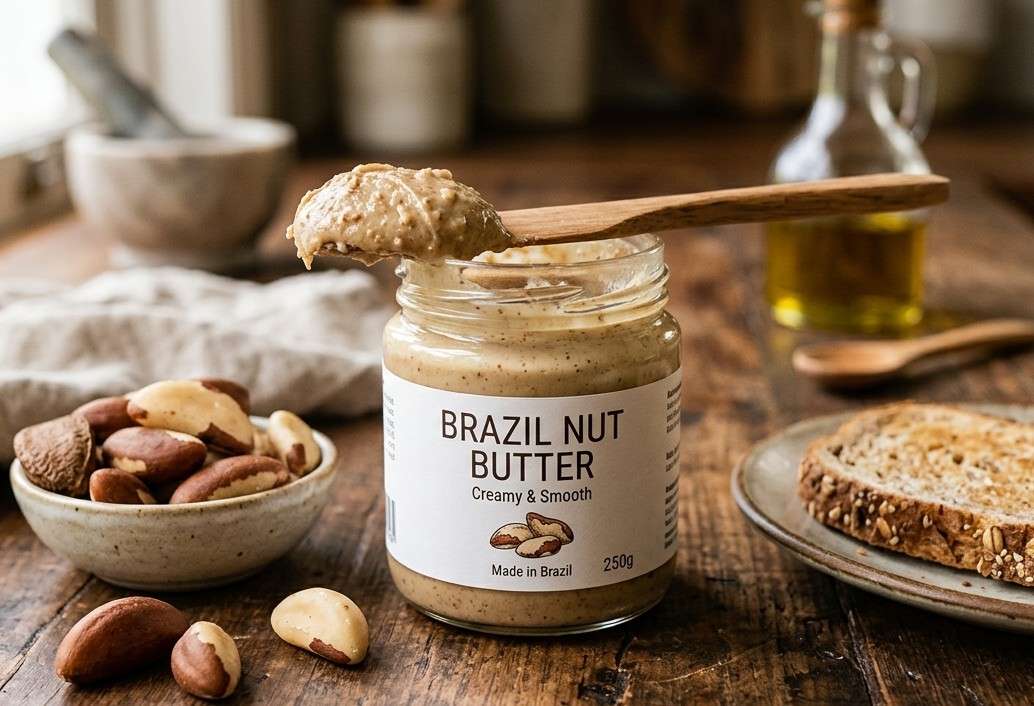
Brazil nut butter is a rich, creamy spread made from finely ground Brazil nuts, one of the most nutrient-dense tree nuts in the world. While peanut butter and almond butter have become pantry staples, Brazil nut butter is gaining attention among health-conscious consumers for its unique nutritional profile, especially its exceptionally high selenium content. Selenium is an essential mineral that supports thyroid function, immune health, antioxidant defense, and reproductive health.
Unlike many commercial nut spreads that contain added sugars, hydrogenated oils, or artificial flavors, pure Brazil nut butter offers a naturally buttery taste with healthy fats, plant-based protein, vitamins, and minerals. It can be enjoyed as a spread, blended into smoothies, stirred into oatmeal, or used in both sweet and savory recipes.
Whether you are looking for a nutrient-rich breakfast option, a healthy snack, or an alternative to traditional nut butters, Brazil nut butter can be a delicious addition to a balanced diet when consumed appropriately.
What is Brazil Nut Butter?
Brazil nut butter is a smooth or crunchy spread made by grinding roasted or raw Brazil nuts until they release their natural oils and transform into a creamy consistency. Some homemade versions contain only Brazil nuts, while commercial varieties may include a small amount of sea salt or natural oil to improve texture.
Brazil nuts come from large trees native to the Amazon rainforest in countries such as Brazil, Bolivia, and Peru. They are among the richest natural sources of selenium, a trace mineral that plays a critical role in protecting cells from oxidative damage and supporting several body functions.
Brazil nut butter has a rich, buttery, slightly sweet flavor with earthy undertones. Compared to peanut butter, it has a creamier texture and a more luxurious taste due to its high healthy fat content.
Because it is naturally gluten-free and suitable for vegetarian and vegan diets, Brazil nut butter is a popular choice for people looking to diversify their sources of healthy fats and plant protein.
Nutrition Facts of Brazil Nut Butter
| Nutrient | Amount (Per 100 g) |
|---|---|
| Calories | 660 kcal |
| Protein | 14 g |
| Total Fat | 67 g |
| Saturated Fat | 16 g |
| Monounsaturated Fat | 24 g |
| Polyunsaturated Fat | 24 g |
| Carbohydrates | 12 g |
| Dietary Fiber | 8 g |
| Natural Sugars | 2 g |
| Calcium | 160 mg |
| Iron | 2.5 mg |
| Magnesium | 370 mg |
| Phosphorus | 720 mg |
| Potassium | 650 mg |
| Zinc | 4 mg |
| Copper | 1.8 mg |
| Selenium | 1,900–2,500 mcg* |
| Vitamin E | 7.5 mg |
| Thiamin (Vitamin B1) | 0.6 mg |
*The selenium content varies depending on where the Brazil nuts are grown.
Note: Nutritional values are approximate and may differ by brand, preparation method, and added ingredients.
20 Proven Health Benefits of Brazil Nut Butter
1. Excellent Source of Selenium – Brazil nut butter is one of the richest natural food sources of selenium, helping support antioxidant defenses, thyroid hormone production, immune function, and overall cellular health.
2. Supports Healthy Thyroid Function – The selenium in Brazil nut butter contributes to the production and activation of thyroid hormones, which regulate metabolism, energy levels, and body temperature.
3. Powerful Antioxidant Protection – Selenium, Vitamin E, and plant compounds help neutralize harmful free radicals that may contribute to oxidative stress and premature aging.
4. Strengthens the Immune System – Regular consumption in moderate amounts provides nutrients that help immune cells function effectively and support the body’s natural defense mechanisms.
5. Promotes Heart Health – Healthy monounsaturated and polyunsaturated fats may help improve cholesterol balance and support cardiovascular health when included as part of a heart-friendly diet.
6. Helps Reduce Inflammation – Antioxidants and healthy fats found in Brazil nut butter may help reduce chronic inflammation associated with various long-term health conditions.
7. Supports Brain Function – Selenium, healthy fats, magnesium, and vitamin E work together to support cognitive performance, memory, and healthy nerve function.
8. Provides Long-Lasting Energy – The combination of healthy fats, plant protein, and essential minerals provides sustained energy without causing rapid spikes in blood sugar.
9. May Improve Cholesterol Levels – Replacing foods high in saturated fats with nutrient-rich nut butters may help increase HDL (“good”) cholesterol while supporting healthy LDL cholesterol levels.
10. Supports Healthy Skin – Vitamin E and selenium help protect skin cells from oxidative damage while supporting healthy skin elasticity and a more youthful appearance.
11. Supports Healthy Hair Growth – Selenium, zinc, vitamin E, and healthy fats contribute to healthy hair follicles, helping maintain stronger, shinier, and healthier-looking hair.
12. Promotes Strong Bones – Brazil nut butter contains magnesium, phosphorus, and calcium, which work together to support bone strength and maintain healthy bone density.
13. Aids Muscle Function – Magnesium and potassium help support normal muscle contraction, relaxation, and recovery after physical activity.
14. Supports Healthy Digestion – The dietary fiber in Brazil nut butter promotes regular bowel movements and supports a healthy digestive system when consumed as part of a balanced diet.
15. Helps Increase Satiety – Its combination of healthy fats, protein, and fiber helps you feel full for longer, which may reduce unnecessary snacking between meals.
16. Supports Healthy Blood Sugar Levels – Because it is naturally low in carbohydrates and rich in healthy fats and protein, Brazil nut butter may help promote more stable blood sugar levels when eaten in moderation.
17. May Support Male Reproductive Health – Selenium plays an important role in sperm production and reproductive function, making moderate intake beneficial for men’s overall reproductive health.
18. Supports Healthy Aging – The antioxidants found in Brazil nut butter help protect cells from oxidative damage, which may contribute to healthier aging over time.
19. Provides Essential Minerals – Brazil nut butter supplies important nutrients such as magnesium, phosphorus, copper, zinc, and iron that support numerous body functions.
20. Fits Well into Plant-Based Diets – As a nutrient-rich plant food, Brazil nut butter provides healthy fats, protein, and minerals that can help meet nutritional needs in vegetarian and vegan eating patterns.
Related Articles:
- Brazil Nut Oil: 20 Benefits, Side Effects & How to Make It
- Grass-Fed Butter: 20 Benefits, Nutrition, Side Effects & How to Make It
- Pecan Butter: 20 Benefits, Nutrition, Side Effects & How to Make It
10 Side Effects of Brazil Nut Butter
1. Risk of Selenium Toxicity – Eating excessive amounts regularly may lead to selenium toxicity, causing symptoms such as brittle nails, hair loss, fatigue, nausea, and a metallic taste in the mouth.
2. May Trigger Tree Nut Allergies – Individuals with tree nut allergies should avoid Brazil nut butter, as it can cause allergic reactions ranging from mild itching to severe anaphylaxis.
3. High in Calories – Brazil nut butter is calorie-dense, and consuming large portions regularly may contribute to weight gain if total calorie intake exceeds daily needs.
4. May Cause Digestive Discomfort – Eating too much at once may lead to bloating, stomach discomfort, or diarrhea in sensitive individuals.
5. Can Cause Stomach Upset – The high fat content may be difficult to digest for some people, especially when consumed in large quantities.
6. Possible Medication Interactions – Individuals taking medications for thyroid conditions or other medical issues should consult a healthcare provider before consuming large amounts regularly.
7. May Contain Added Ingredients – Some commercial products include added sugar, salt, preservatives, or oils that may reduce the overall nutritional quality.
8. Not Suitable for Everyone with Kidney Conditions – People with certain kidney disorders may need to monitor their intake of phosphorus and other minerals found in Brazil nut butter.
9. May Become Rancid if Stored Improperly – Because of its high unsaturated fat content, Brazil nut butter can spoil if exposed to heat, light, or air for extended periods.
10. Excess Intake May Lead to Nutrient Imbalance – Frequently consuming very large amounts may result in excessive selenium intake while displacing other nutrient-rich foods from the diet.
How to Eat Brazil Nut Butter?
Brazil nut butter is versatile and can be enjoyed in many delicious ways. Since it has a naturally rich and creamy texture, it pairs well with both sweet and savory foods.
Some simple ways to eat Brazil nut butter include:
- Spread it on whole-grain toast or sourdough bread.
- Add it to oatmeal or warm porridge.
- Stir it into yogurt for extra creaminess.
- Blend it into smoothies for healthy fats and protein.
- Use it as a dip for apple slices, bananas, pears, or strawberries.
- Spread it on rice cakes or crackers.
- Mix it into overnight oats.
- Add it to homemade energy balls.
- Drizzle it over pancakes or waffles.
- Enjoy a spoonful as a satisfying snack in moderation.
Tips for Consuming Brazil Nut Butter
- Choose products made with 100% Brazil nuts whenever possible.
- Read ingredient labels and avoid varieties with added sugars or hydrogenated oils.
- Stir natural Brazil nut butter before use because the natural oils may separate.
- Consume moderate portions due to its exceptionally high selenium content.
- Pair it with fruits, vegetables, or whole grains for a balanced snack.
- Store it properly to maintain freshness.
- Introduce it gradually if you have never eaten Brazil nuts before.
- Avoid consuming multiple selenium-rich foods in excessive amounts on the same day.
- Use clean, dry utensils to prevent contamination.
- Consult a healthcare professional if you have a tree nut allergy or medical condition.
How to Use Brazil Nut Butter?
Brazil nut butter can be incorporated into many everyday recipes.
Popular uses include:
- Spread on toast or bagels.
- Mixed into oatmeal.
- Blended into smoothies.
- Swirled into yogurt.
- Used in homemade salad dressings.
- Added to protein shakes.
- Mixed into cookie or muffin batter.
- Stirred into soups for added richness.
- Used as a base for creamy sauces.
- Added to homemade granola bars.
- Mixed into overnight oats.
- Used as a filling for dates.
- Spread inside sandwiches.
- Combined with dark chocolate for desserts.
- Used as a topping for fresh fruit.
Other Uses of Brazil Nut Butter
- Healthy Baking Ingredient – Brazil nut butter can replace butter or part of the oil in certain baked goods to add richness and nutrients.
- Smoothie Booster – A spoonful adds creaminess, healthy fats, and plant-based protein to smoothies.
- Homemade Energy Balls – It works well as a binding ingredient in homemade energy bites and protein snacks.
- Creamy Pasta Sauce Base – Brazil nut butter can be blended with herbs, garlic, and plant-based milk to create a creamy pasta sauce.
- Salad Dressing Ingredient – Mixing it with olive oil, lemon juice, and herbs creates a flavorful dressing.
- Healthy Dessert Filling – It can be used as a filling for dates, stuffed figs, or homemade chocolate cups.
- Breakfast Spread – Brazil nut butter makes a nutritious alternative to conventional spreads on toast, pancakes, or waffles.
- Fruit Dip – It pairs well with sliced apples, bananas, pears, and strawberries for a wholesome snack.
- Protein Snack Addition – Stirring it into Greek yogurt or cottage cheese increases flavor and satiety.
- Homemade Granola Mix – It can be mixed with oats, seeds, and dried fruit to create nutrient-rich homemade granola clusters.
How to Make Brazil Nut Butter?
Making Brazil nut butter at home is simple and requires only one main ingredient.
Ingredients:
- 2 cups Brazil nuts
- Optional: Pinch of sea salt
- Optional: 1–2 teaspoons honey or maple syrup
- Optional: 1 teaspoon vanilla extract
- Optional: Cinnamon for flavor
Instructions:
- Preheat the oven to 325°F (163°C).
- Spread the Brazil nuts evenly on a baking tray.
- Roast for 8–10 minutes until lightly golden and fragrant. Avoid over-roasting.
- Let the nuts cool for about 10 minutes.
- Transfer them to a high-powered food processor.
- Blend continuously, scraping down the sides as needed.
- The nuts will first become crumbly, then form a thick paste, and finally turn into a smooth, creamy butter as their natural oils are released.
- Add optional salt, vanilla, cinnamon, or a small amount of natural sweetener if desired.
- Blend for another 1–2 minutes until completely smooth.
- Transfer to a clean, airtight glass jar and store properly.
Homemade Brazil nut butter typically stays fresh for several weeks when refrigerated.
How Much Brazil Nut Butter Can You Eat in a Day?
Brazil nut butter is highly nutritious, but because it contains exceptionally high levels of selenium, moderation is essential. Unlike peanut or almond butter, Brazil nut butter should not be consumed in large amounts every day.
For most healthy adults, 1–2 teaspoons (10–15 g) per day is generally sufficient to obtain its nutritional benefits without exceeding the recommended selenium intake. This amount typically provides healthy fats, protein, and essential minerals while helping you stay within safe selenium limits.
People who regularly eat whole Brazil nuts or take selenium supplements should be especially mindful of their total daily selenium intake. Consuming excessive amounts over a prolonged period may increase the risk of selenium toxicity.
If you are pregnant, breastfeeding, have thyroid disease, kidney disease, or another chronic health condition, consult your healthcare provider or a registered dietitian before making Brazil nut butter a daily part of your diet.
The appropriate amount depends on your age, health status, and overall diet.
| Group | Recommended Amount |
|---|---|
| Healthy adults | 1–2 teaspoons (10–15 g) daily |
| Active individuals | Up to 1 tablespoon (15–20 g) occasionally as part of a balanced diet |
| Children | Small portions only and under adult supervision, depending on age and allergy status |
| Pregnant or breastfeeding women | Consume in moderation after consulting a healthcare professional |
| Older adults | 1–2 teaspoons daily if tolerated and approved by their healthcare provider |
Important: Avoid combining large servings of Brazil nut butter with multiple selenium supplements unless advised by a healthcare professional.
Best Time to Eat Brazil Nut Butter
There is no single “best” time to eat Brazil nut butter, but certain times may help maximize its benefits.
- Breakfast: Spread it on whole-grain toast or stir it into oatmeal for sustained morning energy.
- Mid-Morning Snack: Pair it with fresh fruit to help keep you satisfied until lunch.
- Pre-Workout: A small serving 30–60 minutes before exercise provides healthy fats and lasting energy.
- Post-Workout: Combine it with yogurt, fruit, or a protein smoothie to support recovery.
- Afternoon Snack: It can help reduce hunger between meals.
- Evening: A small amount can be part of a balanced snack, but avoid excessive portions close to bedtime if heavy foods affect your digestion.
Who Should Eat Brazil Nut Butter?
- People Looking to Increase Selenium Intake – Individuals with low dietary selenium intake may benefit from moderate consumption as part of a balanced diet.
- Vegetarians and Vegans – Brazil nut butter provides healthy fats, plant protein, and essential minerals that support plant-based eating patterns.
- People Seeking Heart-Healthy Fats – Those looking to replace less healthy fats with unsaturated fats may benefit from moderate servings.
- Athletes and Active Individuals – Healthy fats and minerals help support energy production and muscle function.
- People Wanting Longer-Lasting Fullness – The combination of protein, fiber, and healthy fats may help increase satiety between meals.
- Individuals Supporting Thyroid Health – Selenium contributes to normal thyroid hormone metabolism, making moderate intake beneficial for many healthy adults.
- Adults Following a Whole-Food Diet – Brazil nut butter can be a nutrient-rich alternative to highly processed spreads.
- People Interested in Antioxidant-Rich Foods – Selenium and vitamin E help protect cells from oxidative stress.
- Individuals Seeking Nutrient-Dense Snacks – A small serving provides several essential vitamins and minerals in a convenient form.
- People Following Gluten-Free Diets – Pure Brazil nut butter is naturally gluten-free when produced without cross-contamination.
Who Should Not Eat Brazil Nut Butter?
- People with Tree Nut Allergies – Individuals allergic to tree nuts should avoid Brazil nut butter because it can trigger severe allergic reactions.
- People Already Taking High-Dose Selenium Supplements – Combining supplements with frequent Brazil nut butter consumption may result in excessive selenium intake.
- Individuals with Selenium Toxicity – Anyone diagnosed with selenium excess should avoid additional dietary sources unless advised otherwise.
- People on Medically Restricted Diets – Those advised to limit phosphorus or potassium due to kidney disease should consult their healthcare provider before consuming it regularly.
- People Sensitive to High-Fat Foods – Some individuals may experience digestive discomfort after eating large amounts.
- Infants – Nut butters should only be introduced according to pediatric feeding guidelines and in age-appropriate forms to reduce choking risk.
- People with Unexplained Allergic Symptoms – Anyone experiencing itching, swelling, or breathing difficulty after eating tree nuts should seek medical advice immediately.
- Individuals Trying to Limit Calories – Because Brazil nut butter is calorie-dense, portion control is important during weight-management plans.
How to Store Brazil Nut Butter?
- Store in an Airtight Container – Keep Brazil nut butter in a tightly sealed glass or food-grade container to reduce exposure to air.
- Refrigerate After Opening – Refrigeration helps preserve freshness and slows the natural oxidation of its healthy fats.
- Keep Away from Heat – Avoid storing it near ovens, stoves, or direct sunlight, as heat can speed up spoilage.
- Use Clean, Dry Utensils – Always use a clean spoon or knife to prevent contamination and moisture buildup.
- Stir Before Use – Natural oil separation is normal; simply stir well before serving.
- Check for Changes in Smell or Taste – Discard the butter if it develops an unpleasant odor, bitter flavor, or signs of mold.
- Label Homemade Batches – Mark the preparation date so you can monitor freshness.
- Avoid Frequent Temperature Changes – Keeping the butter at a consistent temperature helps maintain its texture and quality.
Precautions and Interactions
- Avoid Excessive Daily Intake – Too much Brazil nut butter may contribute to selenium toxicity over time.
- Monitor Total Selenium Consumption – Consider selenium from supplements, multivitamins, and other foods when planning your diet.
- Be Aware of Nut Allergies – Anyone with a known tree nut allergy should avoid Brazil nut butter unless advised otherwise by an allergy specialist.
- Consult a Healthcare Provider During Pregnancy – Pregnant and breastfeeding women should consume moderate amounts and seek personalized advice if needed.
- Use Caution with Kidney Disease – Individuals with kidney disorders should discuss appropriate portion sizes with their healthcare provider.
- Read Ingredient Labels Carefully – Choose products without excessive added sugar, sodium, or hydrogenated oils.
- Introduce Gradually – If you have never eaten Brazil nuts before, start with a very small amount to assess tolerance.
- Watch Portion Sizes – Although nutritious, Brazil nut butter is energy-dense and should be consumed in moderation.
- Store Properly to Maintain Quality – Proper storage helps reduce the risk of rancidity and preserves flavor.
- Seek Medical Advice if Symptoms Occur – Stop consuming Brazil nut butter and consult a healthcare professional if you experience signs of an allergic reaction or symptoms of selenium excess.
FAQ’s
Is Brazil Nut Butter safe for pregnant women?
Yes, Brazil nut butter can be safe during pregnancy when eaten in small amounts, but because it is extremely high in selenium, pregnant women should avoid excessive intake and consult their healthcare provider before consuming it regularly.
What is Brazil nut butter good for?
Brazil nut butter is rich in healthy fats, selenium, protein, and antioxidants that support thyroid function, heart health, immune function, and overall wellness.
Is Brazil nut butter healthy?
Yes. When eaten in moderation, pure Brazil nut butter is a nutrient-dense spread that provides essential vitamins, minerals, and healthy fats.
Can I eat Brazil nut butter every day?
Yes, but only in small amounts. About 1–2 teaspoons (10–15 g) per day is generally sufficient because Brazil nuts are extremely high in selenium.
Does Brazil nut butter help the thyroid?
Brazil nut butter contains selenium, an essential mineral that supports normal thyroid hormone production and function.
Is Brazil nut butter good for weight loss?
It can support weight management by promoting fullness due to its healthy fats, protein, and fiber, but portion control is important because it is calorie-dense.
Is Brazil nut butter high in protein?
It provides a moderate amount of plant-based protein, making it a nutritious addition to a balanced diet.
Does Brazil nut butter contain selenium?
Yes. Brazil nut butter is one of the richest natural dietary sources of selenium.
Is Brazil nut butter suitable for vegans?
Yes. Pure Brazil nut butter made from 100% Brazil nuts is naturally vegan and vegetarian-friendly.
Can people with diabetes eat Brazil nut butter?
Yes, in moderation. Unsweetened Brazil nut butter is low in carbohydrates and can be included as part of a balanced, diabetes-friendly diet after consulting a healthcare professional.
Is Brazil nut butter gluten-free?
Yes. Pure Brazil nut butter is naturally gluten-free, but always check the label for possible cross-contamination if you have celiac disease or gluten sensitivity.
Can children eat Brazil nut butter?
Yes, in small, age-appropriate portions if they do not have a tree nut allergy. Introduce it according to your pediatrician’s advice.
What does Brazil nut butter taste like?
Brazil nut butter has a rich, creamy, buttery flavor with a slightly sweet and earthy taste.
Sources / References:
- National Institutes of Health (NIH) – Office of Dietary Supplements: Selenium
- U.S. Department of Agriculture (USDA) FoodData Central
- Harvard T.H. Chan School of Public Health – The Nutrition Source: Nuts
- Academy of Nutrition and Dietetics
- American Heart Association – Healthy Eating
- World Health Organization (WHO) – Healthy Diet
- MedlinePlus – Selenium
- European Food Safety Authority (EFSA) – Dietary Reference Values
Also Read:
- Hazelnut Butter: 20 Benefits, Nutrition, Side Effects & How to Make It
- Sunflower Seed Butter: 20 Benefits, Side Effects & How to Make It
- Walnut Butter: 20 Benefits, Nutrition, Side Effects & How to Make It
About the Author:
Written by: Kirti Solanki (Health Content Researcher)
Kirti Solanki is a Health Content Researcher who creates evidence-based nutrition and wellness content using trusted scientific sources to provide accurate, practical, and reader-friendly health information.
Disclaimer:
This guide is for informational and educational purposes only and is not a substitute for professional medical advice, diagnosis, or treatment. Always consult a qualified healthcare provider before making significant dietary or lifestyle changes.