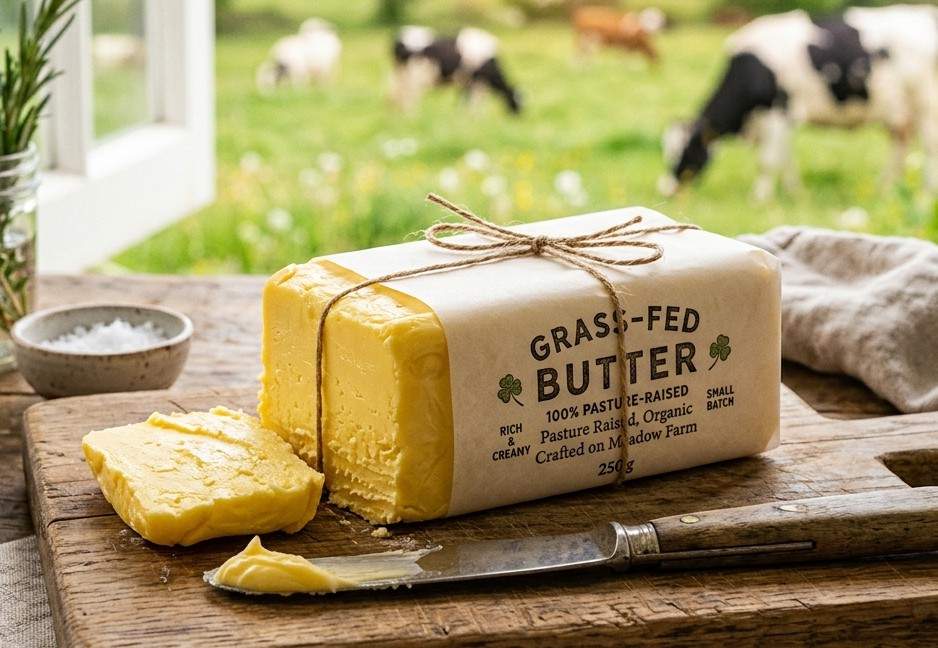
Butter has been a staple food for centuries, but not all butter is created equal. In recent years, grass-fed butter has gained popularity among health-conscious consumers due to its superior nutritional profile and rich flavor. Unlike conventional butter made from the milk of grain-fed cows, grass-fed butter comes from cows that graze primarily on fresh grass and forage. This natural diet can increase the butter’s content of beneficial nutrients such as omega-3 fatty acids, vitamin K2, beta-carotene, and conjugated linoleic acid (CLA).
Many people choose grass-fed butter because they believe it is a healthier alternative to regular butter. While it still contains saturated fat and should be enjoyed in moderation, research suggests that grass-fed butter provides several nutrients that may support heart health, brain function, bone health, and overall wellness when included as part of a balanced diet.
This guide explores everything you need to know about grass-fed butter (also known as pastured butter or pasture-raised butter), including its nutrition facts, proven health benefits, potential side effects, and practical ways to incorporate it into your diet.
What is Grass-Fed Butter?
Grass-fed butter is a type of butter produced from the milk of cows that spend most of their lives grazing on fresh pasture rather than being fed primarily grains or processed feed. Because the cows consume a natural grass-based diet, the milk they produce contains different fatty acids and vitamins compared to milk from conventionally raised cows.
Grass-fed butter typically has a deeper yellow color due to its higher beta-carotene content. It is also known for its richer, creamier taste and softer texture.
Some of the key nutrients found in grass-fed butter include:
- Healthy saturated fats
- Monounsaturated fats
- Omega-3 fatty acids
- Conjugated Linoleic Acid (CLA)
- Vitamin A
- Vitamin D
- Vitamin E
- Vitamin K2
- Butyrate
- Beta-carotene
These nutrients contribute to many of the health benefits associated with grass-fed butter.
Nutrition Facts of Grass-Fed Butter
| Nutrient | Amount (Per 1 tablespoon (14 grams) |
|---|---|
| Calories | 100 kcal |
| Total Fat | 11.5 g |
| Saturated Fat | 7.3 g |
| Monounsaturated Fat | 3.0 g |
| Polyunsaturated Fat | 0.4 g |
| Cholesterol | 30 mg |
| Protein | 0.1 g |
| Carbohydrates | 0 g |
| Sugar | 0 g |
| Sodium | 2–5 mg (unsalted) |
| Vitamin A | 11% DV |
| Vitamin D | Small amounts |
| Vitamin E | Small amounts |
| Vitamin K2 | Higher than conventional butter |
| Calcium | Trace |
| Phosphorus | Trace |
| Potassium | Trace |
| Omega-3 Fatty Acids | Higher than regular butter |
| Conjugated Linoleic Acid (CLA) | Higher than regular butter |
| Butyrate | Naturally present |
Note: Nutrient values may vary depending on the cow’s diet, season, and manufacturer.
20 Proven Health Benefits of Grass-Fed Butter
1. Rich in Healthy Fats – Grass-fed butter supplies natural dietary fats that help provide energy and support normal cell function.
2. Excellent Source of Vitamin A – It contains vitamin A, an essential nutrient that supports healthy vision, immune function, and skin health.
3. Contains More Omega-3 Fatty Acids – Compared with conventional butter, grass-fed butter provides higher amounts of omega-3 fats, which contribute to overall cardiovascular and brain health.
4. Provides Conjugated Linoleic Acid (CLA) – Grass-fed butter is naturally richer in CLA, a fatty acid that has been studied for its potential role in supporting body composition and metabolic health.
5. Supports Bone Health – Its vitamin K2 content helps regulate calcium metabolism and contributes to maintaining strong bones.
6. Promotes Heart Health When Consumed in Moderation – The balance of healthy fats and fat-soluble vitamins may support cardiovascular health as part of an overall nutritious diet.
7. Contains Natural Butyrate – Grass-fed butter provides butyrate, a short-chain fatty acid that serves as an energy source for cells lining the digestive tract.
8. May Improve Gut Health – The naturally occurring butyrate may help support the health and function of the intestinal lining.
9. Supports Brain Function – Healthy fats found in grass-fed butter contribute to normal brain development, nerve function, and cognitive performance.
10. Boosts Nutrient Absorption – The fat in grass-fed butter helps the body absorb fat-soluble vitamins such as vitamins A, D, E, and K.
11. Rich in Antioxidants – Beta-carotene and vitamin E provide antioxidant protection that helps defend cells from oxidative stress.
12. Supports Healthy Skin – Vitamins A and E contribute to maintaining healthy skin and may help keep it moisturized.
13. Promotes Eye Health – Vitamin A plays a vital role in maintaining normal vision and supporting eye function.
14. Helps Maintain Hormonal Balance – Healthy fats are important building blocks for hormone production throughout the body.
15. Supports Immune Function – Vitamins A and D contribute to the normal functioning of the immune system.
16. Naturally Low in Carbohydrates – Grass-fed butter contains virtually no carbohydrates, making it suitable for low-carb and ketogenic eating patterns.
17. Enhances Flavor Naturally – Its rich, creamy taste makes healthy meals more enjoyable without relying on artificial flavor enhancers.
18. Provides Long-Lasting Energy – The fat content offers a slow and steady source of energy, helping increase satiety between meals.
19. May Support Healthy Weight Management – When eaten in moderation within a balanced diet, its satisfying fat content may help reduce hunger and support portion control.
20. Less Processed Than Many Spreads – Grass-fed butter is generally made from simple ingredients, making it an appealing choice for those seeking minimally processed foods.
Related Articles:
- Pecan Butter: 20 Benefits, Nutrition, Side Effects & How to Make It
- Hazelnut Butter: 20 Benefits, Nutrition, Side Effects & How to Make It
- Sunflower Seed Butter: 20 Benefits, Side Effects & How to Make It
10 Side Effects of Grass-Fed Butter
While grass-fed butter contains valuable nutrients, it is still high in saturated fat and calories. Eating excessive amounts may not be suitable for everyone.
1. High in Calories – Consuming large amounts of grass-fed butter can increase calorie intake and may contribute to unwanted weight gain.
2. Rich in Saturated Fat – Although saturated fat can be part of a balanced diet, excessive intake may increase LDL (“bad”) cholesterol in some individuals.
3. May Increase Cholesterol Levels – People who are sensitive to saturated fat may experience elevated blood cholesterol after consuming too much butter.
4. Not Suitable for Milk Allergy – Grass-fed butter contains milk proteins that can trigger allergic reactions in people with a dairy allergy.
5. Contains Small Amounts of Lactose – Although butter is low in lactose, individuals with severe lactose intolerance may still experience digestive discomfort.
6. May Cause Digestive Upset – Eating large quantities of butter may lead to bloating, stomach discomfort, or indigestion in some people.
7. Can Contribute to Weight Gain – Regularly consuming excessive amounts without balancing total calorie intake may increase body weight over time.
8. Not Ideal for Certain Heart Conditions – Individuals advised to follow a low-saturated-fat diet should consult their healthcare provider before increasing butter consumption.
9. May Trigger Acne in Some Individuals – Some people report that excessive dairy intake may worsen acne, although research findings remain mixed.
10. Can Replace Healthier Fats if Overused – Relying heavily on butter instead of healthier unsaturated fats such as olive oil, nuts, seeds, and avocados may reduce overall diet quality.
How to Eat Grass-Fed Butter?
Grass-fed butter is versatile and can be enjoyed in many delicious ways. Moderation is key to gaining its nutritional benefits while maintaining a balanced diet.
Some common ways to eat grass-fed butter include:
- Spread it on whole-grain toast.
- Melt it over steamed vegetables.
- Add it to baked sweet potatoes.
- Cook eggs with grass-fed butter.
- Use it when sautéing vegetables.
- Stir a small amount into oatmeal for extra richness.
- Spread it on corn on the cob.
- Use it while roasting vegetables.
- Add it to mashed potatoes.
- Mix it into cooked rice or quinoa.
- Use it in homemade sauces.
- Spread it on homemade bread.
- Add a small amount to soups for a creamy texture.
- Use it in baking recipes.
- Blend a small amount into coffee if following a ketogenic diet and under professional guidance.
Tips for Consuming Grass-Fed Butter
- Choose 100% grass-fed butter whenever possible.
- Read ingredient labels and avoid products with unnecessary additives.
- Consume butter in moderation as part of a balanced diet.
- Pair butter with fiber-rich foods like vegetables and whole grains.
- Balance saturated fat intake with healthy unsaturated fats.
- Store butter properly to preserve freshness.
- Prefer unsalted varieties if limiting sodium intake.
- Avoid overheating butter for prolonged periods to minimize nutrient loss.
- Include a variety of healthy fat sources in your diet.
- Consult a healthcare professional if you have heart disease or high cholesterol.
How to Use Grass-Fed Butter?
Grass-fed butter is useful in both cooking and baking because of its rich flavor and creamy texture.
Popular culinary uses include:
- Frying eggs
- Scrambling eggs
- Sautéing vegetables
- Roasting vegetables
- Baking cookies
- Baking cakes
- Making pie crusts
- Preparing muffins
- Buttering toast
- Making grilled cheese sandwiches
- Mixing into mashed potatoes
- Preparing garlic butter
- Making herb butter
- Flavoring pasta
- Cooking seafood
- Finishing grilled steak
- Making creamy sauces
- Preparing popcorn
- Greasing baking pans
- Adding richness to soups
Other Uses of Grass-Fed Butter
1. Homemade Herb Butter – Mix grass-fed butter with fresh herbs to create a flavorful spread for bread, vegetables, or grilled meats.
2. Baking Ingredient – Use it as a natural fat source in cakes, cookies, muffins, and pastries.
3. Vegetable Topping – Melt it over steamed vegetables to enhance both flavor and texture.
4. Sauce Base – Use it as the foundation for butter-based sauces such as garlic butter or lemon butter.
5. Pan Greasing – Coat baking dishes and pans with butter to help prevent food from sticking.
6. Popcorn Seasoning – Drizzle melted grass-fed butter over freshly popped popcorn for a classic snack.
7. Mashed Potato Enhancer – Blend it into mashed potatoes for a creamier consistency and richer taste.
8. Toast Spread – Spread it on warm toast, bagels, or English muffins for a simple breakfast.
9. Flavor Booster – Stir a small amount into cooked grains, pasta, or soups to add richness.
10. Compound Butter – Combine it with spices, citrus zest, or roasted garlic to make flavored butter for various dishes.
How to Make Grass-Fed Butter?
Making butter at home is simple if you have access to fresh grass-fed heavy cream.
Ingredients:
- 2 cups grass-fed heavy cream
- Ice-cold water
- Pinch of salt (optional)
Instructions:
- Pour the grass-fed heavy cream into a food processor, stand mixer, or blender.
- Whip the cream until it first becomes whipped cream.
- Continue mixing until the butter separates from the liquid (buttermilk).
- Strain the buttermilk into a separate container.
- Rinse the butter under cold water while gently kneading to remove any remaining buttermilk.
- Repeat rinsing until the water runs clear.
- Add a pinch of salt if desired and mix thoroughly.
- Shape the butter into a block or place it in an airtight container.
- Refrigerate before using.
Homemade Tip:
The leftover buttermilk can be used in pancakes, biscuits, muffins, or other baking recipes to reduce food waste.
How Much Grass-Fed Butter Can You Eat in a Day?
There is no official recommended daily intake specifically for grass-fed butter. The right amount depends on your age, activity level, overall calorie needs, and health conditions. Since grass-fed butter is rich in calories and saturated fat, it is best enjoyed in moderation as part of a balanced diet.
For most healthy adults:
- 1–2 tablespoons (14–28 grams) per day can generally fit into a healthy eating pattern when total saturated fat intake remains within recommended limits.
- If you regularly consume other high-fat dairy products, fatty meats, or processed foods, you may need to eat less butter to avoid excessive saturated fat intake.
- Individuals with high cholesterol, cardiovascular disease, obesity, or other medical conditions should consult a healthcare professional or registered dietitian for personalized advice.
Remember that grass-fed butter should complement a diet rich in fruits, vegetables, whole grains, legumes, nuts, seeds, lean proteins, and healthy unsaturated fats.
Although grass-fed butter is a food rather than a supplement, moderation is important.
| Age Group | Suggested Daily Amount |
|---|---|
| Children (5–12 years) | 1–2 teaspoons |
| Teenagers | 1–2 teaspoons |
| Healthy Adults | 1–2 tablespoons |
| Older Adults | 1 tablespoon or as advised by a healthcare provider |
| Athletes | May consume slightly more depending on calorie needs and dietary goals |
| Ketogenic Diet Followers | Intake varies based on the overall nutrition plan and should ideally be guided by a qualified healthcare professional or dietitian |
Note: These are general dietary suggestions and not medical recommendations. Individual needs vary based on health status and total dietary intake.
Best Time to Eat Grass-Fed Butter
Grass-fed butter can be enjoyed at any time of the day as part of a balanced meal.
Breakfast
Adding grass-fed butter to whole-grain toast, eggs, or oatmeal can provide lasting energy and enhance flavor.
Lunch
Use butter in cooked vegetables, whole grains, or homemade sauces for a satisfying meal.
Dinner
A small amount of butter can enhance roasted vegetables, baked potatoes, fish, or lean meats.
Before Physical Activity
Some individuals following low-carbohydrate or ketogenic diets may include a small amount of butter for additional energy, although this may not be suitable for everyone.
With Fat-Soluble Vitamins
Eating grass-fed butter alongside foods rich in vitamins A, D, E, and K may help improve the absorption of these nutrients.
Who Should Eat Grass-Fed Butter?
- Healthy Adults – Grass-fed butter can be included in moderation as part of a balanced diet to provide healthy fats and fat-soluble vitamins.
- Growing Children – Children may benefit from small amounts of butter as part of a nutrient-rich diet that supports growth and development.
- Athletes – Active individuals may use grass-fed butter as one source of dietary fat to help meet increased energy requirements.
- People Following Low-Carbohydrate Diets – Individuals following low-carb or ketogenic eating plans often include grass-fed butter as a source of dietary fat.
- Older Adults – Moderate intake may contribute fat-soluble vitamins and energy when incorporated into a balanced diet.
- Home Cooks and Bakers – Grass-fed butter provides rich flavor and texture for preparing nutritious homemade meals.
- People Seeking Less Processed Foods – Those looking for simple, minimally processed ingredients may prefer grass-fed butter over highly processed spreads.
- Individuals Looking to Increase Vitamin K2 Intake – Grass-fed butter naturally contains more vitamin K2 than conventional butter, although it should not be relied upon as the sole source.
Who Should Not Eat Grass-Fed Butter?
- People with a Milk Allergy – Grass-fed butter contains milk proteins that may trigger allergic reactions.
- Individuals with Severe Lactose Intolerance – Although butter is low in lactose, sensitive individuals may still experience symptoms.
- People with High LDL Cholesterol – Those advised to limit saturated fat intake should discuss butter consumption with their healthcare provider.
- Individuals with Certain Heart Conditions – People following medically prescribed low-saturated-fat diets may need to restrict butter intake.
- People Trying to Lose Weight Through Calorie Restriction – Because butter is calorie-dense, portion control is important.
- Individuals with Gallbladder Disorders – High-fat foods may worsen symptoms in some people with gallbladder disease.
- People with Fat Malabsorption Disorders – Certain digestive conditions may affect the body’s ability to digest dietary fats efficiently.
- Anyone Advised to Avoid Dairy Products – Individuals instructed by a healthcare professional to eliminate dairy should avoid grass-fed butter unless otherwise advised.
How to Store Grass-Fed Butter?
- Refrigerate After Opening – Keep butter refrigerated to maintain freshness and flavor.
- Use an Airtight Container – Proper storage helps prevent the butter from absorbing odors from other foods.
- Keep Away from Light – Protect butter from direct sunlight to preserve its quality.
- Freeze for Long-Term Storage – Butter can be frozen for several months without significant loss of quality.
- Use Clean Utensils – Always use a clean knife or spoon to reduce contamination.
- Avoid Frequent Temperature Changes – Repeated warming and cooling may shorten shelf life.
- Check the Expiration Date – Consume butter before the recommended date for the best taste and quality.
- Discard if Spoiled – Do not consume butter that develops an unpleasant smell, mold, or unusual discoloration.
Precautions and Interactions
- Consume in Moderation – Even though grass-fed butter is nutrient-rich, excessive intake may increase saturated fat and calorie consumption.
- Monitor Cholesterol Levels – Individuals with elevated cholesterol should discuss appropriate intake with their healthcare provider.
- Consider Total Dietary Fat Intake – Balance butter with healthy unsaturated fats such as olive oil, nuts, seeds, and avocados.
- Check for Dairy Allergy – Avoid butter if you have a confirmed allergy to milk proteins.
- Use Caution with Lactose Intolerance – Start with small amounts if you are sensitive to dairy products.
- Consult Your Doctor During Pregnancy – Grass-fed butter is generally safe as a food, but pregnant women should follow individualized dietary guidance from their healthcare provider.
- Discuss with a Dietitian if Following a Therapeutic Diet – People on heart-healthy, weight-loss, or medically prescribed diets should seek personalized advice.
- Be Mindful of Portion Sizes – Measuring servings can help prevent excessive calorie intake.
- No Major Food Interactions – Grass-fed butter has no widely recognized significant food interactions when eaten as part of a balanced diet.
- Medication Considerations – There are no well-established medication interactions with grass-fed butter, but people with chronic medical conditions should follow advice from their healthcare provider.
FAQ’s
Is grass-fed butter healthier than regular butter?
Grass-fed butter generally contains higher levels of omega-3 fatty acids, conjugated linoleic acid (CLA), vitamin K2, and beta-carotene than regular butter. However, both should be consumed in moderation.
What does grass-fed butter taste like?
Grass-fed butter has a rich, creamy flavor with a slightly earthy taste and a deeper yellow color due to its higher beta-carotene content.
Can I eat grass-fed butter every day?
Yes, most healthy adults can enjoy 1–2 tablespoons of grass-fed butter daily as part of a balanced diet, provided their overall saturated fat intake remains within recommended limits.
Is grass-fed butter good for weight loss?
Grass-fed butter is calorie-dense, so it is not a weight-loss food. However, moderate amounts may help increase fullness when included in a calorie-controlled, balanced diet.
Does grass-fed butter contain lactose?
Grass-fed butter contains only small amounts of lactose, making it tolerable for many people with mild lactose intolerance. However, those with severe intolerance should be cautious.
Is grass-fed butter keto-friendly?
Yes. Grass-fed butter is very low in carbohydrates and is commonly included in ketogenic and low-carbohydrate diets.
Is grass-fed butter good for heart health?
Grass-fed butter contains beneficial nutrients such as omega-3 fatty acids and vitamin K2, but it is also high in saturated fat. It should be eaten in moderation as part of an overall heart-healthy diet.
Can people with high cholesterol eat grass-fed butter?
People with high cholesterol should consult their healthcare provider before regularly consuming grass-fed butter, as individual dietary recommendations may vary.
Is grass-fed butter good for cooking?
Yes. Grass-fed butter is excellent for sautéing, baking, roasting, spreading on bread, and enhancing the flavor of many dishes.
Can children eat grass-fed butter?
Yes. Children can enjoy small amounts of grass-fed butter as part of a balanced diet, unless they have a dairy allergy or another medical condition requiring dietary restrictions.
Is grass-fed butter safe during pregnancy?
Pastured butter is generally safe to consume during pregnancy when eaten in moderation as part of a healthy diet. Pregnant women should follow their healthcare provider’s dietary advice.
Does grass-fed butter contain protein?
Pastured butter contains only trace amounts of protein and is primarily a source of dietary fat.
Can I use grass-fed butter instead of regular butter?
Yes. Pastured butter can be used as a direct substitute for regular butter in cooking, baking, and spreading, while offering a richer flavor and a slightly different nutrient profile.
What is Grass-Fed Butter good for?
Pastured butter is rich in healthy fats, vitamin A, vitamin K2, omega-3s, and CLA. In moderation, it may support bone, heart, brain, and eye health.
What is grass-fed butter in India?
Pastured butter in India is made from the milk of pasture-raised cows that mainly graze on grass. Check the label for “100% grass-fed” when buying.
Which Australian butter is grass-fed?
Popular Australian grass-fed butter brands include Pepe Saya, Western Star Grass Fed, and Mainland Grass Fed. Availability may vary.
Which butter is 100% grass-fed?
Examples of 100% grass-fed butter include Kerrygold, Truly Grass Fed, Organic Valley Grassmilk, and selected Anchor Grass Fed products. Always verify the label before purchasing.
Sources / References:
- Harvard T.H. Chan School of Public Health – The Nutrition Source (Fats and Cholesterol)
- U.S. Department of Agriculture – FoodData Central
- National Institutes of Health – Office of Dietary Supplements
- American Heart Association – Healthy Eating
- Cleveland Clinic – Nutrition and Healthy Fats
- Mayo Clinic – Healthy Lifestyle Nutrition
- Academy of Nutrition and Dietetics
Also Read:
- Shea Butter: 20 Benefits, Uses, Side Effects & How to Make It
- Cashew Butter: 20 Benefits, Nutrition, Side Effects & How to Make It
- Walnut Butter: 20 Benefits, Nutrition, Side Effects & How to Make It
About the Author:
Written by: Kirti Solanki (Health Content Researcher)
Kirti Solanki is a Health Content Researcher who specializes in creating evidence-based, reader-friendly nutrition and wellness articles. Every article is carefully researched using credible medical resources, government health organizations, and peer-reviewed scientific literature to provide accurate, practical, and up-to-date health information.
Disclaimer:
This guide is intended for educational and informational purposes only and should not be considered medical advice, diagnosis, or treatment. The information provided is based on currently available scientific evidence and reputable health sources but may not apply to every individual. Always consult a qualified physician, registered dietitian, or other licensed healthcare professional before making significant changes to your diet, especially if you are pregnant, breastfeeding, have a medical condition, or take prescription medications.