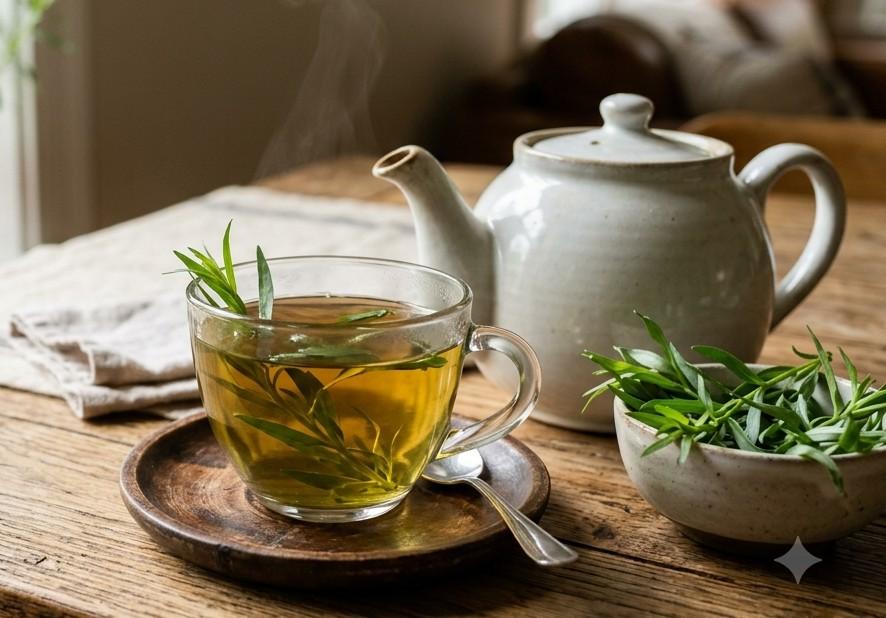
Tarragon tea is a fragrant herbal infusion made from the leaves of the tarragon plant (Artemisia dracunculus). Known for its mildly sweet, licorice-like flavor with subtle hints of anise and pepper, this herbal tea has been used in traditional European and Asian herbal practices for centuries. While tarragon is widely recognized as a culinary herb, its tea is becoming increasingly popular among health-conscious individuals looking for a naturally caffeine-free beverage with potential wellness benefits.
Tarragon contains several plant compounds, including flavonoids, polyphenols, essential oils, vitamins, and minerals that contribute to its antioxidant and anti-inflammatory properties. Although many traditional uses have been passed down through generations, modern research continues to explore its effects on digestion, sleep, blood sugar regulation, and overall health.
This guide covers everything you need to know about tarragon tea, including its nutrition, science-backed benefits, possible side effects, preparation method, recommended intake, precautions, and more.
What is Tarragon Tea?
Tarragon tea is an herbal beverage prepared by steeping fresh or dried tarragon leaves in hot water. The herb belongs to the Asteraceae family, the same plant family as chamomile, dandelion, and sunflower.
There are several varieties of tarragon, but French tarragon is considered the highest quality for culinary and herbal use due to its rich aroma and flavor. Russian tarragon is less aromatic and is used less frequently for tea.
Unlike black or green tea, tarragon tea naturally contains no caffeine, making it suitable for people who want a relaxing herbal drink throughout the day or before bedtime.
Nutritional Facts of Tarragon Tea
Since herbal tea is made by steeping leaves rather than consuming the entire herb, nutrient levels are relatively low. However, tarragon naturally contains several beneficial plant compounds.
| Nutrient | Approximate Amount per Cup |
|---|---|
| Calories | 0–2 kcal |
| Carbohydrates | Less than 1 g |
| Protein | 0 g |
| Fat | 0 g |
| Fiber | 0 g |
| Vitamin A | Trace |
| Vitamin C | Trace |
| Potassium | Small amount |
| Calcium | Small amount |
| Magnesium | Small amount |
| Iron | Small amount |
| Manganese | Trace |
| Polyphenols | Present |
| Flavonoids | Present |
| Essential Oils | Present |
| Caffeine | 0 mg |
Values vary depending on the quantity of tarragon used and brewing time.
20 Science-Backed Benefits of Tarragon Tea
- Rich in Antioxidants: Tarragon contains antioxidants that help protect cells from oxidative stress caused by free radicals.
- May Support Healthy Digestion: Traditionally, tarragon has been used to ease indigestion, bloating, and stomach discomfort.
- May Help Reduce Gas: Herbal compounds may support smoother digestion and decrease excess intestinal gas.
- Supports Appetite: Tarragon has historically been used to stimulate appetite in individuals with poor food intake.
- May Promote Better Sleep: Certain natural compounds in tarragon may encourage relaxation and restful sleep.
- May Help Manage Blood Sugar: Preliminary studies suggest tarragon extracts may improve insulin sensitivity and glucose metabolism.
- Supports Heart Health: Antioxidants may contribute to healthy blood vessels and overall cardiovascular function.
- May Help Reduce Inflammation: Polyphenols and flavonoids may help lower inflammation in the body.
- Supports Immune Function: Antioxidant-rich herbs help support the body’s natural immune defenses.
- May Ease Mild Menstrual Discomfort: Traditional herbal medicine has used tarragon to support women’s reproductive wellness.
- May Relieve Mild Muscle Discomfort: Some herbal compounds may provide gentle relief from everyday muscle aches.
- Supports Healthy Metabolism: Bioactive compounds may contribute to efficient metabolic function.
- May Help Freshen Breath: Tarragon’s aromatic oils may naturally reduce unpleasant mouth odor.
- May Support Healthy Gut Function: Herbal compounds may encourage balanced digestive activity.
- May Reduce Occasional Nausea: Traditionally consumed to soothe mild digestive upset.
- Supports Healthy Aging: Antioxidants help protect tissues from age-related oxidative damage.
- May Promote Relaxation: Naturally caffeine-free tea may help calm the nervous system.
- Contains Beneficial Plant Compounds: Tarragon provides flavonoids, coumarins, and phenolic compounds linked to health benefits.
- May Support Healthy Circulation: Some studies suggest herbal antioxidants may contribute to improved circulation.
- A Healthy Caffeine-Free Beverage: Tarragon tea offers hydration without caffeine, making it suitable for evening consumption.
10 Side Effects of Tarragon Tea
- May Trigger Allergic Reactions: People allergic to plants in the Asteraceae family may experience allergic symptoms.
- May Cause Digestive Upset: Excessive intake may lead to nausea or stomach irritation in sensitive individuals.
- Not Recommended During Pregnancy: High medicinal amounts may not be considered safe during pregnancy.
- May Not Be Suitable During Breastfeeding: There is insufficient safety data regarding regular medicinal use while nursing.
- May Interact with Blood Thinners: Tarragon contains compounds that could influence blood clotting.
- May Lower Blood Sugar Excessively: Individuals taking diabetes medication should monitor blood glucose carefully.
- Possible Drug Interactions: Herbal compounds may interact with certain medications.
- May Cause Skin Sensitivity: Rare allergic skin reactions have been reported in susceptible individuals.
- Essential Oil Should Not Be Consumed Directly: Tarragon essential oil is much more concentrated than herbal tea.
- Long-Term Heavy Consumption Is Not Recommended: Moderation is advised until more long-term human research becomes available.
How to Make Tarragon Tea?
Ingredients:
- 1-2 teaspoons dried tarragon leaves or 4-5 fresh sprigs
- 1 cup hot water
- Honey (optional)
- Lemon slice (optional)
Instructions:
- Bring water to a gentle boil.
- Place fresh or dried tarragon into a tea infuser or cup.
- Pour hot water over the herb.
- Steep for 5-10 minutes.
- Strain the leaves.
- Add honey or lemon if desired.
- Serve warm.
Other Uses of Tarragon Tea
- Herbal mouth rinse
- Natural facial steam
- Herbal compress for tired muscles
- Mild aromatic bath infusion
- Homemade herbal iced tea
- Base for herbal mocktails
- Flavoring soups and broths
- Herbal cooking liquid for vegetables
- Relaxing evening beverage
- Wellness tea blend with chamomile or lemon balm
How Much Tarragon Tea Can You Drink a Day?
For most healthy adults, drinking 1-2 cups (240-480 ml) per day is generally considered a moderate amount.
Avoid consuming large quantities every day for prolonged periods unless advised by a qualified healthcare professional.
Tips for Consuming Tarragon Tea
- Choose high-quality organic tarragon whenever possible.
- Brew fresh tea instead of storing it for long periods.
- Avoid excessive sweeteners.
- Drink warm rather than boiling hot.
- Pair with a balanced diet.
- Stay hydrated throughout the day.
- Start with one cup if trying it for the first time.
- Consult your healthcare provider if taking prescription medications.
Best Time to Drink Tarragon Tea
- After meals to support digestion.
- In the evening to encourage relaxation.
- Before bedtime as a naturally caffeine-free herbal drink.
- During stressful days when looking for a calming beverage.
Who Should Drink Tarragon Tea?
Tarragon tea may be suitable for:
- Adults looking for a caffeine-free herbal tea.
- People seeking digestive support.
- Individuals wanting antioxidant-rich beverages.
- Those looking for a relaxing evening drink.
- People interested in traditional herbal wellness practices.
Who Should Not Drink Tarragon Tea?
Tarragon tea may not be suitable for:
- Pregnant women.
- Breastfeeding mothers without medical advice.
- Individuals allergic to ragweed, daisies, chrysanthemums, or related plants.
- Children unless recommended by a healthcare professional.
- People taking blood-thinning medications.
- Individuals with bleeding disorders.
- Those scheduled for surgery within two weeks.
- Anyone with chronic medical conditions should consult their healthcare provider before regular use.
Precautions and Interactions
- Drink in moderation.
- Avoid medicinal amounts during pregnancy.
- Consult a healthcare professional if you have diabetes or use blood sugar-lowering medication.
- Speak with your healthcare provider before combining tarragon tea with anticoagulants or antiplatelet medicines.
- Stop use immediately if signs of an allergic reaction develop.
- Purchase herbs from reputable suppliers to reduce contamination risk.
- Herbal tea should complement—not replace—a balanced diet or prescribed medical treatment.
FAQ’s
What is Tarragon Tea good for?
Tarragon tea may support digestion, relaxation, antioxidant intake, and overall wellness.
Is Tarragon Tea caffeine-free?
Yes, tarragon tea is naturally caffeine-free.
Can I drink Tarragon Tea every day?
Most healthy adults can safely enjoy 1–2 cups per day in moderation.
What does Tarragon Tea taste like?
It has a mildly sweet, licorice-like flavor with hints of anise and pepper.
Can Tarragon Tea help with sleep?
Its calming, caffeine-free nature may help promote relaxation before bedtime.
Is Tarragon Tea good for digestion?
Yes, it has traditionally been used to help ease bloating, gas, and mild indigestion.
Can Tarragon Tea help lower blood sugar?
Some early studies suggest potential benefits, but more human research is needed.
Is Tarragon Tea safe during pregnancy?
No. Pregnant women should avoid medicinal amounts of tarragon unless advised by a healthcare provider.
Can breastfeeding mothers drink Tarragon Tea?
There is limited safety information, so consult a healthcare professional before use.
Does Tarragon Tea have antioxidants?
Yes, it contains natural antioxidants such as flavonoids and polyphenols.
Can Tarragon Tea help with weight loss?
It is not a weight-loss tea, but it can be part of a healthy diet due to its low-calorie content.
Can people with diabetes drink Tarragon Tea?
Possibly, but they should consult their healthcare provider because tarragon may affect blood sugar levels.
Is Tarragon Tea good for immunity?
Its antioxidant compounds may help support a healthy immune system.
Can children drink Tarragon Tea?
Occasional small amounts may be safe, but consult a pediatrician before giving herbal teas to children regularly.
Can I drink Tarragon Tea on an empty stomach?
Most people can, but those with sensitive stomachs may prefer drinking it after meals.
Is fresh or dried tarragon better for tea?
Both work well, but fresh tarragon offers a brighter flavor, while dried tarragon has a more concentrated herbal taste.
How long does it take for Tarragon Tea to work?
The effects vary by individual. Some people may notice digestive comfort or relaxation within 30–60 minutes, while potential long-term benefits may require regular consumption over several weeks.
How should Tarragon Tea be stored?
Store dried tarragon leaves in an airtight container in a cool, dry, dark place away from heat and moisture. For the best flavor and potency, use within 6–12 months. Brewed tea should be refrigerated and consumed within 24–48 hours.
Is tarragon drink healthy?
Yes, when consumed in moderation, tarragon tea can be a healthy caffeine-free beverage. It contains natural antioxidants and may support digestion, relaxation, and overall wellness as part of a balanced diet.
Is Tarragon Tea good for kidneys?
There is no strong scientific evidence that tarragon tea specifically improves kidney health. Healthy individuals can generally enjoy it in moderation, but people with kidney disease should consult their healthcare provider before regularly consuming herbal teas.
Can I boil tarragon leaves?
Yes. You can gently boil water and then steep fresh or dried tarragon leaves for 5–10 minutes. Avoid boiling the leaves for an extended period, as this may reduce their delicate flavor and aromatic compounds.
Sources / References:
- National Center for Complementary and Integrative Health (NCCIH)
- MedlinePlus
- U.S. Department of Agriculture FoodData Central
- National Institutes of Health (NIH)
- European Medicines Agency (EMA)
- World Health Organization (WHO)
About the Author:
Written by: Kirti Solanki (Health Content Researcher)
Kirti Solanki is a Health Content Researcher specializing in evidence-based nutrition, herbal wellness, and preventive healthcare. She creates well-researched, reader-friendly health articles using trusted medical resources and current scientific literature to help readers make informed wellness decisions.
Disclaimer:
This guide is intended for educational and informational purposes only and should not be considered medical advice. Tarragon tea is not a substitute for professional diagnosis, treatment, or prescribed medication. Always consult a qualified healthcare professional before using herbal remedies, especially if you are pregnant, breastfeeding, have a medical condition, or take prescription medications.
Also Read: