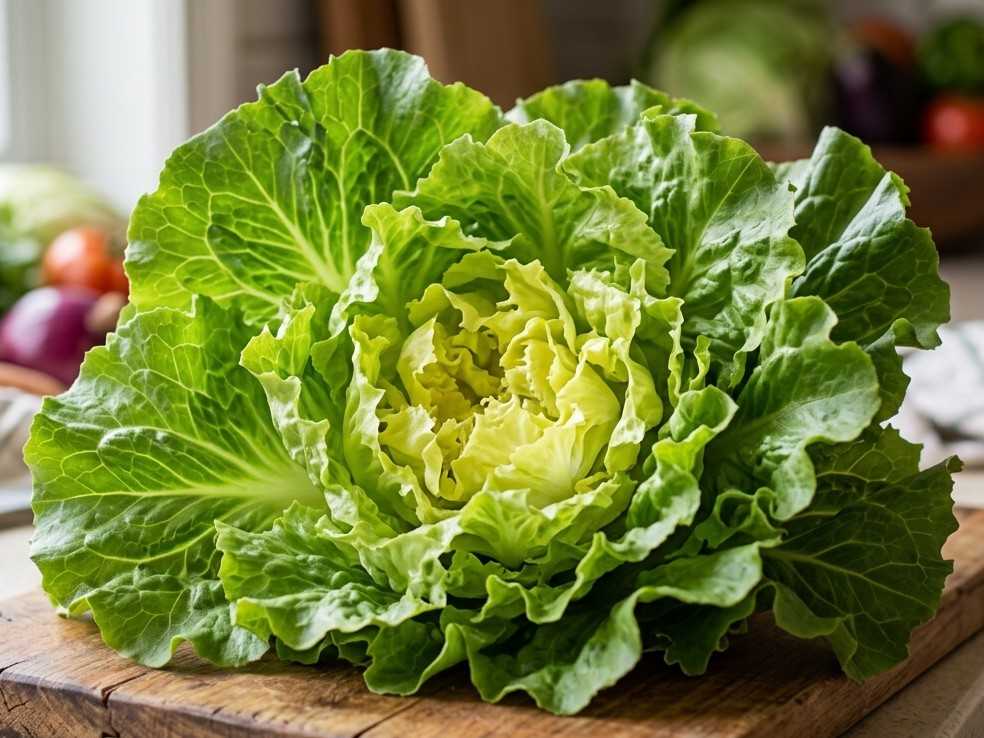
Escarole is one of the most underrated leafy green vegetables despite being packed with vitamins, minerals, antioxidants, and dietary fiber. Belonging to the chicory family, escarole has broad, slightly bitter leaves that become pleasantly mild when cooked. It is commonly used in Mediterranean cuisine, soups, salads, stews, pasta dishes, and sautéed vegetable recipes.
In this guide, you’ll learn everything about escarole (also called broad-leaved endive, Batavian endive, and scarole), including its nutrition facts, proven health benefits, possible side effects, cooking methods, storage tips, precautions, and much more.
What is Escarole?
Escarole (Cichorium endivia var. latifolia) is a leafy green vegetable that belongs to the Asteraceae family, the same family as lettuce, chicory, and endive. It has broad, slightly crinkled leaves with a mildly bitter flavor that becomes sweeter and more tender after cooking.
Unlike curly endive, escarole has wider, smoother leaves with a softer texture, making it ideal for both fresh salads and cooked dishes. Escarole is especially popular in Italian, Mediterranean, and French cuisine, where it is often paired with beans, garlic, olive oil, soups, and pasta.
Nutrition Facts of Escarole (Per 100 g)
| Nutrient | Amount |
|---|---|
| Calories | 17 kcal |
| Water | 94 g |
| Protein | 1.3 g |
| Carbohydrates | 3.4 g |
| Dietary Fiber | 3.1 g |
| Sugars | 0.3 g |
| Fat | 0.2 g |
| Vitamin A | 108 mcg |
| Vitamin C | 6.5 mg |
| Vitamin K | 231 mcg |
| Folate | 142 mcg |
| Calcium | 52 mg |
| Iron | 0.8 mg |
| Potassium | 314 mg |
| Magnesium | 15 mg |
| Phosphorus | 28 mg |
| Sodium | 22 mg |
Values are approximate and may vary slightly depending on freshness and growing conditions.
20 Proven Health Benefits of Escarole
- Supports Heart Health: Escarole contains potassium, fiber, and antioxidants that help maintain healthy blood pressure and support cardiovascular function.
- Rich in Vitamin K: High vitamin K levels contribute to stronger bones and proper blood clotting.
- Boosts Immunity: Vitamin C and antioxidants help strengthen the immune system against infections.
- Promotes Healthy Digestion: Its dietary fiber supports regular bowel movements and a healthy digestive tract.
- Helps Manage Weight: Escarole is low in calories but high in fiber, making it filling without adding excess calories.
- Supports Eye Health: Vitamin A and carotenoids help protect vision and maintain healthy eyes.
- May Reduce Inflammation: Plant antioxidants help combat oxidative stress and inflammation.
- Supports Healthy Bones: Calcium, magnesium, and vitamin K work together to maintain bone density.
- Promotes Healthy Skin: Vitamins A and C support collagen production and skin repair.
- Supports Brain Function: Folate contributes to healthy brain development and nerve function.
- May Help Regulate Blood Sugar: Fiber slows carbohydrate absorption and supports stable blood sugar levels.
- Improves Gut Health: Fiber nourishes beneficial gut bacteria and promotes digestive balance.
- Supports Healthy Pregnancy: Folate is essential for fetal neural tube development during pregnancy.
- May Reduce Oxidative Stress: Antioxidants help protect cells from free radical damage.
- Supports Healthy Blood Pressure: Potassium helps balance sodium levels and supports normal blood pressure.
- Contributes to Healthy Blood Formation: Folate and iron assist in red blood cell production.
- May Lower Cholesterol Levels: Soluble fiber may help reduce LDL (“bad”) cholesterol when consumed regularly.
- Supports Liver Health: Antioxidant compounds may help protect liver cells from oxidative damage.
- Hydrates the Body: Escarole contains a high percentage of water that contributes to hydration.
- Adds Nutritional Variety: Including escarole increases intake of vitamins, minerals, and beneficial plant compounds.
10 Side Effects of Escarole
- High Vitamin K Content: People taking blood-thinning medications should maintain consistent vitamin K intake and consult their healthcare provider.
- May Cause Digestive Discomfort: Eating large amounts may lead to bloating or gas in sensitive individuals.
- Can Trigger Allergic Reactions: Although rare, some people may experience itching or swelling after consumption.
- Possible Pesticide Residue: Poorly washed leaves may contain pesticide residues or contaminants.
- May Increase Kidney Stone Risk in Sensitive Individuals: Escarole contains oxalates, which may contribute to kidney stones in susceptible people.
- Can Cause Stomach Upset: Excessive consumption may irritate sensitive stomachs.
- May Interact with Certain Medications: High vitamin K intake can affect anticoagulant medications.
- Risk of Foodborne Illness: Raw leaves should be washed thoroughly to reduce bacterial contamination.
- May Taste Bitter to Some People: Its natural bitterness may reduce palatability for certain individuals.
- Excess Fiber Intake: Consuming very large portions may cause temporary digestive discomfort.
How to Eat Escarole?
Batavian endive is extremely versatile and can be enjoyed in several ways:
- Add fresh leaves to salads.
- Mix into smoothies with fruits.
- Sauté with garlic and olive oil.
- Add to vegetable soups.
- Stir into bean soups.
- Use in pasta dishes.
- Add to sandwiches and wraps.
- Include in grain bowls.
- Blend into green juices.
- Add to omelets and scrambled eggs.
Tips for Consuming Escarole
- Wash leaves thoroughly before eating.
- Remove damaged outer leaves.
- Pair with olive oil to improve absorption of fat-soluble vitamins.
- Add lemon juice to reduce bitterness.
- Mix with sweeter greens for salads.
- Avoid overcooking to preserve nutrients.
- Buy fresh, crisp leaves.
- Consume soon after purchase.
- Refrigerate immediately after buying.
- Introduce gradually if increasing fiber intake.
How to Cook Escarole?
Escarole becomes milder and sweeter after cooking.
Popular cooking methods include:
- Sautéing with garlic and olive oil
- Stir-frying
- Steaming
- Boiling
- Braising
- Roasting
- Adding to soups
- Cooking with beans
- Mixing into pasta
- Baking in casseroles
Avoid prolonged boiling, as it may reduce vitamin C content.
Other Uses of Escarole
- Soup Ingredient: Batavian endive is commonly added to vegetable and bean soups.
- Salad Green: Tender inner leaves are excellent in fresh salads.
- Smoothie Ingredient: Young leaves can be blended into nutritious green smoothies.
- Sandwich Filling: Fresh leaves add crunch to sandwiches and wraps.
- Pizza Topping: Cooked escarole works well as a healthy pizza topping.
- Pasta Addition: It complements pasta with garlic and olive oil.
- Grain Bowl Ingredient: Batavian endive pairs well with quinoa, rice, and barley.
- Juicing Green: It can be included in vegetable juices.
- Stuffed Vegetable Filling: Chopped Batavian endive is used in savory fillings.
- Side Dish: Sautéed escarole makes a nutritious vegetable side.
How Much Escarole Can You Eat in a Day?
For most healthy adults:
- 1–2 cups of raw escarole
or - ½–1 cup cooked escarole
can comfortably fit into a balanced daily diet.
Individuals taking blood thinners or those with kidney stone concerns should discuss appropriate intake with their healthcare provider.
Best Time to Eat Escarole
There is no single best time to eat Batavian endive.
It can be enjoyed:
- At lunch in salads
- At dinner as a cooked vegetable
- In soups during colder months
- As a side dish with lean proteins
- As part of a high-fiber meal for digestive health
Who Should Eat Escarole?
- People Managing Weight: Its low calorie and high fiber content supports healthy weight management.
- Individuals with Constipation: Fiber helps promote regular bowel movements.
- Heart-Conscious Individuals: Potassium and fiber support cardiovascular health.
- Older Adults: Nutrients help support bone and overall health.
- Pregnant Women: Folate contributes to healthy fetal development when included as part of a balanced diet.
- Athletes: Vitamins and minerals support overall nutrition.
- People Seeking More Vegetables: Escarole increases daily vegetable intake.
- Vegetarians: It provides vitamins and minerals in plant-based diets.
- Health-Conscious Adults: It fits well into balanced eating patterns.
- Families: Batavian endive can be included in nutritious family meals.
Who Should Not Eat Escarole?
- People Taking Warfarin: Sudden increases in vitamin K intake may interfere with medication effectiveness.
- Individuals Allergic to Chicory Family Plants: They may experience allergic reactions.
- People with Oxalate-Related Kidney Stones: Intake may need to be moderated.
- Individuals with Sensitive Digestion: Large servings may cause bloating.
- People with Severe Digestive Disorders: Fiber intake should be adjusted according to medical advice.
- Those with Food Allergies: New foods should be introduced carefully.
- People Unable to Properly Wash Raw Greens: Contaminated greens increase foodborne illness risk.
- Individuals Following Specific Medical Diets: Intake should match healthcare recommendations.
- People Experiencing Persistent Digestive Symptoms: Medical evaluation is recommended before making major dietary changes.
- Infants: Batavian endive should only be introduced in age-appropriate forms under feeding guidance.
How to Store Escarole?
- Refrigerate Immediately: Store escarole in the refrigerator after purchase.
- Use a Perforated Bag: Proper airflow helps maintain freshness.
- Keep Leaves Dry: Excess moisture speeds spoilage.
- Avoid Washing Before Storage: Wash only before use.
- Wrap in Paper Towels: They absorb excess moisture.
- Store in the Vegetable Drawer: The crisper drawer provides ideal humidity.
- Separate Damaged Leaves: Remove wilted leaves promptly.
- Avoid Crushing: Prevent bruising by storing carefully.
- Consume Within One Week: Fresh Batavian endive tastes best within several days.
- Freeze After Blanching: Blanched Batavian endive can be frozen for longer storage.
Precautions and Interactions
- Wash Thoroughly: Proper washing reduces the risk of contamination.
- Monitor Vitamin K Intake: People on anticoagulants should keep intake consistent.
- Increase Fiber Gradually: Sudden increases may cause digestive discomfort.
- Stay Hydrated: Drink enough water when increasing fiber intake.
- Consult During Pregnancy if Needed: Discuss dietary concerns with a healthcare provider.
- Monitor Kidney Stone Risk: Individuals prone to oxalate stones should seek medical advice.
- Buy Fresh Produce: Choose crisp, vibrant leaves.
- Cook Properly When Needed: Cooking reduces bitterness and softens texture.
- Store Safely: Refrigeration helps maintain quality and safety.
- Practice Balanced Eating: Escarole should be part of a varied, nutrient-rich diet rather than the sole source of vegetables.
FAQs
Is escarole healthy?
Yes, scarole is rich in fiber, vitamins A, C, and K, folate, and antioxidants that support overall health.
Can you eat escarole raw?
Yes, scarole can be eaten raw in salads or sandwiches, especially the tender inner leaves.
What does escarole taste like?
Batavian endive has a slightly bitter, earthy flavor that becomes milder and sweeter after cooking.
Is escarole the same as lettuce?
No, although they look similar, scarole belongs to the chicory family and has a more bitter taste than lettuce.
Is escarole the same as endive?
Batavian endive is a type of endive with broader, flatter leaves and a milder flavor than curly endive.
Is escarole good for weight loss?
Yes, scarole is low in calories and high in fiber, making it a filling food that can support healthy weight loss.
Can diabetics eat escarole?
Yes, scarole is low in carbohydrates and rich in fiber, making it suitable for most people with diabetes as part of a balanced diet.
Is escarole keto-friendly?
Yes, scarole is naturally low in carbohydrates and fits well into ketogenic and low-carb diets.
Can you freeze escarole?
Yes, blanch scarole for 1–2 minutes before freezing to preserve its texture and nutrients.
How long does escarole last in the refrigerator?
Fresh scarole typically lasts about 5–7 days when stored properly in the refrigerator.
Is escarole good for constipation?
Yes, its dietary fiber helps promote healthy digestion and regular bowel movements.
Does escarole contain iron?
Yes, Batavian endive contains a small amount of iron along with folate, which supports healthy red blood cell production.
Is escarole high in vitamin K?
Yes, Batavian endive is an excellent source of vitamin K, which supports bone health and normal blood clotting.
Can pregnant women eat escarole?
Yes, thoroughly washed and properly prepared Batavian endive can be a nutritious choice during pregnancy because it provides folate and other essential nutrients.
Is escarole safe to eat every day?
Yes, most healthy adults can enjoy scarole daily as part of a varied and balanced diet.
Can escarole be eaten in soups?
Yes, Batavian endive is commonly added to vegetable, chicken, and bean soups because it becomes tender and flavorful when cooked.
Is escarole safe for children?
Yes, Batavian endive is generally safe for children when washed thoroughly and served in age-appropriate portions. Cooking it can make the flavor milder and easier for children to enjoy.
What is escarole good for?
Batavian endive is good for supporting heart health, digestion, bone strength, immunity, healthy vision, and weight management because it is rich in fiber, vitamins, and antioxidants.
What is another name for escarole?
Escarole is also known as broad-leaved endive, Batavian endive, or broad-leaf chicory in some regions.
What vegetable is closest to escarole?
Curly endive, romaine lettuce, Swiss chard, spinach, mustard greens, and kale are among the closest substitutes for Batavian endive, depending on the recipe.
Is chicory the same as escarole?
No. Batavian endive is not the same as chicory, but it is a variety of chicory belonging to the species Cichorium endivia.
Which is healthier, spinach or escarole?
Both are highly nutritious. Spinach generally contains more iron and folate, while scarole provides more fiber and vitamin K. The healthier choice depends on your nutritional needs.
Is escarole good for your liver?
Batavian endive contains antioxidants, fiber, and vitamins that support overall health, including normal liver function, but it is not a treatment for liver disease.
Is escarole bitter or sweet?
Batavian endive has a mildly bitter taste when raw. Cooking softens the bitterness and brings out a slightly sweet, nutty flavor.
Is escarole the same as romaine?
No. Escarole and romaine are different vegetables. Escarole belongs to the chicory family, while romaine is a type of lettuce with a milder taste.
Can you replace escarole with spinach?
Yes. Spinach can replace escarole in many cooked dishes, although it has a softer texture and a much milder flavor.
Is escarole inflammatory?
No. Batavian endive contains antioxidants and plant compounds that may help reduce inflammation as part of a healthy diet.
Is escarole a type of chicory?
Yes. Batavian endive is a type of chicory and belongs to the Cichorium endivia species.
How do you identify escarole?
Batavian endive has broad, slightly crinkled green leaves with pale yellow or creamy inner leaves. It forms a loose, lettuce-like head and has a mildly bitter taste.
Is escarole better than lettuce?
Batavian endive is generally more nutrient-dense than iceberg lettuce, offering higher amounts of fiber, vitamin K, folate, and several antioxidants.
What takes the bitterness out of escarole?
Cooking, sautéing with garlic and olive oil, blanching, or adding acidic ingredients like lemon juice or vinegar can reduce escarole’s natural bitterness.
Sources / References:
- U.S. Department of Agriculture (USDA) FoodData Central
- Harvard T.H. Chan School of Public Health
- Academy of Nutrition and Dietetics
- National Institutes of Health (NIH) Office of Dietary Supplements
- American Heart Association
- MedlinePlus
Disclaimer:
This article is for educational and informational purposes only and should not be considered medical advice. Always consult a qualified healthcare professional before making significant dietary or lifestyle changes, especially if you have a medical condition, are pregnant, or take prescription medications.
Also Read: