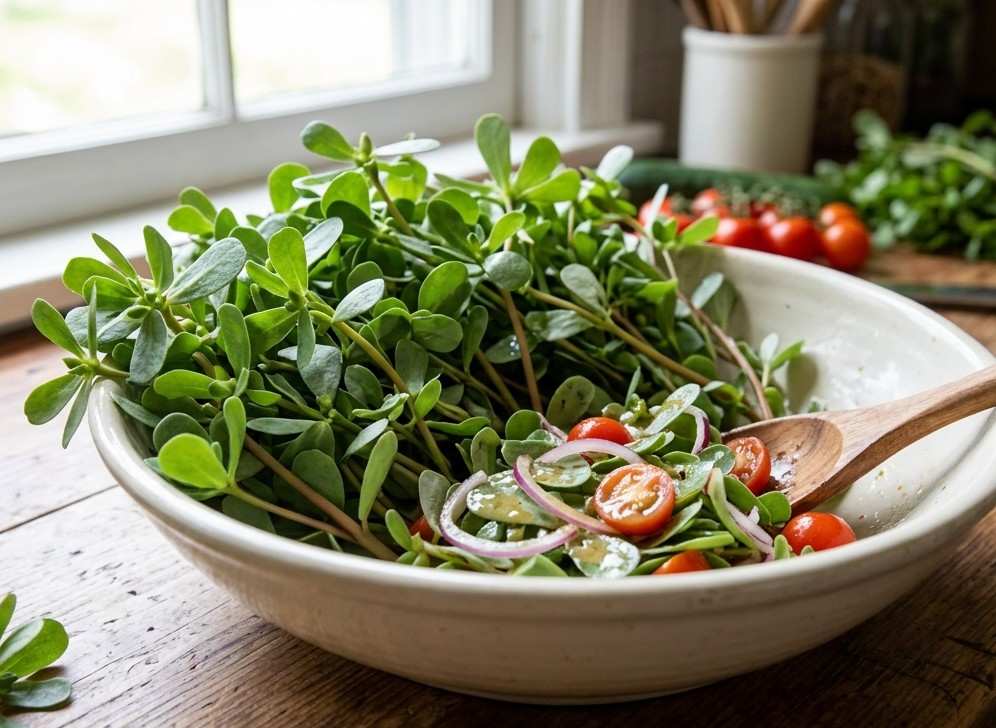
Purslane (Portulaca oleracea) is often considered a common garden weed, but it is actually one of the most nutrient-dense leafy greens available. This succulent plant has been consumed for centuries across Asia, Europe, the Middle East, and the Mediterranean because of its impressive nutritional profile and medicinal properties. Rich in omega-3 fatty acids, antioxidants, vitamins, and minerals, purslane is now gaining popularity as a healthy superfood.
Whether you enjoy it fresh in salads, cooked in soups, or blended into smoothies, purslane offers a refreshing, slightly tangy flavor and numerous health benefits. Modern research also supports many of its traditional uses, making it a valuable addition to a balanced diet.
In this guide, you’ll learn everything about purslane (also known as little hogweed, pigweed, or verdolaga), including its nutrition facts, proven health benefits, side effects, cooking methods, storage tips, precautions, and much more.
What is Purslane?
Purslane is a low-growing succulent leafy vegetable with smooth reddish stems, thick green leaves, and tiny yellow flowers. It grows naturally in warm climates and is widely found in gardens, fields, roadsides, and cultivated farms.
Unlike many leafy greens, purslane is exceptionally rich in plant-based omega-3 fatty acids, particularly alpha-linolenic acid (ALA). It also provides vitamin A, vitamin C, vitamin E, magnesium, potassium, calcium, iron, and powerful antioxidants like betalains and flavonoids.
Because of its crisp texture and mildly lemony flavor, purslane is commonly used in salads, soups, curries, stir-fries, yogurt dips, sandwiches, and pickles.
Nutrition Facts of Purslane (Per 100 g Fresh)
| Nutrient | Amount |
|---|---|
| Calories | 20 kcal |
| Water | 93 g |
| Protein | 2.0 g |
| Carbohydrates | 3.4 g |
| Dietary Fiber | 1.5 g |
| Fat | 0.4 g |
| Vitamin A | 1320 IU |
| Vitamin C | 21 mg |
| Vitamin E | 12.2 mg |
| Vitamin K | 26 µg |
| Calcium | 65 mg |
| Magnesium | 68 mg |
| Potassium | 494 mg |
| Iron | 1.99 mg |
| Phosphorus | 44 mg |
| Omega-3 Fatty Acids (ALA) | Approximately 300–400 mg |
Values may vary slightly depending on growing conditions.
20 Proven Health Benefits of Purslane
- Rich in Omega-3 Fatty Acids: Purslane is one of the richest plant sources of omega-3 fatty acids, supporting heart and brain health.
- Supports Heart Health: Its healthy fats, potassium, and antioxidants may help maintain healthy blood pressure and cardiovascular function.
- Loaded with Antioxidants: Purslane contains Vitamins A, C, E, glutathione, and betalains that help fight oxidative stress.
- Promotes Healthy Skin: Antioxidants and vitamin C contribute to collagen production and protect skin cells from damage.
- Supports Eye Health: High levels of beta-carotene and vitamin A help maintain healthy vision.
- Strengthens the Immune System: Vitamin C and antioxidants help support the body’s natural immune defenses.
- May Reduce Inflammation: Natural anti-inflammatory compounds may help reduce chronic inflammation.
- Supports Bone Health: Calcium, magnesium, and phosphorus contribute to strong bones and teeth.
- Helps Maintain Healthy Blood Sugar: Some studies suggest purslane may improve insulin sensitivity when included in a healthy diet.
- Supports Digestive Health: Dietary fiber promotes healthy digestion and regular bowel movements.
- May Help with Weight Management: Low in calories yet rich in nutrients, purslane helps increase satiety.
- Supports Brain Function: Omega-3 fatty acids contribute to cognitive health and normal brain function.
- May Improve Cholesterol Levels: Healthy fats and antioxidants may support balanced cholesterol levels.
- Supports Healthy Blood Pressure: Potassium helps regulate fluid balance and blood pressure.
- Provides Natural Hydration: Its high water content helps maintain hydration.
- May Protect Cells from Aging: Antioxidants help reduce free radical damage associated with aging.
- Supports Healthy Red Blood Cells: Iron contributes to normal oxygen transport in the body.
- May Promote Wound Healing: Vitamin C supports collagen formation and tissue repair.
- Supports Liver Health: Antioxidants may help protect liver cells from oxidative damage.
- Provides Overall Nutritional Support: Its wide variety of vitamins and minerals makes purslane an excellent nutrient-rich vegetable.
10 Side Effects of Purslane
- High Oxalate Content: Purslane contains oxalates, which may increase the risk of kidney stones in susceptible individuals.
- May Interact with Blood Thinners: Its vitamin K content may affect anticoagulant medications.
- Possible Allergic Reactions: Some people may experience itching, rash, or digestive discomfort.
- Digestive Upset: Eating excessive amounts may cause bloating or diarrhea.
- Risk of Contaminants: Wild purslane may absorb pesticides or heavy metals if harvested from polluted areas.
- May Affect Blood Sugar: People taking diabetes medications should monitor blood glucose.
- May Influence Blood Pressure: Individuals on blood pressure medications should consume it in moderation.
- Potential Pregnancy Concerns: Large medicinal amounts are not recommended during pregnancy without medical advice.
- Improper Identification Risk: Wild plants can sometimes be confused with toxic look-alike species.
- Excess Consumption May Reduce Mineral Absorption: High oxalate intake may reduce calcium absorption in some individuals.
How to Eat Purslane?
Purslane is highly versatile and can be enjoyed both raw and cooked.
- Add fresh leaves to green salads.
- Blend into smoothies.
- Mix into sandwiches and wraps.
- Toss into pasta dishes.
- Stir into soups.
- Cook with lentils and beans.
- Add to vegetable curries.
- Use in omelets.
- Blend into pesto.
- Mix with yogurt for a refreshing dip.
Tips for Consuming Purslane
- Choose fresh, crisp leaves.
- Wash thoroughly before eating.
- Prefer organically grown purslane whenever possible.
- Eat it alongside other vegetables for a balanced diet.
- Rotate leafy greens instead of relying solely on Portulaca oleracea.
- People with kidney stone history should consume it in moderation.
- Pair it with healthy fats like olive oil for better absorption of fat-soluble vitamins.
How to Cook Purslane?
Purslane cooks quickly and has a slightly mucilaginous texture similar to okra or spinach.
Stir-Fry
Heat olive oil, garlic, onions, and lightly sauté purslane for 2–3 minutes.
Soup
Add chopped purslane during the final few minutes of cooking vegetable soup.
Curry
Cook Portulaca oleracea with tomatoes, onions, garlic, and spices for a flavorful side dish.
Omelet
Mix chopped purslane into beaten eggs before cooking.
Steamed
Steam briefly and season with lemon juice, salt, and black pepper.
Sautéed with Vegetables
Cook alongside mushrooms, zucchini, spinach, or peppers.
Other Uses of Purslane
- Traditional Herbal Medicine: Portulaca oleracea has been used in traditional medicine for digestive and inflammatory conditions.
- Natural Skin Care: Extracts are used in skincare products for their soothing properties.
- Animal Feed: Portulaca oleracea is sometimes used as nutritious livestock forage.
- Garden Ground Cover: It helps reduce soil erosion and retains moisture.
- Companion Plant: It can improve biodiversity in vegetable gardens.
- Decorative Edible Plant: Its attractive leaves make it suitable for edible landscaping.
- Smoothie Ingredient: Fresh purslane adds nutrition without overpowering flavor.
- Pickling Vegetable: Young stems can be preserved in vinegar.
- Soup Thickener: Its natural texture slightly thickens soups.
- Microgreen Production: Young sprouts are grown as nutrient-rich microgreens.
How Much Purslane Can You Eat in a Day?
There is no official recommended daily intake for purslane.
For most healthy adults:
- ½ to 1 cup of fresh purslane daily is generally considered a moderate serving as part of a varied diet.
- Individuals prone to kidney stones should consume smaller portions because of its oxalate content.
- Always introduce it gradually if eating it for the first time.
Best Time to Eat Purslane
Purslane can be eaten at any time of the day.
- Breakfast in omelets or smoothies.
- Lunch in salads or sandwiches.
- Dinner in soups, curries, or stir-fries.
- As a healthy side dish with grilled protein or whole grains.
Who Should Eat Purslane?
- Heart-Conscious Individuals: Its omega-3 fats and potassium support cardiovascular health.
- People Seeking Weight Management: Low calories and fiber help promote fullness.
- Vegetarians and Vegans: Portulaca oleracea provides valuable plant-based omega-3 fatty acids.
- Older Adults: Antioxidants and minerals support healthy aging.
- Athletes: Nutrients support recovery and hydration.
- People with Busy Lifestyles: It offers concentrated nutrition in small servings.
- Individuals Looking to Increase Vegetable Intake: Purslane is an easy addition to meals.
- Health-Conscious Families: It contributes vitamins and minerals to everyday diets.
- People Following Mediterranean-Style Diets: Portulaca oleracea complements fresh, plant-rich eating patterns.
- Garden Growers: Homegrown purslane provides an inexpensive source of fresh greens.
Who Should Not Eat Purslane?
- People with Kidney Stones: High oxalate content may not be suitable.
- Individuals Taking Blood Thinners: Vitamin K intake should remain consistent.
- People Allergic to Purslane: Avoid consumption if allergic reactions occur.
- Individuals with Severe Kidney Disease: Consult a healthcare provider before consuming large amounts.
- Pregnant Women Using Herbal Supplements: Medicinal doses should only be used under medical supervision.
- People Taking Diabetes Medication: Monitor blood sugar levels when introducing purslane.
- Individuals Taking Blood Pressure Medication: Consume in moderation and seek medical advice if needed.
- People Harvesting Wild Plants: Avoid consuming plants from contaminated areas.
- Infants Without Medical Advice: Introduce leafy vegetables according to pediatric guidance.
- Anyone Unsure of Plant Identification: Consume only properly identified edible Portulaca oleracea.
How to Store Purslane?
- Refrigerate Immediately: Store fresh Portulaca oleracea in the refrigerator after harvesting.
- Wrap in Paper Towels: This helps absorb excess moisture.
- Use an Airtight Container: Store inside a sealed container or produce bag.
- Wash Before Use: Avoid washing until ready to eat for longer freshness.
- Consume Within One Week: Fresh Portulaca oleracea tastes best within several days.
- Freeze for Longer Storage: Blanch briefly before freezing.
- Keep Away from Ethylene-Producing Fruits: This helps preserve freshness.
- Inspect Before Eating: Discard wilted or spoiled leaves.
- Avoid Excess Moisture: Too much water encourages spoilage.
- Store Cooked Purslane Properly: Refrigerate leftovers and consume within 2–3 days.
Precautions and Interactions
- Consult Your Healthcare Provider: Seek medical advice if you have chronic health conditions.
- Monitor Blood Sugar: Diabetic individuals should monitor glucose when adding Portulaca oleracea regularly.
- Watch Vitamin K Intake: Keep intake consistent if taking anticoagulant medications.
- Consume Moderately: Excessive intake may increase oxalate exposure.
- Wash Thoroughly: Remove dirt, bacteria, and pesticide residues before eating.
- Avoid Polluted Harvesting Areas: Do not collect wild purslane near roadsides or industrial sites.
- Purchase from Reliable Sources: Choose fresh produce from trusted suppliers.
- Introduce Gradually: Begin with small portions to assess tolerance.
- Balance Your Diet: Eat Portulaca oleracea alongside a variety of vegetables.
- Seek Medical Advice During Pregnancy or Breastfeeding: Consult a healthcare professional before using medicinal quantities.
FAQ’s
Is Purslane Safe for Children?
Yes, Portulaca oleracea is generally safe for children when served in age-appropriate portions as part of a balanced diet. It provides vitamins, minerals, fiber, and antioxidants that support healthy growth. Wash it thoroughly before serving, and introduce it gradually to check for any allergic reactions.
What Is Purslane Called in India?
In India, purslane is commonly known as Kulfa or Lunia Saag in Hindi. It is also called Kulfa Bhaji in several regions and is used in salads, curries, and traditional dishes across different states.
Is It Better to Eat Purslane Raw or Cooked?
Both raw and cooked Portulaca oleracea are nutritious. Eating it raw helps preserve more vitamin C and gives a crisp texture, while cooking softens the leaves and may reduce some of its natural oxalate content. Including both forms in your diet can help you enjoy its nutritional benefits.
What is purslane good for?
Portulaca oleracea is rich in omega-3 fatty acids, antioxidants, vitamins A, C, and E, and essential minerals. It may support heart health, healthy skin, digestion, immunity, and overall wellness when included in a balanced diet.
Is purslane safe to eat every day?
Yes, most healthy adults can eat moderate amounts of Portulaca oleracea daily as part of a varied diet. However, people with kidney stones or those taking blood-thinning medications should consult a healthcare provider before consuming it regularly.
Can purslane be eaten raw?
Yes. Fresh Portulaca oleracea can be eaten raw in salads, sandwiches, wraps, smoothies, and yogurt dips. It has a crisp texture and a mildly tangy, lemony flavor.
What does purslane taste like?
Portulaca oleracea has a fresh, slightly sour, lemon-like flavor with a crunchy, juicy texture. When cooked, it becomes softer and develops a mild spinach-like taste.
Is purslane a weed or a vegetable?
Portulaca oleracea is both. Although many people consider it a common garden weed, it is also a highly nutritious edible leafy vegetable enjoyed in many cuisines around the world.
Does purslane contain omega-3 fatty acids?
Yes. Portulaca oleracea is one of the richest plant-based sources of alpha-linolenic acid (ALA), an omega-3 fatty acid that supports heart and brain health.
Can people with diabetes eat purslane?
Portulaca oleracea may be included in a diabetes-friendly diet because it is low in calories and contains fiber. Some studies suggest it may help support healthy blood sugar levels, but it should not replace prescribed treatment.
Is purslane good for weight loss?
Yes. Portulaca oleracea is low in calories and rich in fiber, water, and nutrients, making it a filling addition to a healthy weight management plan.
Can you freeze purslane?
Yes. Blanch purslane for 1–2 minutes, cool it in ice water, drain well, and freeze it in airtight freezer bags for longer storage.
Is purslane healthier than spinach?
Both are highly nutritious. Purslane stands out for its higher plant-based omega-3 fatty acid content, while spinach is especially rich in folate and vitamin K. Including both in your diet provides a wide range of nutrients.
Can pregnant women eat purslane?
Fresh purslane eaten as a vegetable is generally considered safe in normal food amounts. However, medicinal quantities or herbal supplements containing Portulaca oleracea should only be used after consulting a healthcare provider.
Where can I buy purslane?
Portulaca oleracea is available at farmers’ markets, Asian and Mediterranean grocery stores, health food stores, and some supermarkets. It is also easy to grow in home gardens.
Sources / References:
- U.S. Department of Agriculture (USDA) FoodData Central
- National Institutes of Health (NIH)
- National Center for Biotechnology Information (NCBI)
- World Health Organization (WHO)
- Academy of Nutrition and Dietetics
Disclaimer:
This article is intended for educational and informational purposes only and should not replace professional medical advice, diagnosis, or treatment. Consult a qualified healthcare provider before making significant dietary changes or using purslane for medicinal purposes, especially if you are pregnant, breastfeeding, have a medical condition, or take prescription medications.
Also Read: