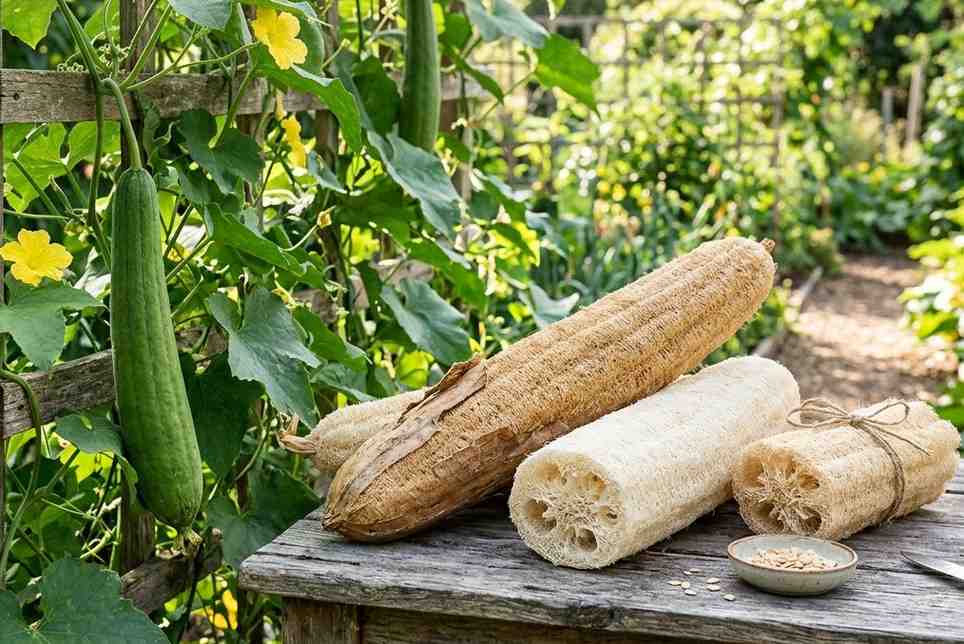
Luffa is a versatile vegetable that is widely enjoyed in many Asian, African, and tropical cuisines. Known for its soft texture and mild flavor, luffa is often cooked in curries, soups, stir-fries, and stews. While many people recognize dried luffa as a natural bath sponge, the young fruit is actually highly nutritious and packed with beneficial plant compounds.
Luffa belongs to the cucumber family and grows on climbing vines. It is low in calories, rich in water, and contains important nutrients such as vitamin C, fiber, iron, magnesium, and antioxidants. This guide covers everything you need to know about luffa (also known as loofah, sponge gourd, ridge gourd, angled gourd, dishcloth gourd, Chinese okra, tori, and patola), including its nutrition facts, science-backed health benefits, side effects, storage methods, dosage, and practical ways to include it in your daily diet.
What is Luffa?
Luffa, also spelled loofah or sponge gourd, is a tropical vegetable from the Cucurbitaceae family, which also includes cucumbers, pumpkins, and zucchinis. The young fruit is edible and commonly used as a vegetable, while the mature dried fruit develops a fibrous interior that is used as a natural sponge.
There are two main edible varieties of luffa:
- Smooth luffa
- Ridge gourd or angled luffa
The vegetable has tender flesh, soft seeds, and a mildly sweet taste when harvested young. It is commonly consumed in countries such as India, China, Vietnam, Thailand, and the Philippines.
Luffa is valued not only for its culinary uses but also for its traditional medicinal applications. In many cultures, it has been used to support digestion, reduce body heat, improve skin health, and promote hydration.
Nutrition Facts of Luffa
Below is the approximate nutritional value of 100 grams of raw luffa.
| Nutrient | Amount per 100g |
|---|---|
| Calories | 20 kcal |
| Water | 94 g |
| Protein | 0.8 g |
| Carbohydrates | 4.4 g |
| Dietary Fiber | 1.2 g |
| Fat | 0.1 g |
| Vitamin C | 12 mg |
| Vitamin A | 18 mcg |
| Folate | 14 mcg |
| Potassium | 139 mg |
| Calcium | 18 mg |
| Magnesium | 14 mg |
| Iron | 0.3 mg |
| Phosphorus | 26 mg |
Luffa is naturally low in calories and fat, making it an excellent addition to balanced and weight-friendly diets.
20 Proven Health Benefits of Luffa
- Supports Digestion: Sponge gourd contains dietary fiber that may help improve digestion and promote smoother bowel movements.
- Promotes Hydration: The high water content in ridge gourd helps maintain hydration and supports overall body function.
- Low in Calories: Luffa is naturally low in calories, making it suitable for weight management diets.
- Boosts Immunity: Vitamin C in ridge gourd may help strengthen the immune system and protect the body from infections.
- Supports Heart Health: Potassium in luffa may help regulate blood pressure and support cardiovascular health.
- Rich in Antioxidants: Sponge gourd contains antioxidants that may help reduce oxidative stress and cellular damage.
- May Help Control Blood Sugar: The fiber content in luffa may slow sugar absorption and support healthy blood sugar levels.
- Improves Skin Health: Vitamins and antioxidants in ridge gourd may contribute to clearer and healthier skin.
- Supports Eye Health: Sponge gourd contains vitamin A and plant compounds that may help maintain good vision.
- Aids Weight Loss: The vegetable is filling yet low in calories, which may help reduce overeating.
- May Reduce Inflammation: Certain plant compounds in ridge gourd may help reduce inflammation in the body.
- Supports Liver Function: Traditional uses of ridge gourd suggest it may help support natural liver detoxification processes.
- Promotes Healthy Kidneys: The water-rich nature of luffa may support kidney function and fluid balance.
- Improves Gut Health: Fiber in luridge gourd may help nourish beneficial gut bacteria and support digestive wellness.
- May Help Lower Cholesterol: Regular intake of fiber-rich vegetables like luffa may help maintain healthy cholesterol levels.
- Supports Bone Health: Minerals such as calcium and magnesium in ridge gourd contribute to bone strength.
- May Help Reduce Constipation: Luffa’s moisture and fiber content may help soften stool and ease constipation.
- Provides Natural Cooling Effect: In traditional medicine, ridge gourd is considered a cooling food that may help reduce body heat.
- Supports Healthy Metabolism: Nutrients in luffa may assist normal metabolic processes and energy production.
- May Improve Overall Wellness: Regular consumption of nutrient-rich vegetables like ridge gourd may support general health and vitality.
10 Side Effects of Luffa
- Digestive Discomfort: Eating excessive amounts of luffa may cause bloating or stomach discomfort in sensitive individuals.
- Allergic Reactions: Some people may experience allergic reactions such as itching, swelling, or skin irritation.
- Loose Stools: The fiber and water content in ridge gourd may lead to loose stools if consumed in large quantities.
- Bitterness Toxicity Risk: Extremely bitter luffa may contain harmful compounds and should not be eaten.
- Low Blood Sugar Concerns: Sponge gourd may slightly lower blood sugar levels, which could affect people taking diabetes medications.
- Possible Dehydration from Overconsumption: Excessive intake may increase urination due to its water content.
- Interaction with Medications: Sponge gourd may interact with certain medications related to blood sugar or blood pressure.
- Digestive Irritation in Sensitive People: Individuals with sensitive digestive systems may experience cramps after eating luffa.
- Risk During Pregnancy if Overused: Excessive medicinal use of luffa extracts may not be suitable during pregnancy.
- Contamination Risk: Improperly stored or spoiled ridge gourd may harbor bacteria or mold.
How to Eat Luffa?
Luffa is highly versatile and can be cooked in many delicious ways. Young and tender luffa is preferred for eating because mature ridge gourd becomes fibrous.
Popular ways to eat luffa include:
- Stir-fried with garlic, onions, and spices
- Added to curries and stews
- Cooked in soups and broths
- Mixed with lentils or beans
- Stuffed with spices and baked
- Steamed as a healthy side dish
- Added to noodle dishes
- Combined with eggs in stir-fries
- Used in traditional Indian ridge gourd recipes
- Blended into vegetable soups
Before cooking, wash the ridge gourd thoroughly, peel the outer skin if necessary, and cut it into slices or cubes.
Tips for Consuming Luffa
- Choose young, tender ridge gourd with smooth skin.
- Avoid overly mature or very hard ridge gourd.
- Do not consume extremely bitter luffa.
- Wash thoroughly before cooking.
- Pair luffa with protein-rich foods for balanced meals.
- Use mild cooking methods to preserve nutrients.
- Consume fresh for the best flavor and texture.
- Refrigerate after cutting to maintain freshness.
- Start with moderate portions if eating for the first time.
- Avoid overcooking to prevent mushy texture.
Other Uses of Luffa
- Natural Bath Sponge: Mature dried ridge gourd is widely used as a biodegradable bath sponge for exfoliation.
- Skin Exfoliation Tool: Sponge gourd fibers help remove dead skin cells and improve skin texture.
- Cleaning Scrubber: Dried ridge gourd can be used as an eco-friendly scrubber for dishes and surfaces.
- Gardening Material: Luffa fibers are sometimes used in composting and gardening applications.
- Craft Material: Dried ridge gourd is used in handmade crafts, decorations, and DIY projects.
- Soap Making Ingredient: Luffa pieces are often added to exfoliating handmade soaps.
- Pet Toys: Natural ridge gourd is occasionally used in safe chew toys for pets.
- Packaging Material: Eco-friendly packaging products may include dried ridge gourd fibers.
- Foot Scrubber: Sponge gourd can help exfoliate rough skin on the feet.
- Spa Products: Many natural skincare products include ridge gourd for exfoliation purposes.
How Much Luffa Can You Eat in a Day?
A moderate serving of luffa is generally considered safe for most healthy adults.
- Recommended daily intake: 1–2 cups of cooked luffa
- Beginners may start with smaller portions
- Excessive consumption may lead to digestive discomfort
- Balance luffa intake with other vegetables for a varied diet
The ideal amount depends on age, activity level, digestive health, and overall dietary habits.
Common dietary recommendations include:
| Form | Suggested Amount |
|---|---|
| Cooked luffa | 1–2 cups daily |
| Luffa soup | 1 bowl daily |
| Fresh luffa juice | ½–1 cup occasionally |
| Dried luffa supplements | Follow product instructions |
People using herbal ridge gourd products should consult a healthcare professional before regular use.
Best Time to Eat Luffa
Sponge gourd can be consumed at different times of the day depending on personal preference.
- Lunch and dinner are the most common times
- Light luffa soup may be suitable in the evening
- It can be eaten after workouts due to its hydrating nature
- Avoid very large portions late at night if you have sensitive digestion
Because it is light and easy to digest, ridge gourd fits well into many meal plans.
Who Should Eat Luffa?
- People Trying to Lose Weight: Sponge gourd is low in calories and may support healthy weight management.
- Individuals with Digestive Issues: The fiber and water content may help support regular bowel movements.
- People Seeking Hydrating Foods: Luffa’s high water content may help maintain hydration.
- Heart-Conscious Individuals: Potassium-rich foods like ridge gourd may support cardiovascular health.
- People Wanting More Vegetables: Luffa is a nutritious vegetable that can diversify healthy diets.
- Athletes and Active Individuals: Hydrating vegetables like ridge gourd may help replenish fluids.
- Older Adults: Soft-cooked ridge gourd is easy to chew and digest for many seniors.
- People Looking for Low-Calorie Foods: Luffa provides volume and nutrition without excessive calories.
- Individuals Seeking Skin-Friendly Foods: Antioxidants and vitamins in ridge gourd may support healthy skin.
- Vegetarians and Vegans: Sponge gourd can be a healthy addition to plant-based diets.
Who Should Not Eat Luffa?
- People Allergic to Gourds: Individuals with gourd allergies should avoid ridge gourd.
- Those Sensitive to Fiber: Excessive ridge gourd intake may worsen digestive discomfort in sensitive people.
- People Taking Diabetes Medication: Luffa may influence blood sugar levels and require monitoring.
- Individuals with Severe Digestive Disorders: Some digestive conditions may worsen with high-fiber foods.
- People Avoiding Potassium-Rich Foods: Those with certain kidney conditions may need potassium restrictions.
- Pregnant Women Using Herbal Extracts: Medicinal luffa preparations should only be used under medical supervision.
- People Eating Bitter Luffa: Bitter ridge gourd may contain toxic compounds and should be discarded.
- Children in Large Quantities: Very high amounts may cause stomach upset in children.
- People with Food Sensitivities: New foods like ridge gourd should be introduced gradually.
- Individuals with Low Blood Pressure: Large amounts may potentially contribute to lower blood pressure.
How to Store Luffa?
- Store in Refrigerator: Fresh ridge gourd should be refrigerated to maintain freshness.
- Use Perforated Bags: Perforated plastic bags help preserve moisture balance.
- Keep Dry Before Storage: Excess moisture may speed spoilage.
- Avoid Cutting Early: Whole luffa stays fresh longer than cut pieces.
- Consume Quickly: Fresh ridge gourd is best consumed within a few days.
- Freeze for Long Storage: Cooked ridge gourd can be frozen for future use.
- Avoid Direct Sunlight: Heat and sunlight may reduce freshness.
- Check for Soft Spots: Discard ridge gourd with mold, foul odor, or excessive softness.
- Separate from Ethylene-Producing Fruits: Fruits like bananas may speed ripening and spoilage.
- Dry Mature Luffa Properly: Mature ridge gourd intended for sponges should be thoroughly dried.
Precautions and Interactions
- Avoid Bitter Luffa: Extremely bitter ridge gourd may contain harmful toxins and should never be consumed.
- Monitor Blood Sugar Levels: Diabetics should monitor glucose levels when consuming large amounts of ridge gourd.
- Consult a Doctor During Pregnancy: Pregnant women should seek medical advice before using herbal luffa remedies.
- Watch for Allergic Reactions: Stop consumption if itching, swelling, or irritation occurs.
- Eat in Moderation: Excessive intake may cause digestive discomfort or diarrhea.
- Use Clean Preparation Methods: Wash thoroughly to remove dirt, bacteria, or pesticides.
- Be Careful with Supplements: Herbal luffa products may have stronger effects than food forms.
- Check Medication Interactions: Consult healthcare professionals if taking blood pressure or diabetes medications.
- Avoid Spoiled Luffa: Rotten or moldy ridge gourd may increase the risk of foodborne illness.
- Introduce Slowly to Children: Small portions are recommended when giving ridge gourd to children for the first time.
Conclusion
Luffa is a nutritious and versatile vegetable that offers a variety of health benefits. Its low calorie content, hydrating properties, vitamins, minerals, and antioxidants make it a valuable addition to balanced diets. From supporting digestion and heart health to promoting hydration and skin wellness, ridge gourd provides many reasons to include it in regular meals.
At the same time, moderation and proper preparation are important. Choosing fresh, non-bitter ridge gourd and consuming reasonable portions can help maximize benefits while reducing the risk of side effects.
FAQ’s
What is luffa good for?
Sponge gourd is commonly used to support digestion, hydration, weight management, skin health, and overall wellness due to its high water and nutrient content.
Is luffa a fruit or a vegetable?
Sponge gourd is botanically a fruit, but it is commonly cooked and eaten as a vegetable.
Can you eat raw luffa?
Young and tender ridge gourd can be eaten raw in some dishes, but it is most commonly cooked because cooking improves its texture and flavor.
What does luffa taste like?
Sponge gourd has a mild, slightly sweet taste that is often compared to zucchini or cucumber.
Is luffa good for weight loss?
Yes, Sponge gourd is low in calories and high in water, which may help promote fullness and support weight management.
Can diabetics eat luffa?
Sponge gourd may be suitable for people with diabetes because it is low in calories and contains fiber, but portion control and medical advice are important.
Is luffa good for digestion?
Yes, the fiber and water content in ridge gourd may help support healthy digestion and regular bowel movements.
Can luffa lower blood pressure?
Sponge gourd contains potassium, which may help support healthy blood pressure levels as part of a balanced diet.
Is bitter luffa safe to eat?
No, extremely bitter ridge gourd should not be eaten because it may contain harmful compounds that can cause illness.
How do you know if luffa is fresh?
Fresh ridge gourd should feel firm, tender, and smooth without soft spots, mold, or wrinkles.
Can you eat luffa every day?
Yes, moderate amounts of cooked ridge gourd can usually be eaten daily as part of a balanced diet.
Is luffa good for the skin?
Sponge gourd contains antioxidants and vitamin C that may support healthy skin, and dried luffa is also used as a natural exfoliator.
What is luffa called in India?
Sponge gourd is commonly called ridge gourd, sponge gourd, turai, tori, or gilki in different regions of India.
Can pregnant women eat luffa?
Cooked luffa is generally eaten as a vegetable during pregnancy, but medicinal or herbal ridge gourd preparations should only be used with medical advice.
Is dried luffa edible?
Mature dried ridge gourd is usually not eaten because it becomes fibrous and is mainly used as a natural sponge.
Can children eat luffa?
Yes, properly cooked ridge gourd can be included in children’s diets in moderate amounts.
Can luffa help with hydration?
Yes, Sponge gourd has a high water content that may help support hydration.
What is the best way to cook luffa?
Sponge gourd is commonly stir-fried, added to curries, soups, stews, or lightly sautéed with spices and herbs.
Also Read: