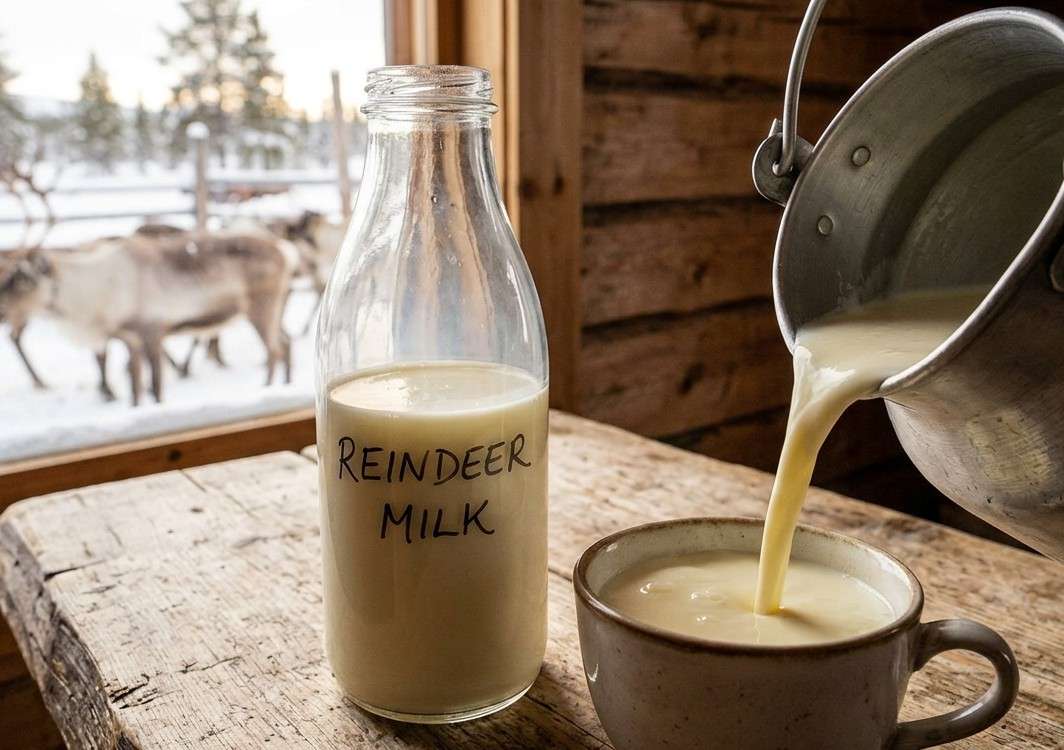
Reindeer milk is one of the rarest animal milks in the world. It has been traditionally consumed by Indigenous Arctic communities, particularly the Sámi people, who have relied on reindeer for food, clothing, and transportation for centuries. Compared to cow’s milk, reindeer milk is exceptionally rich in protein, fat, minerals, and calories, making it a highly concentrated source of nutrition that helps support survival in cold climates.
Although scientific research on reindeer milk is more limited than research on cow, goat, or camel milk, available studies show that its unique nutritional profile makes it an interesting dairy product with potential health benefits. However, many of its claimed health effects are based on its nutrient composition rather than direct clinical studies.
What is Reindeer Milk?
Reindeer milk is the milk produced by female reindeer (Rangifer tarandus). It is naturally thicker, creamier, and richer than most other types of milk because it contains significantly higher amounts of fat and protein.
Unlike commercial dairy milk, reindeer milk is rarely available worldwide because reindeer produce relatively small quantities of milk and are difficult to domesticate for large-scale dairy farming. Most production occurs in Arctic regions such as Norway, Finland, Sweden, and parts of Russia.
Nutrition Facts of Reindeer Milk
Approximate nutrients per 100 ml (values may vary depending on season, diet, and stage of lactation).
| Nutrient | Amount |
|---|---|
| Calories | 200–250 kcal |
| Protein | 10–11 g |
| Total Fat | 17–22 g |
| Saturated Fat | 10–13 g |
| Carbohydrates | 2–3 g |
| Lactose | 2–3 g |
| Calcium | 300–350 mg |
| Phosphorus | 220–260 mg |
| Potassium | 150–220 mg |
| Magnesium | 20–35 mg |
| Vitamin A | Moderate |
| Vitamin D | Small amounts |
| Vitamin B12 | Present |
| Riboflavin (B2) | Present |
20 Proven Health Benefits of Reindeer Milk
- Excellent Source of Protein: Reindeer milk contains exceptionally high-quality protein that supports muscle growth, tissue repair, and enzyme production.
- Rich in Healthy Calories: Its naturally high calorie content provides concentrated energy, especially for people with high energy needs.
- Supports Strong Bones: The abundant calcium and phosphorus help maintain healthy bones and teeth.
- Promotes Muscle Recovery: High protein intake may improve muscle repair after exercise and physical activity.
- Provides Long-Lasting Energy: Its combination of fats and proteins slows digestion and helps sustain energy levels.
- Supports Immune Function: Protein, Vitamins A, and minerals contribute to normal immune system function.
- May Improve Satiety: The rich protein and fat content may help keep you feeling full for longer.
- Helps Maintain Healthy Weight in Underweight Individuals: Its calorie density may benefit people trying to gain weight under medical supervision.
- Supports Healthy Skin: Vitamin A and healthy fats contribute to maintaining skin structure and hydration.
- Contributes to Brain Function: Dietary fats provide energy needed for normal brain function.
- Supports Children’s Growth: The high-quality protein and minerals may support healthy growth where nutritionally appropriate.
- Provides Essential Minerals: Reindeer milk supplies calcium, phosphorus, magnesium, and potassium needed for various body functions.
- May Support Healthy Teeth: Calcium and phosphorus help strengthen tooth enamel.
- Contains Bioactive Milk Proteins: Milk proteins may provide antimicrobial and immune-supporting properties, although more research is needed.
- Supports Cellular Repair: Amino acids are essential for repairing damaged tissues throughout the body.
- May Improve Nutrient Intake: The nutrient density helps provide several essential nutrients in relatively small servings.
- Supports Hormone Production: Healthy dietary fats play a role in producing various hormones.
- May Benefit Cold Climate Nutrition: Its concentrated nutrients historically supported people living in Arctic environments.
- Naturally Lower in Lactose Than Cow Milk: The lower carbohydrate content suggests less lactose than cow’s milk, though it is not lactose-free.
- Highly Nutrient Dense: Reindeer milk delivers substantial nutrition in small amounts, making it one of the richest natural milks available.
10 Side Effects of Reindeer Milk
- High Calorie Content: Drinking large amounts may contribute to excess calorie intake and weight gain.
- High Saturated Fat: Excessive consumption may not be suitable for people advised to limit saturated fat.
- Milk Allergy Risk: Individuals with dairy protein allergies should avoid reindeer milk.
- Lactose Intolerance: Although lower in lactose than cow’s milk, it can still cause digestive discomfort in lactose-intolerant individuals.
- Digestive Upset: The richness of the milk may lead to bloating or stomach discomfort in some people.
- Limited Availability: Fresh reindeer milk is difficult to obtain and may be expensive.
- Risk from Raw Milk: Drinking unpasteurized reindeer milk may increase the risk of foodborne illness.
- Not Suitable for Certain Medical Diets: People with kidney disease or specialized diets should consult a healthcare provider before consuming it regularly.
- May Trigger Sensitivities: Some people may experience digestive sensitivity when consuming unfamiliar dairy products.
- Limited Human Research: Many health claims are based on nutrient composition rather than extensive clinical studies.
How to Drink Reindeer Milk?
Reindeer milk is usually consumed fresh or pasteurized where available. Because it is extremely rich, small servings are generally sufficient. It can be enjoyed warm, chilled, or blended into smoothies. Some Arctic communities also use it to prepare fermented dairy products and traditional foods.
Tips for Consuming Reindeer Milk
- Start with a small serving if you have never consumed it before.
- Choose pasteurized milk whenever possible.
- Store it under refrigeration.
- Pair it with a balanced diet.
- Avoid excessive daily intake because of its high calorie content.
- Consume fresh milk before its expiration date.
- If you have dairy allergies, avoid consumption.
- Consult a healthcare professional if you have chronic health conditions.
How to Use Reindeer Milk?
Reindeer milk can be used in several ways:
- Drink it as a nutritious beverage.
- Add it to smoothies.
- Prepare creamy soups.
- Use it in porridges.
- Make yogurt where appropriate cultures are available.
- Prepare cheese using traditional methods.
- Add it to coffee or tea.
- Use it in desserts and puddings.
- Incorporate it into sauces.
- Prepare traditional Arctic dairy recipes.
Other Uses of Reindeer Milk
Beyond drinking, reindeer milk has been used in traditional Arctic cultures for:
- Cheese production
- Fermented dairy foods
- Traditional infant nutrition (historically within Indigenous communities)
- High-energy survival foods
- Culinary specialties
- Cultural and ceremonial foods
- Scientific nutritional research
How Much Reindeer Milk Can You Drink in a Day?
There is no official recommended daily intake specifically for reindeer milk.
Because it is much richer than cow’s milk, approximately 100–250 ml per day is generally sufficient for most healthy adults when included as part of a balanced diet. Individuals with higher calorie needs may consume more under the guidance of a healthcare professional or registered dietitian.
Best Time to Drink Reindeer Milk
- Morning with breakfast for sustained energy.
- After exercise to support muscle recovery.
- As an afternoon snack for increased satiety.
- Before bed if it fits your overall calorie intake and digestive comfort.
Who Should Drink Reindeer Milk?
- Athletes: The high protein content may support muscle recovery and performance.
- People with High Energy Needs: Its calorie density can help meet increased energy requirements.
- Growing Children: It may support healthy growth when incorporated into a balanced diet and recommended by healthcare professionals.
- Underweight Individuals: The nutrient-rich profile may assist healthy weight gain.
- Older Adults: The protein and calcium may help support muscle and bone health.
- People Recovering from Illness: Nutrient-dense foods may assist recovery when medically appropriate.
- Outdoor Workers in Cold Regions: The concentrated calories may provide sustained energy.
Who Should Avoid Reindeer Milk?
- People with Milk Allergy: Dairy protein allergies require complete avoidance.
- Individuals with Severe Lactose Intolerance: Even its lower lactose content may still cause symptoms.
- People Following Low-Fat Diets: The naturally high fat content may not fit their dietary goals.
- Individuals with Certain Kidney Disorders: High protein and mineral intake may not be appropriate without medical advice.
- People Watching Calorie Intake: The high energy density may not align with weight-loss plans.
- Anyone Sensitive to Rich Dairy Products: Digestive discomfort may occur.
How to Store Reindeer Milk?
- Refrigerate Immediately: Keep refrigerated at 4°C (40°F) or below.
- Use Pasteurized Milk: Pasteurized milk generally offers improved food safety.
- Keep the Container Sealed: Prevent contamination and preserve freshness.
- Avoid Temperature Fluctuations: Maintain consistent refrigeration.
- Check the Expiration Date: Consume before the recommended use-by date.
- Freeze if Necessary: Frozen milk may be stored for longer periods, though texture may change after thawing.
- Discard Spoiled Milk: Do not consume milk with an unusual odor, taste, or appearance.
Precautions and Interactions
Although reindeer milk is highly nutritious, it should not be considered a treatment or cure for any disease.
People with dairy allergies should avoid it completely. Individuals with lactose intolerance should monitor their tolerance carefully. Those with kidney disease, heart disease, or medical conditions requiring restricted protein, phosphorus, potassium, or saturated fat intake should consult their healthcare provider before adding milk to their diet.
Always choose pasteurized reindeer milk when available to reduce the risk of foodborne illness. Because milk is not widely studied in humans, many potential benefits are inferred from its nutritional composition rather than large clinical trials.
FAQs
What does reindeer milk taste like?
Milk has a rich, creamy, slightly sweet flavor with a thick texture due to its high fat content.
Is reindeer milk healthier than cow’s milk?
Reindeer milk contains more protein, fat, calcium, and calories than cow’s milk, making it more nutrient-dense. However, the healthier choice depends on your dietary needs.
Can you drink reindeer milk every day?
Yes, healthy adults can drink it in moderation if it fits their calorie and nutrient requirements.
Does reindeer milk contain lactose?
Yes. milk contains lactose, although generally less than cow’s milk.
Is reindeer milk good for weight gain?
Yes. Its high calorie, protein, and fat content may help support healthy weight gain when consumed as part of a balanced diet.
Is reindeer milk good for muscle growth?
Yes. Its high-quality protein provides essential amino acids that support muscle repair and growth.
Can lactose-intolerant people drink reindeer milk?
Some people with mild lactose intolerance may tolerate it better than cow’s milk, but it is not lactose-free.
Is reindeer milk safe during pregnancy?
Pasteurized milk can be consumed in moderation during pregnancy, but raw milk should always be avoided.
Can children drink reindeer milk?
Yes, older children can consume pasteurized milk as part of a balanced diet, but it should not replace breast milk or infant formula for babies.
Is reindeer milk high in protein?
Yes. milk contains around 10–11 grams of protein per 100 ml, making it one of the richest animal milks.
Is reindeer milk high in fat?
Yes. It naturally contains around 17–22 grams of fat per 100 ml, giving it a rich and creamy texture.
Can reindeer milk help strengthen bones?
Yes. Its high calcium and phosphorus content supports healthy bones and teeth.
Is reindeer milk good for athletes?
Yes. The combination of protein, healthy fats, and minerals may help support muscle recovery and sustained energy.
Can reindeer milk be used for making cheese?
Yes. Due to its rich protein and fat content, it can be used to make traditional cheeses and other dairy products.
Is reindeer milk available commercially?
It is very rare and is mainly available in Arctic regions such as Finland, Norway, Sweden, and parts of Russia.
Why is reindeer milk so expensive?
Reindeer produce relatively small amounts of milk, and milking them is labor-intensive, making the milk rare and costly.
How long does it take for reindeer milk to work?
Milk does not produce immediate effects. Its nutritional benefits, such as supporting energy, muscle recovery, and bone health, are typically seen with regular consumption as part of a balanced diet over weeks or months.
What does reindeer milk smell like?
Milk has a mild, fresh dairy aroma with a rich, creamy scent. Fresh pasteurized milk should not have a sour or unpleasant odor. If it smells sour or rancid, it may have spoiled.
What is reindeer milk good for?
Milk is rich in protein, healthy fats, calcium, phosphorus, and essential vitamins, making it beneficial for supporting muscle growth, bone health, sustained energy, healthy weight gain, and overall nutrition.
Is reindeer milk safe to drink raw?
No. Like other raw dairy products, unpasteurized milk may contain harmful bacteria. Pasteurized milk is the safer choice.
Sources / References:
- Food and Agriculture Organization (FAO)
- National Institutes of Health (NIH) – Office of Dietary Supplements
- World Health Organization (WHO)
- European Food Safety Authority (EFSA)
- PubMed Database
- Reindeer Husbandry and Arctic Food Systems (academic literature on reindeer nutrition and dairy composition).
About the Author:
Written by: Kirti Solanki (Health Content Researcher)
Kirti Solanki is a health content researcher who specializes in creating evidence-based nutrition and wellness articles. Her work focuses on translating scientific research into clear, practical information for readers while emphasizing accuracy, transparency, and responsible health communication.
Disclaimer:
This guide is intended for educational and informational purposes only and should not be considered medical advice. It does not diagnose, treat, cure, or prevent any disease. Always consult a qualified healthcare professional before making significant changes to your diet.
Also Read: