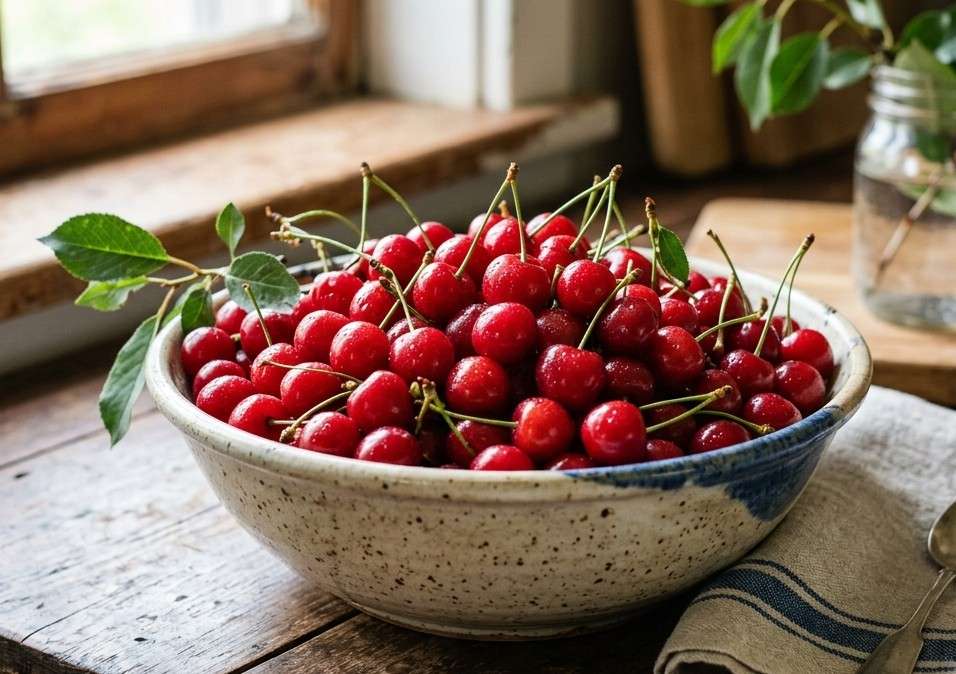
Tart cherries are among the most nutrient-dense fruits available and have gained worldwide attention for their potential health benefits. Unlike sweet cherries that are commonly eaten fresh as a snack, tart cherries have a pleasantly sour flavor and are widely used in juices, dried fruit, smoothies, desserts, jams, and dietary supplements. Their rich supply of antioxidants, vitamins, minerals, and natural plant compounds has made them a favorite among athletes, health-conscious individuals, and researchers alike.
One of the biggest reasons for the popularity of tart cherries is their naturally occurring anthocyanins, powerful antioxidants that give the fruit its deep red color. They also contain melatonin, vitamin C, potassium, fiber, and polyphenols that may support better sleep, muscle recovery, heart health, and reduced inflammation.
This guide explores everything you need to know about tart cherries, including their nutrition facts, science-backed health benefits, possible side effects, recommended intake, storage tips, precautions, and much more.
What are Tart Cherries?
Tart cherries (Prunus cerasus), also known as sour cherries or pie cherries, are small stone fruits that belong to the rose family. They are native to Europe and Southwest Asia but are now cultivated in many countries, especially the United States, Turkey, Poland, and Hungary.
Unlike sweet cherries (Prunus avium), tart cherries have a noticeably sour taste due to their lower natural sugar content and higher acidity. The most well-known variety is the Montmorency tart cherry, which accounts for the majority of tart cherry production in the United States.
Tart cherries are available in several forms, including:
- Fresh cherries
- Frozen cherries
- Dried cherries
- Tart cherry juice
- Concentrated juice
- Powder supplements
- Capsules
Their impressive nutritional profile and antioxidant content have made them popular in sports nutrition and healthy eating plans.
Nutrition Facts of Tart Cherries (Per 100 g Fresh)
| Nutrient | Amount |
|---|---|
| Calories | 50 kcal |
| Carbohydrates | 12 g |
| Natural Sugars | 8 g |
| Dietary Fiber | 1.6 g |
| Protein | 1 g |
| Fat | 0.3 g |
| Vitamin C | 10 mg |
| Vitamin A | 64 IU |
| Potassium | 173 mg |
| Calcium | 16 mg |
| Magnesium | 9 mg |
| Iron | 0.3 mg |
| Phosphorus | 15 mg |
| Anthocyanins | Naturally Present |
| Polyphenols | High |
| Melatonin | Naturally Present |
Values are approximate and may vary depending on variety and growing conditions.
20 Proven Health Benefits of Tart Cherries
- Rich in Antioxidants: Tart cherries contain anthocyanins and polyphenols that help protect cells from oxidative stress.
- Supports Better Sleep: Their natural melatonin content may improve sleep quality and help regulate the body’s sleep-wake cycle.
- Reduces Inflammation: The anti-inflammatory compounds may help reduce chronic inflammation throughout the body.
- Speeds Muscle Recovery: Athletes often consume tart cherry juice because it may reduce post-exercise muscle soreness.
- May Ease Joint Pain: Research suggests tart cherries may help reduce symptoms associated with osteoarthritis.
- Supports Heart Health: Their antioxidants and potassium may contribute to healthy blood pressure and cardiovascular function.
- Helps Lower Oxidative Stress: Regular intake may reduce free radical damage linked to aging and chronic diseases.
- Supports Immune Function: Vitamin C and plant antioxidants help maintain a healthy immune system.
- May Reduce Gout Attacks: Some studies associate tart cherry consumption with fewer gout flare-ups.
- Supports Healthy Blood Pressure: Potassium helps maintain proper fluid balance and healthy blood pressure levels.
- May Improve Exercise Performance: Reduced muscle damage may help athletes recover more quickly after strenuous workouts.
- Supports Brain Health: Polyphenols may help protect brain cells from oxidative damage.
- Promotes Healthy Digestion: Dietary fiber supports regular bowel movements and gut health.
- May Help Control Blood Sugar: The relatively low glycemic index may support healthy blood sugar management when eaten in moderation.
- Supports Healthy Skin: Vitamin C contributes to collagen production and skin repair.
- May Help Reduce Belly Fat: Some research suggests tart cherries may support healthy body composition alongside diet and exercise.
- Supports Eye Health: Vitamin A and antioxidants contribute to maintaining healthy vision.
- May Protect Against Cellular Aging: Antioxidants help combat oxidative damage associated with aging.
- Supports Bone Health: Potassium and other minerals contribute to healthy bone function.
- Provides Natural Hydration: Fresh tart cherries contain a high percentage of water that helps support hydration.
10 Side Effects of Tart Cherries
- Digestive Upset: Eating excessive amounts may cause bloating, gas, or stomach discomfort.
- Diarrhea: Large servings may lead to loose stools due to their fiber and sorbitol content.
- Allergic Reactions: Some individuals may experience itching, swelling, or skin reactions.
- Blood Sugar Concerns: Sweetened tart cherry juice products may contain added sugars that can affect blood glucose.
- Calorie Intake: Drinking large amounts of juice may increase daily calorie consumption.
- Medication Interactions: Tart cherries may interact with certain medications, although evidence remains limited.
- Kidney Concerns: Excessive intake of potassium-rich foods may not be suitable for individuals with advanced kidney disease.
- Stomach Acidity: The natural acidity may worsen acid reflux in sensitive individuals.
- Dental Health: Frequent consumption of sweetened juice may increase the risk of tooth decay.
- Overconsumption of Supplements: Taking concentrated tart cherry supplements beyond recommended amounts may increase the risk of digestive side effects.
How to Eat Tart Cherries?
There are many delicious ways to include tart cherries in your diet:
- Eat fresh tart cherries as a seasonal snack.
- Blend frozen tart cherries into smoothies.
- Drink unsweetened tart cherry juice.
- Add dried tart cherries to oatmeal.
- Mix into yogurt or cottage cheese.
- Sprinkle over breakfast cereal.
- Bake into muffins and pies.
- Add to homemade granola.
- Toss into green salads.
- Prepare homemade jam without excessive sugar.
- Blend into healthy sauces.
- Use in overnight oats.
- Mix into trail mix.
- Add to protein shakes.
- Make tart cherry popsicles.
Tips for Consuming Tart Cherries
- Choose fresh, firm, brightly colored cherries.
- Prefer unsweetened tart cherry juice whenever possible.
- Wash cherries thoroughly before eating.
- Remove pits before consumption.
- Pair cherries with protein for balanced snacks.
- Consume whole fruit more often than juice.
- Limit sweetened dried cherries.
- Store properly to preserve freshness.
- Rotate with other berries and fruits.
- Follow recommended serving sizes.
Other Uses of Tart Cherries
- Natural Baking Ingredient: Tart cherries add flavor to cakes, muffins, and pies.
- Smoothie Booster: They increase the antioxidant content of smoothies.
- Homemade Jam: Tart cherries make flavorful fruit preserves.
- Healthy Dessert Topping: They can be served over yogurt or frozen desserts.
- Salad Addition: Dried tart cherries add sweetness and texture to salads.
- Sauce Preparation: They are commonly used in savory sauces for poultry and meats.
- Breakfast Ingredient: Tart cherries enhance oatmeal and breakfast bowls.
- Sports Nutrition: Many athletes consume tart cherry juice during training.
- Frozen Treats: They can be used in sorbets and frozen fruit bars.
- Supplement Ingredient: Tart cherry extracts are widely used in capsules and powders.
How Much Tart Cherries Can You Eat in a Day?
The ideal amount of tart cherries depends on your age, health status, and whether you are eating the fresh fruit, drinking juice, or taking a supplement. For most healthy adults, moderate daily consumption can be a nutritious addition to a balanced diet.
General serving recommendations include:
- Fresh Tart Cherries: 1–2 cups (about 150–300 g) per day.
- Frozen Tart Cherries: 1–2 cups daily, as part of meals or snacks.
- Dried Tart Cherries: About ¼ cup (30–40 g) because drying concentrates the natural sugars and calories.
- Unsweetened Tart Cherry Juice: 8–16 ounces (240–480 ml) per day.
- Tart Cherry Concentrate: Follow the serving size recommended by the manufacturer, usually diluted with water.
If you are trying tart cherries for the first time, begin with a smaller serving to see how your digestive system responds. People with diabetes should choose unsweetened products and monitor portion sizes.
The appropriate dosage depends on the purpose of use.
| Purpose | Recommended Amount |
|---|---|
| General wellness | 1 cup fresh tart cherries daily |
| Antioxidant support | 1–2 cups fresh fruit |
| Muscle recovery | 8–12 oz unsweetened tart cherry juice after exercise |
| Sleep support | 8 oz tart cherry juice in the evening |
| Dried cherries | ¼ cup daily |
| Concentrate | Follow the product label |
| Capsules | As directed by a healthcare professional or manufacturer |
Avoid exceeding the recommended serving unless advised by a healthcare provider.
Best Time to Eat Tart Cherries
There is no single “best” time to eat tart cherries, but different times may provide different benefits.
- Morning with breakfast for a nutrient-rich start to the day.
- Mid-morning as a healthy snack between meals.
- Before exercise to provide natural carbohydrates and antioxidants.
- After workouts to support muscle recovery.
- With lunch as part of salads or grain bowls.
- In the evening if consuming tart cherry juice for potential sleep benefits.
- As a light dessert instead of sugary sweets.
Consistency is generally more important than timing.
Who Should Eat Tart Cherries?
- Athletes: Tart cherries may help reduce exercise-related muscle soreness and support recovery.
- Older Adults: Their antioxidants may help support healthy aging and joint function.
- People with Joint Discomfort: Some studies suggest tart cherries may help manage inflammation associated with osteoarthritis and gout.
- Individuals Seeking Better Sleep: The natural melatonin content may support healthy sleep patterns.
- Heart-Conscious Individuals: Potassium and polyphenols may contribute to cardiovascular health.
- People Looking for Antioxidant-Rich Foods: Tart cherries provide a variety of protective plant compounds.
- Individuals Supporting Immune Health: Vitamin C and antioxidants contribute to normal immune function.
- People Following a High-Fiber Diet: Fresh tart cherries provide dietary fiber that supports digestive health.
- Active Adults: They may benefit from tart cherries as part of post-workout nutrition.
- Those Seeking Healthier Snacks: Fresh tart cherries are a naturally nutritious alternative to processed snacks.
Who Should Not Eat Tart Cherries?
- People with Cherry Allergies: Individuals allergic to cherries should completely avoid tart cherries.
- People with Severe Kidney Disease: Due to their potassium content, intake may need to be limited under medical supervision.
- Individuals with Sensitive Digestion: Large servings may cause bloating, gas, or diarrhea.
- People with Acid Reflux: Their natural acidity may worsen symptoms in some individuals.
- Those Taking Certain Medications: Consult a healthcare provider before using tart cherry supplements alongside medications.
- People Monitoring Sugar Intake: Sweetened tart cherry juice products may contain significant added sugars.
- Children Consuming Supplements: Whole fruit is generally preferred unless advised by a healthcare professional.
- Individuals Following Low-Potassium Diets: Medical guidance may be necessary.
- People with Irritable Bowel Syndrome (IBS): Sorbitol and natural sugars may trigger digestive symptoms in sensitive individuals.
- Anyone with Unexplained Food Reactions: Stop consumption and seek medical advice if symptoms develop.
How to Store Tart Cherries?
- Refrigerate Immediately: Store fresh tart cherry in the refrigerator soon after purchase.
- Keep Them Dry: Avoid washing until just before eating to reduce moisture and spoilage.
- Use a Ventilated Container: Store them in a breathable container or perforated bag.
- Freeze for Long-Term Storage: Pit the cherries, spread them on a tray to freeze individually, then transfer to airtight freezer bags.
- Store Dried Cherries Properly: Keep dried tart cherries in an airtight container in a cool, dry place.
- Refrigerate Opened Juice: Once opened, tart cherry juice should be refrigerated and consumed within the time recommended on the label.
- Protect from Heat: Keep fresh and dried cherries away from direct sunlight and excessive heat.
- Discard Spoiled Fruit: Throw away cherries that become moldy, soft, or develop an unpleasant odor.
Precautions and Interactions
- Practice Portion Control: Excessive intake may lead to digestive discomfort and unnecessary calorie consumption.
- Choose Unsweetened Products: Unsweetened juice and dried fruit help reduce added sugar intake.
- Monitor Blood Sugar: People with diabetes should include tart cherries as part of their carbohydrate planning.
- Consult Your Healthcare Provider: Speak with a healthcare professional before using tart cherry supplements if you have chronic medical conditions.
- Be Aware of Allergies: Stop eating tart cherry immediately if allergic symptoms occur.
- Use Supplements Carefully: Follow the dosage instructions provided on the product label.
- Consider Kidney Health: Individuals with kidney disease should discuss potassium intake with their healthcare provider.
- Check Medication Compatibility: Ask your doctor or pharmacist about possible interactions if you regularly take prescription medications.
- Maintain a Balanced Diet: Tart cherry should complement—not replace—a varied diet rich in fruits, vegetables, whole grains, and lean proteins.
- Pregnancy and Breastfeeding: Fresh tart cherry are generally considered safe as part of a balanced diet, but concentrated supplements should only be used after consulting a healthcare professional.
FAQ’s
What do Tart Cherries taste like?
Tart cherry have a bold, tangy, and sour flavor with a slight natural sweetness. They are much less sweet than regular (sweet) cherries, making them ideal for juices, pies, jams, and sauces.
What is tart cherry called in India?
Tart cherries do not have a widely recognized Indian name because they are not commonly grown in India. They are usually sold as tart cherries, sour cherries, or pie cherries, especially in imported fresh, dried, or juice forms.
What is the difference between cherry and tart cherry?
The main difference is their taste and use. Sweet cherries are larger, sweeter, and commonly eaten fresh, while tart cherries are smaller, more sour, and are often used in juices, desserts, jams, and baking. Tart cherry also generally contain higher levels of anthocyanins and natural melatonin.
Why are tart cherries so expensive?
Tart cherry are more expensive because they have a short harvest season, lower yields than sweet cherries, higher labor costs for harvesting and processing, and are often sold as value-added products like juice, concentrate, or dried fruit. Their growing popularity as a health food also increases demand.
What are tart cherries good for?
Tart cherry are rich in antioxidants, vitamin C, potassium, and melatonin, which may support sleep, heart health, muscle recovery, and reduced inflammation.
Are tart cherries healthier than sweet cherries?
Both are nutritious, but tart cherry generally contain higher levels of anthocyanins and natural melatonin, making them especially popular for recovery and sleep support.
Can I eat tart cherries every day?
Yes. Most healthy adults can enjoy 1–2 cups of fresh tart cherry daily as part of a balanced diet.
Do tart cherries help you sleep?
Yes. Tart cherry naturally contain melatonin, which may help improve sleep quality and support a healthy sleep cycle.
Are tart cherries good for inflammation?
Yes. Their anthocyanins and polyphenols have anti-inflammatory properties that may help reduce inflammation in the body.
Can tart cherries help with gout?
Research suggests tart cherry may help lower uric acid levels and reduce the frequency of gout attacks when included as part of a healthy lifestyle.
Is tart cherry juice as healthy as fresh tart cherries?
Unsweetened tart cherry juice provides many beneficial nutrients, but whole cherries also contain fiber, making them an excellent choice.
Can people with diabetes eat tart cherries?
Yes. Fresh tart cherry can be enjoyed in moderation. People with diabetes should choose unsweetened products and monitor portion sizes.
Are dried tart cherries healthy?
Yes. Dried tart cherry are nutritious but are more concentrated in calories and natural sugars, so they should be eaten in moderation.
Can children eat tart cherries?
Yes. Fresh tart cherry are a healthy snack for most children, provided the pits are removed to prevent choking.
Are tart cherries safe during pregnancy?
Fresh tart cherry are generally safe to eat during pregnancy as part of a balanced diet. Consult your healthcare provider before using tart cherry supplements.
Can tart cherries help with muscle soreness?
Yes. Studies suggest tart cherry may reduce exercise-induced muscle soreness and support faster recovery after intense physical activity.
Do tart cherries help lower blood pressure?
Their potassium and antioxidant content may support healthy blood pressure as part of an overall heart-healthy diet.
Are tart cherries high in sugar?
Fresh tart cherry contain natural sugars but are lower in sugar than many sweet fruits. Avoid sweetened tart cherry products if limiting sugar intake.
Sources / References:
- U.S. Department of Agriculture (USDA) FoodData Central
- National Institutes of Health (NIH) – Office of Dietary Supplements
- Academy of Nutrition and Dietetics
- Harvard T.H. Chan School of Public Health – The Nutrition Source
- National Center for Complementary and Integrative Health (NCCIH)
- Michigan State University Extension – Tart Cherry Research and Nutrition Resources
About the Author:
Written by: Kirti Solanki (Health Content Researcher)
Kirti Solanki is a health content researcher who specializes in creating evidence-based, reader-friendly articles on nutrition, healthy foods, wellness, pregnancy, and preventive healthcare. Every article is carefully researched using reputable medical and nutrition sources to provide accurate, practical, and up-to-date information for readers.
Disclaimer:
This guide is for educational purposes only and should not replace professional medical advice, diagnosis, or treatment. Always consult a qualified healthcare provider before making significant changes to your diet, using supplements, or managing any medical condition.
Also Read: