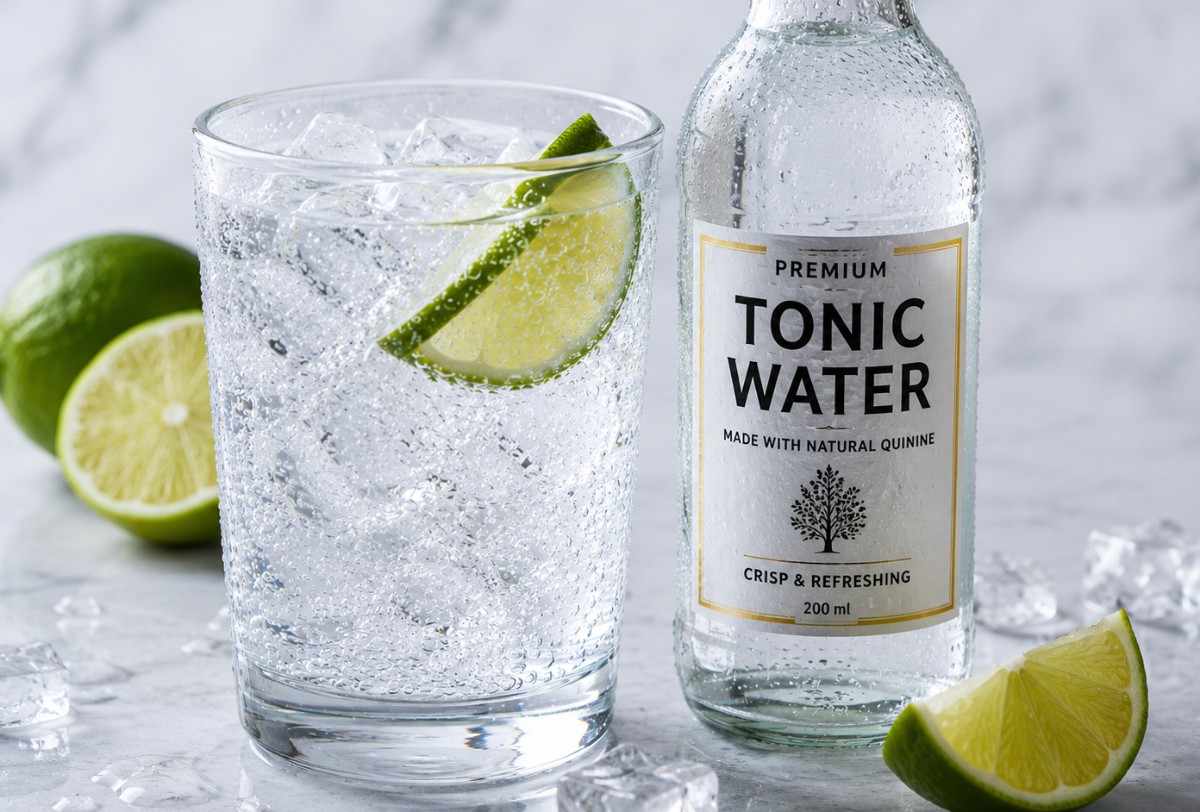
Tonic water is a popular carbonated beverage known for its distinctive bitter taste and refreshing fizz. Originally developed as a medicinal drink containing quinine to help prevent malaria, tonic water has evolved into a widely consumed beverage enjoyed on its own or as a mixer in cocktails. While modern tonic water contains much lower amounts of quinine than medicinal formulations, it still retains its characteristic flavor and offers some potential health benefits.
In this guide, we’ll explore everything you need to know about tonic water (also known as Quinine Water or Carbonated Tonic Beverage), including its nutritional profile, science-backed health benefits, possible side effects, preparation methods, storage tips, and precautions.
What is Tonic Water?
Tonic water is a carbonated soft drink that contains dissolved quinine, sweeteners, and flavorings. Quinine is a naturally occurring compound extracted from the bark of the cinchona tree, native to South America. The ingredient gives tonic water its signature bitter taste.
Historically, tonic water was used by British soldiers stationed in tropical regions as a way to consume quinine for malaria prevention. Today, tonic water is primarily consumed as a refreshing beverage and cocktail mixer, though it still contains small amounts of quinine. Unlike sparkling water or club soda, tonic water contains added sugars or artificial sweeteners and has a unique bitter flavor profile.
Nutrition Facts of Tonic Water
The nutritional values may vary by brand and formulation. The following nutritional values are approximate for one serving (12 fl oz or 355 ml) of regular tonic water.
| Nutrient | Amount Per 355 ml |
|---|---|
| Calories | 120-130 |
| Carbohydrates | 32-34 g |
| Sugars | 31-33 g |
| Protein | 0 g |
| Fat | 0 g |
| Fiber | 0 g |
| Sodium | 40-50 mg |
| Potassium | 5-10 mg |
| Calcium | 0-5 mg |
| Quinine | Up to 83 mg/L (FDA limit) |
| Caffeine | 0 mg |
| Cholesterol | 0 mg |
20 Proven Benefits of Tonic Water
- Hydration Support: The high water content in Quinine water can contribute to daily fluid intake and help maintain hydration.
- Contains Quinine: Tonic water provides small amounts of quinine, a compound historically used for malaria treatment.
- May Help Leg Cramps: Some individuals report relief from nighttime leg cramps due to the quinine content, although evidence remains limited.
- Refreshing Beverage Alternative: Quinine water offers a flavorful alternative to sugary sodas and certain high-calorie drinks.
- Supports Fluid Balance: The beverage helps replenish fluids lost through daily activities and sweating.
- Low in Fat: Quinine water contains virtually no fat, making it suitable for low-fat dietary plans.
- Caffeine-Free Hydration: Unlike many soft drinks, tonic water is naturally caffeine-free and does not contribute to caffeine intake.
- May Reduce Beverage Boredom: The distinctive bitter taste can encourage greater fluid consumption among people who dislike plain water.
- Provides Quick Energy: The sugar content can offer a rapid source of energy during periods of low blood sugar.
- Can Aid Social Enjoyment: Consuming tonic water as a non-alcoholic beverage may support social participation without alcohol intake.
- Contains Antioxidant Compounds: Quinine and certain botanical ingredients may provide mild antioxidant activity.
- May Support Digestive Comfort: Carbonation may help some individuals experience temporary relief from mild indigestion.
- Can Increase Satiety: Carbonated beverages may create a feeling of fullness that could reduce excessive snacking.
- Versatile Beverage Option: Tonic water can be mixed with citrus fruits and herbs for flavorful low-alcohol or alcohol-free drinks.
- May Promote Mindful Drinking: The bitter flavor often encourages slower sipping compared to sweet soft drinks.
- Convenient Hydration Source: Ready-to-drink Quinine water provides a practical option when plain water is unavailable.
- May Enhance Flavor Perception: Bitterness can stimulate taste receptors and create a more engaging sensory experience.
- Useful Cocktail Substitute: Tonic water can replace higher-calorie mixers in various beverages.
- Provides Carbonation Enjoyment: The fizz may improve beverage satisfaction for those who enjoy sparkling drinks.
- Supports Variety in Diet: Including different beverages in moderation can help maintain dietary variety and enjoyment.
Related Articles:
- Mint Water: 20 Benefits, Side Effects & How to Make It
- Watermelon Water: 20 Benefits, Side Effects & How to Make It
- Baobab Water: 20 Benefits, Side Effects, Uses & How to Make It
10 Side Effects of Tonic Water
- High Sugar Intake: Regular Quinine water may contribute significant amounts of added sugar and calories.
- Blood Sugar Spikes: The sugar content can cause rapid increases in blood glucose levels.
- Quinine Sensitivity: Some individuals may experience allergic reactions or sensitivity to quinine.
- Headaches: Excessive consumption may trigger headaches in sensitive people.
- Digestive Discomfort: Carbonation can cause bloating, gas, or stomach discomfort.
- Nausea: Quinine may occasionally cause mild nausea in susceptible individuals.
- Medication Interactions: Quinine can interact with certain medications, including blood thinners.
- Heart Rhythm Effects: High quinine exposure may affect heart rhythm in rare cases.
- Sleep Disturbances: Drinking large quantities late in the evening may cause digestive discomfort that disrupts sleep.
- Weight Gain Risk: Frequent consumption of sugary tonic water may contribute to excess calorie intake and weight gain.
How to Make Tonic Water?
Making homemade Quinine water allows you to control sweetness and flavor intensity.
Ingredients:
- 4 cups water
- 2 tablespoons cinchona bark (food-grade)
- 1 tablespoon citric acid
- 1 cup sugar or preferred sweetener
- 1 tablespoon lemongrass
- 1 tablespoon orange peel
- 1 tablespoon lime peel
- Sparkling water for serving
Instructions:
Step 1: Boil the Ingredients:
Combine water, cinchona bark, citric acid, lemongrass, and citrus peels in a saucepan.
Step 2: Simmer:
Reduce heat and simmer for approximately 30-40 minutes.
Step 3: Strain:
Strain the liquid through a fine mesh strainer or cheesecloth.
Step 4: Add Sweetener:
Stir in sugar while the liquid is still warm until dissolved.
Step 5: Cool Completely:
Allow the concentrate to cool to room temperature.
Step 6: Refrigerate:
Store the concentrate in a sealed container.
Step 7: Serve:
Mix one part concentrate with three to four parts sparkling water before drinking.
Tips for Consuming Tonic Water
- Choose low-sugar or diet varieties when possible.
- Consume in moderation due to sugar and quinine content.
- Add fresh lemon, lime, or cucumber for extra flavor.
- Drink chilled for the best taste experience.
- Read labels to compare sugar levels among brands.
- Use tonic water as an occasional beverage rather than a primary hydration source.
- Pair it with healthy meals and snacks.
- Avoid excessive consumption before bedtime if carbonation causes discomfort.
- Stay mindful of total daily sugar intake.
- Consult a healthcare provider if using Quinine water regularly for leg cramps.
Other Uses of Tonic Water
Cocktail Mixer
Quinine water is commonly used in cocktails, especially gin and tonic.
Mocktails
It serves as a refreshing base for non-alcoholic beverages.
Culinary Applications
Some recipes use Quinine water in marinades, desserts, and flavored syrups.
Flavor Enhancement
The bitterness can add complexity to mixed beverages.
Party Beverages
Tonic water is often included in drink stations and social gatherings.
Fruit Infusions
It pairs well with citrus fruits, berries, and herbs.
How Much Tonic Water Can You Drink in a Day?
For most healthy adults, moderate consumption of one to two servings (8–12 ounces each) per day is generally considered reasonable.
However, the ideal amount depends on:
- Individual health status
- Sugar tolerance
- Medication use
- Sensitivity to quinine
- Overall beverage consumption
People with medical conditions or those taking medications should consult a healthcare professional before consuming Quinine water regularly.
Best Time to Drink Tonic Water
Morning
A chilled glass can provide a refreshing start to the day.
Afternoon
It can serve as a flavorful alternative to sugary sodas during lunch or breaks.
Post-Exercise
Occasional consumption may help replenish fluids, though water remains the preferred hydration source.
Social Gatherings
Tonic water is often enjoyed during meals and social events.
Early Evening
Many people enjoy Quinine water as part of mocktails or cocktails before dinner.
Who Should Drink Tonic Water?
- People Seeking Beverage Variety: Individuals looking for alternatives to plain water may enjoy Quinine water’s distinctive flavor.
- Those Who Prefer Caffeine-Free Drinks: Quinine water provides refreshment without caffeine.
- Social Drinkers Avoiding Alcohol: It works well as a sophisticated non-alcoholic beverage option.
- People Enjoying Carbonated Drinks: Those who like fizzy beverages may find Quinine water satisfying.
- Adults Seeking Occasional Refreshment: Moderate consumption can fit into a balanced diet.
- Mocktail Enthusiasts: Quinine water serves as a versatile ingredient for creative non-alcoholic drinks.
- People Looking for Unique Flavors: The bitter-sweet profile appeals to adventurous palates.
- Individuals Reducing Soda Consumption: It may help replace certain high-calorie soft drinks.
- Hospitality Hosts: Quinine water is a useful beverage for entertaining guests.
- People Who Enjoy Citrus Pairings: It complements lemon, lime, and grapefruit flavors exceptionally well.
Who Should Avoid Tonic Water?
- People Allergic to Quinine: Individuals with quinine sensitivity should avoid Quinine water completely.
- Pregnant Women Without Medical Advice: Consultation with a healthcare provider is recommended before consumption.
- Individuals Taking Blood Thinners: Quinine may interact with anticoagulant medications.
- People with Kidney Disease: Medical supervision may be necessary before regular consumption.
- Individuals with Heart Rhythm Disorders: Quinine can affect cardiac function in susceptible people.
- People with Low Blood Sugar Concerns: Sugary Quinine water may cause fluctuations in blood glucose.
- Children: Regular consumption is generally unnecessary due to quinine content.
- People with Chronic Liver Conditions: Consultation with a healthcare professional is advisable.
- Individuals Experiencing Quinine Side Effects: Anyone who develops symptoms should discontinue use.
- People Using Certain Prescription Medications: Potential drug interactions should be reviewed by a healthcare provider.
How to Store Tonic Water?
- Keep Bottles Sealed: Always close containers tightly to preserve carbonation.
- Store in a Cool Place: Keep unopened Quinine water away from direct sunlight and heat.
- Refrigerate After Opening: Chilling helps maintain freshness and carbonation.
- Avoid Temperature Fluctuations: Consistent storage temperatures improve quality.
- Use Clean Glasses: Prevent contamination by serving in clean containers.
- Check Expiration Dates: Consume before the manufacturer’s recommended date.
- Keep Away from Strong Odors: Quinine water may absorb surrounding smells.
- Store Upright: Keeping bottles upright helps preserve quality.
- Consume Promptly After Opening: Carbonation gradually decreases after opening.
- Monitor Appearance: Discard Quinine water if it develops unusual color, odor, or taste.
Precautions and Interactions
Although tonic water is generally safe when consumed in moderation, certain precautions should be considered.
Medication Interactions
Quinine may interact with:
- Blood-thinning medications
- Heart rhythm medications
- Certain antibiotics
- Antidepressants
- Anti-seizure medications
Consult a healthcare provider if you take prescription medications regularly.
Pregnancy and Breastfeeding
Pregnant and breastfeeding women should seek medical advice before consuming tonic water frequently due to quinine content.
Medical Conditions
People with the following conditions should exercise caution:
- Heart disease
- Kidney disease
- Liver disorders
- Blood clotting disorders
- Quinine allergies
Sugar Content Considerations
Regular Quinine water often contains significant added sugar. Individuals with diabetes or those managing weight should consider low-calorie alternatives and monitor overall sugar intake.
Overconsumption Risks
Excessive Quinine water intake may increase exposure to quinine and added sugars, potentially leading to unwanted health effects.
Conclusion
Tonic water is a unique carbonated beverage with a fascinating history rooted in medicinal use. Its characteristic bitterness comes from quinine, a compound derived from cinchona bark. While modern Quinine water is primarily consumed as a refreshing drink and cocktail mixer, it can contribute to hydration and offer a flavorful alternative to traditional soft drinks.
However, Quinine water should be enjoyed in moderation due to its sugar content and the presence of quinine. Choosing low-sugar varieties, monitoring consumption, and considering individual health conditions can help ensure a safe and enjoyable experience.
FAQ’s
What is tonic water good for?
Quinine water is primarily used as a refreshing beverage and cocktail mixer. It may help with hydration and contains small amounts of quinine, which has historically been used for malaria treatment.
Can I drink tonic water every day?
Yes, most healthy adults can drink Quinine water in moderation. However, regular consumption of sugary tonic water may increase calorie and sugar intake.
Does tonic water help with leg cramps?
Some people use Quinine water for leg cramps because it contains quinine, but scientific evidence is limited, and it should not be considered a primary treatment.
Is tonic water healthier than soda?
Tonic water may contain fewer calories than some sodas, but it still often contains added sugars. Nutritional value varies by brand.
Does tonic water contain caffeine?
No, Quinine water is naturally caffeine-free.
What does tonic water taste like?
Quinine water has a unique sweet, bitter, and slightly citrusy flavor due to the presence of quinine.
How long does it take for tonic water to work?
If consumed for hydration or refreshment, its effects are immediate. For leg cramps, there is no guaranteed timeframe, and results vary among individuals.
What does tonic water smell like?
Quinine water usually has a mild citrus-like aroma with subtle botanical notes and little to no strong scent.
Is tonic water safe for pregnant women?
Pregnant women should consult their healthcare provider before drinking Quinine water regularly because it contains quinine.
Is tonic water safe for children?
Occasional consumption is generally considered safe, but Quinine water is not recommended as a regular beverage for children due to its quinine and sugar content.
Can people with diabetes drink tonic water?
People with diabetes should choose sugar-free or diet Quinine water options and monitor their carbohydrate intake.
Is tonic water alcoholic?
No, tonic water itself does not contain alcohol. It is a non-alcoholic carbonated beverage.
Can tonic water help with hydration?
Yes, Quinine water contributes to fluid intake, although plain water remains the best option for hydration.
What is the difference between tonic water and sparkling water?
Tonic water contains quinine and sweeteners, while sparkling water is simply carbonated water without added sugars or quinine.
Is tonic water good for weight loss?
Quinine water is not a weight-loss drink. Choosing diet or sugar-free versions may help reduce calorie intake.
What is quinine in tonic water?
Quinine is a natural compound extracted from cinchona tree bark that gives Quinine water its characteristic bitter taste.
Why did soldiers drink tonic water?
Soldiers drank Quinine water because it contained quinine, which was used to help prevent malaria.
Is tonic water OK for your kidneys?
Moderate consumption is generally safe for healthy people, but those with kidney disease should consult a doctor.
Which is better, tonic water or Coke?
Quinine water is usually caffeine-free and may have fewer calories, but both can be high in sugar.
Is tonic water high in sugar?
Yes, regular Quinine water contains about 30–35 grams of sugar per 12-ounce serving.
Is tonic water OK for your liver?
Moderate intake is generally safe, but excessive consumption of sugary Quinine water may negatively affect liver health over time.
Also Read:
- Sparkling Water: 20 Benefits, Side Effects & How to Make It
- Chlorophyll Water: 20 Benefits, Side Effects & How to Make It
- Ginger Ale: 20 Benefits, Side Effects, Types & How to Make It
Sources / References:
- U.S. Food & Drug Administration (FDA) – Quinine in Beverages
- National Institutes of Health (NIH)
- MedlinePlus – Quinine Information
- Healthline – Tonic Water Overview
- WebMD – Quinine and Tonic Water Facts
- Mayo Clinic
About the Author:
Written by: Kirti Solanki (Health Content Researcher)
Kirti Solanki is a health content researcher dedicated to creating evidence-based, easy-to-understand articles on nutrition, wellness, pregnancy, parenting, and healthy living. Her goal is to help readers make informed lifestyle and dietary choices through reliable health information.
Disclaimer:
This guide is for educational purposes only and is not intended to replace professional medical advice, diagnosis, or treatment. Always consult a qualified healthcare provider before making significant changes to your diet, lifestyle, or health routine.