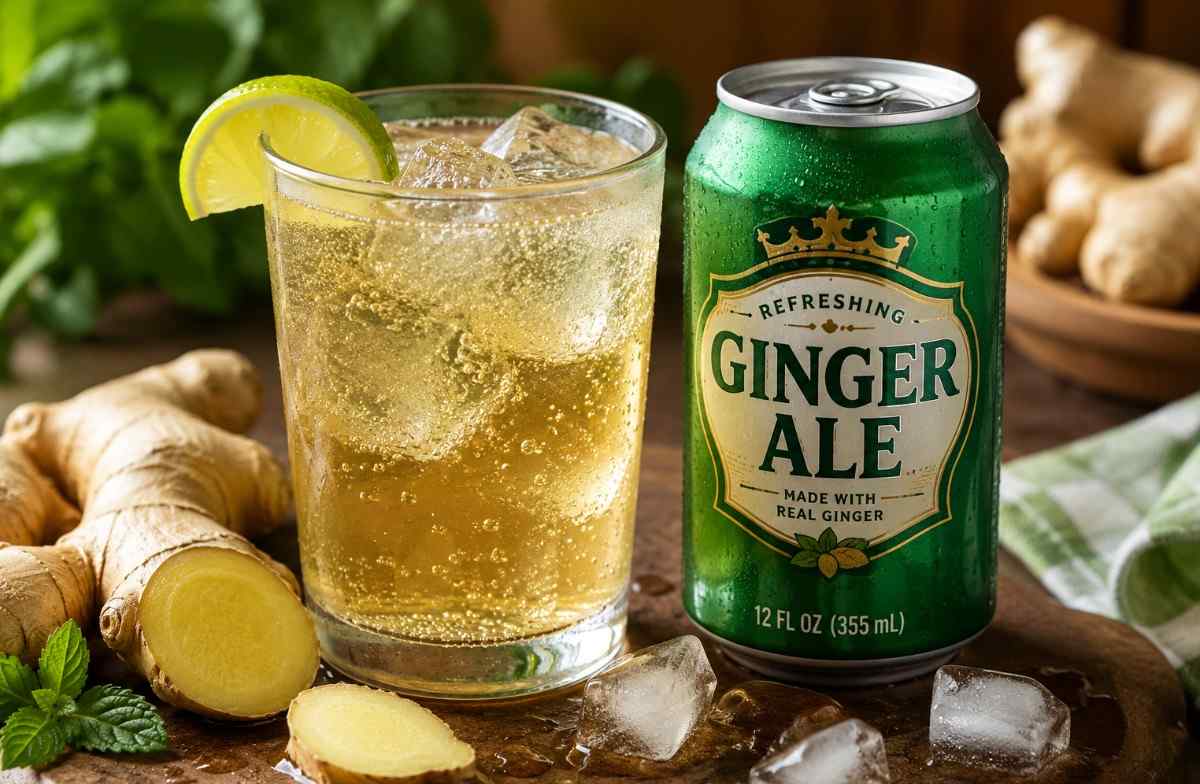
Ginger ale is one of the most popular carbonated beverages in the world. Known for its refreshing taste and mild ginger flavor, it is commonly consumed as a soft drink, mixer, or home remedy for digestive discomfort. Traditional ginger ale was made by fermenting ginger, sugar, and water, while many modern commercial versions contain carbonated water, sweeteners, and ginger flavoring.
Although ginger ale is often associated with soothing nausea and stomach upset, its health effects depend largely on the ingredients used. Natural ginger ale (also known as ginger soda, sparkling ginger drink or ginger-flavored carbonated beverage) made with real ginger may offer several benefits, while heavily sweetened versions should be consumed in moderation.
What is Ginger Ale?
Ginger ale is a carbonated beverage flavored primarily with ginger. It originated in the 19th century and has evolved into different styles ranging from naturally fermented drinks to commercially manufactured soft drinks. The beverage combines the spicy warmth of ginger with a fizzy and refreshing texture.
Traditionally, ginger ale was made through fermentation, which produced natural carbonation and beneficial compounds from ginger. Today, most commercial brands use carbonated water, sweeteners, and ginger extracts or flavorings.
Nutrition Facts of Ginger Ale
The nutritional value varies depending on the brand and ingredients. The following nutritional values are approximate for one 12-ounce (355 ml) serving of regular ginger ale.
| Nutrient | Amount |
|---|---|
| Calories | 120–140 |
| Carbohydrates | 30–35 g |
| Sugar | 28–34 g |
| Protein | 0 g |
| Fat | 0 g |
| Fiber | 0 g |
| Sodium | 10–40 mg |
| Potassium | 0–10 mg |
| Calcium | 0–20 mg |
| Caffeine | 0 mg |
| Water Content | About 90% |
Types of Ginger Ale
1. Traditional Ginger Ale: Made through natural fermentation using ginger, sugar, water, and beneficial microorganisms.
2. Dry Ginger Ale: A lighter, milder, and sweeter version commonly found in stores.
3. Golden Ginger Ale: Contains a stronger ginger flavor and darker color than dry ginger ale.
4. Diet Ginger Ale: Uses artificial or natural low-calorie sweeteners instead of sugar.
5. Craft Ginger Ale: Produced in small batches using real ginger and natural ingredients.
6. Homemade Ginger Ale: Prepared at home with fresh ginger, sparkling water, and sweeteners.
7. Organic Ginger Ale: Made with organic ginger and naturally sourced ingredients.
20 Proven Health Benefits of Ginger Ale
- May Help Relieve Nausea: Ginger compounds may help reduce nausea associated with motion sickness, pregnancy, and digestive discomfort.
- Supports Digestion: Ginger may stimulate digestive enzymes and improve food breakdown.
- May Reduce Bloating: The ginger content may help reduce gas formation and abdominal bloating.
- Can Ease Stomach Upset: Ginger has long been used to soothe mild digestive disturbances.
- Provides Hydration: Ginger ale contributes fluids that help support daily hydration needs.
- May Help During Illness: The refreshing carbonation can make fluid intake easier when feeling unwell.
- Contains Antioxidants: Real ginger provides antioxidants that help combat oxidative stress.
- May Reduce Inflammation: Ginger contains bioactive compounds that possess anti-inflammatory properties.
- Could Support Immune Function: Ginger’s natural compounds may contribute to immune health.
- May Help With Motion Sickness: Ginger has been studied for reducing symptoms associated with travel-related nausea.
- Can Improve Palatability of Fluids: The pleasant flavor may encourage increased fluid consumption.
- May Provide Mild Energy: Sugar-containing ginger ale can offer a quick source of carbohydrates.
- Supports Recovery From Digestive Distress: The beverage may be easier to tolerate than some foods during digestive discomfort.
- May Help Reduce Morning Sickness: Ginger is commonly used to help manage pregnancy-related nausea under medical guidance.
- Can Refresh the Body: Carbonation and flavor create a cooling and refreshing sensation.
- May Support Circulation: Certain ginger compounds have been linked to improved circulation.
- Could Help Reduce Muscle Discomfort: Ginger has been studied for its potential role in reducing exercise-related soreness.
- May Promote Appetite: Ginger may help stimulate appetite in some individuals.
- Can Be Used as a Low-Caffeine Alternative: Ginger ale provides a caffeine-free beverage option.
- May Improve Overall Beverage Variety: It offers an alternative to caffeinated and alcoholic drinks.
Related Articles:
- Lemon Ginger Tea: 20 Benefits, Side Effects & How to Make It
- Ginger Oil: 20 Benefits, Side Effects, Uses, Dosage & How to Make
- Ginger Water: 20 Benefits, Side Effects, Uses & How to Make It
10 Side Effects of Ginger Ale
- High Sugar Intake: Regular ginger ale may contribute significant amounts of added sugar.
- Weight Gain Risk: Excessive consumption can increase overall calorie intake.
- Blood Sugar Spikes: Sweetened varieties may cause rapid increases in blood glucose levels.
- Dental Problems: Sugar and acidity may contribute to tooth decay and enamel erosion.
- Digestive Discomfort: Carbonation may cause bloating or gas in sensitive individuals.
- Heartburn Aggravation: Some people may experience worsened acid reflux symptoms.
- Artificial Sweetener Sensitivity: Diet versions may trigger digestive issues in certain individuals.
- Potential Medication Interactions: Ginger may interact with some blood-thinning medications.
- Allergic Reactions: Rare allergies to ginger or beverage ingredients may occur.
- Reduced Nutritional Value: Frequent replacement of healthier beverages with ginger ale may reduce nutrient intake.
How to Make Ginger Ale?
Ingredients:
- 1 cup fresh ginger, grated
- 4 cups water
- ½ cup sugar, honey, or preferred sweetener
- 2 tablespoons lemon juice
- 4 cups sparkling water
Instructions:
- Add grated ginger and water to a saucepan.
- Bring to a boil and simmer for 20–30 minutes.
- Strain the liquid into a container.
- Stir in sugar or honey until dissolved.
- Allow the mixture to cool completely.
- Add lemon juice.
- Mix with sparkling water before serving.
- Serve chilled over ice.
Tips for Consuming Ginger Ale
- Choose varieties made with real ginger whenever possible.
- Read nutrition labels to monitor sugar content.
- Consume in moderation as part of a balanced diet.
- Serve chilled for a more refreshing experience.
- Pair with light meals if using for digestive comfort.
- Consider homemade versions to control ingredients.
- Drink slowly to reduce excessive gas buildup.
- Use as an occasional treat rather than a primary beverage.
Other Uses of Ginger Ale
- Mixer for mocktails and cocktails.
- Base for fruit punches.
- Ingredient in marinades and sauces.
- Flavor enhancer in desserts.
- Addition to smoothies.
- Cooking liquid for certain recipes.
- Homemade frozen treats.
- Beverage for social gatherings.
How Much Ginger Ale Can You Drink in a Day?
The ideal amount depends on the type of ginger soda and individual health needs.
- Unsweetened or low-sugar ginger ale: 1–2 servings (240–480 ml) daily may be reasonable for most healthy adults.
- Regular sugary ginger ale: Limit to occasional consumption due to high added sugar content.
- Individuals with diabetes or blood sugar concerns should consult a healthcare professional regarding appropriate intake.
Best Time to Drink Ginger Ale
- During episodes of mild nausea.
- After meals to support digestion.
- During travel to help manage motion sickness.
- While recovering from minor stomach discomfort.
- As a refreshing afternoon beverage.
- During hot weather for hydration support.
- At social events as a caffeine-free drink option.
Who Should Drink Ginger Ale?
- People Experiencing Mild Nausea: Ginger may help ease feelings of nausea and stomach discomfort.
- Travelers: Individuals prone to motion sickness may benefit from ginger-containing beverages.
- Those Seeking a Caffeine-Free Drink: Ginger soda provides a refreshing alternative to caffeinated beverages.
- People Recovering From Minor Illness: The mild flavor may be easier to tolerate during recovery.
- Individuals Looking for Hydration Variety: It can add variety to fluid intake when consumed responsibly.
- Adults Seeking Digestive Support: Ginger may help support digestive comfort after meals.
- Athletes Needing Quick Carbohydrates: Regular ginger soda may provide a fast energy source when appropriate.
- People Who Enjoy Carbonated Drinks: It can be an alternative to cola and caffeinated sodas.
Who Should Avoid Ginger Ale?
- People With Diabetes: Sugary varieties may negatively affect blood glucose control.
- Individuals With Acid Reflux: Carbonation may worsen symptoms in some cases.
- Those Following Low-Sugar Diets: Regular ginger soda can contribute substantial added sugars.
- People Sensitive to Carbonation: Gas and bloating may occur.
- Individuals With Ginger Allergies: Consumption may trigger allergic reactions.
- People Taking Blood Thinners: High ginger intake may interact with certain medications.
- Those Trying to Lose Weight: Frequent consumption may increase calorie intake.
- Children Consuming Excessive Sugar: Regular sugary beverages should be limited.
How to Store Ginger Ale?
- Keep Bottles Sealed: Store unopened containers tightly sealed to preserve carbonation.
- Refrigerate After Opening: Cold storage helps maintain freshness and fizz.
- Avoid Direct Sunlight: Sun exposure may affect flavor quality.
- Store in a Cool Place: Excessive heat can reduce carbonation.
- Check Expiration Dates: Consume before the recommended date for best quality.
- Use Clean Containers for Homemade Versions: Proper containers reduce contamination risk.
- Keep Homemade Ginger Ale Refrigerated: Fresh preparations should remain chilled.
- Consume Opened Bottles Promptly: Carbonation and flavor diminish over time.
Precautions and Interactions
While ginger ale is generally safe when consumed in moderation, certain precautions should be considered:
- Individuals with diabetes should monitor sugar intake carefully.
- People taking anticoagulant or blood-thinning medications should discuss ginger consumption with their healthcare provider.
- Pregnant women should consult a healthcare professional regarding ginger intake, especially in large amounts.
- Those with gastrointestinal disorders should monitor how carbonation affects symptoms.
- Homemade ginger soda should be prepared using clean equipment to minimize contamination risks.
- Avoid relying on ginger soda as a treatment for serious digestive or medical conditions.
- Check ingredient labels, as many commercial products contain little actual ginger.
- Consume sugary varieties sparingly to reduce the risk of weight gain and dental problems.
Conclusion
Ginger ale is a refreshing carbonated beverage that combines the distinctive flavor of ginger with sparkling water and sweeteners. Traditional and homemade versions made with real ginger may provide digestive support, help ease nausea, and contribute beneficial antioxidants. However, many commercial varieties are high in added sugars and should be enjoyed in moderation. Choosing products made with real ginger, limiting sugar intake, and incorporating ginger soda into a balanced diet can help maximize its benefits while minimizing potential drawbacks.
FAQ’s
How to choose a healthier ginger ale?
Look for ginger soda made with real ginger, minimal ingredients, lower sugar content, and no artificial colors or excessive additives. Homemade or naturally flavored options are often healthier choices.
What does Ginger Ale smell like?
Ginger soda typically has a fresh, slightly spicy, sweet aroma with noticeable ginger notes and a light citrus-like scent in some varieties.
Is ginger ale an alcoholic drink?
No, most commercial ginger sodas are non-alcoholic soft drinks. However, some traditional fermented versions may contain trace amounts of alcohol.
What is ginger ale made of?
Ginger soda is usually made from carbonated water, ginger flavoring or ginger extract, sweeteners, and sometimes lemon or other natural flavorings.
Is ginger ale better than Coke?
Ginger soda is caffeine-free and may contain fewer additives than some colas, but both can be high in sugar. The healthier choice depends on the specific brand and ingredients.
What’s better when sick, Sprite or ginger ale?
Ginger soda made with real ginger is often preferred because ginger may help reduce nausea and soothe digestive discomfort, while Sprite mainly provides hydration and carbohydrates.
Is ginger ale bad for a stomach bug?
In moderation, ginger soda made with real ginger may help ease nausea, but sugary versions can sometimes worsen digestive symptoms. Water and oral rehydration solutions are generally better choices for stomach bugs.
Can ginger ale be a laxative?
Ginger soda is not considered a laxative. However, ginger may stimulate digestion, and carbonation can increase bowel activity in some individuals.
Can ginger ale cause loose stools?
Yes, excessive consumption of ginger soda, especially sugary or artificially sweetened varieties, may contribute to loose stools or digestive discomfort in sensitive individuals.
What is Ginger Ale good for?
Ginger soda is commonly used to help relieve mild nausea, motion sickness, digestive discomfort, and bloating, while also providing a refreshing and hydrating beverage option.
Is Ginger Ale made from real ginger?
Some ginger sodas contain real ginger extract or fresh ginger, while many commercial brands use artificial flavors or small amounts of ginger flavoring.
Can Ginger Ale help with an upset stomach?
Yes, ginger is traditionally used to soothe digestive issues, and ginger soda made with real ginger may help ease mild stomach discomfort.
Is Ginger Ale healthy?
Ginger soda can be part of a balanced diet when consumed in moderation, but many commercial varieties are high in added sugar and offer limited nutritional value.
Does Ginger Ale contain caffeine?
Most ginger soda brands are naturally caffeine-free, making them a popular alternative to cola and other caffeinated soft drinks.
Can Ginger Ale help with nausea?
Yes, ginger has been studied for its ability to reduce nausea caused by motion sickness, pregnancy, and certain medical treatments.
Is Ginger Ale safe during pregnancy?
Many pregnant women use ginger-containing beverages for morning sickness relief, but it is best to consult a healthcare provider before consuming it regularly.
Can people with diabetes drink Ginger Ale?
People with diabetes should choose sugar-free or low-sugar varieties and monitor their blood sugar levels carefully.
What does Ginger Ale taste like?
Ginger soda has a sweet, fizzy, and mildly spicy flavor with subtle notes of fresh ginger.
How long does it take for Ginger Ale to work?
When used for nausea or digestive discomfort, some people may notice relief within 15 to 30 minutes, though results vary.
Can Ginger Ale cause bloating?
Yes, the carbonation in ginger soda may cause gas, bloating, or burping in sensitive individuals.
Is Ginger Ale better than soda?
Ginger ale may be a better choice than some caffeinated sodas, but sugary versions still contain significant amounts of added sugar.
Can children drink Ginger Ale?
Children can drink ginger soda occasionally, but intake should be limited due to its sugar content.
What is the difference between ginger beer and ginger ale?
Ginger beer typically has a stronger ginger flavor and is often fermented, while ginger soda is lighter, sweeter, and more carbonated.
Can I drink Ginger Ale every day?
Occasional daily consumption of low-sugar or homemade ginger soda may be acceptable, but regular sugary versions should be consumed in moderation.
Does Ginger Ale help with hydration?
Ginger soda contains water and can contribute to hydration, though plain water remains the healthiest hydration choice.
Is diet Ginger Ale healthier than regular Ginger Ale?
Diet ginger soda contains fewer calories and less sugar, but it may contain artificial sweeteners that some people prefer to avoid.
Also Read:
- Sparkling Water: 20 Benefits, Side Effects & How to Make It
- Chlorophyll Water: 20 Benefits, Side Effects & How to Make It
- Watermelon Water: 20 Benefits, Side Effects & How to Make It
Sources / References:
- National Center for Biotechnology Information (NCBI)
- Harvard T.H. Chan School of Public Health
- Cleveland Clinic
- Johns Hopkins Medicine
- WebMD
- U.S. Department of Agriculture (USDA FoodData Central)
- Medical News Today
About the Author:
Written by: Kirti Solanki (Health Content Researcher)
Kirti Solanki is a health content researcher and writer who specializes in creating easy-to-understand, research-backed articles on nutrition, wellness, natural remedies, and healthy living. Her goal is to simplify complex health topics and provide readers with practical, reliable information to support informed lifestyle choices.
Disclaimer:
This guide is for educational and informational purposes only and is not intended as medical advice. Ginger ale is not a substitute for professional medical diagnosis, treatment, or healthcare guidance. Always consult a qualified healthcare provider before making significant dietary or health-related decisions, especially if you have an underlying medical condition, are pregnant, or are taking medications.