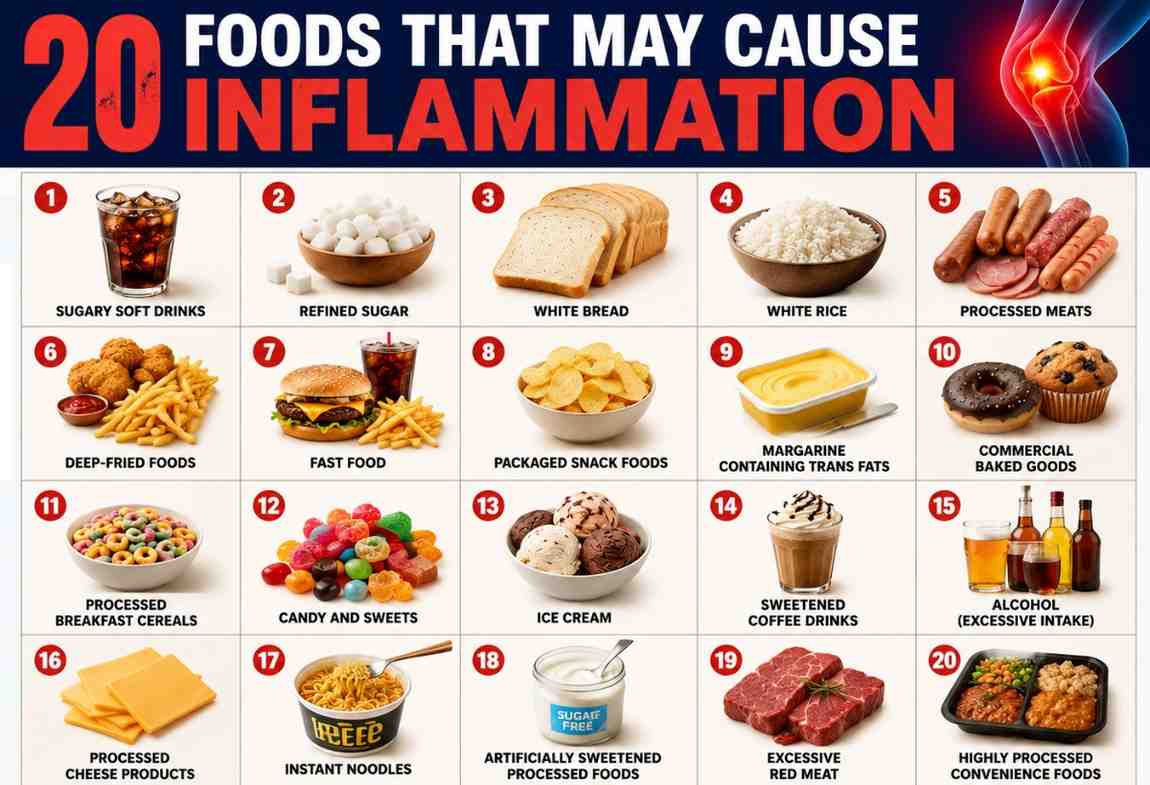
Inflammation is a natural defense mechanism that helps the body fight infections, heal injuries, and protect itself from harmful invaders. In the short term, inflammation is beneficial and necessary for survival. However, when inflammation becomes chronic, it can contribute to numerous health conditions, including heart disease, obesity, diabetes, arthritis, autoimmune disorders, digestive problems, and even certain cancers.
One of the biggest contributors to chronic inflammation is diet. While some foods help reduce inflammation, others can silently trigger inflammatory responses throughout the body. Many of these foods are commonly consumed every day, making it important to understand which dietary choices may be affecting your long-term health.
In this guide, we’ll explore what inflammation is, how food influences inflammatory processes, and the most common foods that may contribute to chronic inflammation.
What Is Inflammation?
Inflammation is the body’s natural response to injury, infection, or harmful stimuli. When functioning properly, inflammation helps repair tissues and protect against disease.
There are two main types:
Acute Inflammation
This is short-term inflammation that occurs after an injury or infection. Symptoms may include redness, swelling, pain, and warmth.
Chronic Inflammation
This occurs when inflammatory responses persist for months or years. Chronic inflammation often develops silently and can damage healthy tissues over time.
Research suggests that long-term inflammation may increase the risk of:
- Heart disease
- Type 2 diabetes
- Obesity
- Alzheimer’s disease
- Rheumatoid arthritis
- Certain cancers
- Digestive disorders
Diet plays a major role in either promoting or reducing chronic inflammation.
How Food Causes Inflammation
Certain foods can trigger inflammatory pathways by:
- Increasing blood sugar levels
- Promoting oxidative stress
- Altering gut bacteria
- Producing inflammatory compounds
- Encouraging excess body fat accumulation
- Increasing insulin resistance
Regular consumption of these foods may create a chronic low-grade inflammatory state throughout the body.
20 Foods That May Cause Inflammation in Your Body
1. Sugary Soft Drinks
Soft drinks contain large amounts of added sugar, particularly high-fructose corn syrup or refined sugar.
Excess sugar consumption may increase inflammatory markers and contribute to insulin resistance, obesity, and fatty liver disease.
Examples include:
- Soda
- Cola beverages
- Sweetened fruit drinks
- Energy drinks
2. Refined Sugar
Refined sugar is one of the most significant dietary triggers of inflammation.
Excessive sugar intake can:
- Increase inflammatory cytokines
- Raise blood glucose levels
- Promote oxidative stress
- Encourage weight gain
Common sources include:
- Candy
- Cakes
- Cookies
- Pastries
- Sweetened cereals
3. White Bread
White bread is made from refined flour that has been stripped of fiber and nutrients.
Because it has a high glycemic index, it can cause rapid spikes in blood sugar that may contribute to inflammation.
4. White Rice
Although white rice can be part of a balanced diet, excessive intake may increase blood sugar levels more quickly than whole grains.
Frequent consumption without adequate fiber and protein may contribute to inflammatory processes.
5. Processed Meats
Processed meats often contain preservatives, sodium, and additives linked to inflammation.
Examples include:
- Sausages
- Hot dogs
- Salami
- Bacon
- Deli meats
Studies have associated high consumption of processed meat with increased inflammatory markers and chronic disease risk.
6. Deep-Fried Foods
Deep frying produces harmful compounds that can increase oxidative stress and inflammation.
Examples include:
- French fries
- Fried chicken
- Fried snacks
- Onion rings
Repeatedly heated cooking oils may further worsen inflammatory effects.
7. Fast Food
Fast food often combines multiple inflammatory ingredients, including refined carbohydrates, unhealthy fats, excess sodium, and added sugars.
Frequent consumption has been linked to obesity and chronic inflammation.
8. Packaged Snack Foods
Many packaged snacks contain refined flour, unhealthy fats, preservatives, and artificial additives.
Examples include:
- Potato chips
- Crackers
- Cheese puffs
- Processed snack mixes
9. Margarine Containing Trans Fats
Artificial trans fats are among the most inflammatory substances in the food supply.
Although many countries have restricted trans fats, they may still appear in some processed foods.
Look for ingredients such as:
- Partially hydrogenated oils
10. Commercial Baked Goods
Store-bought pastries and baked products often contain refined flour, sugar, and unhealthy fats.
Examples include:
- Doughnuts
- Muffins
- Cakes
- Sweet rolls
11. Processed Breakfast Cereals
Many breakfast cereals marketed as healthy contain surprisingly high amounts of added sugar.
These products can contribute to blood sugar spikes and inflammatory responses.
12. Candy and Sweets
Candy provides concentrated sugar with little nutritional value.
Frequent consumption may increase:
- Blood sugar fluctuations
- Oxidative stress
- Chronic inflammation
13. Ice Cream
Many commercial ice creams contain large amounts of sugar and saturated fat.
Excess intake may contribute to inflammatory processes and weight gain.
14. Sweetened Coffee Drinks
Flavored coffee beverages often contain significant amounts of added sugar, syrups, and whipped toppings.
A single serving may contain as much sugar as a dessert.
15. Alcohol (Excessive Intake)
Moderate alcohol consumption may not affect everyone equally, but excessive drinking can damage the gut lining and promote inflammation.
Chronic heavy alcohol intake is associated with:
- Liver inflammation
- Digestive issues
- Increased inflammatory markers
16. Processed Cheese Products
Highly processed cheese products often contain additives, preservatives, and sodium that may contribute to inflammation when consumed excessively.
17. Instant Noodles
Instant noodles are typically high in sodium, refined carbohydrates, and preservatives.
Regular consumption has been associated with poorer dietary quality and increased health risks.
18. Artificially Sweetened Processed Foods
Some heavily processed “sugar-free” products may alter gut bacteria and contribute to inflammation in susceptible individuals.
Research in this area is still evolving.
19. Excessive Red Meat
Red meat can be part of a balanced diet, but excessive consumption, especially when charred or heavily processed, may increase inflammatory markers.
Moderation is important.
20. Highly Processed Convenience Foods
Ultra-processed foods often contain:
- Refined carbohydrates
- Added sugars
- Artificial additives
- Excess sodium
- Unhealthy fats
Examples include:
- Frozen meals
- Packaged desserts
- Processed ready-to-eat foods
Research consistently links high consumption of ultra-processed foods with chronic inflammation.
Related Articles:
- Does Gluten Really Cause Inflammation? What Science Says
- 10 Warning Signs of Inflammation You Should Never Ignore
- Does Inflammation Cause Weight Gain? Let’s Explore Connection
Signs Your Diet May Be Contributing to Inflammation
Although inflammation often develops silently, some people may experience symptoms such as:
- Fatigue
- Joint pain
- Frequent headaches
- Digestive discomfort
- Brain fog
- Weight gain
- Skin problems
- Frequent illness
If these symptoms persist, consulting a healthcare professional is recommended.
Foods That Help Reduce Inflammation
Fortunately, many foods have anti-inflammatory properties.
Examples include:
Fruits
Vegetables
Healthy Fats
Fatty Fish
- Salmon
- Sardines
- Mackerel
Whole Grains
Herbs and Spices
Sample Anti-Inflammatory Day of Eating
| Meal | Food Choices |
|---|---|
| Breakfast | Oatmeal with berries and walnuts |
| Morning Snack | Apple with almond butter |
| Lunch | Grilled salmon, quinoa, and mixed vegetables |
| Afternoon Snack | Greek yogurt with chia seeds |
| Dinner | Lentil soup with spinach salad |
| Beverage | Water, green tea, or herbal tea |
Lifestyle Factors That Can Increase Inflammation
Food is only one piece of the puzzle. Other factors include:
- Smoking
- Chronic stress
- Poor sleep
- Physical inactivity
- Excess body weight
- Environmental toxins
Combining a healthy diet with positive lifestyle habits offers the greatest protection against chronic inflammation.
Tips for Reducing Inflammatory Foods
1. Read Food Labels Carefully
Check for added sugars, trans fats, and artificial additives.
2. Choose Whole Foods
Focus on minimally processed foods whenever possible.
3. Cook More Meals at Home
Home-cooked meals allow better control over ingredients.
4. Increase Fiber Intake
Fiber supports healthy gut bacteria and may reduce inflammation.
5. Stay Hydrated
Adequate water intake supports overall health and metabolic function.
6. Practice Portion Control
Even healthy foods can contribute to weight gain when consumed excessively.
Common Myths About Inflammatory Foods
Myth 1: All Fat Causes Inflammation
Healthy fats from fish, nuts, seeds, and olive oil may actually reduce inflammation.
Myth 2: One Meal Causes Chronic Inflammation
Inflammation is typically influenced by long-term dietary patterns rather than a single meal.
Myth 3: All Carbohydrates Are Bad
Whole grains, fruits, and vegetables contain beneficial nutrients and fiber that support health.
Myth 4: Inflammatory Foods Affect Everyone Equally
Individual responses vary based on genetics, gut health, activity level, and overall diet quality.
Final Thoughts
Inflammation is a natural biological process, but chronic inflammation can contribute to numerous health problems over time. While no single food is solely responsible for disease, regularly consuming highly processed foods, sugary beverages, refined carbohydrates, and unhealthy fats may increase inflammatory activity in the body.
The good news is that dietary changes can make a meaningful difference. Replacing inflammatory foods with nutrient-dense whole foods such as fruits, vegetables, whole grains, healthy fats, and lean proteins can support overall wellness and long-term health.
FAQ’s
Does sugar cause inflammation in the body?
Yes. Excessive sugar intake may increase inflammatory markers, promote insulin resistance, and contribute to chronic inflammation over time.
Are processed foods inflammatory?
Many processed foods contain added sugars, unhealthy fats, preservatives, and refined carbohydrates that may trigger inflammatory responses when consumed regularly.
Can dairy products cause inflammation?
Dairy affects people differently. Most research suggests dairy is not inflammatory for the general population, but some individuals with sensitivities or allergies may experience inflammatory symptoms.
Does eating red meat cause inflammation?
Moderate consumption of unprocessed red meat is generally acceptable for many people. However, excessive intake, especially of processed or charred red meat, may increase inflammation.
Are fried foods inflammatory?
Yes. Fried foods often contain oxidized fats and advanced glycation end products (AGEs), which may contribute to inflammation and oxidative stress.
Can inflammation from food cause weight gain?
Chronic inflammation may affect hormones, metabolism, and insulin sensitivity, potentially making weight management more difficult.
What are the symptoms of inflammation caused by diet?
Possible symptoms include fatigue, joint pain, digestive issues, headaches, brain fog, skin problems, and unexplained weight gain.
How quickly can inflammatory foods affect the body?
Some foods can trigger short-term inflammatory responses within hours, while chronic inflammation typically develops from long-term dietary habits.
Are artificial sweeteners inflammatory?
Research is ongoing. Some artificial sweeteners may affect gut bacteria and inflammation in certain people, while others appear to have minimal effects.
Can alcohol cause inflammation?
Excessive alcohol consumption can increase inflammation, particularly in the liver, digestive tract, and immune system.
What foods help reduce inflammation?
Foods that may help reduce inflammation include berries, leafy greens, fatty fish, olive oil, nuts, seeds, whole grains, turmeric, ginger, and legumes.
Can drinking more water reduce inflammation?
Staying hydrated supports overall health and may help the body function efficiently, though water alone is not a cure for inflammation.
What is the fastest way to reduce inflammation naturally?
Focus on eating whole foods, reducing added sugars, limiting processed foods, exercising regularly, managing stress, getting enough sleep, and staying hydrated.
Are eggs inflammatory?
For most healthy individuals, eggs are not considered inflammatory and can be part of a balanced diet. Individual responses may vary.
Can gluten cause inflammation?
Gluten may trigger inflammation in people with celiac disease or gluten sensitivity, but it does not cause inflammation in most healthy individuals.
Are bananas inflammatory?
No. Bananas contain fiber, vitamins, and antioxidants and are generally considered part of an anti-inflammatory eating pattern.
Which cooking oils are least inflammatory?
Extra virgin olive oil and avocado oil are commonly considered anti-inflammatory options due to their healthy fat content.
Can changing my diet reduce chronic inflammation?
Yes. Research suggests that replacing highly processed foods with nutrient-dense whole foods may help lower chronic inflammation and support long-term health.
Sources / References
- Harvard T.H. Chan School of Public Health – Inflammation and Diet
- National Institutes of Health (NIH) – Chronic Inflammation Research
- Mayo Clinic – Anti-Inflammatory Diet Basics
- American Heart Association – Healthy Eating Guidelines
- Cleveland Clinic – Foods That Cause Inflammation
- Academy of Nutrition and Dietetics
- Johns Hopkins Medicine – Inflammation and Health
Also Read:
- Top 20 Anti-Inflammatory Foods to Eat Every Day
- 10 Fruits That Improve Digestion Naturally & Keep Your Gut Healthy
- Water Fasting: Benefits, Side Effects, Safety & How to Do It
About the Author:
Written by: Kirti Solanki (Health Content Researcher)
This article was written by a health and nutrition content specialist dedicated to creating evidence-based wellness resources. Our content is researched using reputable medical organizations, peer-reviewed studies, and established nutrition guidelines to ensure accuracy, reliability, and reader value. We prioritize clear, practical information that helps readers make informed health decisions.
Disclaimer:
This guide is intended for educational and informational purposes only and should not be considered medical advice, diagnosis, or treatment. Always consult a qualified physician, registered dietitian, or healthcare professional before making significant dietary or lifestyle changes, especially if you have a medical condition, are pregnant, breastfeeding, or taking medications. The information provided is not a substitute for professional medical care.