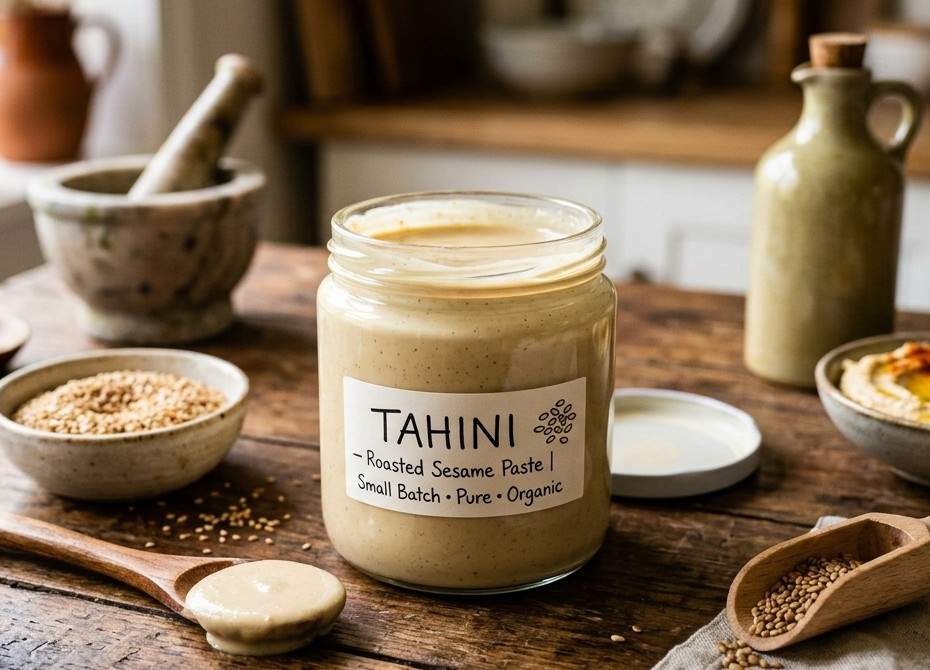
Tahini is a creamy, nutrient-rich paste made from finely ground sesame seeds. It has been a staple ingredient in Middle Eastern, Mediterranean, and North African cuisines for centuries, but today it has gained worldwide popularity as a healthy superfood. Whether spread on toast, blended into hummus, drizzled over roasted vegetables, or mixed into salad dressings, tahini offers both exceptional flavor and impressive nutritional value.
Unlike many processed spreads, tahini is naturally rich in healthy fats, plant-based protein, fiber, vitamins, minerals, and powerful antioxidants. It is especially valued for its high calcium, magnesium, iron, zinc, copper, and heart-friendly unsaturated fats. Because it is minimally processed, tahini retains many of the nutrients found in whole sesame seeds.
This guide explores everything you need to know about tahini, including its nutrition facts, scientifically supported health benefits, possible side effects, and practical ways to include it in a balanced diet.
What is Tahini?
Tahini is a smooth paste prepared by grinding toasted or raw sesame seeds into a creamy consistency. The word “tahini” comes from the Arabic word meaning “to grind.” Traditionally, it has been an essential ingredient in Middle Eastern dishes such as hummus, baba ganoush, halva, and various sauces.
Tahini has a mild, nutty, slightly earthy flavor with a naturally creamy texture. Unlike peanut butter, it contains no peanuts and is made entirely from sesame seeds, although some commercial varieties may include a small amount of oil or salt.
There are two main varieties:
- Raw Tahini: Made from unroasted sesame seeds and has a lighter color with a slightly bitter taste.
- Roasted Tahini: Made from toasted sesame seeds, producing a richer, nuttier flavor and darker appearance.
Because sesame seeds are naturally nutrient-dense, tahini is considered one of the healthiest seed butters available.
Nutrition Facts of Tahini
| Nutrient | Amount (Per 100 grams of plain tahini) |
|---|---|
| Calories | 595 kcal |
| Protein | 17 g |
| Total Fat | 53 g |
| Saturated Fat | 7.5 g |
| Monounsaturated Fat | 21 g |
| Polyunsaturated Fat | 24 g |
| Carbohydrates | 21 g |
| Dietary Fiber | 9 g |
| Sugars | 1 g |
| Calcium | 426 mg |
| Iron | 8.9 mg |
| Magnesium | 95 mg |
| Phosphorus | 732 mg |
| Potassium | 414 mg |
| Zinc | 4.6 mg |
| Copper | 1.5 mg |
| Manganese | 2.5 mg |
| Selenium | 34 mcg |
| Vitamin B1 (Thiamine) | 1.2 mg |
| Vitamin B6 | 0.8 mg |
| Folate | 98 mcg |
| Vitamin E | 0.3 mg |
Values may vary slightly depending on the brand and preparation method.
20 Proven Health Benefits of Tahini
- Supports Heart Health: Tahini is rich in heart-healthy unsaturated fats that may help maintain healthy cholesterol levels when consumed as part of a balanced diet.
- Promotes Strong Bones: Its calcium, phosphorus, magnesium, and zinc content contributes to maintaining healthy bones and reducing the risk of bone-related conditions.
- Provides Plant-Based Protein: Tahini supplies plant protein that supports muscle maintenance, tissue repair, and overall body function.
- Improves Digestive Health: The dietary fiber in tahini supports healthy digestion, regular bowel movements, and beneficial gut bacteria.
- Rich in Powerful Antioxidants: Sesame seeds contain antioxidant compounds such as sesamin and sesamol that help protect cells from oxidative stress.
- May Reduce Inflammation: Natural lignans and healthy fats found in tahini may help lower chronic inflammation associated with various health conditions.
- Supports Brain Function: Healthy fats and essential minerals contribute to proper brain function and nervous system health.
- Boosts Energy Levels: Tahini provides healthy fats, protein, and essential nutrients that offer sustained energy throughout the day.
- Strengthens the Immune System: Minerals such as zinc, selenium, copper, and iron support healthy immune responses.
- Supports Healthy Blood Formation: Iron and copper play important roles in the production of healthy red blood cells.
- Helps Maintain Healthy Blood Pressure: Magnesium and potassium support normal blood vessel function and healthy blood pressure.
- Promotes Healthy Skin: Vitamin E, antioxidants, and healthy fats nourish the skin and help protect it from environmental damage.
- Supports Healthy Hair: Protein, zinc, copper, and iron contribute to healthy hair growth and strength.
- May Improve Blood Sugar Control: Healthy fats, fiber, and protein help slow digestion, which may reduce rapid blood sugar spikes after meals.
- Encourages Healthy Weight Management: Tahini’s combination of protein, fiber, and healthy fats helps increase satiety and reduce unnecessary snacking.
- Supports Liver Health: Sesame lignans may help protect liver cells from oxidative damage and support normal liver function.
- Helps Maintain Healthy Cholesterol Levels: Replacing saturated fats with unsaturated fats from tahini may support healthier cholesterol profiles.
- Contributes to Healthy Hormone Function: Healthy fats are necessary for producing hormones and maintaining endocrine health.
- Supports Healthy Aging: Antioxidants help reduce cellular damage caused by free radicals, supporting healthy aging.
- Easy to Include in Healthy Diets: Tahini is naturally vegan, dairy-free, gluten-free, and suitable for many nutritious eating patterns.
Related Articles:
- Sesame Oil: Nutrition, 20 Benefits, Side Effects, Uses & Dosage
- Brazil Nut Butter: 20 Benefits, Nutrition, Side Effects & How to Make It
- Grass-Fed Butter: 20 Benefits, Nutrition, Side Effects & How to Make It
10 Side Effects of Tahini
- Sesame Allergy Risk: People with sesame allergies should completely avoid tahini, as it can trigger serious allergic reactions.
- High in Calories: Eating large amounts regularly may contribute to excess calorie intake and unwanted weight gain.
- May Cause Digestive Discomfort: Excessive consumption may lead to bloating, stomach discomfort, or diarrhea in sensitive individuals.
- Possible Drug Interactions: Vitamin and mineral content may require consideration for people taking certain medications under medical supervision.
- Can Trigger Migraines in Some People: Sesame products may act as a migraine trigger in susceptible individuals.
- May Affect Kidney Stone Risk: Tahini contains oxalates that may require moderation in people prone to certain kidney stones.
- Potential Added Ingredients: Some commercial brands contain added oils, sugar, or salt that reduce their nutritional quality.
- May Cause Excess Fat Intake: Overeating tahini may result in consuming more dietary fat than recommended.
- Possible Blood Pressure Changes: Because sesame may have mild blood pressure-lowering effects, individuals taking antihypertensive medications should monitor intake.
- Risk of Contamination if Improperly Stored: Poor storage conditions may increase the risk of spoilage or contamination.
How to Eat Tahini?
Tahini is one of the most versatile seed-based spreads and can be incorporated into both sweet and savory recipes.
Some delicious ways to enjoy tahini include:
- Spread it on whole-grain toast.
- Stir it into oatmeal for extra creaminess.
- Blend it into smoothies for healthy fats and protein.
- Use it as the base for homemade hummus.
- Drizzle it over roasted vegetables.
- Mix it into salad dressings with lemon juice and garlic.
- Add it to grain bowls and Buddha bowls.
- Serve it as a dip for fresh vegetables.
- Blend it into soups for a creamy texture.
- Use it in baking recipes such as cookies, brownies, and energy bars.
- Mix it with yogurt for a nutritious dip.
- Drizzle it over pancakes or waffles with fruit.
- Add it to overnight oats.
- Pair it with sliced apples or bananas.
- Use it as a sauce for grilled chicken, tofu, or falafel.
Tips for Consuming Tahini
- Choose 100% sesame seed tahini without added sugar, preservatives, or hydrogenated oils.
- Stir well before use, as the natural oil separation is completely normal.
- Start with 1–2 tablespoons daily if you are new to Sesame seed paste.
- Pair tahini with fruits, vegetables, whole grains, or legumes for a balanced meal.
- Measure portions because Sesame seed paste is calorie-dense despite being highly nutritious.
- Refrigerate after opening if recommended by the manufacturer to preserve freshness.
- Check ingredient labels carefully if you have food allergies or dietary restrictions.
- Combine tahini with vitamin C-rich foods like lemon juice to help enhance iron absorption from plant-based meals.
- Use it as a healthier alternative to processed creamy dressings and high-sugar spreads.
- Store it in a cool, dry place and always use a clean spoon to prevent contamination.
How to Use Tahini?
Tahini is an incredibly versatile ingredient that works well in both savory and sweet recipes. Its creamy texture and nutty flavor make it a nutritious addition to everyday meals.
Here are some popular ways to use tahini:
- Blend it into homemade hummus for a rich, authentic taste.
- Mix it with lemon juice, garlic, olive oil, and water to make a creamy salad dressing.
- Drizzle it over roasted vegetables, grilled chicken, fish, or tofu.
- Spread it on toast, wraps, or sandwiches instead of butter or mayonnaise.
- Stir it into soups and stews to add creaminess without dairy.
- Add it to smoothies for healthy fats and plant-based protein.
- Mix it into yogurt or oatmeal for extra nutrition.
- Use it in baking recipes like cookies, brownies, muffins, and energy bites.
- Make healthy dips for fresh vegetables or whole-grain crackers.
- Combine it with honey or maple syrup as a delicious spread for pancakes and waffles.
Other Uses of Tahini
- Natural Bread Spread: Sesame seed paste makes a nutritious alternative to butter or processed sandwich spreads.
- Creamy Pasta Sauce: Blend tahini with garlic, lemon juice, and herbs for a dairy-free pasta sauce.
- Healthy Salad Dressing: Mix Sesame seed paste with olive oil, vinegar, and spices to create a flavorful dressing.
- Smoothie Booster: A spoonful of Sesame seed paste increases the protein, healthy fat, and mineral content of smoothies.
- Dip for Vegetables: Use tahini as a wholesome dip for carrots, cucumbers, celery, and bell peppers.
- Grain Bowl Topping: Drizzle Sesame seed paste over quinoa, brown rice, or grain bowls for added flavor and nutrition.
- Baking Ingredient: Sesame seed paste enhances the texture and richness of cookies, cakes, brownies, and muffins.
- Marinade Base: Combine tahini with spices and lemon juice to marinate vegetables, tofu, or chicken.
- Dessert Ingredient: Sesame seed paste adds a rich, nutty flavor to homemade desserts like energy balls and frozen treats.
- Sauce for Roasted Foods: Pour seasoned tahini over roasted potatoes, cauliflower, or broccoli for extra flavor.
How to Make Tahini at Home?
Making tahini at home is simple and requires only a few ingredients.
Ingredients:
- 2 cups sesame seeds
- 2–4 tablespoons neutral oil (such as olive oil, avocado oil, or sesame oil)
- Optional: pinch of salt
Instructions:
- Lightly toast the sesame seeds in a dry pan over medium heat for 3–5 minutes, stirring continuously. Avoid browning them too much.
- Allow the seeds to cool completely.
- Transfer them to a food processor or high-speed blender.
- Blend until a crumbly texture forms.
- Add the oil gradually while blending until the mixture becomes smooth and creamy.
- Add salt if desired.
- Transfer the tahini to a clean, airtight glass jar.
- Refrigerate and stir before each use if oil separates naturally.
Homemade Sesame seed paste typically stays fresh for about one month when refrigerated.
How Much Tahini Can You Eat in a Day?
Tahini is calorie-dense but highly nutritious. For most healthy adults, 1 to 2 tablespoons (15–30 grams) per day is considered an appropriate serving as part of a balanced diet.
People with higher calorie needs, such as athletes or highly active individuals, may consume slightly more if it fits within their overall nutritional requirements. Because Sesame seed paste is rich in healthy fats, portion control is important to avoid excessive calorie intake.
| Age Group | Recommended Amount |
|---|---|
| Children (5–12 years) | 1–2 teaspoons occasionally, if no sesame allergy |
| Teenagers | 1 tablespoon daily |
| Healthy Adults | 1–2 tablespoons daily |
| Athletes | 2–3 tablespoons daily depending on calorie needs |
| Older Adults | 1–2 tablespoons daily |
| Pregnant & Breastfeeding Women | 1 tablespoon daily unless advised otherwise by a healthcare professional |
Individual nutritional needs vary depending on age, health conditions, activity level, and overall diet.
Best Time to Eat Tahini
There is no single “best” time to eat tahini, but it can fit well into meals throughout the day.
- Breakfast: Add it to toast, oatmeal, or smoothies for long-lasting energy.
- Lunch: Use it in wraps, grain bowls, or salad dressings.
- Snack Time: Pair it with apple slices, celery, or whole-grain crackers.
- Before Exercise: A small serving with whole-grain bread can provide sustained energy.
- After Exercise: Combine Sesame seed paste with protein-rich foods to support muscle recovery.
- Dinner: Use it as a sauce for roasted vegetables, grilled meats, or legumes.
Who Should Eat Tahini?
- Health-Conscious Individuals: Tahini provides healthy fats, protein, and essential minerals that support overall wellness.
- Vegetarians and Vegans: It serves as an excellent plant-based source of protein, calcium, iron, and healthy fats.
- Athletes: Sesame seed paste offers sustained energy and nutrients that support muscle recovery and physical performance.
- Older Adults: Its calcium and magnesium content may help maintain healthy bones with aging.
- People Seeking Heart Health: The unsaturated fats in tahini support a heart-friendly eating pattern.
- Individuals with High Energy Needs: Its calorie density makes Sesame seed paste a nutritious option for active lifestyles.
- People Looking to Increase Healthy Fat Intake: Sesame seed paste provides beneficial unsaturated fats that support overall health.
- Those Following Mediterranean Diets: Sesame seed paste complements Mediterranean-style eating patterns rich in whole foods.
- Individuals Seeking Dairy-Free Alternatives: Tahini offers a creamy texture without dairy products.
- People Wanting Greater Dietary Variety: It adds flavor and nutrition to many everyday meals.
Who Should Avoid Tahini?
- People with Sesame Allergies: Sesame seed paste should be completely avoided because it can cause severe allergic reactions.
- Individuals with Certain Kidney Stone Risks: Those advised to limit oxalate-rich foods should discuss appropriate intake with their healthcare provider.
- People Following Strict Calorie-Restricted Diets: Large portions may contribute excess calories if not carefully measured.
- Individuals Sensitive to High-Fat Foods: Tahini may cause digestive discomfort when eaten in large amounts.
- People Experiencing Migraine Triggers from Sesame: Some individuals may notice sesame-related headaches and should avoid it if symptoms occur.
- Those with Digestive Disorders During Flare-Ups: High-fat foods may worsen symptoms for some digestive conditions.
- People Taking Certain Medications: Anyone concerned about food-drug interactions should consult their healthcare provider.
- Infants Without Medical Guidance: Sesame-containing foods should be introduced according to pediatric feeding recommendations.
- Individuals Consuming Excess Sodium from Flavored Products: Choose plain tahini instead of heavily salted varieties.
- Anyone with Confirmed Intolerance to Sesame Products: Avoid Sesame seed paste to prevent unwanted symptoms.
How to Store Tahini?
- Keep in an Airtight Container: Store tahini in a tightly sealed jar to maintain freshness.
- Refrigerate After Opening: Refrigeration helps extend shelf life and slows oil oxidation.
- Stir Before Each Use: Natural oil separation is normal and can be mixed back in easily.
- Use Clean Utensils: Always use a clean, dry spoon to reduce contamination.
- Avoid Direct Sunlight: Store unopened jars in a cool, dark place away from heat.
- Check Expiration Dates: Discard Sesame seed paste if it develops an unusual smell, taste, or mold.
- Keep Moisture Out: Avoid introducing water into the container to reduce spoilage risk.
- Seal Immediately After Use: Closing the lid promptly helps preserve flavor and quality.
- Do Not Freeze Frequently: Repeated freezing and thawing may affect texture.
- Label Homemade Tahini: Mark the preparation date and use it within about one month when refrigerated.
Precautions and Interactions
- Sesame Allergy: Do not consume Sesame seed paste if you have a diagnosed sesame allergy.
- Medication Considerations: Discuss regular Sesame seed paste intake with your healthcare provider if you take medications for blood pressure or blood clotting.
- Portion Control: Eat moderate amounts because tahini is high in calories despite its nutritional benefits.
- Digestive Sensitivity: Introduce Sesame seed paste gradually if you are not accustomed to high-fiber or high-fat foods.
- Pregnancy and Breastfeeding: Sesame seed paste can generally be included as part of a balanced diet unless otherwise advised by a healthcare professional.
- Children: Offer age-appropriate portions and monitor for any signs of sesame allergy.
- Kidney Health: Individuals with kidney disease or a history of certain kidney stones should seek personalized dietary advice.
- Balanced Diet: Tahini should complement a varied, nutrient-rich eating pattern rather than replace other healthy foods.
- Choose Quality Products: Select brands made from 100% sesame seeds whenever possible.
- Consult a Healthcare Professional: Seek personalized guidance if you have chronic medical conditions or specific dietary restrictions.
FAQ’s
What is tahini made from?
Tahini is made by grinding raw or roasted sesame seeds into a smooth, creamy paste.
What does tahini taste like?
Sesame seed paste has a rich, nutty, slightly earthy flavor with a mild bitterness, especially when made from raw sesame seeds.
Is tahini good for weight loss?
Sesame seed paste can support weight management because its protein, fiber, and healthy fats help promote fullness, but portion control is important due to its calorie content.
Can people with diabetes eat tahini?
Yes, plain Sesame seed paste can be included in a diabetes-friendly diet in moderation, as it is low in sugar and contains healthy fats and fiber. Individuals should follow their healthcare provider’s advice.
Is tahini safe during pregnancy?
Yes, Sesame seed paste is generally safe during pregnancy when eaten in moderate amounts, provided there is no sesame allergy. It supplies beneficial nutrients such as calcium, iron, and healthy fats.
Is tahini gluten-free?
Yes, pure Sesame seed paste made from 100% sesame seeds is naturally gluten-free. Always check the label for potential cross-contamination or added ingredients.
Should tahini be refrigerated?
Unopened Sesame seed paste can usually be stored in a cool, dry place. After opening, refrigeration is recommended by many manufacturers to maintain freshness and extend shelf life.
Can children eat tahini?
Yes, children can eat Sesame seed paste in age-appropriate portions if they do not have a sesame allergy. Introduce it gradually and monitor for allergic reactions.
Is tahini the same as peanut butter?
No. Sesame seed paste is made from sesame seeds, while peanut butter is made from peanuts. They have different flavors and nutritional profiles.
Can I eat tahini every day?
Yes, most healthy adults can enjoy 1–2 tablespoons of Sesame seed paste daily as part of a balanced diet, provided they do not have a sesame allergy.
What is tahini good for?
Sesame seed paste is a good source of healthy fats, plant-based protein, fiber, calcium, iron, magnesium, and antioxidants that support heart, bone, and overall health.
What is tahini called in India?
Tahini is commonly known as sesame seed paste in India. It does not have a widely used Indian name, although it is made from til (sesame seeds).
Is tahini healthy to eat?
Yes, Sesame seed paste is considered a healthy food when eaten in moderation because it is rich in beneficial nutrients and heart-healthy unsaturated fats.
Why is tahini expensive?
Sesame seed paste can be expensive because it is made from high-quality sesame seeds, which require careful processing, roasting, and grinding. Imported brands may also cost more.
Should tahini be refrigerated after opening?
Yes, refrigeration after opening is recommended by many manufacturers to help preserve freshness and prevent the natural oils from becoming rancid.
Is tahini heavy on the stomach?
Sesame seed paste is generally easy to digest in moderate amounts, but eating large portions may cause digestive discomfort in some people because it is rich in healthy fats.
Can you eat tahini without cooking?
Yes. Sesame seed paste is fully edible without cooking and is commonly used as a spread, dip, dressing, or ingredient in smoothies and desserts.
Is tahini good for fatty liver?
Sesame seed paste may support overall liver health due to its healthy fats and antioxidants, but there is no evidence that it can treat fatty liver disease. It should be consumed as part of a balanced, healthy diet.
Which is better, raw or roasted tahini?
Neither is universally better. Raw tahini has a milder flavor and may retain slightly more heat-sensitive nutrients, while roasted Sesame seed paste offers a richer, nuttier taste that many people prefer.
Which tahini is the healthiest?
The healthiest option is 100% pure Sesame seed paste made from sesame seeds without added sugar, hydrogenated oils, or unnecessary preservatives.
Why can I eat sesame seeds but not tahini?
Some people may tolerate whole sesame seeds but react to Sesame seed paste because ground sesame exposes more proteins to the immune system or because larger amounts are consumed. Anyone with suspected sesame allergy should seek medical advice.
Is tahini high in estrogen?
No. Sesame seed paste does not contain estrogen. It contains natural plant compounds called lignans (phytoestrogens), which are much weaker than human estrogen and are generally considered safe when consumed as part of a balanced diet.
Sources / References:
- Harvard T.H. Chan School of Public Health – The Nutrition Source
- U.S. Department of Agriculture (FoodData Central)
- Academy of Nutrition and Dietetics
- National Institutes of Health – Office of Dietary Supplements
- American Heart Association
- World Health Organization (WHO)
- MedlinePlus
- Cleveland Clinic
About the Author:
Written by: Kirti Solanki (Health Content Researcher)
Kirti Solanki is a Health Content Researcher dedicated to creating evidence-based, easy-to-understand content on nutrition, wellness, and healthy living using trusted scientific and medical sources.
Disclaimer:
This guide is for informational purposes only and is not a substitute for professional medical advice, diagnosis, or treatment. Always consult a qualified healthcare professional before making significant dietary or health-related changes.
Also Read: