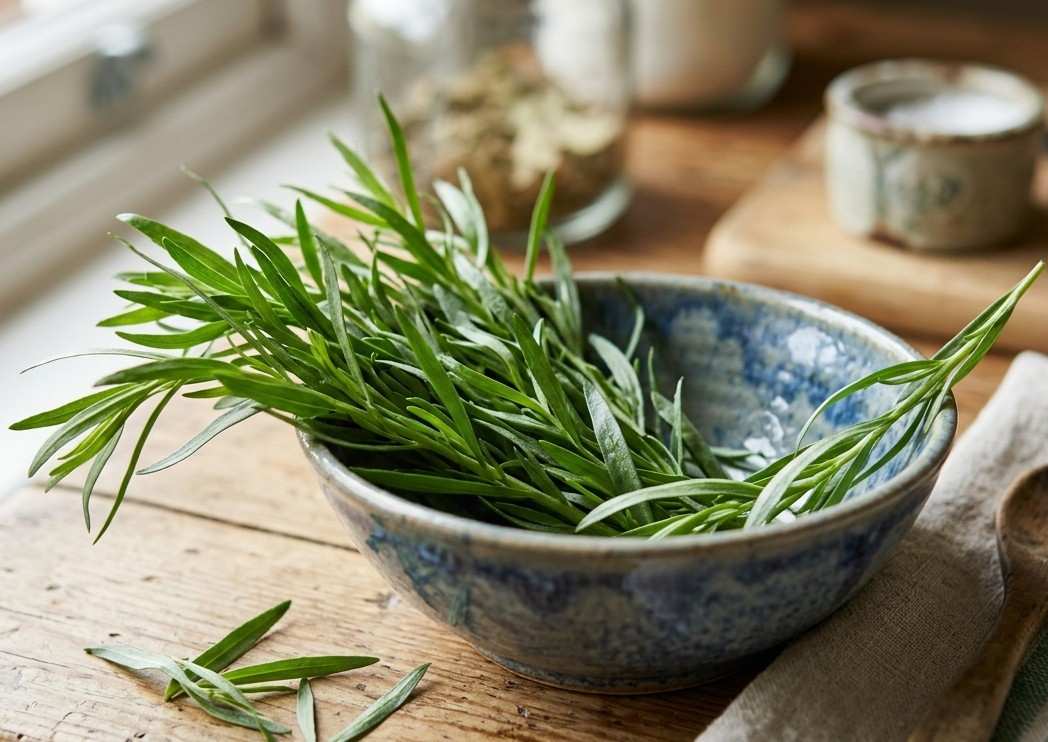
Tarragon is a fragrant culinary herb known for its delicate, slightly sweet flavor with hints of anise and licorice. Widely used in French cuisine, this versatile herb not only enhances the taste of dishes but also provides several health-supporting nutrients and plant compounds. Tarragon has been valued for centuries in traditional herbal medicine for its potential role in supporting digestion, appetite, sleep, and overall wellness.
Modern research suggests that tarragon contains antioxidants, vitamins, minerals, and bioactive compounds that may help protect cells from oxidative stress while contributing to a balanced diet. Although it offers many potential health benefits, it should be consumed in moderation and is not a replacement for medical treatment.
In this guide, you’ll learn everything you need to know about tarragon, including its nutrition facts, health benefits, side effects, dosage, uses, storage, precautions, and more.
What is Tarragon?
Tarragon (Artemisia dracunculus) is a perennial herb belonging to the Asteraceae (daisy) family. Native to Central Asia and Siberia, it is now cultivated throughout Europe, North America, and many parts of Asia.
There are two main varieties:
- French Tarragon – Highly aromatic and commonly used in cooking.
- Russian Tarragon – Less flavorful but easier to grow.
Fresh tarragon leaves are commonly added to sauces, salads, eggs, chicken, seafood, vegetables, and herbal vinegars. Besides its culinary uses, traditional medicine has used tarragon to support digestion, stimulate appetite, relieve mild discomfort, and promote restful sleep.
Components of Tarragon
| Nutrient | Amount (Per 100 g Fresh) |
|---|---|
| Calories | 295 kcal |
| Protein | 22.8 g |
| Carbohydrates | 50.2 g |
| Dietary Fiber | 7.4 g |
| Fat | 7.2 g |
| Calcium | 1139 mg |
| Iron | 32.3 mg |
| Magnesium | 347 mg |
| Potassium | 3020 mg |
| Phosphorus | 313 mg |
| Vitamin A | 210% DV |
| Vitamin C | 50 mg |
| Vitamin K | Very High |
| Manganese | High |
| Zinc | 3.9 mg |
Note: Fresh culinary servings are usually only a few grams, so actual nutrient intake per serving is much lower.
20 Proven Health Benefits of Tarragon
- Rich in Antioxidants: Estragon contains antioxidant compounds that help protect cells from oxidative stress.
- Supports Healthy Digestion: Traditional use suggests it may help improve digestion and reduce mild digestive discomfort.
- May Stimulate Appetite: Tarragon has long been used to encourage appetite in people with reduced food intake.
- Provides Vitamin K: It supplies vitamin K, which contributes to normal blood clotting and bone health.
- Supports Bone Strength: Calcium, magnesium, and vitamin K work together to maintain healthy bones.
- May Help Maintain Healthy Blood Sugar: Some studies suggest tarragon extracts may support healthy glucose metabolism.
- Contains Anti-Inflammatory Compounds: Natural plant chemicals may help reduce inflammation in the body.
- Supports Heart Health: Potassium helps maintain normal blood pressure and healthy cardiovascular function.
- Promotes Healthy Sleep: Traditional herbal practices have used tarragon to encourage relaxation and better sleep.
- May Help Reduce Muscle Cramps: Its mineral content may contribute to normal muscle function.
- Supports Immune Function: Vitamin C and antioxidants help support the body’s natural immune defenses.
- Provides Essential Minerals: Estragon contains iron, magnesium, potassium, and manganese.
- Supports Healthy Skin: Antioxidants may help protect skin cells from environmental damage.
- May Freshen Breath: Its aromatic oils can naturally help freshen the mouth.
- Supports Healthy Metabolism: B vitamins and minerals contribute to normal energy metabolism.
- May Aid Healthy Weight Management: Low-calorie herbs can add flavor without adding significant calories.
- Supports Nervous System Function: Magnesium and potassium contribute to normal nerve signaling.
- May Help Reduce Oxidative Damage: Plant polyphenols help combat free radicals.
- Adds Flavor Without Extra Salt: Tarragon enhances meals naturally, helping reduce sodium intake.
- Supports Overall Wellness: Regular use as part of a balanced diet contributes valuable nutrients and beneficial plant compounds.
10 Side Effects of Tarragon
- Possible Allergic Reactions: Individuals allergic to plants in the daisy family may react to tarragon.
- May Interact with Blood Thinners: Its vitamin K content may affect medications like warfarin.
- Possible Stomach Upset: Excessive intake may cause digestive discomfort in sensitive individuals.
- Pregnancy Concerns: Large medicinal amounts are not recommended during pregnancy.
- Breastfeeding Safety is Unclear: Limited research means medicinal use should be avoided while nursing.
- Potential Drug Interactions: Herbal supplements may interact with certain medications.
- May Cause Skin Irritation: Concentrated tarragon essential oil can irritate sensitive skin.
- Essential Oil Should Not Be Ingested: Estragon essential oil is highly concentrated and should only be used appropriately.
- Excessive Herbal Supplement Use: High-dose supplements may not be suitable for long-term use without professional advice.
- Individual Sensitivity: Some people may experience headaches or mild intolerance.
How to Use Tarragon?
Tarragon is extremely versatile in the kitchen and can be enjoyed in many ways:
- Add fresh leaves to salads.
- Mix into scrambled eggs or omelets.
- Flavor roasted chicken and fish.
- Stir into soups and stews.
- Make homemade herb butter.
- Prepare tarragon vinegar.
- Add to creamy sauces.
- Blend into salad dressings.
- Sprinkle over roasted vegetables.
- Brew as a mild herbal tea.
Tips for Consuming Tarragon
- Use fresh leaves whenever possible for the best flavor.
- Add near the end of cooking to preserve aroma.
- Pair with chicken, seafood, eggs, mushrooms, and potatoes.
- Combine with parsley and chives for balanced flavor.
- Wash thoroughly before use.
- Start with small amounts because of its strong taste.
- Choose bright green leaves without wilting.
- Use dried Estragon when fresh is unavailable.
- Avoid excessive medicinal supplementation without medical advice.
- Include it as part of a varied, nutrient-rich diet.
Other Uses of Tarragon
- Natural Culinary Herb: Adds distinctive flavor to numerous recipes.
- Herbal Vinegar: Used to prepare aromatic infused vinegar.
- Homemade Butter: Mixed into compound butter for meats and vegetables.
- Tea Ingredient: Brewed into traditional herbal tea.
- Salad Dressing Flavoring: Enhances vinaigrettes and creamy dressings.
- Soup Seasoning: Adds aroma to soups and broths.
- Pickling Herb: Used in homemade pickles.
- Marinade Ingredient: Improves flavor in poultry and seafood marinades.
- Garden Companion Plant: May help attract beneficial insects.
- Decorative Herb: Grown in herb gardens for culinary and ornamental value.
How Much Tarragon Can You Take in a Day?
For culinary purposes, approximately 1–3 tablespoons of fresh tarragon or 1–2 teaspoons of dried tarragon daily is generally considered appropriate for most healthy adults.
Herbal supplements and concentrated extracts vary significantly in strength and should only be taken according to product instructions or under the guidance of a qualified healthcare professional.
| Form | Typical Amount |
| Fresh leaves | 1–3 tablespoons daily |
| Dried herb | 1–2 teaspoons daily |
| Herbal tea | 1–2 cups daily |
| Extract | Follow product label |
| Capsules | As directed by healthcare provider |
Best Time to Take Tarragon
Estragon can be enjoyed at any time of the day.
- With meals to support digestion.
- Before meals if using traditionally to stimulate appetite.
- In the evening as herbal tea for relaxation.
- During cooking as part of balanced meals.
Who Should Take Tarragon?
- Home Cooks: Ideal for adding flavor without excess salt.
- People Seeking More Herbs: A nutritious addition to healthy diets.
- Individuals Supporting Bone Health: Provides vitamin K and minerals.
- People Interested in Herbal Wellness: Traditionally valued for digestive support.
- Those Looking for Antioxidants: Contains beneficial plant compounds.
- Adults Following Heart-Healthy Diets: Helps flavor foods naturally.
- People Wanting Low-Calorie Seasonings: Adds taste with minimal calories.
- Garden Enthusiasts: Easy to grow and harvest at home.
Who Should Avoid Tarragon?
- Pregnant Women: Avoid medicinal amounts unless advised by a healthcare provider.
- Breastfeeding Mothers: Limited safety information is available.
- People Allergic to Daisy Family Plants: May experience allergic reactions.
- Individuals Taking Blood Thinners: Consult a healthcare professional before regular use.
- Children Using Supplements: Medicinal products should only be used with medical guidance.
- People Scheduled for Surgery: Discuss herbal use with a healthcare provider beforehand.
- Individuals with Chronic Medical Conditions: Seek professional advice before taking concentrated supplements.
- Anyone Sensitive to Herbal Products: Start with small culinary amounts.
How to Store Tarragon?
- Refrigerate Fresh Leaves: Wrap in a damp paper towel and refrigerate.
- Keep in Airtight Containers: Store dried Estragon away from moisture.
- Avoid Direct Sunlight: Preserve flavor by storing in a cool, dark place.
- Freeze for Long-Term Storage: Freeze chopped leaves in ice cube trays with water or olive oil.
- Use Before Expiration: Replace dried herbs after about one year for best quality.
- Wash Before Use: Clean fresh leaves just before cooking.
Precautions and Interactions
- Consult Your Doctor: Seek medical advice before using medicinal supplements.
- Monitor Medication Use: Possible interactions with blood-thinning medications.
- Avoid Excessive Intake: More is not always better.
- Use Essential Oil Carefully: Never consume essential oil unless specifically formulated for internal use.
- Pregnancy Requires Caution: Culinary amounts are generally preferred over medicinal doses.
- Watch for Allergies: Stop use if allergic symptoms occur.
- Choose Quality Products: Buy herbs from reputable suppliers.
- Use as Part of a Healthy Diet: Estragon should complement—not replace—a balanced eating pattern.
FAQs
What is tarragon good for?
Estragon is commonly used to add flavor to foods and may support digestion, provide antioxidants, and contribute to bone and heart health as part of a balanced diet.
What does tarragon taste like?
Estragon has a mildly sweet, peppery flavor with notes of licorice, anise, and vanilla.
Is tarragon the same as oregano?
No. Estragon and oregano are different herbs with distinct flavors, nutritional profiles, and culinary uses.
Can I eat tarragon every day?
Yes. Most healthy adults can safely enjoy culinary amounts of Estragon daily as part of a balanced diet.
Is fresh tarragon better than dried tarragon?
Fresh Estragon has a stronger aroma and contains slightly higher amounts of certain vitamins, while dried Estragon offers a more concentrated flavor and a longer shelf life.
Can tarragon help with digestion?
Traditionally, Estragonhas been used to support healthy digestion and stimulate appetite, though more human studies are needed.
Is tarragon safe during pregnancy?
Using Estragon as a cooking herb is generally considered acceptable, but medicinal doses or supplements should be avoided unless approved by a healthcare provider.
Can people with diabetes use tarragon?
Some studies suggest Estragon may support healthy blood sugar metabolism, but people with diabetes should consult their healthcare provider before using supplements.
Does tarragon have antioxidants?
Yes. Estragon contains antioxidants such as flavonoids and polyphenols that help protect cells from oxidative stress.
Can tarragon be eaten raw?
Yes. Fresh Estragon leaves can be added raw to salads, dips, sandwiches, and dressings.
Is tarragon safe for children?
Yes. Estragon is generally safe for children when used in small culinary amounts. Avoid giving children tarragon supplements or essential oil unless advised by a healthcare professional.
What is tarragon called in India?
Tarragon is commonly known as Tarragon in India. In some regions, it may be referred to as French Tarragon or simply Estragon, but it does not have a widely used traditional Indian name.
What is tarragon best used for?
Estragon is best used to flavor chicken, fish, eggs, vegetables, salads, creamy sauces, dressings, vinegars, and herb butter.
Which herb is closest to tarragon?
Chervil is the closest substitute for Estragon. Fennel fronds, basil, and a small amount of anise or fennel seed can also mimic its flavor.
Why is tarragon so expensive?
French Estragon is difficult to grow from seed and must be propagated by cuttings or root division, making cultivation more labor-intensive and costly.
Which country uses tarragon the most?
France is one of the largest culinary users of Estragon, where it is a key ingredient in classic French cuisine and sauces like Béarnaise.
Is tarragon healthy to eat?
Yes. Estragon contains antioxidants, vitamins, and minerals that can support overall health when consumed as part of a balanced diet.
What is tarragon also known as?
Tarragon is scientifically known as Artemisia dracunculus and is sometimes called French Tarragon, Russian Tarragon, Estragon, or Dragon Herb.
Is tarragon good for your liver?
Some laboratory studies suggest Estragon contains antioxidant compounds that may help protect cells, but there is insufficient human evidence to recommend it specifically for liver health.
What is the medical use of tarragon?
Traditionally, Estragon has been used to support digestion, stimulate appetite, promote relaxation, and help relieve mild digestive discomfort. More clinical research is needed to confirm these effects.
Is tarragon used in Indian food?
Estragon is not commonly used in traditional Indian cuisine, but it is increasingly found in fusion dishes, salads, soups, marinades, and continental recipes prepared in India.
What foods go best with tarragon?
Estragon pairs well with chicken, fish, seafood, eggs, potatoes, asparagus, mushrooms, green beans, salads, butter, cream sauces, mustard, and vinegar.
Is tarragon good for arthritis?
Estragon contains natural antioxidant and anti-inflammatory compounds that may support overall joint health, but it should not be considered a treatment for arthritis.
What herbs pair well with tarragon?
Estragon pairs well with parsley, chives, dill, basil, thyme, chervil, rosemary, oregano, and parsley.
What not to grow with tarragon?
Avoid planting Estragon near herbs that require constantly moist soil, such as mint, because tarragon prefers well-drained soil and moderate watering.
Can rosemary and tarragon be planted together?
Yes. Rosemary and tarragon can grow together because both prefer full sun, well-drained soil, and similar growing conditions.
Sources / References:
- U.S. Department of Agriculture (USDA) FoodData Central
- National Center for Complementary and Integrative Health (NCCIH)
- MedlinePlus
- Harvard T.H. Chan School of Public Health
- World Health Organization (WHO)
- NIH Office of Dietary Supplements
About the Author:
Written by: Kirti Solanki (Health Content Researcher)
Kirti Solanki is a Health Content Researcher who creates evidence-based wellness articles using trusted scientific sources. Her goal is to provide readers with accurate, practical, and easy-to-understand health information that supports informed lifestyle choices.
Disclaimer:
This guide is for educational and informational purposes only and should not be considered medical advice. Always consult a qualified healthcare professional before using herbs, supplements, or making significant changes to your diet or health routine, especially if you are pregnant, breastfeeding, taking medications, or have an underlying medical condition.
Also Read: