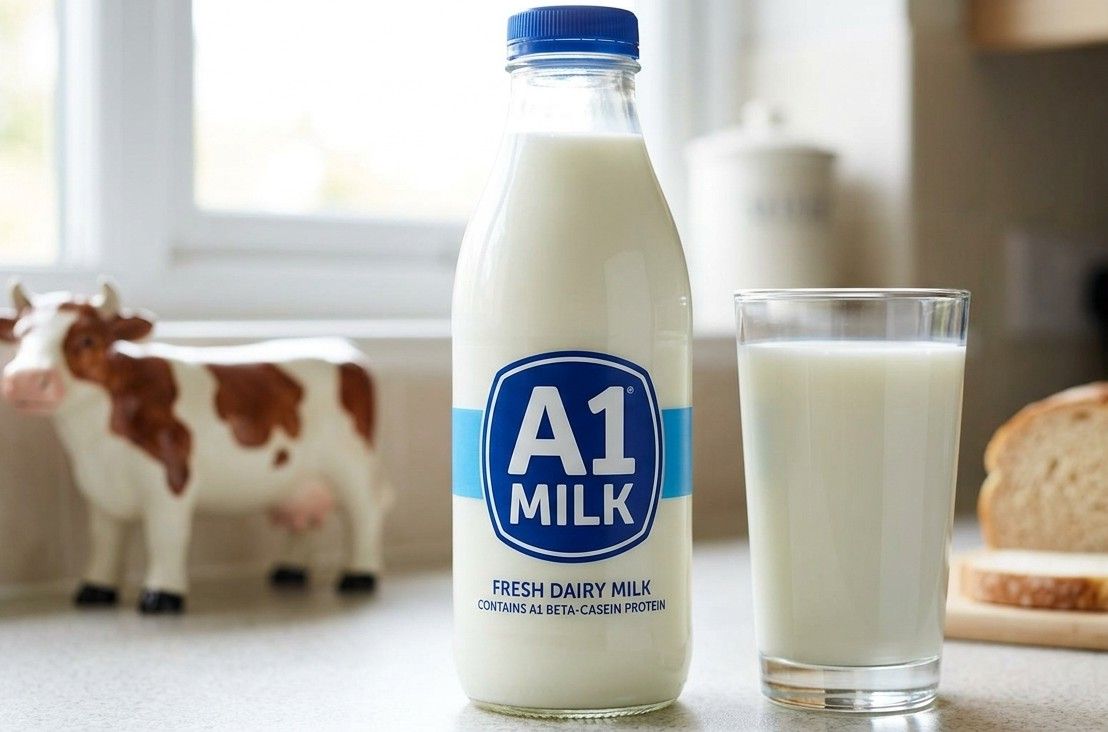
A1 milk is one of the most commonly consumed types of cow’s milk worldwide. It comes from dairy cows that naturally produce milk containing the A1 variant of the beta-casein protein. Popular breeds such as Holstein, Friesian, and Ayrshire cows typically produce A1 milk, making it the standard milk found in many supermarkets.
A1 milk is an excellent source of high-quality protein, calcium, phosphorus, vitamin B12, riboflavin, and several other essential nutrients that support bone health, muscle function, and overall wellness. However, some people may experience digestive discomfort after consuming A1 milk due to sensitivity to dairy proteins or lactose, while others can enjoy it without any issues.
This guide explores the nutritional profile, evidence-based health benefits, potential side effects, proper consumption, storage tips, and precautions associated with A1 milk.
What is A1 Milk?
A1 milk is cow’s milk that contains the A1 beta-casein protein, one of the naturally occurring forms of casein, the primary protein found in milk. During digestion, A1 beta-casein can release a peptide called beta-casomorphin-7 (BCM-7), which has been studied for its possible effects on digestion and health. However, scientific evidence remains mixed, and more research is needed to determine its clinical significance.
A1 milk contains nearly all the nutrients found in regular cow’s milk, including:
- Protein
- Calcium
- Vitamin D (fortified varieties)
- Vitamin B12
- Potassium
- Phosphorus
- Riboflavin
- Healthy fats (depending on fat content)
Nutrition Facts of A1 Milk (Per 1 Cup / 244 ml)
| Nutrient | Amount |
|---|---|
| Calories | 149 kcal |
| Protein | 7.7 g |
| Total Fat | 7.9 g |
| Saturated Fat | 4.6 g |
| Carbohydrates | 11.7 g |
| Natural Sugar (Lactose) | 12 g |
| Calcium | 276 mg |
| Phosphorus | 205 mg |
| Potassium | 322 mg |
| Vitamin B12 | 1.1 mcg |
| Riboflavin (Vitamin B2) | 0.34 mg |
| Vitamin A | 112 mcg |
| Vitamin D* | 2.9 mcg (fortified) |
| Magnesium | 24 mg |
| Zinc | 1 mg |
*Values may vary slightly depending on the brand and fortification.
20 Science-Backed Health Benefits of A1 Milk
- Supports Strong Bones: A1 milk provides calcium, phosphorus, and vitamin D that help maintain healthy bones and reduce the risk of osteoporosis.
- Promotes Muscle Growth: Its complete protein supplies all essential amino acids needed for muscle repair and development.
- Improves Teeth Health: Calcium and phosphorus strengthen tooth enamel and support dental health.
- Supports Healthy Growth in Children: The combination of protein, minerals, and vitamins helps promote healthy physical development.
- Boosts Protein Intake: A1 milk is an easy way to increase daily protein consumption for active individuals.
- Supports Heart Function: Potassium contributes to maintaining normal blood pressure and healthy heart function.
- Provides Long-Lasting Energy: The natural combination of carbohydrates, protein, and fat offers sustained energy throughout the day.
- Strengthens the Immune System: Vitamin A, B12, zinc, and quality protein support normal immune function.
- Supports Brain Health: Vitamin B12 and healthy fats contribute to normal neurological function.
- Aids Red Blood Cell Production: Vitamin B12 is essential for healthy red blood cell formation.
- Helps Maintain Healthy Skin: Protein and vitamin A support skin repair and regeneration.
- Supports Healthy Vision: Vitamin A contributes to maintaining normal eyesight.
- Promotes Healthy Metabolism: Riboflavin helps convert food into usable energy.
- Supports Hydration: Milk naturally contains water and electrolytes that assist in hydration.
- Enhances Post-Workout Recovery: Protein and carbohydrates help replenish energy and repair muscles after exercise.
- Supports Healthy Pregnancy Nutrition: The nutrients in A1 milk may contribute to maternal nutrition when consumed as part of a balanced diet.
- May Improve Satiety: Protein helps increase feelings of fullness and may reduce unnecessary snacking.
- Supports Healthy Nerve Function: Vitamin B12 and potassium contribute to normal nerve signaling.
- Provides Essential Micronutrients: A1 milk supplies numerous vitamins and minerals required for overall health.
- Fits Into a Balanced Diet: For people without dairy intolerance, A1 milk can be a nutritious daily beverage.
10 Side Effects of A1 Milk
- May Cause Digestive Discomfort: Some individuals report bloating, gas, or stomach discomfort after drinking A1 milk.
- Not Suitable for Lactose Intolerance: People with lactose intolerance may experience diarrhea, cramps, and bloating.
- Can Trigger Milk Allergy: Individuals with cow’s milk protein allergy should avoid A1 milk completely.
- May Cause Acne in Some People: Dairy consumption has been associated with acne in certain individuals.
- Contains Saturated Fat: Whole A1 milk may contribute to higher saturated fat intake if consumed excessively.
- May Increase Calorie Intake: Drinking large amounts can contribute to excess calorie consumption.
- Potential Digestive Sensitivity: Some people report improved digestion after switching from A1 to A2 milk, although evidence remains mixed.
- Can Raise Blood Sugar Slightly: The natural lactose in milk contributes carbohydrates that affect blood glucose.
- Possible Medication Interference: Calcium may reduce the absorption of certain medications if taken simultaneously.
- Not Appropriate for Certain Medical Conditions: People with severe kidney disease may need to limit dairy intake due to phosphorus and potassium content.
How to Make A1 Milk?
A1 milk is naturally produced by dairy cows carrying the A1 beta-casein gene. It cannot be made at home from regular ingredients.
However, you can obtain fresh A1 milk by:
- Purchasing milk from farms with Holstein or Friesian cows.
- Buying pasteurized A1 milk from supermarkets.
- Boiling raw A1 milk before drinking if obtained directly from a farm (only from trusted, regulated sources).
- Refrigerating immediately after boiling or opening.
How to Drink A1 Milk?
You can enjoy A1 milk in several healthy ways:
- Drink it warm before bedtime.
- Consume it chilled during summer.
- Add it to smoothies.
- Blend it with oats.
- Use it in coffee or tea.
- Mix it into protein shakes.
- Add cinnamon or turmeric for extra flavor.
- Drink it after workouts for protein recovery.
Tips for Consuming A1 Milk
- Choose pasteurized milk from reputable brands.
- Avoid excessive sugar when flavoring milk.
- Drink it with balanced meals.
- Select low-fat or skim milk if reducing saturated fat intake.
- Store milk properly after opening.
- Shake well before use if recommended.
- Check expiration dates.
- Introduce gradually if you are unsure about dairy tolerance.
- Stay within your daily calorie needs.
- Consult a healthcare professional if digestive symptoms persist.
How to Use A1 Milk?
Besides drinking it directly, A1 milk can be used for:
- Making yogurt
- Preparing smoothies
- Cooking soups
- Baking cakes
- Preparing oatmeal
- Making pancakes
- Preparing custards
- Making homemade cheese
- Cooking sauces
- Preparing desserts
Other Uses of A1 Milk
A1 milk has many culinary applications:
- Tea and coffee
- Milkshakes
- Ice cream
- Rice pudding
- Hot chocolate
- Breakfast cereals
- Mashed potatoes
- White sauces
- Cream soups
- Homemade dairy desserts
How Much A1 Milk Can You Drink in a Day?
The ideal amount depends on age, activity level, dietary pattern, and overall health.
General recommendations include:
- Adults: 1–3 cups (240–720 ml) daily as part of a balanced diet.
- Children: Follow age-appropriate dietary guidelines.
- Athletes: May consume more depending on protein and calorie needs.
- Older adults: Milk can help meet calcium and protein requirements.
Individuals with lactose intolerance, milk allergy, kidney disease, or other medical conditions should consult a healthcare professional before increasing dairy intake.
Best Time to Drink A1 Milk
- Morning: Provides protein and nutrients to start the day.
- After exercise: Supports muscle recovery.
- With breakfast: Adds calcium and protein.
- Evening: May promote satiety before bedtime.
- Before bed: Warm milk is a traditional bedtime beverage for many people.
Who Should Drink A1 Milk?
- Growing Children: Provides nutrients needed for healthy growth and bone development.
- Teenagers: Supports increased calcium and protein requirements during growth.
- Athletes: Helps support muscle recovery and daily protein intake.
- Older Adults: Contributes calcium and protein that help maintain bone and muscle health.
- Pregnant Women: Can provide important nutrients when included in a balanced prenatal diet.
- Breastfeeding Mothers: Offers protein, calcium, and vitamins to support nutritional needs.
- Healthy Adults: Can be part of a nutritious balanced diet.
- People Recovering from Illness: Supplies easily digestible protein and calories when tolerated.
Who Should Avoid A1 Milk?
- People with Cow’s Milk Allergy: Should completely avoid A1 milk unless advised otherwise by a healthcare provider.
- Individuals with Lactose Intolerance: May need lactose-free milk or dairy alternatives.
- People with Severe Dairy Sensitivity: May experience digestive symptoms after consumption.
- Individuals with Certain Kidney Conditions: Should follow medical advice regarding phosphorus and potassium intake.
- People Following a Vegan Diet: Should avoid all dairy products.
- Infants Under One Year: Cow’s milk should not replace breast milk or infant formula during the first year of life.
How to Store A1 Milk?
- Refrigerate Immediately: Store at or below 40°F (4°C).
- Keep the Lid Closed: Prevent contamination and odor absorption.
- Avoid Room Temperature: Do not leave milk out for extended periods.
- Use Before Expiration: Consume within the recommended date.
- Store in Original Container: This helps maintain freshness.
- Do Not Freeze Unless Recommended: Freezing may affect texture.
- Keep Away from Refrigerator Door: Store on interior shelves where temperatures are more stable.
- Discard Spoiled Milk: Do not consume milk with an off smell, sour taste, or curdled appearance.
Precautions and Interactions
- People with milk allergy should avoid A1 milk completely.
- Individuals with lactose intolerance may require lactose-free alternatives.
- Calcium in milk may reduce the absorption of certain antibiotics and thyroid medications; take these medications several hours apart from milk unless advised otherwise.
- People with chronic kidney disease should discuss dairy intake with their healthcare provider.
- Choose pasteurized milk to reduce the risk of foodborne illness.
- Consume milk as part of a varied, balanced diet rather than relying on it as the sole source of nutrients.
- Current evidence comparing A1 and A2 milk is still evolving, and no major health authority recommends avoiding A1 milk for the general population solely because it contains A1 beta-casein.
FAQ’s
Is A1 milk healthy?
Yes. milk is rich in protein, calcium, vitamin B12, phosphorus, and other essential nutrients that support bone, muscle, and overall health when consumed as part of a balanced diet.
What is the difference between A1 and A2 milk?
The main difference is the type of beta-casein protein they contain. A1 milk contains A1 beta-casein, while A2 milk contains A2 beta-casein.
Is A1 milk easier to digest?
Many people digest milk without problems. However, some individuals report better digestive comfort with A2 milk, although research is still ongoing.
Can lactose-intolerant people drink A1 milk?
Generally, no. milk still contains lactose, so people with lactose intolerance may experience digestive symptoms unless they choose lactose-free milk.
Is A1 milk safe to drink every day?
Yes. Most healthy adults can safely enjoy 1–3 cups of milk daily as part of a balanced diet, provided they do not have a milk allergy or lactose intolerance.
Does A1 milk contain protein?
Yes. One cup of milk provides about 8 grams of high-quality complete protein containing all essential amino acids.
Is A1 milk good for bone health?
Yes. Its calcium, phosphorus, protein, and vitamin D (if fortified) help support strong bones and teeth.
Can children drink A1 milk?
Yes. Children over one year of age can drink milk as part of a healthy diet, following pediatric dietary recommendations.
Is A1 milk suitable during pregnancy?
Yes. Pregnant women can consume pasteurized milk as a source of protein and calcium unless advised otherwise by their healthcare provider.
Can A1 milk cause digestive problems?
Some people may experience bloating, gas, or stomach discomfort, especially if they are lactose intolerant or sensitive to dairy.
Does A1 milk contain calcium?
Yes. One cup provides approximately 275–300 mg of calcium, depending on the brand.
Can A1 milk help build muscle?
Yes. Its high-quality protein supports muscle growth, repair, and recovery, especially after exercise.
Is A1 milk good for weight loss?
Milk can fit into a weight-loss diet when consumed in moderation. Choosing low-fat or skim milk may help reduce calorie and saturated fat intake.
What does A1 milk taste like?
Milk has a creamy, mildly sweet, and rich flavor. Its taste is similar to regular cow’s milk because most commercially available cow’s milk contains the A1 beta-casein protein.
How long does it take for A1 milk to work?
Milk provides hydration and nutrients immediately after consumption. The protein supports muscle recovery within a few hours after exercise, while the benefits for bone health and overall nutrition develop over weeks or months of regular consumption as part of a balanced diet.
What does A1 milk smell like?
Fresh milk has a clean, slightly sweet, and creamy aroma. If it develops a sour or unpleasant smell, it has likely spoiled and should not be consumed.
What is A1 milk good for?
Milk is a good source of protein, calcium, vitamin B12, phosphorus, potassium, and riboflavin. It supports bone health, muscle growth, energy production, healthy teeth, and overall nutrition.
Which is better, A1 or A2 milk?
Neither A1 nor A2 milk is universally better. Both provide similar amounts of protein, calcium, vitamins, and minerals. Some people report fewer digestive symptoms with A2 milk, but current scientific evidence is still evolving, and many people digest A1 milk without any problems.
Is Amul milk A2 or A1?
Most regular Amul milk products are made from milk collected from mixed dairy breeds and generally contain both A1 and A2 beta-casein proteins, with A1 being common. Amul also offers dedicated A2 milk products that are clearly labeled as “Amul A2 Cow Milk.”
What is the price of A1 milk?
The price of A1 milk depends on the country, brand, packaging, and whether it is fresh or processed. In India, regular A1 cow’s milk typically costs around ₹55–₹80 per liter, while premium brands or farm-fresh varieties may cost more.
Sources / References:
- U.S. Department of Agriculture (USDA) FoodData Central
- National Institutes of Health (NIH)
- National Institute of Diabetes and Digestive and Kidney Diseases (NIDDK)
- World Health Organization (WHO)
- Harvard T.H. Chan School of Public Health
- Academy of Nutrition and Dietetics
About the Author:
Written by: Kirti Solanki (Health Content Researcher)
Kirti Solanki is a Health Content Researcher who creates evidence-based nutrition and wellness content using information from reputable medical organizations and peer-reviewed scientific literature. Her focus is on translating complex health topics into practical, reader-friendly guidance while emphasizing accuracy, balance, and responsible health communication.
Disclaimer:
This guide is intended for educational and informational purposes only and should not be considered medical advice. Nutritional needs and health conditions vary between individuals. Always consult a qualified healthcare professional before making significant dietary changes or using food to manage or treat any medical condition.
Also Read: