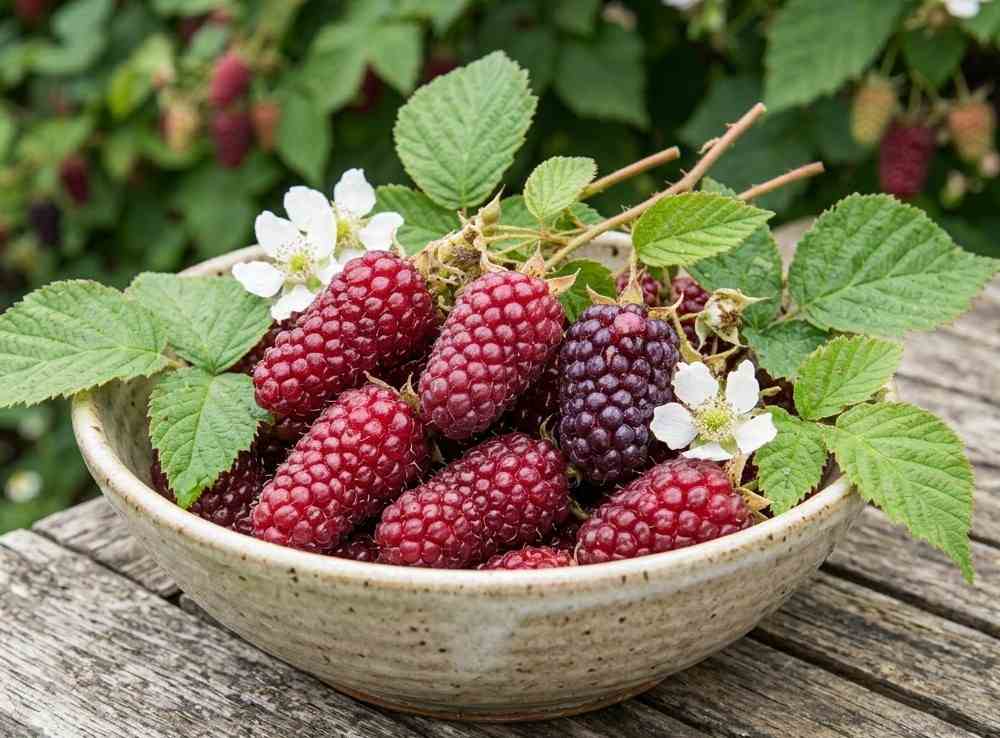
Damson Plum: 20 Benefits, Side Effects & How Much to Eat
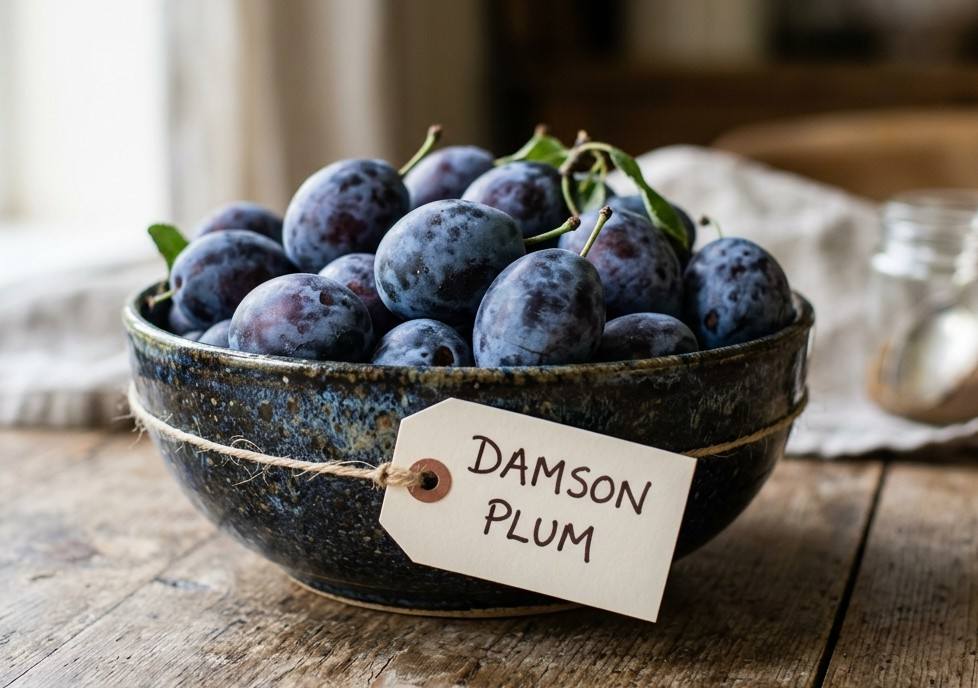
Damson Plum

Damson plum is a small, dark-purple fruit known for its firm flesh, naturally tart flavor, and distinctive aroma. Unlike many sweet table plums, damsons are often valued for cooking because their slightly astringent flavor becomes rich and fruity when prepared into jams, preserves, sauces, pies, and other dishes. Damson plum is a type of European … Read more

American Beautyberry: 20 Benefits, Side Effects & How to Eat It

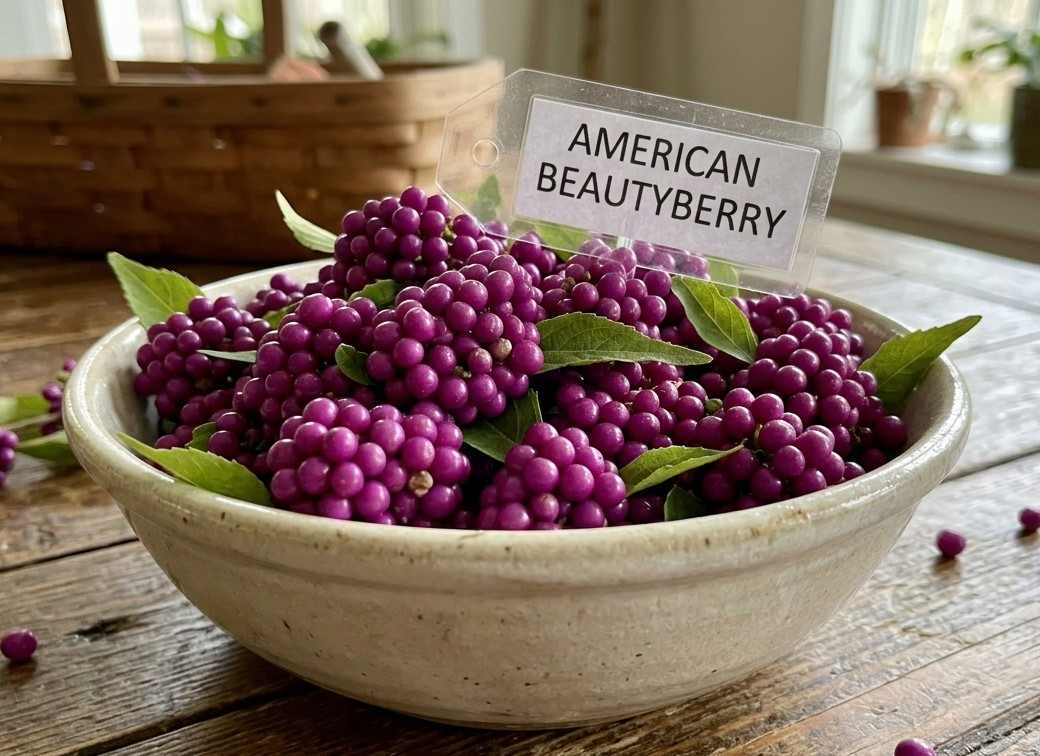
American Beautyberry

American beautyberry is a striking North American shrub known for its bright purple clusters of fruit that appear around the stems in late summer and fall. Although the fruit is not especially sweet and can leave the mouth feeling dry, the berries are edible and are traditionally used in jellies, preserves, drinks, and other preparations. … Read more

American Hazelnut: 20 Benefits, Side Effects & How Much to Eat

American Hazelnut

American hazelnut is a small native North American nut with a naturally sweet, rich flavor and a satisfying crunch. It is often overlooked compared with the more widely cultivated European hazelnut, but American hazelnut can still be a nutritious addition to a balanced diet. Like other tree nuts, it provides healthy fats, protein, fiber, vitamins, … Read more

Date Plum: Nutrition, 20 Benefits, Side Effects & How Much to Eat

Date Plum

Date plum is a small, naturally sweet fruit with an interesting name and a long history of use in parts of Asia and Europe. Scientifically known as Diospyros lotus L., it belongs to the Ebenaceae family and is related to other persimmon species. It is also called European date plum, Caucasian persimmon, or lotus tree. … Read more

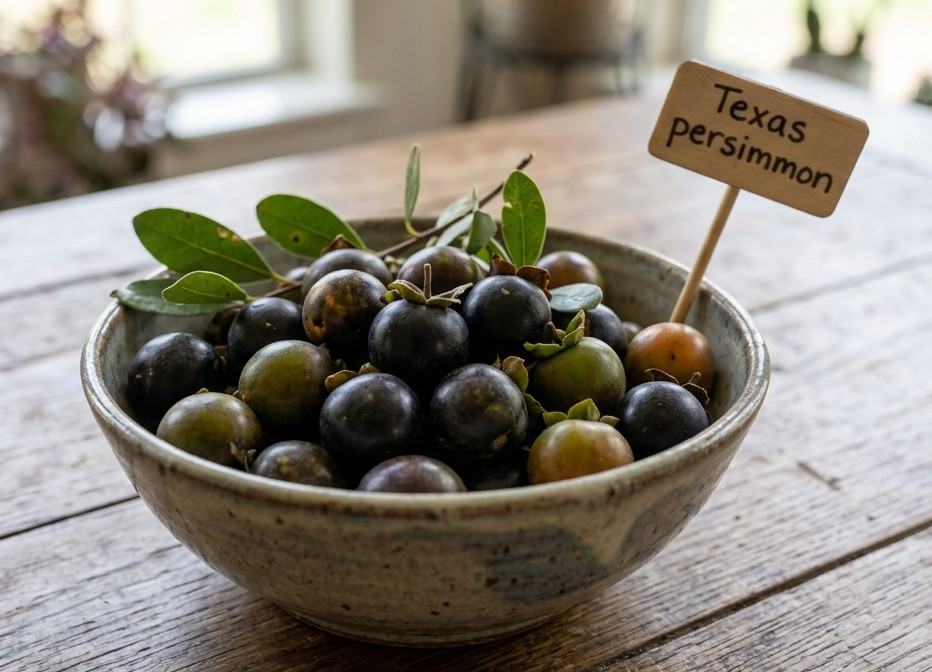
Texas Persimmon: 20 Benefits, Side Effects & How to Eat It

Texas persimmon

Texas persimmon is a small, distinctive fruit native to parts of Texas, Oklahoma, and northern Mexico. Unlike the familiar orange persimmons commonly found in grocery stores, Texas persimmon produces small round fruits that turn deep purple to almost black when fully ripe. Known scientifically as Diospyros texana, this fruit is also called Texas persimmon, Mexican … Read more

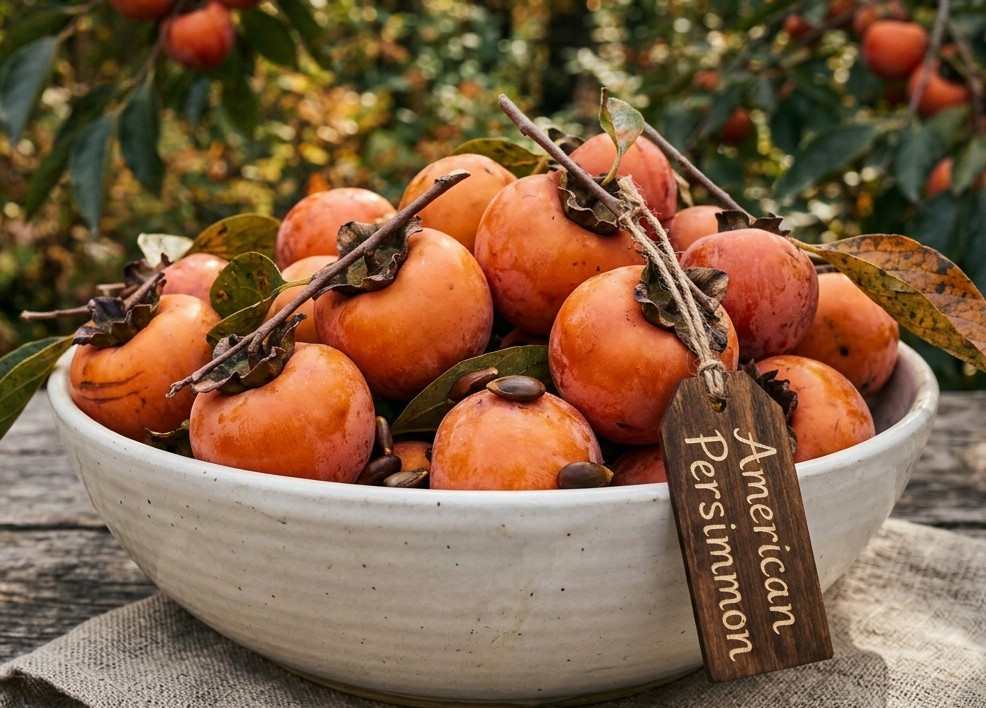
American Persimmon: Nutrition, 20 Benefits & Side Effects

American Persimmon

American persimmon is a small, naturally sweet fruit that has been eaten in North America for centuries. Unlike many supermarket persimmons, the American variety is usually very soft when fully ripe and can have a rich, date-like sweetness. It is also an interesting source of vitamin C, carbohydrates, minerals, and plant compounds. The most important … Read more

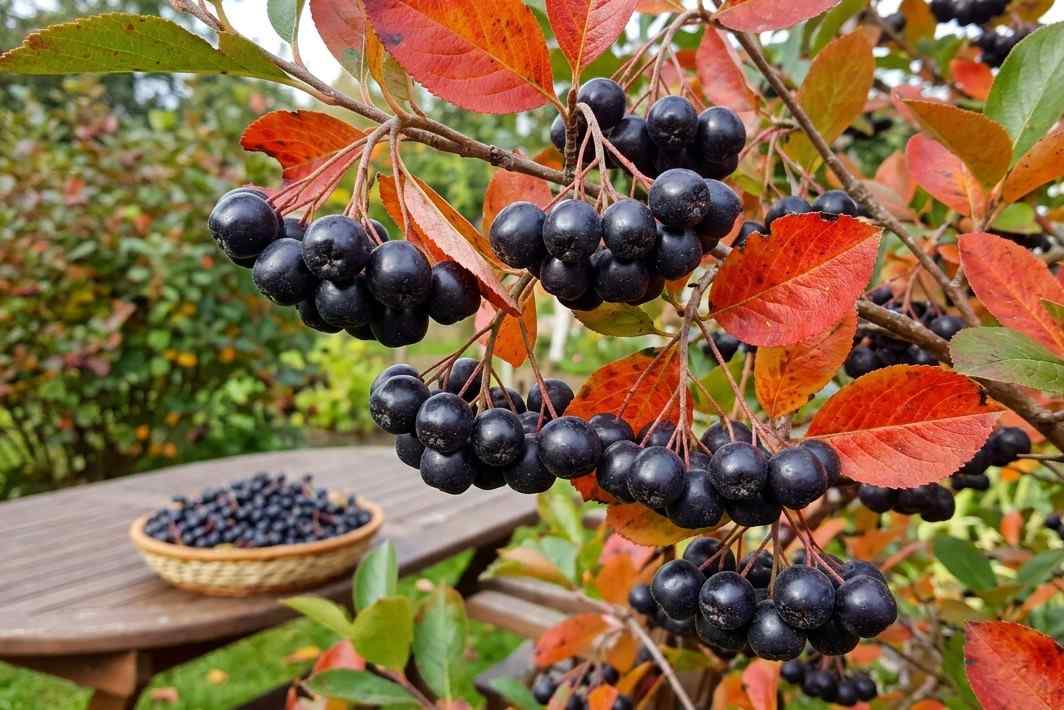
Aronia Berries: Nutrition, 20 Benefits, Side Effects & How Much to Eat

Aronia Berries

Aronia berries, also called chokeberries, are small, dark-colored berries best known for their deep purple-black color and naturally high concentration of polyphenols. They are particularly rich in anthocyanins, procyanidins, and other plant compounds that have attracted scientific interest for their antioxidant and cardiometabolic properties. Unlike sweet berries such as strawberries or blueberries, fresh aronia berries … Read more

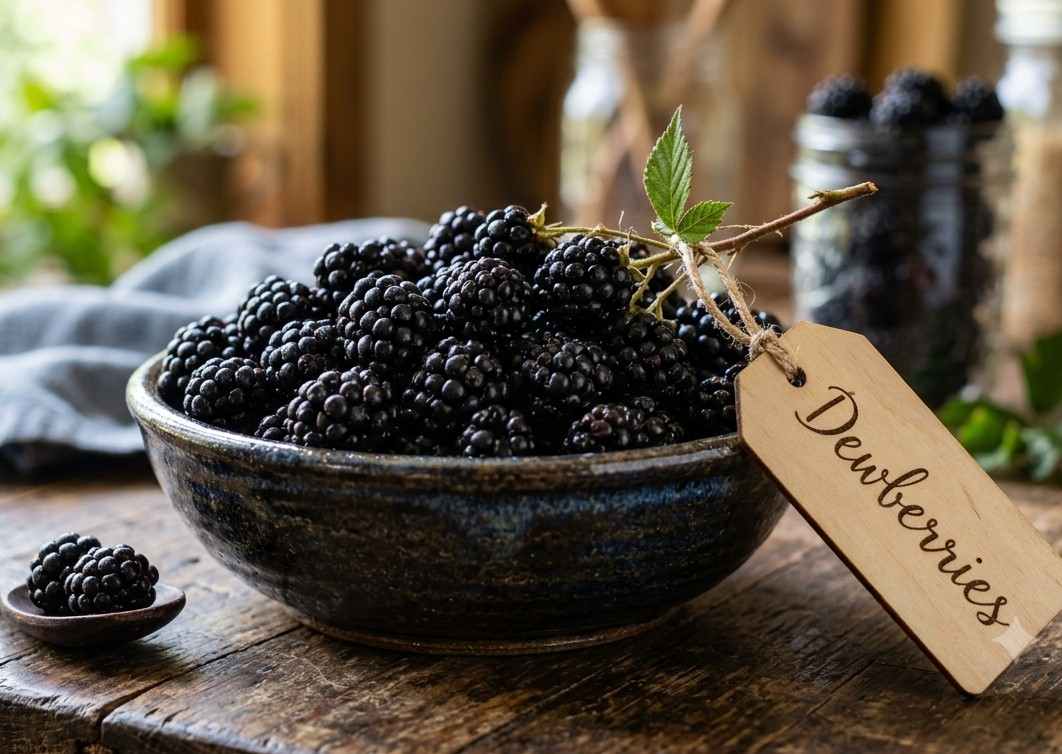
Dewberries: Nutrition, 20 Benefits, Side Effects & How Much to Eat

Dewberries

Dewberries (also known as trailing blackberry, wild blackberry, or blue bramble) are small, dark-colored wild berries belonging to the Rubus genus, the same broad plant group that includes blackberries and raspberries. They are valued for their sweet-tart flavor and naturally occurring fiber, vitamin C, polyphenols, flavonoids, and anthocyanins. Because “dewberry” can refer to several closely … Read more

Marionberries: Nutrition, 20 Benefits, Side Effects & How Much to Eat

Marionberries

Marionberries are a flavorful type of blackberry known for their deep purple-black color, juicy texture, and pleasantly sweet-tart taste. They are especially associated with Oregon, where the Marion cultivar has been an important trailing blackberry variety. Although they look similar to ordinary blackberries, marionberries have their own distinctive flavor and nutritional profile. They provide fiber, … Read more

Loganberries: Nutrition, 20 Benefits, Side Effects & How Much to Eat

Loganberries

Loganberries are a distinctive hybrid berry with the appearance of an elongated raspberry and a flavor that combines raspberry-like sweetness with the sharper character of blackberry. They are part of the Rubus group and are valued for their fiber, vitamin C, manganese, and naturally occurring polyphenols. Fresh loganberries can be difficult to find because they … Read more