Jabuticaba: Nutrition, 20 Benefits, Side Effects & How Much to Eat
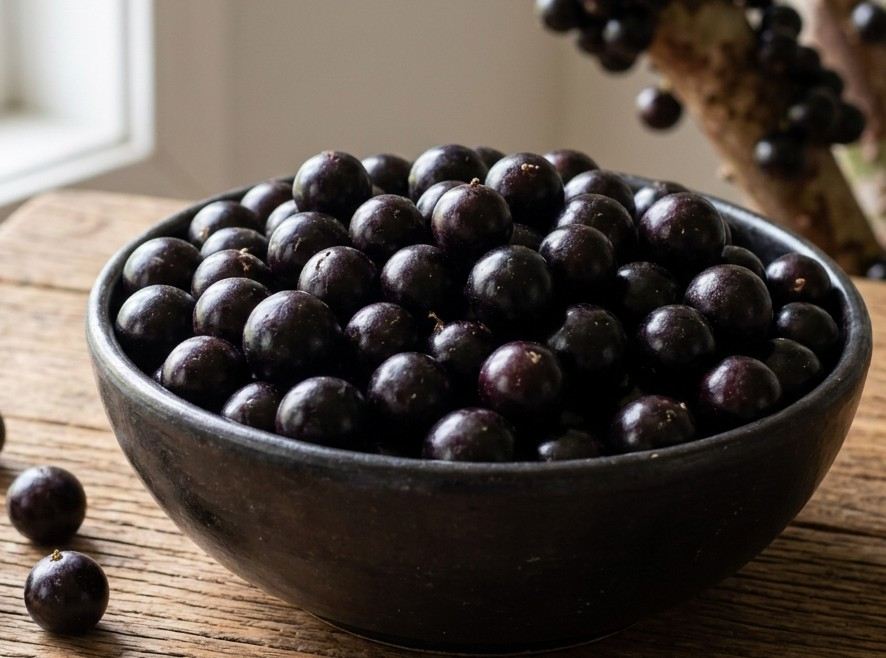
Jabuticaba

Jabuticaba is a unique Brazilian fruit that looks almost like a grape but grows directly on the trunk and branches of its tree. Its deep purple-black skin gives it a striking appearance and provides anthocyanins and other polyphenols that have attracted scientific interest. The fruit is naturally sweet and juicy, while its skin has a … Read more
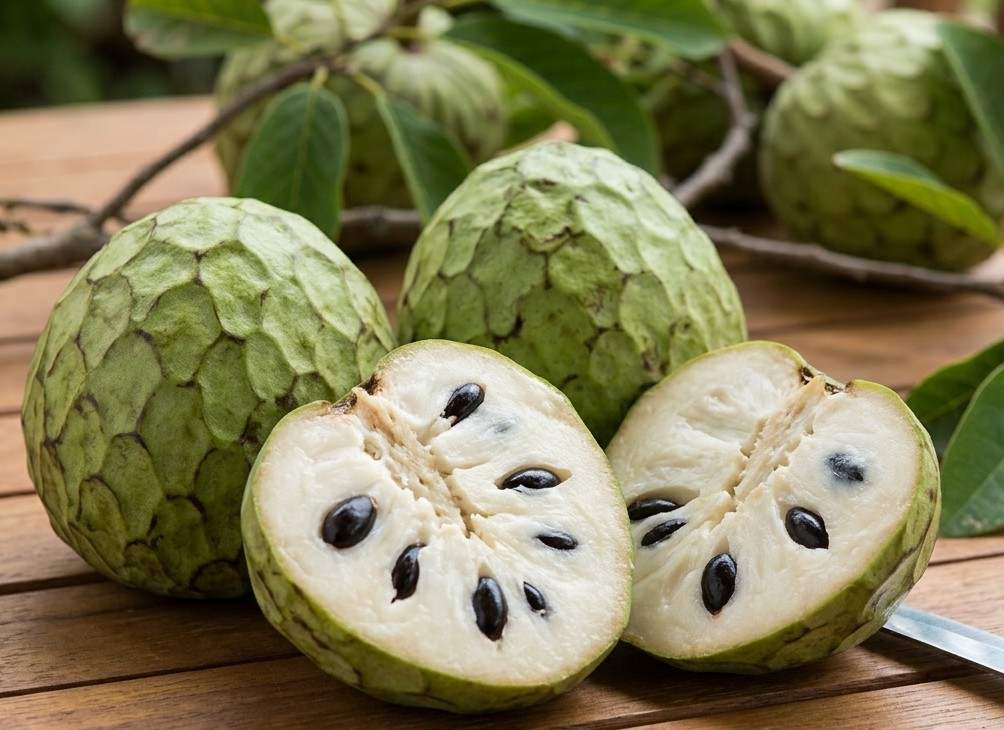
Cherimoya: Nutrition, 20 Benefits, Side Effects & How Much to Eat

Cherimoya

Cherimoya (also known as chirimoya) is a sweet, creamy tropical fruit known for its unusual green, textured skin and soft, custard-like flesh. Scientifically known as Annona cherimola, it belongs to the Annonaceae family and is native to the Andean regions of South America. Sometimes called a custard apple, cherimoya has a naturally sweet flavor that … Read more

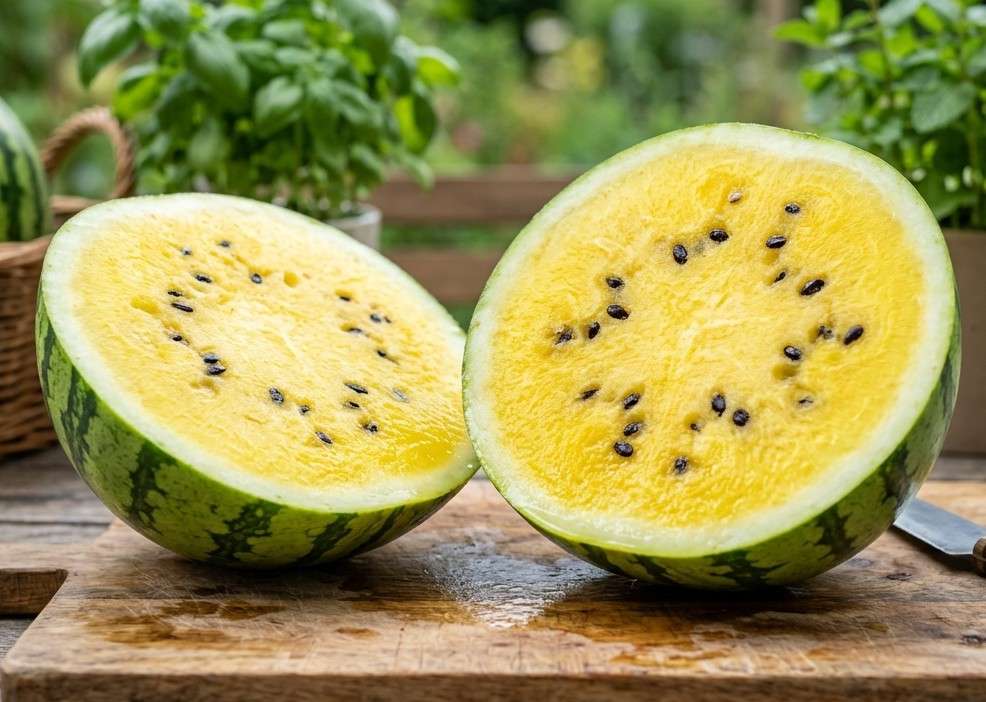
Yellow Watermelon: Nutrition, 20 Benefits & Side Effects

Yellow watermelon

Yellow watermelon is a colorful variety of watermelon with bright yellow flesh instead of the familiar red or pink flesh. It belongs to the same species, Citrullus lanatus, and has a juicy, refreshing texture similar to traditional watermelon. Depending on the variety, its flavor can range from mildly sweet to noticeably honey-like. The yellow color … Read more

Cempedak: Nutrition, 20 Benefits, Side Effects & How Much to Eat

Cempedak

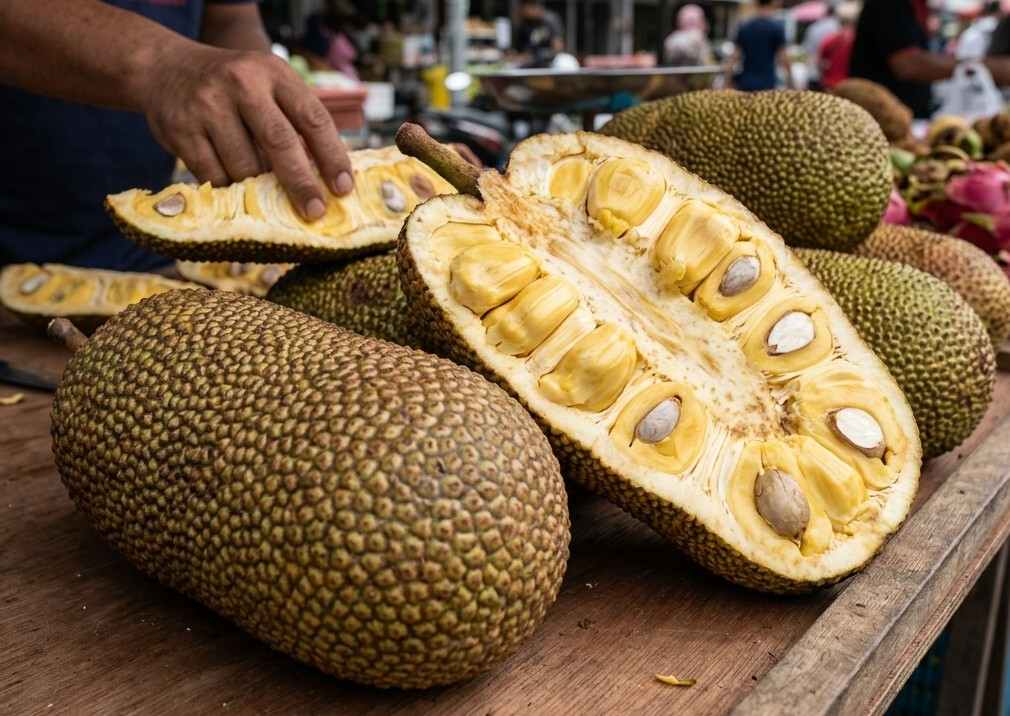
Cempedak is a tropical fruit known for its strong aroma, soft golden-yellow flesh, and naturally sweet flavor. It is closely related to jackfruit and belongs to the Moraceae family. Scientifically, it is commonly known as Artocarpus integer, although the name Artocarpus champeden is also found in older literature. Cempedak is especially popular in parts of … Read more

Bilimbi: Nutrition, 20 Benefits, Side Effects & How Much to Eat

Bilimbi

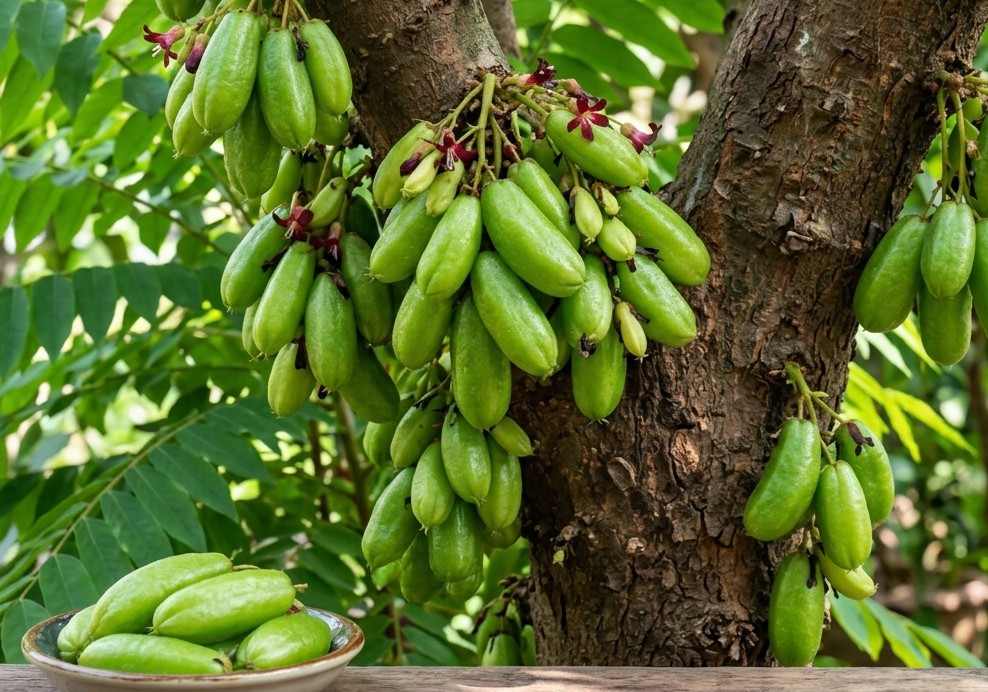
Bilimbi is a small tropical fruit known for its intensely sour taste and crisp, juicy texture. It is commonly used in South and Southeast Asian cooking, where it may be eaten fresh, cooked, pickled, or added to curries, chutneys, and other dishes. Although bilimbi contains vitamin C and various plant compounds, it is important to … Read more

Garcinia Dulcis: Nutrition, 20 Benefits, Side Effects & How Much to Eat

Garcinia Dulcis

Garcinia dulcis, also known as mundu or yellow mangosteen, is an edible tropical fruit belonging to the Clusiaceae family. It is closely related to other Garcinia species but is a distinct plant. The fruit is known by different regional names, including mundu in Indonesia and Malaysia and maphut in Thailand. It produces round to oval … Read more

Langsat: Nutrition, 20 Benefits, Side Effects & How to Eat It

Langsat

Langsat is a small tropical fruit that may not be as familiar as mango, lychee, or rambutan, but it has been enjoyed for generations across Southeast Asia. With its thin yellowish-brown skin, juicy translucent flesh, and mildly sweet-to-tangy flavor, langsat is a refreshing seasonal fruit that can be eaten fresh or used in several traditional … Read more

Pulasan: 20 Benefits, Side Effects, Nutrition & How Much to Eat

Pulasan

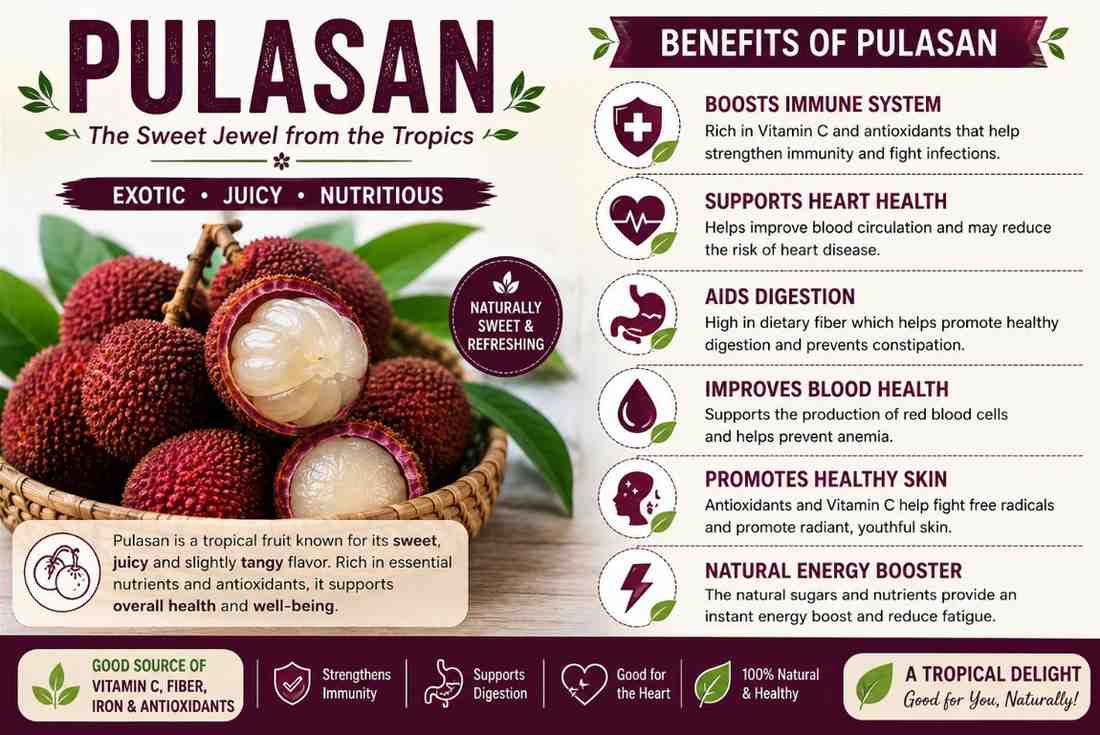
Pulasan (also known as Pulasaan, Kapulasan, Wild Rambutan, or Bulala) is one of those tropical fruits that can easily be mistaken for rambutan at first glance. Its colorful, textured skin and sweet, juicy flesh make it an attractive fruit, but pulasan is less commonly known outside Southeast Asia. It belongs to the soapberry family, Sapindaceae, … Read more

Green Papaya: Nutrition, 20 Benefits, Side Effects & How to Eat It

Green Papaya

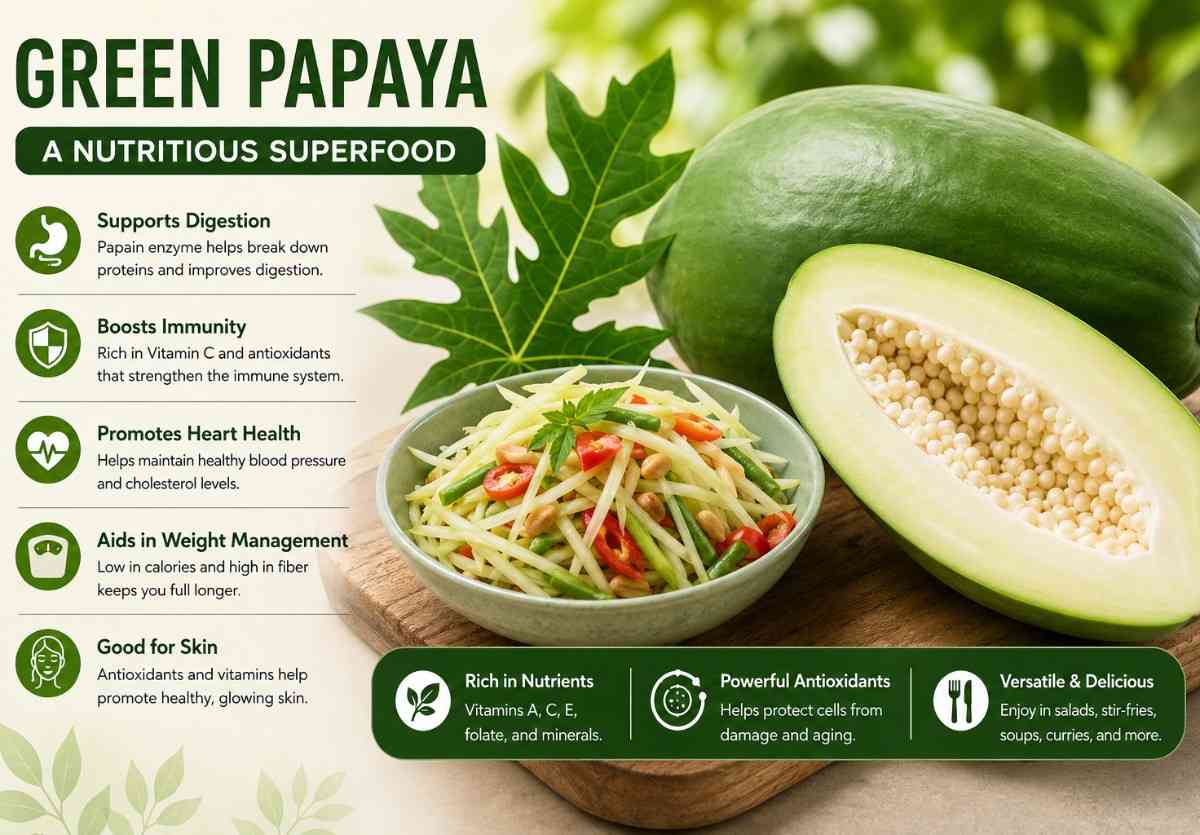
Green papaya is the unripe form of the papaya fruit, harvested before it develops its sweet taste and orange flesh. Unlike ripe papaya, green papaya has a firm texture, mild flavor, and is widely used as a vegetable in Asian, Caribbean, African, and Latin American cuisines. It is commonly added to salads, curries, soups, stir-fries, … Read more

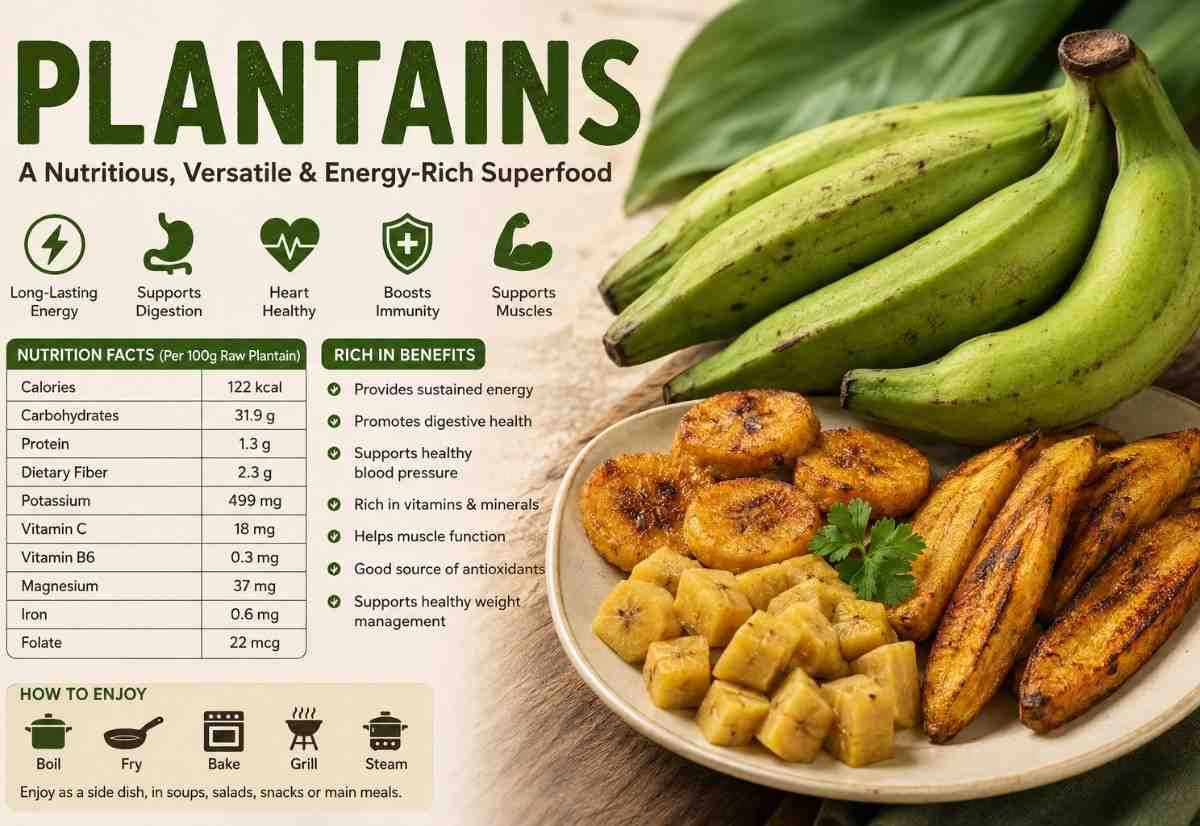
Plantains: Nutrition, 20 Benefits, Side Effects & How to Eat Them

Plantains

Plantains are one of the most versatile tropical fruits enjoyed across Africa, the Caribbean, Central America, South America, and parts of Asia. Although they resemble bananas, plantains are starchier, less sweet, and are usually cooked before eating. They are packed with complex carbohydrates, dietary fiber, vitamins, minerals, and beneficial plant compounds that support energy production, … Read more