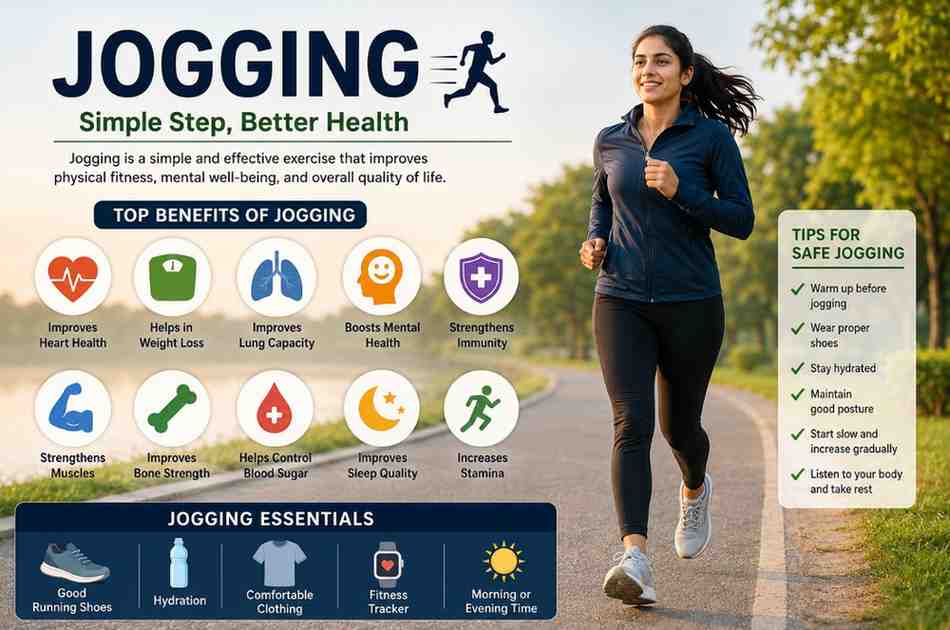
Jogging is one of the simplest and most effective forms of exercise that people of almost all ages can enjoy. It requires little more than a comfortable pair of running shoes and a safe place to move. Whether your goal is to lose weight, improve heart health, increase stamina, reduce stress, or simply stay active, jogging can be an excellent addition to your daily routine.
Unlike high-intensity running, jogging is performed at a comfortable, sustainable pace. This makes it easier for beginners and those returning to exercise after a long break. Regular jogging strengthens the heart, improves lung capacity, supports healthy weight management, and even enhances mental well-being.
In this guide, you’ll learn everything you need to know about jogging, including its health benefits, different types, proper techniques, safety tips, common mistakes, and frequently asked questions.
What is Jogging?
Jogging is a moderate-intensity aerobic exercise that involves running at a slow and steady pace. The primary purpose of jogging is to improve cardiovascular fitness while placing less stress on the body than fast running.
Most people jog at a pace that allows them to comfortably hold a conversation. This steady rhythm makes jogging suitable for long-duration exercise and sustainable fitness.
Jogging can be performed:
- Outdoors
- On a treadmill
- In parks
- On tracks
- On trails
- Around your neighborhood
It is often recommended as one of the best exercises for overall physical and mental health.
Jogging vs Running
| Feature | Jogging | Running |
|---|---|---|
| Speed | Slow to moderate | Moderate to fast |
| Intensity | Moderate | High |
| Calories Burned | Moderate | High |
| Impact on Joints | Lower | Higher |
| Best For | Beginners, weight management, heart health | Athletic training, racing, performance |
| Injury Risk | Lower | Higher |
20 Proven Benefits of Jogging
1. Improves Heart Health
Jogging strengthens the heart muscle, improves circulation, and helps reduce the risk of cardiovascular disease.
2. Helps with Weight Loss
Jogging burns calories efficiently and supports fat loss when combined with a balanced diet.
3. Strengthens Muscles
It develops muscles in the legs, hips, core, and lower back.
4. Improves Lung Capacity
Regular jogging enhances breathing efficiency and oxygen delivery.
5. Builds Endurance
Over time, jogging improves stamina, allowing you to exercise longer without fatigue.
6. Reduces Blood Pressure
Consistent aerobic exercise can help maintain healthy blood pressure levels.
7. Supports Healthy Cholesterol
Jogging may increase HDL (good cholesterol) while lowering LDL (bad cholesterol).
8. Helps Control Blood Sugar
Regular exercise improves insulin sensitivity and supports healthy glucose control.
9. Improves Bone Strength
Weight-bearing exercise stimulates bone formation and helps reduce bone loss.
10. Strengthens Joints
When performed correctly, jogging helps strengthen the muscles that support joints.
11. Boosts Mental Health
Jogging stimulates the release of endorphins, often called “feel-good” hormones.
12. Reduces Stress
A jog outdoors can help lower stress hormones and promote relaxation.
13. Improves Sleep Quality
People who exercise regularly often experience deeper and more restful sleep.
14. Enhances Brain Function
Jogging increases blood flow to the brain, supporting memory and concentration.
15. Strengthens the Immune System
Moderate exercise may improve immune function and reduce illness risk.
16. Supports Healthy Aging
Jogging helps maintain muscle mass, balance, mobility, and independence as people age.
17. Improves Mood
Many people feel happier and more energized after a jogging session.
18. Increases Energy Levels
Regular aerobic exercise improves the body’s ability to produce energy efficiently.
19. May Increase Lifespan
Research suggests regular jogging is associated with a lower risk of premature death.
20. Improves Overall Quality of Life
Better fitness often leads to improved confidence, mobility, productivity, and daily functioning.
Related Articles:
- Power Walking: 20 Benefits, Technique, Risks & How to Start
- Backward Walking: 20 Benefits, Risks & How to Start Safely
- Barefoot Walking: 20 Benefits, Risks & How to Start Safely
Types of Jogging
1. Easy Jogging
A slow, comfortable pace suitable for beginners and recovery days.
2. Long-Distance Jogging
Steady jogging over longer distances to improve endurance.
3. Treadmill Jogging
Ideal during bad weather or when outdoor jogging isn’t practical.
4. Trail Jogging
Performed on natural paths with varying terrain for an added challenge.
5. Interval Jogging
Alternating between slow jogging and brisk walking or faster running to improve fitness.
6. Recovery Jogging
Very light jogging after intense workouts to promote circulation and recovery.
How to Start Jogging?
Step 1: Get Medical Clearance
If you have heart disease, diabetes, arthritis, or other medical conditions, consult your healthcare provider before beginning.
Step 2: Buy Proper Running Shoes
Choose shoes that provide adequate cushioning and support.
Step 3: Warm Up
Spend 5–10 minutes walking and performing dynamic stretches.
Step 4: Start Slowly
Begin with:
- 2–5 minutes jogging
- 2 minutes walking
Repeat for 20–30 minutes.
Step 5: Gradually Increase
Increase duration before increasing speed.
Correct Jogging Form
- Keep your head upright.
- Relax your shoulders.
- Look forward.
- Bend elbows about 90 degrees.
- Swing arms naturally.
- Land softly on your feet.
- Maintain short, comfortable strides.
- Keep your breathing steady.
Good posture helps reduce injury risk and improves efficiency.
Best Time to Jog
Morning
Benefits:
- Boosts metabolism
- Improves focus
- Starts the day actively
Evening
Benefits:
- Relieves stress
- Muscles are naturally warmer
- May improve performance
The best time is the one you can consistently stick to.
How Often Should You Jog?
General recommendations:
- Beginners: 3 days per week
- Intermediate: 4–5 days per week
- Advanced: 5–6 days per week
Aim for at least 150 minutes of moderate-intensity aerobic activity each week, as recommended by major public health guidelines.
What to Eat Before Jogging?
Eat 30–90 minutes beforehand.
Good options include:
- Banana
- Oatmeal
- Whole-grain toast
- Yogurt
- Fruit smoothie
- Peanut butter toast
Avoid heavy meals immediately before jogging.
What to Eat After Jogging?
Focus on recovery foods containing carbohydrates and protein.
Examples:
- Greek yogurt with fruit
- Eggs and whole-grain toast
- Chicken with brown rice
- Cottage cheese
- Protein smoothie
Drink water to replace fluids lost through sweat.
Common Mistakes Beginners Make
- Skipping warm-up
- Wearing improper shoes
- Increasing distance too quickly
- Poor posture
- Running too fast
- Ignoring pain
- Not staying hydrated
- Skipping recovery days
Avoiding these mistakes helps reduce injuries and improves long-term progress.
Possible Risks of Jogging
Although jogging is generally safe, excessive training or poor technique can increase the risk of:
1. Shin Splints
Repeated stress on the lower legs can cause pain along the shinbone, especially in beginners or those who increase their mileage too quickly.
2. Runner’s Knee
Overuse of the knee joint may lead to pain around the kneecap, particularly when jogging on hard surfaces or wearing improper footwear.
3. Muscle Strains
Overstretching or overworking muscles can result in strains, especially in the calves, hamstrings, or quadriceps.
4. Ankle Sprains
Uneven terrain or poor balance can cause the ankle to twist, leading to sprains and ligament injuries.
5. Plantar Fasciitis
Excessive stress on the bottom of the foot may cause inflammation of the plantar fascia, resulting in heel pain.
6. Achilles Tendinitis
Repeated strain on the Achilles tendon can cause pain, stiffness, and swelling behind the heel.
7. Stress Fractures
Ignoring persistent pain or increasing training intensity too rapidly may lead to tiny cracks in the bones, particularly in the feet or lower legs.
8. Joint Pain
Jogging with poor form or worn-out shoes may contribute to discomfort in the knees, hips, or ankles.
9. Dehydration
Jogging in hot or humid weather without adequate fluid intake can lead to dehydration, dizziness, fatigue, and reduced performance.
10. Heat Exhaustion
Exercising in high temperatures may increase the risk of heat exhaustion or heat stroke if proper precautions are not taken.
11. Overtraining Syndrome
Exercising intensely without sufficient rest can cause persistent fatigue, poor performance, muscle soreness, sleep disturbances, and increased injury risk.
12. Falls and Accidents
Jogging on slippery, uneven, or poorly lit paths can increase the risk of trips, falls, and other injuries.
How to Reduce the Risks of Jogging?
- Warm up for 5–10 minutes before jogging.
- Wear properly fitted, supportive running shoes.
- Increase distance and intensity gradually.
- Maintain good running posture and technique.
- Stay hydrated before, during, and after exercise.
- Avoid jogging in extreme heat or poor weather conditions.
- Include rest days and recovery in your routine.
- Strengthen your core and leg muscles with resistance training.
- Stop exercising if you experience severe pain, chest pain, dizziness, or shortness of breath, and seek medical attention if symptoms persist.
Who Should Be Careful with Jogging?
Speak with your healthcare provider before starting if you have:
- Severe arthritis
- Heart disease
- Uncontrolled high blood pressure
- Chronic lung disease
- Recent surgery
- Pregnancy with complications
- Serious balance disorders
Many people with chronic health conditions can still jog safely after receiving personalized medical guidance.
Tips to Make Jogging a Lifelong Habit
- Set realistic goals.
- Track your progress.
- Wear comfortable clothing.
- Stay hydrated.
- Jog with a friend.
- Listen to music or podcasts if safe to do so.
- Vary your routes.
- Include strength training twice a week.
- Prioritize sleep and recovery.
- Celebrate consistency rather than speed.
Sample Weekly Jogging Plan for Beginners
| Day | Activity |
| Monday | 20-minute walk + light jogging |
| Tuesday | Rest or stretching |
| Wednesday | 25-minute jog/walk intervals |
| Thursday | Strength training |
| Friday | 30-minute easy jog |
| Saturday | Long walk or trail jog |
| Sunday | Rest and recovery |
FAQs
Is jogging better than walking?
Both are excellent forms of exercise. Jogging burns more calories and improves cardiovascular fitness faster, while walking is easier on the joints and suitable for beginners or people with mobility issues.
How many minutes should I jog each day?
Beginners can start with 20–30 minutes, three to four times a week. Adults should aim for at least 150 minutes of moderate aerobic activity each week.
Does jogging help with weight loss?
Yes. Jogging burns calories and, when combined with a healthy diet, can support weight loss and reduce body fat.
Can jogging reduce belly fat?
Jogging helps burn overall body fat, including abdominal fat, but it cannot specifically target belly fat. A balanced diet and regular exercise are essential for fat loss.
Is jogging good for heart health?
Yes. Regular jogging strengthens the heart, improves blood circulation, lowers blood pressure, and may reduce the risk of heart disease.
Should I drink water while jogging?
Yes. Stay hydrated before, during (for longer runs), and after jogging, especially in hot or humid weather.
What are the best shoes for jogging?
Choose running shoes that provide good cushioning, arch support, and a proper fit to reduce the risk of injuries.
Is jogging every day safe?
For most healthy adults, jogging most days is safe if you allow adequate recovery and avoid overtraining. Beginners should include rest days between sessions.
Can beginners start jogging?
Absolutely. Beginners should start with a combination of walking and jogging, then gradually increase jogging time as their fitness improves.
Is jogging better in the morning or evening?
Both are beneficial. Morning jogging can boost energy and metabolism, while evening jogging may help relieve stress. The best time is whenever you can be consistent.
Does jogging build muscle?
Jogging strengthens the muscles in the legs, hips, and core, but it is not as effective for building muscle mass as strength training.
Can jogging improve mental health?
Yes. Jogging may help reduce stress, anxiety, and symptoms of depression while improving mood, focus, and sleep quality.
Who should avoid jogging?
People with severe joint problems, uncontrolled heart conditions, recent injuries, or other serious medical conditions should consult a healthcare provider before starting a jogging routine.
Is jogging safe for older adults?
Many older adults can safely jog if they have medical clearance and progress gradually using proper footwear and technique.
Final Thoughts
Jogging is an accessible, affordable, and highly effective exercise that supports nearly every aspect of health. From improving heart function and managing weight to boosting mood and increasing endurance, the benefits of regular jogging are well supported by scientific research.
The key to long-term success is consistency rather than intensity. Start at a comfortable pace, invest in supportive footwear, stay hydrated, and gradually build your routine over time. By making jogging a regular part of your lifestyle, you can enjoy lasting improvements in physical fitness, mental well-being, and overall quality of life.
Sources / References:
- World Health Organization (WHO)
- Centers for Disease Control and Prevention (CDC)
- American Heart Association
- American College of Sports Medicine (ACSM)
- National Institute on Aging
- National Health Service (NHS)
- Mayo Clinic
- Harvard T.H. Chan School of Public Health
About the Author:
Written by: Kirti Solanki (Health Content Researcher)
Kirti Solanki is a Health Content Researcher dedicated to creating evidence-based, reader-friendly wellness articles. Her work focuses on translating reliable medical and nutrition research into practical health information that empowers readers to make informed lifestyle choices. Every article is developed using trusted sources from leading public health organizations and reviewed for clarity, accuracy, and relevance to improve trustworthiness and user experience.
Disclaimer:
This guide is intended for educational and informational purposes only and should not be considered medical advice, diagnosis, or treatment. While every effort has been made to ensure the information is accurate and based on credible sources, individual health needs vary. Always consult a qualified healthcare professional before beginning a new exercise program or making significant changes to your diet or lifestyle, especially if you are pregnant, have a medical condition, or take prescription medications.
Also Read: