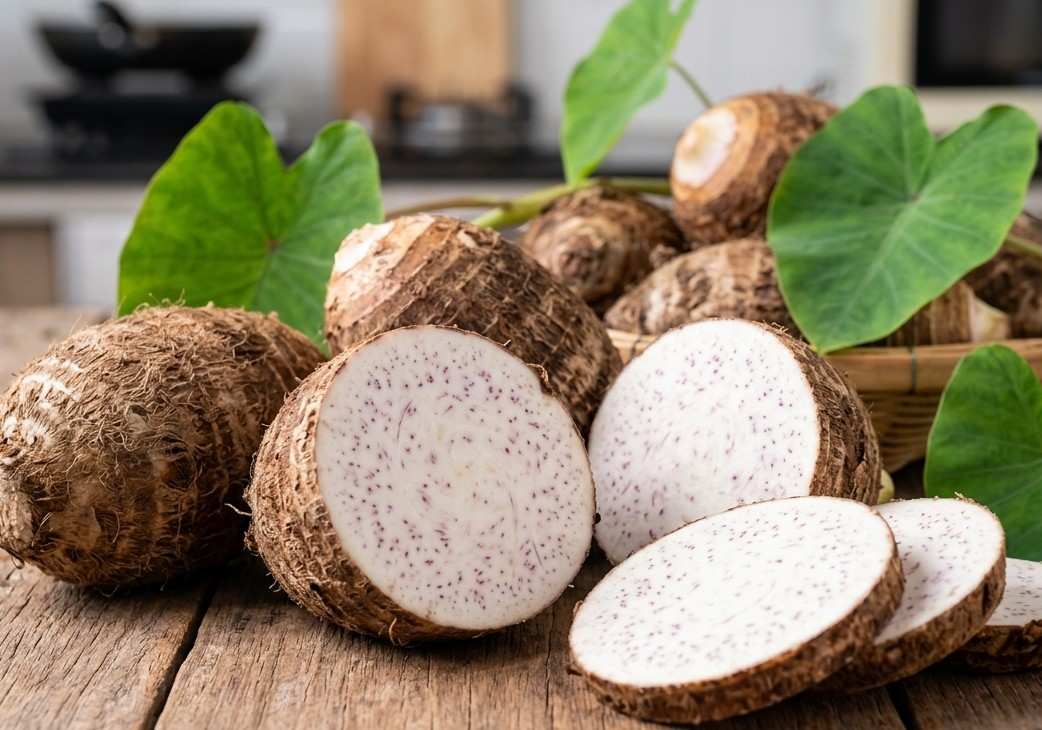
Taro root is one of the oldest cultivated root vegetables in the world and has been a staple food in Asia, Africa, the Pacific Islands, and the Caribbean for thousands of years. Known for its creamy texture and mildly nutty flavor, taro is highly valued for its impressive nutritional profile and versatility in cooking. It can be boiled, steamed, roasted, mashed, fried, or added to soups, curries, desserts, and beverages.
In this guide, you’ll learn everything about taro root (also known as arbi, dasheen, and eddo), including its nutrition facts, science-backed health benefits, possible side effects, cooking methods, storage tips, precautions, and much more.
What is Taro Root?
Taro root (Colocasia esculenta) is a tropical root vegetable belonging to the Araceae family. Although commonly called a root, the edible portion is technically a corm that grows underground. It has rough brown skin with white, cream, or purple-speckled flesh depending on the variety.
Taro is widely consumed in countries such as India, China, Japan, the Philippines, Thailand, Vietnam, Hawaii, Nigeria, and many Pacific Islands. In India, it is commonly known as Arbi and is used in curries, stir-fries, chips, and snacks. The vegetable is naturally gluten-free and provides slow-digesting carbohydrates, making it an excellent energy source for people of all ages.
Nutrition Facts of Taro Root (Per 100 g Cooked)
| Nutrient | Amount |
|---|---|
| Calories | 112 kcal |
| Carbohydrates | 26.5 g |
| Protein | 1.5 g |
| Fat | 0.2 g |
| Dietary Fiber | 4.1 g |
| Sugar | 0.4 g |
| Potassium | 484 mg |
| Magnesium | 33 mg |
| Calcium | 43 mg |
| Phosphorus | 84 mg |
| Iron | 0.6 mg |
| Vitamin C | 4.5 mg |
| Vitamin E | 2.4 mg |
| Vitamin B6 | 0.28 mg |
| Folate | 19 mcg |
| Manganese | 0.38 mg |
Values are approximate and may vary depending on variety and cooking method.
20 Proven Health Benefits of Taro Root
- Supports Digestive Health: The high fiber content promotes regular bowel movements and supports a healthy digestive system.
- Provides Long-Lasting Energy: Complex carbohydrates release energy gradually, helping maintain stamina throughout the day.
- Promotes Heart Health: Potassium helps regulate blood pressure and supports healthy cardiovascular function.
- Supports Healthy Blood Sugar: Fiber and resistant starch may help slow glucose absorption when eaten as part of a balanced meal.
- Boosts Immune Function: Vitamin C and antioxidants help strengthen the body’s natural defense system.
- Rich in Antioxidants: Taro contains polyphenols that help protect cells from oxidative stress.
- Supports Weight Management: Fiber increases fullness, reducing unnecessary snacking between meals.
- Improves Gut Health: Resistant starch acts as a prebiotic, nourishing beneficial gut bacteria.
- Strengthens Bones: Calcium, magnesium, and phosphorus contribute to healthy bones and teeth.
- Supports Healthy Skin: Antioxidants and vitamin E help protect skin cells from environmental damage.
- Promotes Healthy Vision: Antioxidants may help reduce oxidative stress affecting eye health.
- Supports Brain Function: Vitamin B6 contributes to normal brain development and neurotransmitter production.
- Helps Maintain Healthy Blood Pressure: Potassium balances sodium levels and supports healthy circulation.
- Naturally Gluten-Free: Taro is an excellent carbohydrate option for individuals with gluten intolerance or celiac disease.
- Supports Muscle Function: Potassium and magnesium help maintain normal muscle contraction.
- May Reduce Inflammation: Plant compounds in taro may help reduce inflammatory processes in the body.
- Supports Healthy Pregnancy Nutrition: Folate contributes to normal fetal development when consumed as part of a healthy diet.
- Helps Maintain Electrolyte Balance: Its mineral content supports hydration and fluid balance.
- May Support Healthy Cholesterol Levels: Soluble fiber may contribute to maintaining healthy cholesterol levels.
- Versatile and Nutrient-Dense: Taro provides multiple essential nutrients while fitting into various healthy eating patterns.
10 Side Effects of Taro Root
- Raw Taro Can Cause Irritation: Eating uncooked taro may irritate the mouth and throat due to calcium oxalate crystals.
- May Trigger Kidney Stone Concerns: People prone to calcium oxalate kidney stones should consume taro in moderation.
- Possible Allergic Reactions: Some individuals may experience food allergies after consuming taro.
- Digestive Discomfort: Eating excessive amounts may cause bloating or gas in sensitive individuals.
- High Carbohydrate Content: Large portions may contribute to increased calorie intake.
- Blood Sugar Considerations: People with diabetes should monitor portion sizes and pair taro with protein and healthy fats.
- Improper Cooking Risks: Undercooked taro may still contain irritating oxalate crystals.
- Weight Gain if Overeaten: Frequent consumption of fried taro products may increase calorie intake.
- Possible Medication Interactions: Individuals with kidney-related conditions should consult their healthcare provider regarding potassium intake.
- Handling Raw Taro: Raw taro may irritate sensitive skin during peeling; wearing gloves can help.
How to Eat Taro Root?
There are many delicious ways to enjoy taro root:
- Boiled with a pinch of salt.
- Steamed as a healthy side dish.
- Mashed like potatoes.
- Added to vegetable curries.
- Stir-fried with spices.
- Roasted in the oven.
- Used in soups and stews.
- Made into chips.
- Added to desserts and puddings.
- Blended into smoothies using cooked taro.
Tips for Consuming Taro Root
- Always cook taro thoroughly before eating.
- Wash and peel carefully before cooking.
- Pair with protein-rich foods for balanced meals.
- Avoid excessive frying to reduce calorie intake.
- Include vegetables alongside taro for additional nutrients.
- Start with moderate portions if trying it for the first time.
- Drink enough water to support healthy digestion.
- Store fresh taro properly to maintain quality.
- Choose firm roots without mold or soft spots.
- Avoid eating spoiled or sprouted taro.
How to Cook Taro Root?
1. Boiling
Peel the taro, cut into cubes, and boil for 20–30 minutes until tender.
2. Steaming
Steam peeled pieces for about 25 minutes until soft.
3. Roasting
Toss with olive oil and seasonings before roasting at 200°C (400°F) for 30–40 minutes.
4. Stir-Frying
Boil partially, then stir-fry with vegetables and spices.
5. Making Curry
Cook taro pieces in tomato- or coconut-based curry with herbs and spices.
6. Mashing
Boil until soft, then mash with herbs, garlic, and a small amount of butter or olive oil.
Other Uses of Taro Root
- Traditional Cuisine: Taro is widely used in regional dishes across Asia and the Pacific Islands.
- Flour Production: Dried taro can be ground into gluten-free flour.
- Baby Food: Properly cooked and mashed taro is sometimes used in homemade baby foods after appropriate age guidance.
- Desserts: Taro is commonly used in cakes, puddings, ice cream, and bubble tea.
- Snack Foods: Taro chips are a popular alternative to potato chips.
- Thickening Agent: Mashed taro naturally thickens soups and stews.
- Animal Feed: Some parts of the plant are processed for livestock feed after proper preparation.
- Traditional Agriculture: Taro is cultivated as an important staple crop in tropical regions.
- Cultural Celebrations: It is featured in many traditional festivals and ceremonial meals.
- Home Gardening: Taro can be grown in warm, humid climates with adequate moisture.
How Much Taro Root Can You Eat in a Day?
For most healthy adults, 100–200 grams of cooked taro root per day can fit into a balanced diet. Individual needs vary depending on age, activity level, overall calorie intake, and medical conditions.
People with diabetes or kidney disease should seek personalized dietary advice from a qualified healthcare professional.
Best Time to Eat Taro Root
- Breakfast for sustained energy.
- Lunch as part of a balanced meal.
- Before exercise for slow-release carbohydrates.
- After exercise to replenish energy stores.
- Dinner in moderate portions alongside vegetables and lean protein.
Who Should Eat Taro Root?
- Active Individuals: It provides sustained energy for physically active people.
- Athletes: Complex carbohydrates support endurance and recovery.
- Children: Properly cooked taro offers valuable nutrients for growing bodies.
- Older Adults: Its soft texture after cooking makes it easier to chew and digest.
- People Seeking More Fiber: Taro helps increase daily fiber intake.
- Individuals Following a Gluten-Free Diet: Naturally gluten-free, taro is a suitable carbohydrate choice.
- Vegetarians and Vegans: It complements plant-based diets with essential nutrients.
- People Looking for Healthy Energy Sources: Taro provides filling, slow-digesting carbohydrates.
Who Should Not Eat Taro Root?
- People Eating Raw Foods: Raw taro should never be consumed due to oxalate crystals.
- Individuals Allergic to Taro: Those with known allergies should avoid it completely.
- People with Frequent Kidney Stones: Individuals prone to calcium oxalate stones should limit intake if advised by a healthcare provider.
- People with Advanced Kidney Disease: Potassium intake may require monitoring.
- Individuals Following Low-Carbohydrate Diets: Taro may not fit strict low-carb eating plans.
- People with Digestive Sensitivities: Large portions may cause bloating in some individuals.
- Infants Without Professional Guidance: Introduce only when developmentally appropriate and after consulting a pediatric healthcare professional.
- Anyone Eating Undercooked Taro: Improper cooking may cause mouth and throat irritation.
How to Store Taro Root?
- Keep It Cool: Store whole taro in a cool, dry, and well-ventilated place.
- Avoid Refrigerating Whole Roots: Refrigeration may shorten the quality of fresh whole taro.
- Keep It Dry: Moisture encourages spoilage and mold growth.
- Use Breathable Storage: Paper bags or baskets work better than sealed plastic bags.
- Refrigerate Cooked Taro: Store cooked taro in an airtight container for up to 3–4 days.
- Freeze for Longer Storage: Cooked taro can be frozen for several months.
- Discard Spoiled Roots: Throw away taro showing mold, unpleasant odors, or significant soft spots.
Precautions and Interactions
- Always Cook Thoroughly: Proper cooking destroys irritating calcium oxalate crystals.
- Wash Hands After Peeling: Sensitive individuals may experience skin irritation.
- Practice Portion Control: Excessive intake may contribute to excess calorie consumption.
- Monitor Blood Sugar: People with diabetes should include taro within their individualized meal plan.
- Consider Kidney Health: Those with kidney disease should discuss potassium intake with a healthcare professional.
- Pair with Balanced Meals: Combine taro with vegetables, lean protein, and healthy fats.
- Avoid Spoiled Produce: Never consume moldy or rotten taro.
- Seek Medical Advice if Needed: Individuals with chronic medical conditions should consult a healthcare professional before making major dietary changes.
FAQs
What is taro root good for?
Taro root is a nutritious root vegetable rich in fiber, potassium, antioxidants, and complex carbohydrates that support digestion, heart health, and sustained energy.
Is taro root healthier than potatoes?
Taro root generally contains more fiber and potassium than white potatoes, while both are healthy choices when cooked without excessive fat or salt.
Can you eat taro root every day?
Yes, most healthy adults can eat cooked taro root in moderation as part of a balanced diet.
Can taro root help with weight loss?
Taro root may support weight management because its fiber helps keep you feeling full for longer.
Is taro root good for people with diabetes?
Taro root can fit into a diabetes-friendly diet when eaten in controlled portions and paired with protein and healthy fats.
Why can’t you eat taro root raw?
Raw taro contains calcium oxalate crystals that can irritate the mouth and throat, so it should always be cooked before eating.
Is taro root gluten-free?
Yes, taro root is naturally gluten-free and suitable for people with celiac disease or gluten intolerance.
What does taro root taste like?
Cooked taro has a mildly sweet, nutty flavor with a creamy texture similar to sweet potatoes or chestnuts.
Is taro root high in carbohydrates?
Yes, taro root is naturally high in complex carbohydrates, making it an excellent source of long-lasting energy.
Does taro root contain protein?
Taro root contains a small amount of protein, but it is mainly valued for its carbohydrates, fiber, vitamins, and minerals.
Is taro root good for digestion?
Yes, its dietary fiber and resistant starch help promote healthy digestion and support beneficial gut bacteria.
Can pregnant women eat taro root?
Yes, properly cooked taro root can be included in a healthy pregnancy diet unless a healthcare provider advises otherwise.
Is taro root good for heart health?
Its potassium and fiber content may help support healthy blood pressure and overall cardiovascular health.
Can children eat taro root?
Yes, thoroughly cooked taro root can be a nutritious food for children when served in age-appropriate portions.
Does taro root raise blood sugar?
Like other starchy vegetables, taro root contains carbohydrates, but its fiber may help slow digestion when eaten in moderate portions.
What is taro root called in India?
Taro root is commonly known as Arbi in Hindi. It is also called Colocasia and is widely used in Indian cuisine.
Why is taro expensive?
Taro can be expensive because it requires warm, humid growing conditions, takes several months to mature, and is labor-intensive to harvest and process.
Is taro good for fatty liver?
Taro may support overall health due to its fiber and antioxidant content, but there is no strong evidence that it directly treats fatty liver disease. A balanced diet and healthy lifestyle remain the most effective approach.
Is taro good for high BP?
Yes, taro is rich in potassium, which helps balance sodium levels and may support healthy blood pressure when consumed as part of a balanced diet.
Is taro good for hemoglobin?
Taro contains small amounts of iron and vitamin C, which contribute to healthy red blood cell production, but it should not be relied upon as the primary treatment for low hemoglobin.
Is taro high in iron?
No, taro contains a modest amount of iron but is not considered a high-iron food. Other foods like lentils, spinach, and lean meats provide more iron.
Does taro increase cholesterol?
No, taro is naturally cholesterol-free. Its fiber content may even help support healthy cholesterol levels as part of a heart-healthy diet.
How do you remove toxins from taro?
Peel the taro carefully and cook it thoroughly by boiling, steaming, or roasting. Proper cooking destroys most of the calcium oxalate crystals that cause irritation.
Does taro root make you sleepy?
No, taro root does not typically cause sleepiness. It provides complex carbohydrates that offer steady energy rather than acting as a sleep-inducing food.
Why does my throat hurt after eating taro?
A sore throat after eating taro is usually caused by calcium oxalate crystals, especially if the taro was raw or undercooked. Thorough cooking helps eliminate this irritation.
Does taro root cause uric acid?
Taro is naturally low in purines and is not generally known to increase uric acid levels. However, people with gout should follow their healthcare provider’s dietary recommendations.
Is taro root better than rice?
Neither is universally better. Taro generally provides more fiber, potassium, and vitamins, while rice is a staple source of carbohydrates. The healthier choice depends on your nutritional needs and overall diet.
Can you eat taro root raw?
No. Raw taro should never be eaten because it contains calcium oxalate crystals that can irritate the mouth, throat, and digestive tract.
Do you peel taro before boiling?
Yes, taro is usually peeled before boiling. Some people prefer boiling it with the skin on and peeling it afterward, as this can make peeling easier. Always cook taro thoroughly before eating.
Sources / References:
- U.S. Department of Agriculture (USDA) FoodData Central
- World Health Organization (WHO)
- Academy of Nutrition and Dietetics
- MedlinePlus
- Cleveland Clinic
Disclaimer:
This article is for educational purposes only and should not replace professional medical advice, diagnosis, or treatment. Always consult a qualified healthcare professional before making significant dietary or health-related changes.
Also Read: